

Bella Vista Health Center Blog

How To Manage Multiple Chronic Health Conditions
Coping with a single chronic illness is difficult enough, but managing multiple chronic health conditions can be overwhelming and confusing. Learn more here.

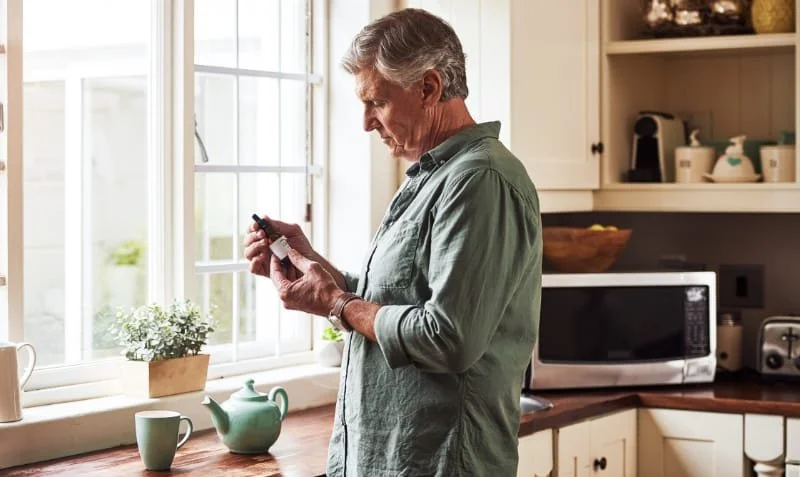
Coping with a single chronic illness is difficult enough, but managing multiple chronic health conditions can be overwhelming and confusing. Multimorbidity (having two or more chronic illnesses) involves managing symptoms, relaying information between doctors, keeping medications straight, and dodging medication side effects, all of which can have a negative impact on a person’s mental health and quality of life. But it is possible to incorporate coping strategies, behaviors, and habits into your daily routines to make it easier.
9 Tips for managing multiple chronic health conditions
Whether you’re managing your own health or that of a loved one, the following tips for how to manage multiple chronic health conditions can help support your health and wellbeing.
#1. Learn as much as you can about your conditions
The more you know about your conditions, the better equipped you’ll be to ask the detailed questions of your healthcare provider that will get you the information you need to manage your particular needs.
#2. Determine your priorities for healthcare outcomes
It’s important to have an idea of what you want to get out of your overall care. Do you want to decrease your shortness of breath? Live independently? Maximize your energy and stamina? If you have a personal goal or outcome you want to see for your treatment, your healthcare providers can decide on an approach that helps get you there.
#3. Discuss risks and benefits of each treatment
It’s important to understand clearly the risks and benefits of each treatment so you can make informed decisions. It may not always be in your best interest to choose the most aggressive option. For example, if a certain diabetes medication increases your risk of falling, it could interfere with your ability to walk your grandchildren to school. Knowing the pros and cons of each treatment can help you maximize your comfort and quality of life.
#4. Clarify everything
During your appointments with your healthcare providers, ask every question you have and take notes so you can walk out with a clear understanding of your treatment plan and the steps you need to take to manage your health.
#5. Take advantage of non-medication treatments when available
Medication side effects and drug interactions can exacerbate or add new health problems. Take advantage of any non-pharmacological treatment for one of your health conditions. These may include physical therapy, exercise, acupuncture, or other treatment. Just be sure to discuss any treatments with your healthcare team.
#6. Keep a health diary
Having a written record of your symptoms, side effects, progress, questions, and other health-related information will help give you and your doctors a clear idea of how your treatment is progressing. You can use a notebook, a computer, or an app to keep these records. Just be sure to bring it to your appointments.
#7. Communicate with healthcare providers
If you have questions about your health, or if you’re experiencing new symptoms, you don’t have to wait for your appointment to ask them. Call or message your providers. They’re there to help.
#8. Pay attention to your mental health
Managing multiple chronic health conditions can put you at risk for developing depression. It’s important to pay attention to your mental health and practice stress-relieving activities. A counselor or therapist can also be a great resource for helping you manage your mental health and get the most out of life.
#9. Try short-term rehab
If you’re having trouble managing your multiple health conditions, physical and occupational therapy in short-term rehabilitation may be just what you need. At Bella Vista Health Center, our physical therapists can help with symptom management, and our occupational therapists can help provide you with the skills and resources necessary to incorporate health management tasks into your existing habits so they become a part of your daily routine.
Skilled Nursing Facility in San Diego
If you or a loved one is looking for a long-term care facility that offers physical therapy, occupational therapy, and a wide range of rehabilitative programs and amenities, Bella Vista Health Center can help. Our 5-Star Skilled Nursing Facility in San Diego provides the highest quality patient care as well as essential services, social opportunities, and round-the-clock care from a compassionate staff committed to providing a nurturing environment for all residents. For more information or to schedule a tour, call us at (619) 644-1000.


Tips For Reverse Shoulder Replacement Rehab
Like any joint replacement surgery, rehabilitation is a key to the success of the reverse shoulder replacement. Learn more here.

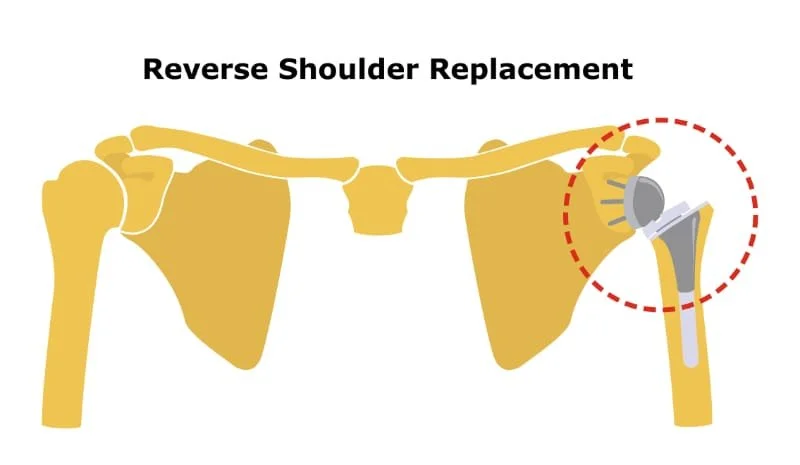
Total shoulder replacement surgery helps to reduce pain and restore function and range of motion for people who suffer from painful shoulder arthritis. The surgery has a high success rate, but it doesn’t provide sufficient relief for those who have developed “cuff tear arthropathy,” a degenerative arthritis of the shoulder resulting from a large rotator cuff tear. A conventional shoulder replacement is designed to work only if the rotator cuff tendons are intact, but for individuals with cuff tear arthropathy, those muscles no longer function properly. A reverse shoulder replacement is a better option for those with cuff tear arthropathy because it relies on the deltoid muscle instead of the rotator cuff to power the arm. Like any joint replacement surgery, rehabilitation is a key to the success of the reverse shoulder replacement.
Rehabilitation for reverse shoulder replacement
Rehabilitation for reverse shoulder replacement should begin immediately after surgery. Ice or heat therapy can help manage pain swelling, and manual joint range-of-motion techniques done by the physical therapist can help stimulate circulation and promote healing. A sling must be worn to minimize the movement of your healing arm while providing support.
The goal of rehabilitation during the first 6 weeks following shoulder replacement surgery is to protect the surgical wound, minimize pain, reduce swelling, maintain active range of motion in the elbow hand and wrist, and gradually increase passive range of motion in the shoulder.
Exercises during the early postoperative period may include:
Elbow bends
Hand squeezes
Pendulums - Hold onto a chair, table or bed. Bend forward and let your arm hang loosely toward the ground. Shift your hips gently side to side so the arm swings like an elephant’s trunk.
The next phase of rehabilitation, weeks 6-12, typically involves continued management of pain and swelling as well as stretching and strengthening exercises to gently increase range of motion and restore strength to the muscles around the shoulder joint.
Exercises during this phase may include:
Shoulder flexion - Lie on your back. Hold a stick in both hands. Raise your arms up and overhead. In the earlier weeks, your physical therapist may instruct you to use your healthy arm to raise your operated arm up and overhead.
Scap retraction - With your spine in a neutral position, squeeze your shoulder blades together without allowing your shoulders to shrug upward.
Back towel stretch - Grasp a towel in both hands. Put the operated hand behind your back and use the healthy arm to gently pull the operated arm upward.
Around the 3-month mark, your treatment plan should include strengthening exercises to help you progress to your specific goals, whether that means gardening, swimming, golfing, or holding your grandchildren.
Tips for reverse shoulder replacement rehabilitation recovery
Achieving complete recovery after a shoulder replacement surgery can take 6 months to a year, but by following these tips, you can help speed the process along and get back to doing the things you love—pain free!
Take time to rest and recover
Sleep carefully
Wear your sling as instructed by your surgeon and physical therapist
Start rehab as soon as possible
Follow your rehabilitation plan carefully
Stay consistent with your exercises
A successful recovery also depends on the quality of your rehabilitation team and the consistency of your communication with them. The more you put into your reverse shoulder replacement rehabilitation, the more you’ll get out of it.
Joint replacement rehabilitation in San Diego
If you or someone you love has undergone shoulder replacement surgery, or if you’re planning ahead for a future joint replacement surgery, Bella Vista Health Center is here to provide a safe transition from hospital to home. Our total joint replacement therapy rehab program provides customized treatment plans designed to empower each patient and rehabilitate them back to their personal best. For more information on our rehabilitation programs, or to schedule a tour of our 5-Star Skilled Nursing Facility in Lemon Grove, give us a call at (619) 644-1000 today.


Why Seniors Should Have Physical Therapy Before Rehab (Prehab)
The idea of prehab physical therapy is to strengthen the relevant muscles and maximize the range of motion before surgery so you don't get set back.

Most people planning to undergo joint replacement or ligament repair surgery know they’ll need to participate in a physical therapy program as part of the recovery process. But did you know that physical therapy is also highly beneficial in the weeks leading up to orthopedic surgery?
Affectionately known as “prehab”, pre-operative rehabilitation is the process of improving fitness, functionality, and preparedness prior to surgery. The general idea of prehab physical therapy is to strengthen the relevant muscles and maximize the range of motion so that any decline that takes place as a result of the surgery will not set you back as far as it would have otherwise. But the benefits don’t stop there. Read on for more reasons why seniors should have physical therapy before surgery.
Why seniors should have physical therapy before rehab
Recovery after surgery is challenging. But the better prepared you are physically and mentally, the higher the likelihood you’ll have a speedy and successful recovery. Although a general exercise program is certainly beneficial, a customized physical therapy program helps target the treatment area: reducing inflammation, improving blood flow, strengthening the muscles, and restoring range of motion. Typically, six weeks of physical therapy prior to joint-replacement surgery can provide a number of wonderful benefits, including:
Mental preparation
Prehab does more than just prepare the muscles and joints for surgery. It also prepares the mind. Seniors who worry about their ability to recover often find that prehab gives them a clearer picture of what to expect after surgery as well a sense of confidence about their ability to pull through.
Faster recovery
Surgery creates a deficit. During the recovery period, strength and range of motion are lost. Without prehab, the senior will come out of surgery with a long way to go to get “back to normal.” By building up strength ahead of time, however, the deficit created by surgery might find the individual just a few steps away from “normal.”
Saves money
A faster recovery means a shorter hospital stay and less money spent on rehabilitation. One study found that patients who exercise prior to surgery are 73% less likely to be discharged to an inpatient rehabilitation facility following surgery. Prehab can help increase the likelihood of the senior being discharged directly to home.
Less pain
The targeted treatment of pre-surgical physical therapy creates strength and health in the treatment area and supports a faster recovery. The sooner the joint gets moving again, the less pain, swelling, and stiffness the senior will experience.
Reduced atrophy
When the muscles aren’t used, they lose mass. Two weeks in bed can diminish the quadriceps by 20% in a healthy young person. The process happens even more quickly in older patients. Because prehab results in less pain and faster recovery after surgery, it allows seniors to get up and move those muscles sooner, potentially reducing the amount of muscle atrophy.
Improves surgical outcomes
In most cases, pre-surgical preparedness improves more than just the functional capabilities of the muscles and joints. It also promotes and facilitates healthy behavior changes that often last through the postoperative period. Patients who follow through with their prehab physical therapy are more likely to follow through with their post-operative rehabilitation as well, improving the overall outcome of their treatment.
Whether you or your loved one is planning a joint-replacement or ligament repair surgery, Bella Vista physical therapists offer customized pre- and post-surgical rehabilitation programs designed to optimize strength, functionality, and independence.
Physical therapy (Prehab) in Lemon Grove | Bella Vista Health Center
At Bella Vista, we offer short- and long-term physical therapy programs as well as essential services, social opportunities, and round-the-clock care from a compassionate staff committed to providing a nurturing environment for all residents. For more information or to schedule a tour, call us at (619) 644-1000.


Nutrition for Seniors: What Caregivers Should Know
If you’re caring for a senior and worry if their nutrition needs are being met, here's what you can do to ensure they’re getting the required nutrients.

Healthy eating is one of the cornerstones of a happy, productive life. The foods we eat affect our health, energy levels, moods, and the overall quality of our lives. The same is true during all phases of our lives. As we age, however, our risk of developing health conditions increases, our appetites diminish, and certain parts of our brains shrink, all of which can interfere with nutrition intake. If you’re caring for a senior and worry if their nutrition needs are being met, there are things you can do to help ensure they’re getting the nutrients they need. Read on to learn more about nutrition for seniors.
Nutrition for seniors: what caregivers should know
Whether you’re caring for an aging parent, looking out for an elderly neighbor, or professionally managing the daily care of a client, it’s important to talk with their doctor about the foods they should be eating. But you’ll also want to remember that assisting with nutrition isn’t just about having the right foods on hand. It’s also about helping to ensure that those foods are eaten and enjoyed. Here are a few basic tips for caregivers:
Know your nutrients - Many seniors have dietary requirements given to them by their doctor, and it’s crucial that you help them follow these. It’s also important to know the nutrition basics so you know what to look for at the grocery store and in the refrigerator.
In general, healthy eating includes:
A wide variety of fruits and vegetables (eat the rainbow)
Whole grains
Fat-free or low-fat dairy products
Non-dairy products fortified with vitamin D and calcium
Lean meats
Seafood
Eggs
Legumes, nuts, seeds
This list may sound basic, and maybe even a little boring, but there are an abundance of delicious meals and snacks that can be created from these ingredients. Gather a list of specific foods from each category and ask your senior which ones appeal to them. That will give you a place to start grocery shopping and recipe making.
Grocery shop together
When grocery shopping is a collaborative effort, it enables the caretaker to help guide the individual toward healthy choices that satisfy their preferences and dietary requirements. It also allows the senior to be an active participant in their own health and wellbeing.
Eat together
Sharing a meal is an opportunity to experience the social and pleasurable aspects of eating. If the senior requires assistance with feeding themselves, making it difficult for you to eat at the same time, try engaging with your other senses, pointing out the enticing aroma or the visual appeal of the food, or sharing associated memories. As you engage with the food in your own way, it can help stimulate the senior’s enjoyment of the experience as well.
Small frequent meals
Most seniors don’t eat enough in a single sitting to get all their nutrients into three meals. Instead, try smaller, more frequent meals throughout the day. Just be sure to plan ahead so they’re getting proper nutrition, not just snacks.
Optimize the appetite (exercise)
It’s common for the appetite to diminish with age. But you can help optimize it by keeping the senior active and participating in daily exercise. Building up the appetite provides more opportunities to nourish the individual with healthy foods.
Pay attention to fluid intake
Nothing kills the appetite quite as much as a clogged digestive system. Caregivers can help keep things moving by frequently offering small quantities of fluid often throughout the day, and serving foods with high water-content (such as watermelon or broth).
Minimize distractions
The fewer distractions there are during the dining experience, the more likely the individual is to focus on feeding themselves and enjoying their food. This means turning off the television, reducing clutter on the table, and limiting the decor and table settings to just what’s needed for this meal.
The more you know about health and nutrition, the better equipped you’ll be to ensure that the senior you’re caring for is getting the nutrients they need to maintain a healthy diet.
Nutritious meals and rehabilitative care in San Diego | Bella Vista
At Bella Vista Health Center, our goal is to empower patients and rehabilitate them back to their personal best. Our team includes not only physical and occupational therapists, nurse practitioners, and other medical practitioners, but also a registered dietician who provides residents with nutritious meals, making special accommodations for allergies and medical conditions, as well as dietary preferences and religious needs. For more information about our 5-star skilled nursing facility in Lemon Grove, give us a call at (619) 644-1000 or drop by for a tour today.


How Do You Recover From Caregiver Fatigue?
Because the responsibilities involved with caregiving tend to increase with time, burnout can feel neverending. Here's how to recover from caregiver fatigue.

Caring for a loved one as they get older can be a rewarding job. But depending on the scope of their needs and the scope of the other responsibilities in your life, caregiving can also be stressful. The emotional exhaustion combined with the often physical demands of caregiving as well as grief about the lost past and anxiety about the unknown future, often lead to caregiver fatigue, also known as caregiver burnout. It’s common and can have a negative impact on both the caregiver and their loved one, but recovery is also possible. Here’s how.
How to recover from caregiver burnout / caregiver fatigue
Caregiver burnout feels like an endless cycle of stress. This can cause symptoms similar to those associated with depression, including social withdrawal, a loss of interests in once-enjoyable activities, and changes in weight, appetite, and sleep patterns. And because the responsibilities involved with caregiving for an aging loved one tend to increase with time, the burnout can feel neverending. But it is possible to recover from caregiver fatigue.
It’s important to note that recovering from caregiver fatigue involves quite a bit of focusing on the needs of the caregiver, which can seem counterintuitive and may even cause feelings of guilt. It can be helpful to remember that a fatigued caregiver cannot provide the quality of care that a healthy caregiver can. Taking care of yourself and tending to your own needs isn’t selfish—it’s necessary for the good of you and those you care for.
Connect with friends and family
Many caregivers find that between their own job, their children, and their aging parents, there isn’t much room left in the schedule for a social life. But this can lead to feelings of isolation and even symptoms of depression. Try scheduling regular downtime with friends or other people whose company you enjoy. Arrange for someone else to take over caregiving responsibilities during this time so you can really let go and enjoy yourself.
Practice self-care
When caring for others, it can sometimes feel like there’s always more you can do to help keep them healthy, comfortable, and happy, especially if they are limited in what they can do for themselves. While the desire to do all you can for another person certainly is a great quality to have if you’re a caregiver, it can also lead to depletion and burnout if you don’t also take the time to care for yourself. At the very least, you should be sure to give yourself:
Sufficient sleep
Nutritious foods
Daily exercise
Plenty of hydration
If you experience caregiver burnout, check for depletion in these areas first. You may be surprised by what a difference any one of them can make in how you feel.
Meditate
The demands of caregiving can be emotionally exhausting and stress-inducing, and they can also wreak havoc on your health and wellbeing. Meditation has calming effects on many of the body’s physiological systems. It has been shown to decrease symptoms of anxiety, boost mood, and stimulate feelings of wellbeing. Additionally, meditation can provide a sense of clarity that makes it easier to navigate the immediate challenges of caregiving.
Set realistic expectations
There are only so many hours in a day, and one individual can only do so much. Your basic self-care is a really good way to measure the outside boundaries of your limits. If your caregiving responsibilities consistently push your yoga class off the calendar or limit your self-care time to a mere three-minute shower every morning, then it may be time to make adjustments. Asking for help doesn’t come easily for everyone, but it could be the best thing you do for everyone involved. One of the keys to recovering from caregiver burnout is to do everything you can to avoid it moving forward. Setting realistic expectations of yourself is an important step.
There’s no shame in asking for help if you need it. None of us are doing this alone. Whether it’s a family member, a home healthcare service, a skilled nursing facility, or a support group for caregivers, the help you seek will get you one step closer to living a healthy, balanced life and giving your loved one the quality time they deserve.
Occupational Therapy for Dementia in Lemon Grove | Bella Vista Health Center
Caring for a loved one with dementia has its own particular set of challenges. Occupational therapists are trained to work with dementia patients to address the challenges that interfere with their ability to perform the tasks of daily living. The therapist creates a treatment plan designed to help overcome those challenges, providing exercises aimed at improving function and maintaining healthy habits and routines. The occupational therapy program for dementia at Bella Vista helps to maximize patient independence and improve their quality of life. Our therapists also provide caregivers with education tips, tools, and strategies for maintaining a safe, calm, environment that will help make their job easier—and more rewarding.
For more information on our services or to schedule a tour of our 5-star skilled nursing facility, give us a call at (619) 644-1000 today.





Here’s Why Tai Chi is Good For the Elderly
Tai Chi is particularly beneficial for the elderly because it provides them with the same great benefits as conventional exercise without the risk of injury.
Exercise is one of the most important keys to maintaining physical health and emotional wellbeing. But as our bodies get older, we become limited in the types of exercise we can do. Falls and injury prevention become a high priority, which tends to cross high-impact exercise off the list. The good news is that some low-impact activities have many of the same benefits as conventional exercise. And a few, like Tai Chi, may even have more.
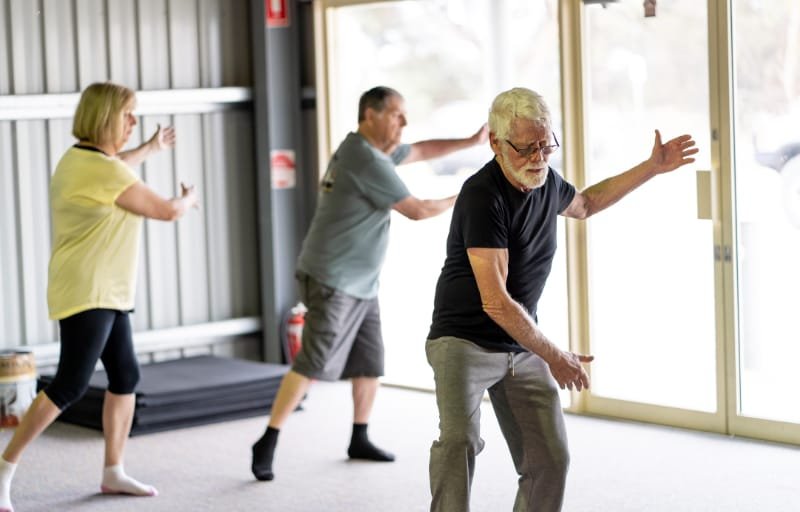
Tai Chi is an ancient Chinese martial art that involves a series of slow, focused movements and deep breathing exercises. It is often described as meditation in motion. But don’t let this calm, peaceful, low-impact exercise fool you—it’s real exercise, and the benefits are numerous. Tai Chi is particularly beneficial for the elderly because it provides them with the same great benefits as conventional exercise without the risk of injury. Plus, it offers a few benefits above and beyond those typically expected from conventional exercise. Here’s why Tai Chi is good for the elderly.
Balance
The slow deliberate movements of Tai Chi help older adults improve their balance. Studies have shown that Tai Chi is one of the best exercises to help reduce falls in seniors.
Strength
Tai Chi strengthens and tones the whole body and is particularly good for the elderly because of its focus on low impact movements that provide a low risk of injury.
Hand-eye coordination
A 2008 study of motor control and hand-eye coordination tested a group of elderly long-term Tai Chi practitioners (three years or more) against a control group of healthy seniors who had never practiced Tai Chi before. The study concluded that the Tai Chi group had better results on the hand-eye coordination test than the control group.
Blood circulation and blood pressure
The combination of stretching and relaxing movements improves blood flow through the veins, allowing it to supply your body with a steady supply of nourishing oxygen and nutrients. Studies also suggest that Tai Chi can lower blood pressure in older adults as effectively as aerobic exercise.
Sleep quality
Insomnia is one of the most common sleep disturbances in the elderly. Tai Chi is said to be just as effective as conventional exercise in improving sleep quality and may be a better alternative for older populations because of its low-impact movements.
Cognitive function and memory
Tai Chi is good for the whole body, including the brain. The breathing exercises help to increase oxygenation and blood flow to the brain, activate the parasympathetic system, and calm the mind, all of which affect cognitive areas of the brain in a positive way. Tai Chi also activates body awareness, mindfulness, spatial memory, and other memory functions that help keep the brain sharp.
Symptoms of depression and anxiety
Research suggests that Tai Chi may be able to relieve symptoms of depression and anxiety. One hypothesis is that while the attention is focused on body posture, movement, and breathing, attention is taken away from the stressors. This suggests that repeated practice can modulate the resting state of the areas of the brain involved with attentional control, providing relief from symptoms of depression and anxiety.
Tai Chi has numerous benefits for helping seniors to stay fit, healthy, and in good spirits.
Physical Therapy, Occupational Therapy, and More at Bella Vista
If you’re struggling with pain or mobility and finding it difficult to get the exercise you need to stay healthy, Bella Vista Health Center may be able to help. We offer a wide range of health services for seniors at our 5-Star skilled nursing facility. Our physical therapy program, occupational therapy program, or other services could be just what you need to optimize your health and your quality of life. For more information on our services, or to schedule a tour of our facility, give us a call at (619) 644-1000 today.


Link Between Proper Hydration and Dementia for Seniors
Studies show a link between dehydration and cognitive decline, and seniors are especially vulnerable to both. Read on for more information.
Maintaining proper hydration is one of the keystone habits of healthy living. Hydration is important not just for our bodies, but for our brains as well. This is true for people of all ages, but some members of our society are at particular risk of dehydration as well as the negative health impacts it has on the body and brain. Studies show a link between dehydration and cognitive decline, and seniors are especially vulnerable to both. Read on for more information.
What is dehydration?
Dehydration is defined as insufficient fluid in the body. Every person is different, from their body weight to their activity level to the climate they live in, so the exact amount of water needed daily will vary from one individual to the next. In general, however, drinking 8 cups of water daily should be sufficient for an average sized person with a moderate activity level who lives in a mild climate. Water aids the body in a thousand different ways, including: cushions the joints; flushes out bacteria; regulates body temperature; and transports oxygen, vitamins, and minerals to the brain. Dehydration has a negative impact on all bodily systems.
What is cognitive decline?
Cognitive decline refers to a reduction in one or more cognitive abilities across the lifespan of an adult. Cognitive functions include memory, attention, communication, judgment, learning, and logic and reasoning. Age-related cognitive decline is subtle and typically affects attention and processing speed. Mild cognitive impairment refers to cognitive decline that’s more advanced than expected, but the individual is still able to maintain their daily life. Dementia refers to cognitive decline that disrupts a person’s ability to carry out everyday tasks.
Seniors, dehydration, and cognitive decline
As mentioned above, studies show clear links between seniors, dehydration, and cognitive decline. If you’re looking for a solid argument to convince your loved one to maintain a healthy diet and exercise routine, drink plenty of water, and engage in brain-healthy activities, these 4 should do the trick.
#1. Seniors are vulnerable to cognitive decline
The longer a person lives, the more likely they are to accumulate factors that put them at risk for cognitive decline. In addition to their age, these factors may include:
Medication side-effects
Hormone imbalances
Metabolic imbalances
Vitamin deficiencies
Infection
Brain damage
Neurodegenerative condition
Toxins
Of course, no single factor on this list is always directly linked to an decrease in cognitive decline, but each one increases the risk.
#2. Seniors are at risk of dehydration
The aging process changes not just the way we look, but in the way our bodies function as well. Some of these changes have a direct impact on our hydration levels. For example, muscle tissue holds significantly more water than fat cells, so as you lose muscle mass in advanced age, you have less water stored in your body. This puts you at greater risk of dehydration. In addition to changes in body composition, other factors that put seniors at greater risk of dehydration include:
Diminished thirst signal
Diminished kidney function
Consumption of alcohol and caffeine
Medications
Fortunately, many of these risk factors can be easily addressed with a consistent water consumption schedule.
#3. Dehydration increases the risk of cognitive decline
Just like all the other systems in our body, our brains need water to function properly. Studies have shown that the strain of dehydration causes a decline in performance on complex cognitive tasks, particularly those involving attention, executive function, and motor coordination. Dehydration can cause:
Poor concentration
Increased reaction times
Short-term memory problems
Agitation
Low mood
You can help support your loved one’s brain health by supporting their hydration.
#4. Cognitive decline can increase the risk of dehydration
Our brain serves us in a variety of different ways, many that go unnoticed until an important function is disrupted. Not only does hydration affect our brains, but our brains can affect our hydration levels as well. When cognitive decline occurs, the chances of dehydration increase because the individual may:
Forget to drink
Be unable to communicate their thirst
Have difficulty with the mechanics of drinking (turning on the faucet, filling the glass, etc)
Forget the steps for quenching thirst
Not recognize that they are thirsty
Dehydration is not the root cause of dementia, but in some cases, rehydration can restore functioning lost due to dehydration. If your loved one is having trouble eating and hydrating properly, maintaining healthy habits, or otherwise taking care of themselves, they may be a good fit for our Dementia Care Center in San Diego.
Dementia Occupational Therapy in San Diego at Bella Vista Health Center
At Bella Vista Health Center, our dementia occupational therapists work with clients who suffer from dementia and other types of memory loss. The goal of the Occupational Therapy program here at our 5-Star skilled nursing facility is to address the challenges that interfere with a patient’s ability to perform daily tasks and provide a treatment plan to overcome them. Our entire staff is committed to helping each patient reach their therapeutic goals and maximize their independence. For more information on Bella Vista Health Center’s skilled nursing facility or Occupational Therapy program, please contact us at (619) 644-1000.


20 Simple Home Exercises For Seniors
Seniors have a wide range of options for exercising at home. But what are the best home exercises for seniors? Check out our list here to find out.
Exercise is an important part of maintaining a healthy lifestyle, no matter how old you are. These days, however, many seniors are reluctant to visit the community centers or public gyms where they took exercise classes before Covid. Fortunately, seniors have a wide range of options for exercising at home. But what are the best home exercises for seniors? Well, it depends on what you’re looking for. Below, we’ve created a list that includes a little bit of everything.
Whether you prefer home exercise equipment, online classes, or you want to mix and match simple exercises to create your own workout, we’ve got you covered. Please discuss it with your doctor before starting any at-home exercise program.
1. Stationary Recumbent Cycling
A recumbent home exercise bike helps provide the benefits of cycling while adding additional fall prevention.
2. Rowing Machine
Rowing is a total body workout that not only strengthens major muscle groups but also increases cardiovascular endurance.
3. Yoga
Yoga helps to strengthen bones, enhance balance, and improve flexibility. Chair yoga is a great option for those in need of pose modification. Online yoga classes for seniors are a great option, too.
4. Chair Squats
Chair squats help increase lower body strength, improve balance, and can help restore everyday functioning for those recovering from injuries.
5. Leg Raises
Leg raises help improve core strength. They can be done seated or standing.
6. Back Leg Raises
Back leg raises increase lower body and core strength. It’s best to hold onto a chair, table or wall while performing this exercise.
7. Side Leg Raises
Side leg raises increase hip mobility, which helps seniors to improve and maintain balance. It’s best to hold onto a chair, table or wall while performing this exercise.
8. Knee Lifts
This seated exercise increases range of motion around the hips, reducing the risk of falls.
9. Tummy Twists
Tummy twists increase core strength and aid in stretching the spine.
10. Arm Raises
Arm raises help to improve range of motion in the shoulders. They can be done seated or standing. Light weights may be added for additional strength training.
11. Wall Push-Ups
Wall push-ups help improve upper body strength, especially in the chest and arms.
12. Single-Leg Stand
The single-leg stand helps to improve balance and coordination. It’s best to hold onto a chair, table or wall while performing this exercise.
13. Toe Lifts
Toe lifts increase strength in the feet and improve balance.
14. Shoulder Rolls
Shoulder rolls help maintain range of motion and mobility in the shoulders, which helps to improve everyday functioning for seniors.
15. Fist Stretch
Opening and closing the fist and stretching the fingers out wide helps to improve strength and mobility in the hand and fingers.
16. Knuckle Bend
The knuckle bend exercise helps to increase range of motion in the fingers.
17. Ball Squeezes
This exercise strengthens the grip, aiding in everyday function and maximizing senior independence.
18. Slow Neck Rotation
Neck rotation exercises help maintain flexibility and relieve stiffness and pain. It’s important to perform this exercise slowly.
19. Floor Stretches
Stretching increases joint mobility, improves balance and coordination, and reduces the risk of injury.
20. Chair Stretches
Seniors who have trouble getting down to the ground can benefit from chair stretches, including the seated side stretch, seated hip stretch, seated backbend, and more.
Physical therapy, occupational therapy, and more at Bella Vista in San Diego
If you or a loved one suffers from pain or immobility that’s keeping you from getting the exercise you need to stay healthy, you may be in need of physical therapy. At Bella Vista Health Center, we offer a wide range of health services for seniors at our 5-Star skilled nursing facility. Whether you’re recovering from an illness or injury, or you’re considering joint replacement surgery and know you’ll need physical therapy, we can help. For more information on our services, or to schedule a tour of our facility. give us a call at (619) 644-1000 today.

What’s a Good Gift for Someone with Dementia?
Gift-giving can sometimes be tricky if you have a loved one who lives with dementia or Alzheimer’s disease. Start here with these 8 great gift ideas for someone with dementia.
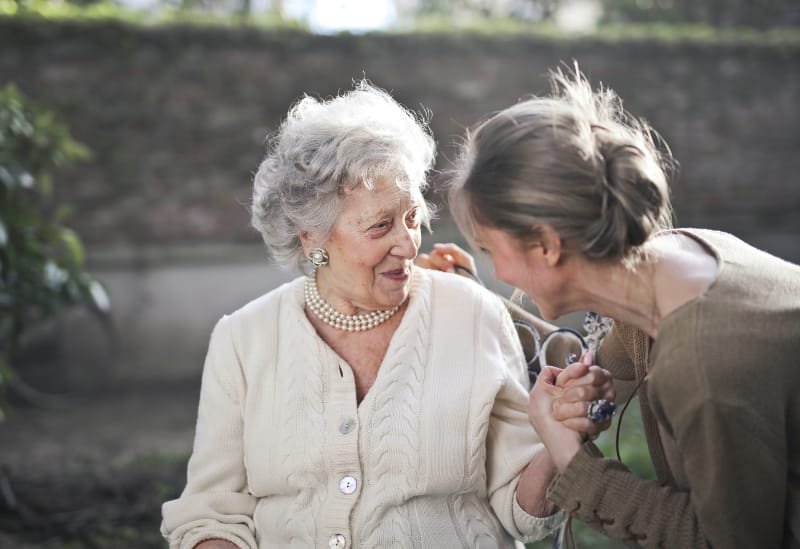
Gift-giving can sometimes be tricky if you have a loved one who lives with dementia or Alzheimer’s disease. But there is an abundance of gifts out there for you to choose from. There are gifts to help make life easier. Gifts to indulge to inspire. Gifts to help unwind. And so many more. Start here with these 8 great gift ideas for someone with dementia.
#1. Alexa
Setting your loved one up with Alexa in the home can be a wonderful gift. They can use voice activation to ask for the date and time, play music or the news, or look up any kind of information. Alexa can be very helpful to Alzheimer’s and dementia patients.
#2. Special pajamas or robes
Opt for comfortable, soft fabrics in their favorite color. Elastic or velcro may be a good choice, as more complex fasteners can become difficult as dementia or Alzeheimer’s disease progress.
#3. Memory photo phone
This corded telephone has 10 buttons and space for pictures next to each so your loved one can push a single button and know exactly who they’re calling. This is a good option for older people who are not tech savvy and may have trouble dialing.
#4. Coloring books
Creativity helps improve brain function. Choosing colors and deciding where to put the colors requires sustained creativity, which makes it a great brain-boosting activity. Coloring also improves concentration and releases mood-enhancing endorphins, making it a great option for people with dementia—and everyone else, too.
#5. Photo book
Creating a photo book of your loved one’s life, loves, and travels is a wonderfully personal gift that they’ll enjoy every time they open it. Having pictures of family and friends around can be especially helpful to people with dementia and Alzheimers. And these days, it’s easy to scan and digitize photos so you can make a bound book that looks professional.
#6. Bird feeder
Nature is always fun to observe. Give your senior a bird feeder and hang it outside a window where they can watch the birds come and go.
#7. Perfume or cologne
Scent carries so much memory. If you know the cologne your father wore to his wedding or the perfume your mother wore when she the danced nights away at Studio 54, the gift of nostalgia may release a flood of wonderful memories and stories.
#8. Treats and goodies
As we age, our taste buds decrease significantly. Some types of foods begin to taste bland, but our sweet taste buds tend to remain active. If your loved one has a favorite type of cookie or a special treat they’ve mentioned when recounting stories of their travels, it could be a wonderful gift to enjoy in the moment.
Dementia Care Center in San Diego at Bella Vista Health Center
If your loved one needs dementia care, we can help. At Bella Vista, our in-house occupational therapists are highly skilled and compassionate providers who create customized treatment plans designed to help people living with dementia maximize their strengths and adapt to the changes they’re experiencing. For more information on our Dementia Care Program, please give us a call at (619) 399-7920 today.

How Do You Promote a Senior’s Self-Esteem?
By paying special attention to the following areas of concern, you can help maximize your loved one’s quality of life and boost their self-esteem.

Seniors are valuable members of our society, but they may not always feel like it. The challenges of aging can sometimes take a toll on their self-esteem. The loss of loved ones, health challenges, limited mobility, and a loss of independence can lead to feelings of loneliness and irrelevance, symptoms of depression, and a decrease in self-esteem. By paying special attention to the following areas of concern, you can help maximize your loved one’s quality of life and boost their self-esteem.
Social connection
Studies have shown that social relationships are vital to happiness and quality of life for everyone, no matter what age they are. You can help stave off the loneliness and isolation common with older adults by arranging card games, outings, lunch dates, game nights or other activities with your loved one and their friends or family members.
Active lifestyle
Exercise increases self-esteem by boosting mood-enhancing hormones for the short-term and by helping us feel good about our bodies for the long-term. Join your senior for regular walks or yoga classes. Or gift them with a membership at a dance school where they’ll not only get the exercise they need, but where they’ll receive the social benefits as well.
Self-care and good hygiene
Personal hygiene is directly linked to self-esteem. When a person takes the time to care for their teeth, their body, their hair, it says they are worth the time and effort. You can help your senior’s self-esteem by driving them to salon appointments, putting on their makeup before an outing, or making sure they’re stocked up with all the necessary hygiene supplies at home.
Beautiful clothing
Feeling good about the way you look is not reserved for the young. Older people love to feel attractive too, but unfortunately, many seniors give up on the idea of feeling pretty or handsome. Help your loved one choose clothing that makes them happy, colors they love or fabrics that feel great on their skin, and remind them that there are no rules for what they can or can’t wear just because they’re older.
A sense of relevance
When the culture is centered around the youth, older people often feel irrelevant, which can have a negative impact on their self-esteem. To help your senior continue to feel relevant and important, include them in family discussions about current events, ask for their opinions and advice about personal matters or things they’re knowledgeable about. The more a person feels included and involved in the life around them, the better it is for their self-esteem.
Creativity
Creative activities have been shown to improve brain elasticity in older adults. This means that drawing, painting, ceramics or other creative pursuits help keep the brain fit. They can also reduce stress and anxiety, boost mood, and increase self-esteem. Encourage your senior to sign up for drawing classes at a local community center. Or commit to a weekly date where you set up your easels side by side in the backyard or at local parks. Just spending time coloring together is a simple creative and social activity that can help keep the brain active.
Independence
It’s important to help maximize your loved one’s independence in any way you can. Whether your loved one lives on their own or with you, making modifications in the home is a good way to help them stay safe while also maintaining their independence. This may include simple changes such as installing grab bars in bathrooms or more complex changes such as lowering counter heights and widening doorways for wheelchair users.
Emotional support
For older adults who may have lost their siblings, best friends, or spouses, emotional support may not be easily available. You can tune in by asking them how they’re doing and really listening to what they have to say. Additionally, keep an eye out in your area for support groups for seniors. Or, if they’d be willing to speak to a therapist or pastor, you can help make arrangements.
5-Star Skilled Nursing Facility in San Diego at Bella Vista Health Center
At Bella Vista Health Center, we understand how health conditions and recovery from surgery can take a toll on a person’s overall sense of wellbeing. We offer a safe, comfortable and therapeutic environment and the high-quality care our patients need to achieve optimal physical, cognitive, and emotional health. Our team of compassionate medical specialists and professionals create customized rehabilitation programs designed to shorten recovery time and return patients to independent living as soon as possible. We also offer essential services, social opportunities, and round-the-clock care. For more information or to schedule a tour, give us a call at (619) 644-1000 today.


Moving into a nursing facility is a major life change. If you stop and think about the number of things a person gives up when she moves into a nursing facility, you might be astounded. Suddenly, she’s eating from an unfamiliar set of dishes, sitting on unfamiliar chairs, and sleeping in a room with an unfamiliar layout.