

Bella Vista Health Center Blog


Link Between Proper Hydration and Dementia for Seniors
Studies show a link between dehydration and cognitive decline, and seniors are especially vulnerable to both. Read on for more information.
Maintaining proper hydration is one of the keystone habits of healthy living. Hydration is important not just for our bodies, but for our brains as well. This is true for people of all ages, but some members of our society are at particular risk of dehydration as well as the negative health impacts it has on the body and brain. Studies show a link between dehydration and cognitive decline, and seniors are especially vulnerable to both. Read on for more information.
What is dehydration?
Dehydration is defined as insufficient fluid in the body. Every person is different, from their body weight to their activity level to the climate they live in, so the exact amount of water needed daily will vary from one individual to the next. In general, however, drinking 8 cups of water daily should be sufficient for an average sized person with a moderate activity level who lives in a mild climate. Water aids the body in a thousand different ways, including: cushions the joints; flushes out bacteria; regulates body temperature; and transports oxygen, vitamins, and minerals to the brain. Dehydration has a negative impact on all bodily systems.
What is cognitive decline?
Cognitive decline refers to a reduction in one or more cognitive abilities across the lifespan of an adult. Cognitive functions include memory, attention, communication, judgment, learning, and logic and reasoning. Age-related cognitive decline is subtle and typically affects attention and processing speed. Mild cognitive impairment refers to cognitive decline that’s more advanced than expected, but the individual is still able to maintain their daily life. Dementia refers to cognitive decline that disrupts a person’s ability to carry out everyday tasks.
Seniors, dehydration, and cognitive decline
As mentioned above, studies show clear links between seniors, dehydration, and cognitive decline. If you’re looking for a solid argument to convince your loved one to maintain a healthy diet and exercise routine, drink plenty of water, and engage in brain-healthy activities, these 4 should do the trick.
#1. Seniors are vulnerable to cognitive decline
The longer a person lives, the more likely they are to accumulate factors that put them at risk for cognitive decline. In addition to their age, these factors may include:
Medication side-effects
Hormone imbalances
Metabolic imbalances
Vitamin deficiencies
Infection
Brain damage
Neurodegenerative condition
Toxins
Of course, no single factor on this list is always directly linked to an decrease in cognitive decline, but each one increases the risk.
#2. Seniors are at risk of dehydration
The aging process changes not just the way we look, but in the way our bodies function as well. Some of these changes have a direct impact on our hydration levels. For example, muscle tissue holds significantly more water than fat cells, so as you lose muscle mass in advanced age, you have less water stored in your body. This puts you at greater risk of dehydration. In addition to changes in body composition, other factors that put seniors at greater risk of dehydration include:
Diminished thirst signal
Diminished kidney function
Consumption of alcohol and caffeine
Medications
Fortunately, many of these risk factors can be easily addressed with a consistent water consumption schedule.
#3. Dehydration increases the risk of cognitive decline
Just like all the other systems in our body, our brains need water to function properly. Studies have shown that the strain of dehydration causes a decline in performance on complex cognitive tasks, particularly those involving attention, executive function, and motor coordination. Dehydration can cause:
Poor concentration
Increased reaction times
Short-term memory problems
Agitation
Low mood
You can help support your loved one’s brain health by supporting their hydration.
#4. Cognitive decline can increase the risk of dehydration
Our brain serves us in a variety of different ways, many that go unnoticed until an important function is disrupted. Not only does hydration affect our brains, but our brains can affect our hydration levels as well. When cognitive decline occurs, the chances of dehydration increase because the individual may:
Forget to drink
Be unable to communicate their thirst
Have difficulty with the mechanics of drinking (turning on the faucet, filling the glass, etc)
Forget the steps for quenching thirst
Not recognize that they are thirsty
Dehydration is not the root cause of dementia, but in some cases, rehydration can restore functioning lost due to dehydration. If your loved one is having trouble eating and hydrating properly, maintaining healthy habits, or otherwise taking care of themselves, they may be a good fit for our Dementia Care Center in San Diego.
Dementia Occupational Therapy in San Diego at Bella Vista Health Center
At Bella Vista Health Center, our dementia occupational therapists work with clients who suffer from dementia and other types of memory loss. The goal of the Occupational Therapy program here at our 5-Star skilled nursing facility is to address the challenges that interfere with a patient’s ability to perform daily tasks and provide a treatment plan to overcome them. Our entire staff is committed to helping each patient reach their therapeutic goals and maximize their independence. For more information on Bella Vista Health Center’s skilled nursing facility or Occupational Therapy program, please contact us at (619) 644-1000.

What’s a Good Gift for Someone with Dementia?
Gift-giving can sometimes be tricky if you have a loved one who lives with dementia or Alzheimer’s disease. Start here with these 8 great gift ideas for someone with dementia.
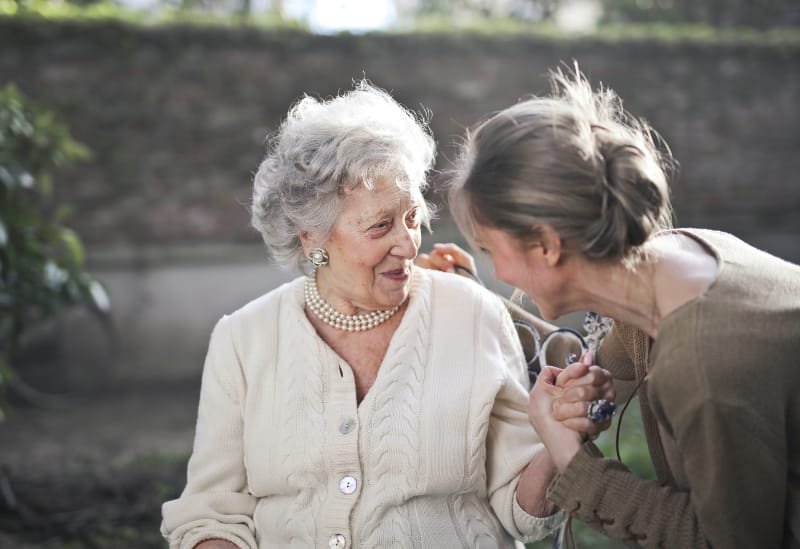
Gift-giving can sometimes be tricky if you have a loved one who lives with dementia or Alzheimer’s disease. But there is an abundance of gifts out there for you to choose from. There are gifts to help make life easier. Gifts to indulge to inspire. Gifts to help unwind. And so many more. Start here with these 8 great gift ideas for someone with dementia.
#1. Alexa
Setting your loved one up with Alexa in the home can be a wonderful gift. They can use voice activation to ask for the date and time, play music or the news, or look up any kind of information. Alexa can be very helpful to Alzheimer’s and dementia patients.
#2. Special pajamas or robes
Opt for comfortable, soft fabrics in their favorite color. Elastic or velcro may be a good choice, as more complex fasteners can become difficult as dementia or Alzeheimer’s disease progress.
#3. Memory photo phone
This corded telephone has 10 buttons and space for pictures next to each so your loved one can push a single button and know exactly who they’re calling. This is a good option for older people who are not tech savvy and may have trouble dialing.
#4. Coloring books
Creativity helps improve brain function. Choosing colors and deciding where to put the colors requires sustained creativity, which makes it a great brain-boosting activity. Coloring also improves concentration and releases mood-enhancing endorphins, making it a great option for people with dementia—and everyone else, too.
#5. Photo book
Creating a photo book of your loved one’s life, loves, and travels is a wonderfully personal gift that they’ll enjoy every time they open it. Having pictures of family and friends around can be especially helpful to people with dementia and Alzheimers. And these days, it’s easy to scan and digitize photos so you can make a bound book that looks professional.
#6. Bird feeder
Nature is always fun to observe. Give your senior a bird feeder and hang it outside a window where they can watch the birds come and go.
#7. Perfume or cologne
Scent carries so much memory. If you know the cologne your father wore to his wedding or the perfume your mother wore when she the danced nights away at Studio 54, the gift of nostalgia may release a flood of wonderful memories and stories.
#8. Treats and goodies
As we age, our taste buds decrease significantly. Some types of foods begin to taste bland, but our sweet taste buds tend to remain active. If your loved one has a favorite type of cookie or a special treat they’ve mentioned when recounting stories of their travels, it could be a wonderful gift to enjoy in the moment.
Dementia Care Center in San Diego at Bella Vista Health Center
If your loved one needs dementia care, we can help. At Bella Vista, our in-house occupational therapists are highly skilled and compassionate providers who create customized treatment plans designed to help people living with dementia maximize their strengths and adapt to the changes they’re experiencing. For more information on our Dementia Care Program, please give us a call at (619) 399-7920 today.

How Can Dementia Patients Reduce Stress?
Living with dementia can exacerbate stress, which adds to the confusion. Take a look at these 7 ways people with dementia can reduce stress.

Stress and anxiety are challenging for everyone, but living with dementia exacerbates the stress, which adds to the confusion associated with dementia, and in turn, increases the stress level even more. If you are living with dementia and find yourself agitated, lashing out, or shutting down, it could be the result of stress. The good news is that there are some simple ways to reduce stress, improve your mood, and maximize your quality of life. Take a look at these 7 ways people with dementia can reduce stress.
1. Identify stress triggers
Once you’ve acknowledged the signs and symptoms of stress, you can begin to identify what causes it. The stress triggers are different for everyone. They could be the 24-hour news cycle, loud restaurants, hunger, or even a specific person in your life. It may take some time to identify the exact triggers of your stress, but once you do, you can take steps to avoid them and thereby decrease your stress level.
2. Create a soothing station
Stress is a part of everyday life. Even when you make steps to avoid major stressors, it’s likely that some stress will crop up from time to time. Whether it’s news, traffic, technology or family conflicts that trigger you, it’s important to have strategies for managing the stress. A soothing station is a place you can go in your home to soothe yourself. It can be a special corner of your bedroom where you can sit in your favorite chair, sip tea, and do crossword puzzles, or a whole room dedicated to painting, as long as it’s a place that’s just for you and that helps you feel relaxed and calm.
3. Daily structure and routine
For people with dementia, daily structure goes a long way toward reducing stress and anxiety. If you eat your meals at regular intervals and go to bed and wake up at the same time every day, you can ensure that you’re getting sufficient food and sleep, both of which will help keep your stress hormones at a healthy level. The routine will also help provide you with a sense of familiarity, control, and independence on a daily basis. Writing down your routine will help you as well as any family members or caregivers who may want to step in and give you a hand.
4. Healthy diet
Maintaining a healthy diet is crucial for brain function and mental wellness. Eating a well-balanced nutritious diet helps the body work efficiently, provides energy and stamina, and may even slow the rate of cognitive decline. Additionally, eating too little or eating a diet high in sugar can raise your cortisol levels, which increases stress.
5. Physical activity
Exercise is one of the best stress reduction strategies there are. It helps to reduce stress hormones and elevate feel-good hormones, resulting in an overall feeling of energy and wellness. Exercise has been proven to help stabilize mood, improve sleep, self-esteem, and enhance cognitive function. It provides the added bonus of helping you sleep better. An exercise program adopted in the early stages of dementia is more likely to be maintained as the condition progresses. Making it part of your regular routine can also help ensure that exercise continues for years to come.
6. Music
The right music can be soothing, relaxing, and de-stressing, but you don’t want to have to go searching for it when you’re feeling stressed. Whether you listen to your music digitally, on a record player, or on a favorite radio station, you can create a playlist, set aside a special stack of records, or program a station ahead of time so your music is there when you feel agitated or out-of-sorts. If you have a special “De-stressor Strategies” list attached to your refrigerator to remind you of the playlist, radio station, or selection of records, you’ll know just where to look when you need some music to help you relax.
7. Simple household tasks
Sometimes, just folding the laundry is the perfect way to give your brain a break from everyday stressors. Folding laundry and other simple household chores like sweeping the floor or dusting the shelves can help to focus your attention without asking your brain to do anything complex. Easy chores can be quite meditative, allowing you some time to de-stress and wind down.
If you or someone you love is struggling with dementia, you may benefit from dementia occupational therapy at Bella Vista Health Center.
Occupational therapy for dementia in San Diego | Bella Vista
The goals of the Occupational Therapy program for dementia at our 5-star skilled nursing facility at Bella Vista is to address the challenges that interfere with a patient’s ability to perform the tasks of daily living and to create a treatment plan designed to help overcome them. When working with dementia patients, our occupational therapists provide exercises aimed at improving function, supporting healthy habits and routines, maintaining strength, and enriching the life of the individual. The tools our therapists provide also include stress-reduction strategies, so you or your loved one can return to a safe, calm, and comfortable independent life as quickly as possible.

These 10 Signs May Indicate Mental Illness in the Elderly
It’s important for us to know how to spot signs of mental illness in the elderly. Here are 10 signs that may point to mental health problems in seniors.

According to the Center for Disease Control and Prevention (CDC), 20% of adults over the age of 50 experience issues with their mental health. The most common concerns include anxiety, depression and other mood disorders, and severe cognitive impairment. Mental health issues not only cause mental and emotional suffering, but they can also make it difficult to manage physical health conditions. Effective treatment is available for mental health disorders, and it can improve the symptoms as well as the person’s overall health and quality of life.
Unfortunately, mental illness is underdiagnosed in seniors, and many mental health problems go untreated. What’s more, mental illness increases the risk of suicide, which older adults are already vulnerable to. You may be surprised to hear that although seniors account for 12% of the population, they make up 18% of suicides.
It’s important for all of us to know how to spot signs of mental illness in the elderly so we can help them get the support they need to relieve their symptoms and improve their quality of life. Take a look at the following 10 signs that may point to mental health problems in seniors.
1. Social isolation
Withdrawal from social activities may be a sign of depression or other mental health issues.
2. Appetite changes
Increased or decreased appetite or sudden weight loss or gain may point to an underlying mental health problem.
3. Confusion or disorientation
Although most people assume confusion or disorientation in the elderly is a sign of dementia, it can also be a sign of major depression or psychosis.
4. Unexplained physical symptoms
Muscle tension and pain, sweating and shaking, digestive upsets, and changes in bowel habits could be physical manifestations of mental health problems.
5. Depressed mood that lasts longer than 2 weeks
Sadness, low mood, lethargy, or other depressive symptoms that last 2 weeks or more could point to a serious mood disorder.
6. Changes in personal hygiene
People with mental health issues sometimes lose the energy to bathe, change their clothes or brush their teeth. Others may suddenly become obsessive about staying clean, and may tend to these personal hygiene tasks excessively.
7. Loss of interest in activities
When a person begins to lose interest in activities they once found pleasurable, it may be a sign of depression or other mental health issues.
8. Substance misuse
Often, people with mental health problems increase their consumption of alcohol or other substances, including unhealthy foods, in order to cope with their symptoms.
9. Sleep changes
Sudden sleep changes, such as excessive sleeping or difficulty sleeping, may be a sign of a mental health disorder.
10. Feelings of despair, worthlessness, or inappropriate guilt
Depression and other mood disorders often lead to feelings of despair, worthlessness, sorrow, emptiness, or inappropriate guilt.
Many people mistakenly believe that depression is a normal part of aging. Although it’s not true, older adults are susceptible to depression and other mental health disorders for a number of reasons, including: the grief and loss of loved ones, chronic health conditions, or limited functioning that often accompany aging. The right diagnosis and the appropriate treatment can make all the difference in a senior’s life. If you or someone you love is showing signs of mental health problems, contact a mental health provider and ask for help today.
We’re committed to the mental and physical health of our patients
At Bella Vista Health Center, we take mental health seriously. Our team is committed to the overall wellbeing of everyone who comes through our doors. If you’re looking for a 5-Star skilled nursing facility that provides exceptional rehabilitative care in a compassionate environment, we’re here for you. Give us a call at (619) 644-1000 today.


6 Brain Exercises to Help Keep You Mentally Sharp
Here are 6 brain exercises to help keep you mentally sharp. These are so fun and sociable that you’re likely to forget they’re exercises at all!

When you think of brain exercise, do you think of hard work and intense concentration or do you think of creative play? While there are plenty of intense ways to exercise your brain, there are also countless fun, sociable, meditative, and pleasant activities that can help keep you mentally sharp. Take a look below at the following 6 brain exercises that you’re likely to enjoy so much you forget they’re exercises at all.
1. The Alphabet Game
Choose a theme, such as dog breeds, vegetables, or songs. Name one that begins with the letter A, then move on to the letter B, then C, and so on. This can be done alone or alternating with another player. This game improves not only memory capacity but also other brain functions such as attention and concentration.
2. Spot it!
Each of the 55 cards in this round deck contains 8 images of varying size and color. Every card has at least one match to every other card. All variations of the games played with this deck involve quickly searching for matching images before any of your opponents get to them first. Spot It! improves processing speed, reaction time, and visual recognition skills. It is best played in groups of three or more.
3. Crossword puzzles
Crossword puzzles improve memory, focus, and executive functioning. They also help delay the onset of dementia by 2.5 years or more and slow the build-up of amyloid plaque, which causes Alzheimer’s symptoms. When your crosswords puzzles become too easy, they don’t help the brain as much, but increasing the difficulty level will help provide the needed boost your brain needs to stay sharp.
4. Word search puzzles
Although they seem simple, word search puzzles provide a great brain exercise. The player holds in their mind the individual word’s length and spelling while also searching for the letter clues that lead to its hidden location in the puzzle. Word search puzzles help sharpen reasoning skills, retain and enhance cognitive skills, hone visual and spatial acuity, and help delay the onset of neurological disorders such as dementia and Alzheimer’s disease. They also help to boost dopamine, the feel-good hormone. As with crossword puzzles, it’s important to level up when the word searches become easy in order to receive the maximum brain boosting benefits.
5. Jigsaw puzzles
Jigsaw puzzles are a fun way to unwind and let go of the day’s stresses. As meditative as they are, however, they are also a wonderful exercise for the brain. Jigsaw puzzles engage both the logical and the creative sides of the brain. They improve problem-solving skills, attention span, visual-spatial reasoning, mental speed, and short-term memory. Jigsaw puzzles allow for quiet contemplation when done alone or social connection when done collaboratively with others.
6. The Suitcase Game
Another fun game done with a group of people, the Suitcase Game begins with one person naming an item they’re going to pack in their suitcase for a fantasy vacation. For example, “I’m going to pack socks.” The next person repeats what the first person said and then adds their own item. “I’m going to pack socks and a swimsuit.” The next person and the next repeat what’s been said before and then add their own items. The Suitcase Game is a great game that involves active listening, short-term memory retention, and quick creative decision-making. It’s also a great way to connect socially with others.
Dementia Care at Bella Vista Health Center in Lemon Grove, CA
If you or someone you love is showing signs of dementia, they may benefit from a stay in our dementia care center, where occupational therapists help address the challenges that interfere with a patient’s ability to perform daily tasks and provide a treatment plan to overcome them. They’ll provide exercises and adaptive equipment aimed at maximizing functional independence and quality of life. Our goal is to provide patients with a safe, nurturing environment and customized rehabilitation programs that help patients return to independent living as soon as possible. For more information on our 5-Star skilled nursing facility and the rehabilitative services we offer, please give us a call at (619) 644-1000 today.

How To Care For Someone With Dementia
You can improve your loved one’s quality of life through meaningful interactions and compassionate care. Here are some dementia care strategies to help you deal with challenges as they arise.
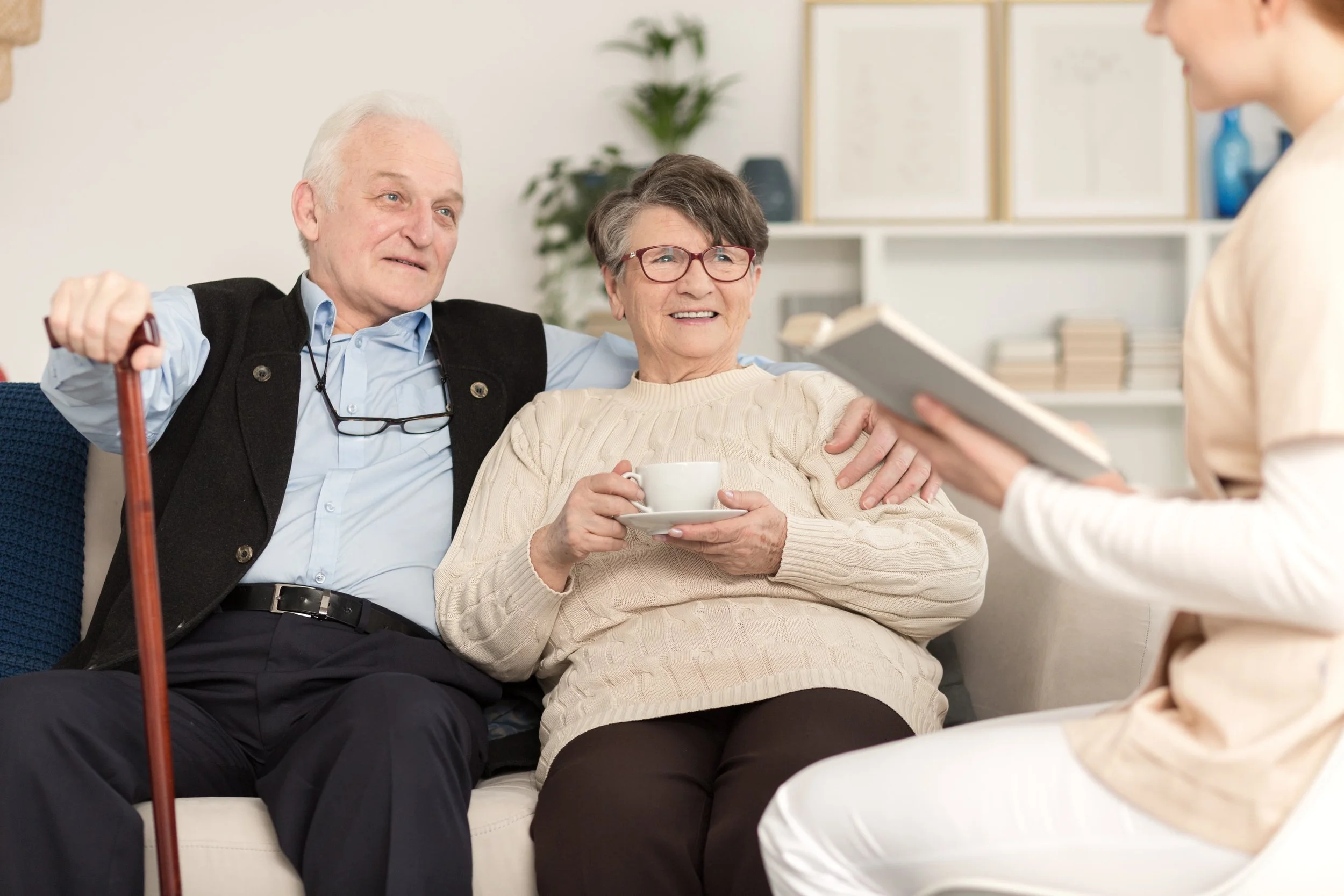
The coronavirus pandemic has upended our lives in numerous ways. Devastating losses and drastic changes in our everyday lives and recreational activities have resulted in high levels of stress for people all over the globe. If you’re a caregiver for someone with dementia, chances are, the pandemic has compounded your stresses. Not only do you have the added anxieties of caring for someone who is more vulnerable to the virus, but you may also find yourself with additional responsibilities that were once shared by visiting service workers and family members. Although the global pandemic is out of your control, there are some things you can do to help loved one cope with the changes.
Establish a daily routine
Routine is crucial for people with dementia. Daily structure provides familiarity and gives the individual a sense of control and independence, reducing stress and anxiety. If you can help your loved one establish a routine with their waking and sleep times, bathing and meal times, and activity and rest times, it will go a long way toward providing them with a greater sense of peace.
Create a soothing and engaging environment
People with dementia are sensitive to their environment. Overstimulation can cause them to become agitated and increasingly confused. On the other hand, a lack of stimulation can result in depression and lethargy. It’s important to create a dementia-friendly environment. Here are some ideas:
Use soft, filtered lighting instead of harsh overhead lights
Avoid loud noises and decrease excessive background sounds
Play music at moderate levels to soothe without interfering with thought processes
Remove clutter so useful items are easy to find
Keep useful items in their designated spaces
Label cabinets with what’s inside
Decorate with soothing colors
Keep the temperature comfortable
Keep doors open and rooms easy to navigate
Display a few familiar items such as family photos
Create cozy corners and activity areas that invite engagement
A calm, predictable environment will support your loved one’s independence with their daily routines.
Help with social distancing and personal hygiene
It’s important to remember that dementia affects short-term memory first. The changes brought on by the coronavirus pandemic may still feel new for people with dementia.
Your loved one may need to be reminded to practice social distancing, wash their hands thoroughly, and wear a mask. The more you can embed reminders into the daily routine and the environment, the more familiar he or she will become with these protective measures. Try putting a bottle of hand sanitizer next to their favorite chair and a clean mask on the console table next to the front door. This will help your loved one remember to use these items regularly. Be sure to lead by example and provide gentle reminders when necessary.
Try delivery services
If you’re caring for someone with dementia, especially during the pandemic, you can use all the help you can get. Grocery delivery services can save you time and frustration as well as limiting your loved one’s contact with others who may carry the virus. You also have the option of different food delivery services that can provide you with everything from restaurant meals to freshly made foods customized to specialty diets. If your loved one likes to cook, you may want to try meal delivery services that provide exact amounts of each ingredient necessary to create delicious recipes.
Take advantage of online services
One thing that has changed for the better during the COVID-19 pandemic is our ability to socialize with people who are far away and participate in activities without the risk of contracting the virus. Virtual church services, telehealth services, family game nights on Zoom, and live online entertainment such as dance and musical performances can all be wonderful ways to help your loved one stay engaged and socially stimulated. Whether he or she plays chess, enjoys book clubs, or loves Zumba dancing, you’ll find any number of online services and activities that bring them pleasure.
Bella Vista Health Center is here for you
If your loved one needs dementia care in San Diego than you can manage on your own, it’s ok to reach out for help. At Bella Vista Health Center, our in-house occupational therapists are highly skilled and compassionate providers who can help your loved one with demental maximize their strengths and adapt to changes in healthy ways so that they can thrive during these troubling times.
Call (619) 644-1000 to partner with us in helping your loved one live their best life.

Risk Factors for Dementia | What You Should Know
Dementia can affect memory, communication, focus, reasoning, and visual perception, and the symptoms gradually get worse over time. Here’s what you should know about dementia.

Dementia is an umbrella term that encompasses a range of conditions associated with mental decline severe enough to interfere with a person’s daily life. Alzheimer’s disease is the most common type of dementia, followed by vascular
dementia, which occurs after a stroke. Some types of dementia are irreversible, while others, such as those caused by thyroid problems and vitamin deficiencies, can be reversed.
Many people believe dementia is a normal part of aging. This is not true. While
dementia is more common in people over age 65, it is not a normal symptom of
getting older. Dementia can affect memory, communication, focus, reasoning, and
visual perception, and the symptoms gradually get worse over time. While the
causes of dementia are not always known, there are some risk factors to be aware
of.
Risk factors for dementia
Age is the greatest risk factor for developing dementia. Genetics play a role, too.
While there’s nothing we can do to change our DNA or stop time, there are a number
of modifiable risk factors that we can do something about in order to lower the
likelihood of developing Alzheimer’s disease and other types of dementia. Take a
look below at some of the major risk factors, and talk to your doctor about how to
keep your brain as healthy as possible for as long as you can.
Cardiovascular disease
The vascular system is comprised of the heart and the blood vessels that supply blood to the brain. When this system is compromised, the brain suffers and the risk of dementia increases. Living a heart healthy lifestyle can reduce your likelihood of developing dementia.
Physical inactivity and obesity
Just 10 or 20 minutes a day of walking can significantly decrease the risk for developing dementia. Walking improves cerebral blood flow and lowers the risk of cardiovascular disease, another risk factor for dementia.
Diabetes
Type 2 diabetes is associated with obesity and lack of exercise. It raises
the risk of heart disease and stroke, which damage the blood vessels. It also causes
an imbalance in essential chemicals that the brain needs for optimal functioning.
Studies have shown that adults with Type 2 diabetes are at risk of later developing
dementia.
Sleep disorders
Sleep apnea, insomnia, and other disorders that affect the duration and quality of sleep can, if left untreated, have a lasting effect on the brain. People who suffer from sleep apnea in particular are two to three times more likely to develop Alzheimer’s disease than those who don’t. Talk to your doctor if you’re
not sleeping well.
Depression
Researchers found that depressed older adults were more than twice as likely to develop vascular dementia and 65% more likely to develop Alzheimer’s than people of the same age who did not suffer from depression. If you suffer from depression, treatment is available.
Head injury
Not every head injury leads to an elevated risk of developing dementia, but research does point toward links between moderate, severe, and repeated traumatic brain injuries. Seniors over age 75 have the highest rate of traumatic brain injury related hospitalization due to falls. Injury prevention is an important part of maintaining optimal health in advanced age.
Drug and alcohol consumption
Drugs and alcohol kill brain cells at a faster rate than aging does. One study showed that mid-life binge drinkers are three times more likely to have dementia by age 65 than those who did not binge drink.
Smoking
Cigarette smoking negatively affects many different parts of our bodies, and it should come as no surprise that this includes the brain. Not only are the chemical toxins in cigarettes harmful, but smoking can also cause cerebrovascular disease, which leads to stroke and further damage to blood vessels. Smokers are also more likely to have sleep apnea, another risk factor for dementia.
Recovery and rehabilitation at Bella Vista Health Center
Cardiovascular health is crucial for maintaining optimal brain health. If you or someone you love has recently suffered from a heart attack or a stroke, our cardiac and stroke rehabilitation programs can help you recover, regain independence, and lower your risk of developing dementia and other complications. For more
information on our cardiac rehab, stroke rehab, pulmonary rehab, or other programs and services, drop by our 5-star skilled nursing facility in Lemon Grove today or give us a call at (619) 644-1000.