

Bella Vista Health Center Blog


Recovering from Pneumonia | What to Expect
Pneumonia recovery can be a difficult time, and we’re dedicated to providing high quality medical care in a supportive and healing environment so you can heal and return home in good health. learn more here about recovering from pneumonia and what to expect.
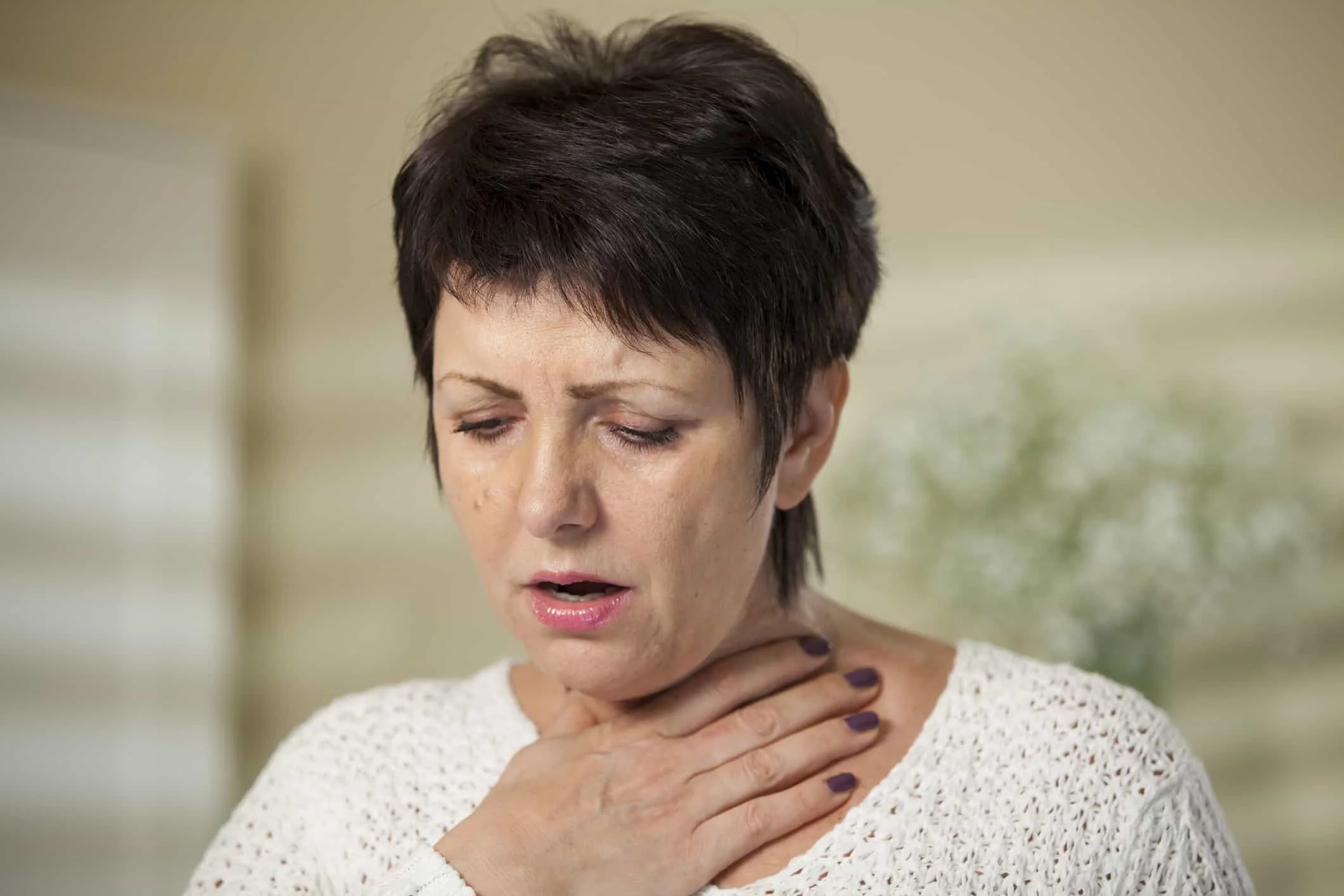
Pneumonia Occupational Therapy at Bella Vista Health Center
Many people recovering from pneumonia continue to feel exhaustion and general fatigue for weeks afterward, which affects their ability to perform simple tasks and live independently at home. Occupational therapy places a unique and immediate focus on a patient’s functional and social needs, decreasing the likelihood of hospital readmission.
As part of the overall rehabilitation process, patients recovering from pneumonia receive occupational therapy to help them perform daily tasks such as:
Bathing
Dressing
Grooming
Dental hygiene
Eating
Using the restroom
Opening medication containers
Occupational therapists are equipped to assess cognition and physical ability to determine whether sufficient progress has been made for the patient to return to full independence, or if they require additional rehabilitation or nursing care. Therapists will also consider concurrent disabilities that require assistive devices, if necessary, and incorporate the devices in therapy modules.
How long does it take for lungs to heal from pneumonia?
The severity and recovery time for pneumonia is different for everyone, but it can take anywhere from one week to six months. Pneumonia takes a toll on the immune system, and the longer it sticks around, the higher the risk of complications with pre-existing conditions—and the development of new ones. As your body’s immune system works hard to fight the infection in the lungs, it diverts energy away from other conditions, further complicating the recovery process. People in good health tend to recover from pneumonia more quickly than those with medical underlying medical conditions.
Do you ever fully recover from pneumonia?
Most people do recover fully, but even when pneumonia treatment is successful, it can result in long-term consequences. As people age, their immune systems weaken, leaving them more vulnerable to lung-related conditions that can develop into pneumonia. In older adults, long-term consequences of pneumonia may include cognitive decline, cardiovascular disease, and decreases in kidney function. Additionally, older adults are more likely to have chronic conditions that put them at risk for malnutrition, which can hinder the recovery process. Proper nutrition is an important part of recovering from any injury or illness, including pneumonia. The quality of care an individual receives while recovering from pneumonia can have a significant impact on their recovery.
How to regain strength after pneumonia
Pneumonia weakens both the immune system and the structures of the respiratory system, often making recovery a long, slow process. In most cases, with ample rest and proper nutrition, the immune system will recover in its own time, and strength will return to the body. In order to help this process along and restore strength after pneumonia, it’s important to:
Take it easy
Nap often
Drink plenty of water
Take all prescribed medications, including the full cycle of antibiotics
Avoid cough suppressants (allow yourself to cough it out)
Eat healthy, immune-boosting foods:
Citrus fruits for high doses of vitamin C
Leafy green vegetables to fight inflammation
Apples to reduce lung function decline
Beets for the nitrates that relax blood vessels and optimize oxygen intake
Green tea for antioxidant and inflammatory properties
Lean proteins to promote healthy red blood cell production
Pumpkin for the healthy levels of beta-carotene and alpha-carotene, which are associated with greater lung function
Practice breathing exercises
Pursed-lip breathing
Belly breathing
Check with your doctor before resuming an exercise routine
Participate in a pulmonary rehabilitation or respiratory therapy program if needed
Pulmonary rehabilitation and respiratory therapy are highly effective for recovering lung function after pneumonia.
Rehabilitation After Pneumonia
Doctors typically recommend that patients get plenty of rest when recovering from pneumonia, but too much rest can lead to a decline in mobility and difficulty performing daily tasks. According to studies, early rehabilitation after pneumonia is associated with improved clinical outcomes, especially for geriatric patients.
In addition to occupational therapy, pulmonary rehabilitation and respiratory therapy helps patients achieve and maintain high levels of independence and functionality. Pulmonary rehabilitation involves a range of therapies aimed at:
Building strength and endurance
Reducing shortness of breath
Learning modifications for exercise
Optimizing nutritional health
Supporting mental health
Pulmonary rehabilitation after pneumonia often includes some combination of exercise training, breathing techniques, and other therapies and strategies to help ease breathing difficulties and improve functioning.
A skilled nursing facility offers safety and comfort
If you’ve been hospitalized from pneumonia, it’s important to understand that release from the hospital only means you’re no longer in critical condition; it does not mean you have recovered. In fact, as mentioned above, it could be weeks or even months before you regain your strength and feel like yourself again. Transitioning into a skilled nursing facility between the hospital and home ensures that you get the care you need while you recover in a safe, nurturing environment.
Pneumonia recovery at Bella Vista
At Bella Vista Health Center in Lemon Grove, we know that pneumonia recovery can be a difficult time, and we’re dedicated to providing high quality medical care in a supportive and healing environment so you can heal and return home in good health.
Our respiratory therapists, physicians, nurses, and other team members will work together to create a comprehensive treatment plan designed to help you regain your strength, breathe more easily, and achieve optimal wellness. In addition to 24/7 skilled nursing care by the compassionate staff at our 5-star facility, you’ll also receive nutritional meals that support your body’s healing process.
Give us a call at (619) 644-1000, and let’s start working together to help you achieve full recovery from pneumonia today.


Risk Factors for Dementia | What You Should Know
Dementia can affect memory, communication, focus, reasoning, and visual perception, and the symptoms gradually get worse over time. Here’s what you should know about dementia.

Dementia is an umbrella term that encompasses a range of conditions associated with mental decline severe enough to interfere with a person’s daily life. Alzheimer’s disease is the most common type of dementia, followed by vascular
dementia, which occurs after a stroke. Some types of dementia are irreversible, while others, such as those caused by thyroid problems and vitamin deficiencies, can be reversed.
Many people believe dementia is a normal part of aging. This is not true. While
dementia is more common in people over age 65, it is not a normal symptom of
getting older. Dementia can affect memory, communication, focus, reasoning, and
visual perception, and the symptoms gradually get worse over time. While the
causes of dementia are not always known, there are some risk factors to be aware
of.
Risk factors for dementia
Age is the greatest risk factor for developing dementia. Genetics play a role, too.
While there’s nothing we can do to change our DNA or stop time, there are a number
of modifiable risk factors that we can do something about in order to lower the
likelihood of developing Alzheimer’s disease and other types of dementia. Take a
look below at some of the major risk factors, and talk to your doctor about how to
keep your brain as healthy as possible for as long as you can.
Cardiovascular disease
The vascular system is comprised of the heart and the blood vessels that supply blood to the brain. When this system is compromised, the brain suffers and the risk of dementia increases. Living a heart healthy lifestyle can reduce your likelihood of developing dementia.
Physical inactivity and obesity
Just 10 or 20 minutes a day of walking can significantly decrease the risk for developing dementia. Walking improves cerebral blood flow and lowers the risk of cardiovascular disease, another risk factor for dementia.
Diabetes
Type 2 diabetes is associated with obesity and lack of exercise. It raises
the risk of heart disease and stroke, which damage the blood vessels. It also causes
an imbalance in essential chemicals that the brain needs for optimal functioning.
Studies have shown that adults with Type 2 diabetes are at risk of later developing
dementia.
Sleep disorders
Sleep apnea, insomnia, and other disorders that affect the duration and quality of sleep can, if left untreated, have a lasting effect on the brain. People who suffer from sleep apnea in particular are two to three times more likely to develop Alzheimer’s disease than those who don’t. Talk to your doctor if you’re
not sleeping well.
Depression
Researchers found that depressed older adults were more than twice as likely to develop vascular dementia and 65% more likely to develop Alzheimer’s than people of the same age who did not suffer from depression. If you suffer from depression, treatment is available.
Head injury
Not every head injury leads to an elevated risk of developing dementia, but research does point toward links between moderate, severe, and repeated traumatic brain injuries. Seniors over age 75 have the highest rate of traumatic brain injury related hospitalization due to falls. Injury prevention is an important part of maintaining optimal health in advanced age.
Drug and alcohol consumption
Drugs and alcohol kill brain cells at a faster rate than aging does. One study showed that mid-life binge drinkers are three times more likely to have dementia by age 65 than those who did not binge drink.
Smoking
Cigarette smoking negatively affects many different parts of our bodies, and it should come as no surprise that this includes the brain. Not only are the chemical toxins in cigarettes harmful, but smoking can also cause cerebrovascular disease, which leads to stroke and further damage to blood vessels. Smokers are also more likely to have sleep apnea, another risk factor for dementia.
Recovery and rehabilitation at Bella Vista Health Center
Cardiovascular health is crucial for maintaining optimal brain health. If you or someone you love has recently suffered from a heart attack or a stroke, our cardiac and stroke rehabilitation programs can help you recover, regain independence, and lower your risk of developing dementia and other complications. For more
information on our cardiac rehab, stroke rehab, pulmonary rehab, or other programs and services, drop by our 5-star skilled nursing facility in Lemon Grove today or give us a call at (619) 644-1000.


What is the goal of pulmonary rehabilitation?
Pulmonary rehab helps to provide relief for those with lung conditions such as chronic obstructive pulmonary disease, congestive heart failure, emphysema, lung cancer, asthma, and cystic fibrosis.

Breathing is something most of us don’t have to think about doing, but for people suffering from chronic respiratory disease, breathing is a challenge that can impact every area of their life. Through clinical management and maintenance of respiratory dysfunction, pulmonary rehabilitation is especially beneficial for patients whose symptoms continue despite standard medical treatment.
Pulmonary rehab helps to provide relief for those with lung conditions such as chronic obstructive pulmonary disease (COPD), congestive heart failure, emphysema, lung cancer, asthma, and cystic fibrosis. It is also of great benefit for patients preparing for or recovering from lung surgery.
As with many type of medical therapies—including physical and occupational rehab—pulmonary rehabilitation works toward specific goals, with exercises and treatments that can be customized based on individual diagnoses and needs. Most pulmonary rehab treatment programs aim to achieve one or more of the following:
Reduce symptoms
Shortness of breath and other common symptoms of chronic respiratory conditions can severely reduce a patient’s ability to function as well as their overall quality of life. Through exercise training, nutritional counseling, energy-conserving techniques, and breathing strategies, a multidisciplinary team of health care professionals help patients achieve and maintain their maximum level of independence and functioning at home and in the community.
Prevent complications
If left unaddressed, symptoms of chronic respiratory conditions can worsen and lead to severe medical conditions, including muscle dysfunction, cardiac impairment, skeletal disease, and sensory defects. Complications of pulmonary diseases can lower the effectiveness of existing medications, lead to frequent hospitalizations, and result in anxiety and depression. Patients who participate in pulmonary rehab before symptoms worsen have a better chance of avoiding these complications and maintaining optimal health.
Improve functions of daily life
Many patients with chronic lung conditions have difficulty performing daily activities due to shortness of breath and other symptoms. Pulmonary rehab techniques help maximize lung strength and endurance, making it easier for patients to perform the tasks of daily living and maintain their independence. Pulmonary rehabilitation can also increase a patient’s ability to exercise and participate in social activities, leading to better health and a higher quality of life.
Promote education and support
Pulmonary rehabilitation can last as long as individual patients require, but it is ultimately a temporary program. In order to achieve and maintain optimal health, patients must continue to participate in their recovery at home. Any quality pulmonary rehab program will include disease education and management suggestions—for patients and family members—as well as support group recommendations for patients following treatment.
Patient-centered pulmonary rehab at Bella Vista Health Center
Every person with a chronic respiratory condition is different, so there’s no reason why pulmonary rehab treatments should be the same. At Bella Vista Health Center, our respiratory therapists work with physicians, nurses, dieticians, and other health professionals to coordinate a comprehensive care strategy customized to each patient’s needs. If you’re looking for pulmonary rehab centers in the San Diego area for yourself or a loved one, Bella Vista offers a compassionate, patient-centered approach to pulmonary rehabilitation. For more information or a tour of our 5-Star Skilled Nursing Facility, give us a call at (619) 644-1000 or fill out our contact form today.

What Happens In A Respiratory Therapy Program?
If you’re struggling to catch your breath, it can be difficult to live the life you want to live. The good news is that a respiratory therapy program can help strengthen your lungs and improve your quality of life.

Breath is life. From the moment we’re born, our lungs work hard to supply our bodies with the health-giving oxygen we need to survive. As the years go by, all that hard work can sometimes take its toll. The older we get, the higher our chances are of developing a breathing problem. If you’re struggling to catch your breath, it can be difficult to live the life you want to live. The good news is that respiratory and pulmonary rehabilitation programs can help strengthen your lungs and improve your quality of life.
When would I need to see a respiratory therapist?
A number of different illnesses or afflictions can negatively impact your ability to breathe. Some common conditions that might cause a person to seek out a respiratory therapy program are:
Chronic Obstructive Pulmonary Disease (COPD)
Lung surgery
Pneumonia
Congestive heart failure
Asthma
Before you begin a course of treatment, a skilled respiratory therapist will perform a full assessment of your health, including taking a full medical history and evaluating your symptoms. Once your diagnosis is complete, therapy can begin.
What are the treatments used in respiratory therapy?
No two respiratory therapy programs will look the same, as each course of treatment is tailored to an individual patient’s medical needs. Your program may include any of the following therapies:
Chest physiotherapy
Also known as chest physical therapy, CPT is a method of clearing the lungs of mucus using clapping and vibration.
Incentive spirometry
An incentive spirometer is a device that helps you practice taking slow, deep breaths. These exercises can improve your lung capacity and open up your airways.
Aerosol treatments
Commonly known as compressors or nebulizers, aerosol treatments convert liquid medication into a fine mist that can be inhaled. Delivering medication directly to the lungs in this manner can help fight infection, reduce wheezing, and make breathing easier.
Oxygen administration
Supplemental oxygen can be given to patients who are showing signs of respiratory distress. When needed, respiratory therapists can also provide mechanical ventilation.
How long does a respiratory therapy program last?
Some programs last a few weeks, while others require lifestyle changes to accommodate more permanent treatments. For those who have chronic breathing problems, pulmonary rehabilitation can help you learn to manage your symptoms and improve your ability to function in day-to-day life.
Some features of a pulmonary rehabilitation program are:
Exercise training
Maintaining physical fitness and building endurance is crucial to pulmonary health. A skilled respiratory therapist will design an exercise program to fit your needs.
Nutritional counseling
Nourishing your body with healthy food is important for your overall wellbeing. Additionally, being overweight or underweight can significantly impact your ability to breathe and make an existing lung problem even worse.
Emotional support
Having a chronic breathing condition can make you prone to depression or anxiety. A reputable pulmonary rehabilitation program will provide you with a support system to help you manage your stress and frustration.
Education
Learning all you can about your condition, your medication, and how to alleviate symptoms empowers you to lead an independent life without being burdened by breathing problems.
Where can I find pulmonary therapy near me?
Bella Vista Health Center offers respiratory therapy and pulmonary rehabilitation programs in San Diego. We have experience treating patients with all manner of chronic lung conditions, those who are preparing for or recovering from lung surgery, and those who are suffering from an acute respiratory illness. Our 5-star skilled nursing facility has been recently remodeled, ensuring a safe, comfortable, and caring environment for our patients.
If you’re struggling with a breathing problem, Bella Vista Health Center can help. Call us at (619) 644-1000 and find out more about our respiratory services.

What Happens When You Have Pneumonia?
As we advance in age, we become vulnerable to health challenges that didn’t concern us in our younger years.
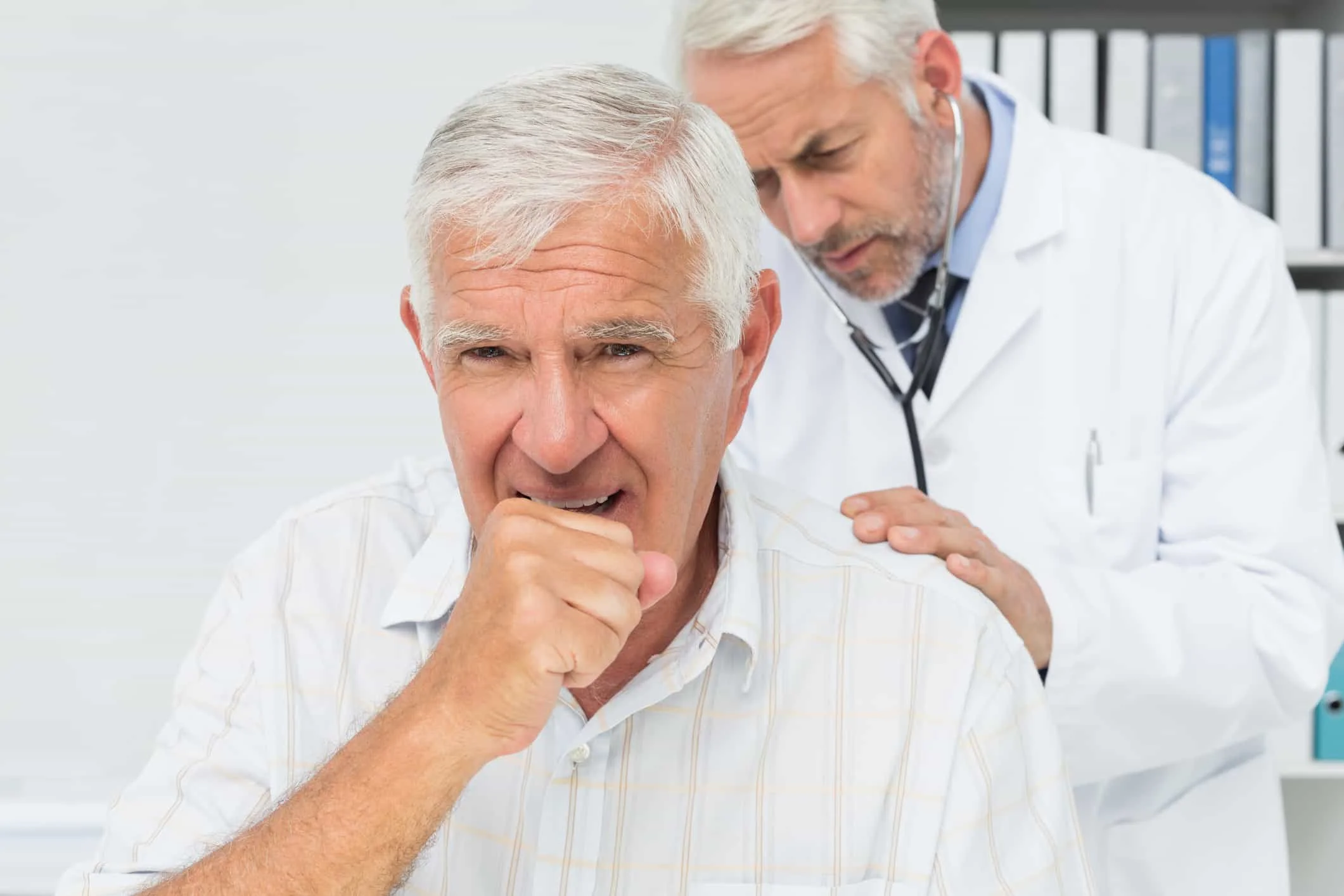
As we advance in age, we become vulnerable to health challenges that didn’t concern us in our younger years. Alzheimer’s disease, cancer, and heart disease are all major health issues that disproportionately affect people over 65. Seniors are also vulnerable to respiratory illnesses that increase their risk of contracting pneumonia. To make matters worse, pneumonia-associated deaths are the 4th leading cause of death in elderly people. Fortunately, pneumonia is treatable, and the sooner treatment is sought, the higher the chance of a full recovery.
What is pneumonia?
Pneumonia is a lung infection most commonly caused by bacteria, fungi, or viruses. Anyone can get it, but the very young, the elderly, and those with chronic lung conditions have the highest risk. Other risk factors include smoking, a recent respiratory infection (cold or flu), recent surgery or trauma, and a weakened immune system. The symptoms of pneumonia vary depending on whether it is bacterial or viral, but some common symptoms include:
- Cough (often with mucous)
- Fever
- Chest pain
- Loss of appetite
- Fatigue
- Confusion (particularly in the elderly)
- Profuse sweating
- Breathlessness
- Headache
- Muscle pain
- Bluish color to lips or nail beds
Recovery from pneumonia is generally 1 to 3 weeks, but it can be life threatening, so it’s crucial to seek a diagnosis and pneumonia treatment from a doctor as soon as possible. Through physical examination, chest X-ray, blood work, CT scans, and other tests, your doctor will be able to help determine what kind of pneumonia you have and get you started on treatment right away.
What happens when you have pneumonia?
Once a doctor has diagnosed pneumonia, the goal is to cure the infection. In many cases, this can be done at home with proper rest, plenty of fluids, antibiotics, and medication to fight the fever, such as aspirin or ibuprofen. But because pneumonia can also cause serious complications, hospitalization is sometimes necessary in order to monitor high-risk patients and those with severe symptoms. Patients hospitalized for pneumonia typically receive fluids and antibiotics intravenously, and may get oxygen therapy or other respiratory treatments. The hospital staff also monitors vital signs to help ensure that the patient is responding to treatments and progressing in recovery.
How a skilled nursing facility can help with pneumonia recovery
Unfortunately, discharge from the hospital does not mean complete recovery from pneumonia. Most people continue recovering at home following a hospital stay. But for seniors and those with chronic lung conditions or an otherwise weakened immune system, the threat of serious complications remains until complete recovery is achieved. High-risk patients who transition to a skilled nursing facility that offers pulmonary rehabilitation and respiratory therapy increase their chance of a full return to wellness.
At Bella Vista Health Center, our respiratory therapists are dedicated to providing support to patients with pneumonia as well as those with chronic lung diseases and those recovering from lung surgery. Our 5-star skilled nursing facility in Lemon Grove also offers 24/7 care and monitoring by licensed medical professionals including doctors, nurse practitioners, and psychiatrists. All of our patients and residents receive nutritious meals, opportunities for group activities, and a range of other amenities to help them rehabilitate and recover in comfort.
If you or a loved one needs some extra support during the pneumonia recovery process, please don’t hesitate to contact us today.

How to Tell if You Need Pulmonary Rehab
We all know exercise is an important component of achieving and maintaining optimal wellness.

We all know exercise is an important component of achieving and maintaining optimal wellness. And it’s also probably common knowledge (even if only from watching The Biggest Loser) that the huffing and puffing of beginners will diminish as their strength and lung capacity increases. But for people with chronic breathing problems, exercise often exacerbates the situation, causing increased breathlessness and extreme discomfort. Fortunately, pulmonary rehabilitation provides a solution to reduce shortness of breath, increase stamina, and make exercise possible, so you can get stronger and stay fit. But how do you know if pulmonary rehabilitation is right for you? Take a look below at these 5 signs that you may need pulmonary rehab.
#1. You’ve been diagnosed with a respiratory ailment
Pulmonary rehabilitation programs can significantly increase exercise tolerance and quality of life for people with breathing problems, including those who have been diagnosed with:
- COPD (chronic obstructive pulmonary disease)
- Emphysema
- Lung cancer
- Cystic fibrosis
- Asthma
- Sarcoidosis
- Idiopathic pulmonary fibrosis
- And other conditions that make it difficult to breathe
#2. Everyday activities keep getting harder
If you’re finding it more and more difficult to walk to the mailbox, climb stairs, or otherwise tackle the daily tasks that come so easily to people without breathing issues, pulmonary rehab can help by providing you with simple exercises and breathing techniques to increase your lung capacity and improve your shortness of breath. The tips and strategies your respiratory therapist provides will make it easier for you to accomplish everyday tasks comfortably.
#3. You limit yourself to sedentary activities for fear of a flare-up
It’s understandable that someone with a respiratory ailment would do everything possible to avoid painful flare-ups, but if it has come to the point where your whole life is organized around making as little effort as possible, you could be doing more harm than good. An exercise program designed by a respiratory specialist can help strengthen the muscles in your chest and make breathing easier. Additionally, a pulmonary rehabilitation program will help educate you on nutrition, stress management, flare-up prevention, and symptom management. Armed with knowledge, tips, and strategies, you’ll feel more comfortable getting up, moving around, and doing the things that bring you joy.
#4. Isolation and inactivity are causing you to feel depressed
Studies show that exercise and social connection not only help increase feelings of wellbeing but also boost the immune system. Conversely, a lack of exercise and social connection can lead to symptoms of depression and poor overall health. If you’ve limited your social and physical activities because of your difficulty breathing, pulmonary rehabilitation can help you get back to living in a way that feels good and allows you to plug in to your social life once again.
#5. You always have a bag packed in case of sudden hospitalization
Breathing difficulties are scary, and if you suffer from a chronic respiratory ailment, it’s likely that you’ve experienced your share of hospitalization due to your condition. It’s also likely that some of your visits to the emergency room may have been the result of panicking at the onset of a flare-up. If the idea of hospitalization has become a normal part of your life, pulmonary rehabilitation can help. Not only will your breathing exercises strengthen your lungs, but the tips and strategies provided by your therapist can also help you manage your symptoms, prevent flare-ups, and decrease the number of times you end up in the ER.
Looking for pulmonary rehabilitation in San Diego? Come see us!
At Bella Vista Health Center, our pulmonary rehabilitation program offers a comprehensive approach to health and wellness for individuals suffering from respiratory ailments. Our interdisciplinary team of specialists will create a personalized plan designed to help you build endurance, use breathing strategies to reduce shortness of breath, and understand and manage your condition. Our goal is to provide the physical and emotional support that allows you to achieve the highest possible quality of life. Give us a call to schedule a visit today.