

Bella Vista Health Center Blog


Benefits of Interdisciplinary Teams in Healthcare
The collaborative approach interdisciplinary healthcare teams provide has proven to be most effective for senior care. Here are some of the benefits.

We’ve all heard the phrase, “No man is an island.” It’s a good reminder that we’re not alone and that we need each other to thrive. Unfortunately, many people do feel alone when it comes to coordinating complex healthcare issues. Seniors, in particular, often have multiple health conditions, each of which can involve various symptoms, a couple of doctors or therapists, and an array of treatments, medications, lab tests, lab results, and a million other details that the patient not only has to keep track of but also has to relay from one practitioner to another. The stress and overwhelm can make it difficult to focus on recovery or wellness. But if the healthcare professionals on the patient’s care team work together collaboratively and communicate effectively, it not only relieves some of the patient’s burden but it also improves their treatment outcomes. And improved care is the primary benefit of interdisciplinary teams in healthcare.
What is an interdisciplinary team in healthcare?
An interdisciplinary team is a group of professionals all working collaboratively toward a common goal. In healthcare, specifically, the team involves health professionals working together to treat a patient’s injury or condition, which increases the likelihood of successful treatment outcomes. The members of an interdisciplinary team in healthcare are determined by the needs of the patient and their particular condition. The team can be comprised of just a few practitioners or a larger group represented by many different disciplines, including any combination of the following:
Primary care physician
Nurse practitioner
Physician assistant
Nursing partner
Specialists
Pulmonologist
Cardiologist
Oncologist
Neurologist
Orthopedist
Other specialists
Physical therapist
Occupational therapist
Dietician
Home caregiver
Psychologist
Psychiatrist
Social worker
There are a countless number of healthcare professionals that can work as part of an interdisciplinary team, but one thing they all must have in common is the willingness to work collaboratively with other practitioners toward the optimum health and wellbeing of the patient.
The benefits of an interdisciplinary team in healthcare
Collaborative care is particularly beneficial for older people, who tend to have many medical, functional, and psychosocial challenges that need to be addressed simultaneously. The collaborative approach interdisciplinary healthcare teams provide has proven to be most effective for senior care. Here are some of the main benefits of an interdisciplinary team in healthcare.
Better care
Each medical professional has a different perspective, depending on their particular discipline, and each can provide valuable insight that the other practitioners may not have considered. When everyone works together, communicating efficiently and sharing information in real-time, the interdisciplinary team can create a comprehensive treatment plan based on a holistic view of the patient. This leads to better quality care and improved outcomes.
Reduced medical errors
Most seniors work with multiple practitioners to manage various health conditions. If each practitioner works independently, it increases the likelihood of miscommunication and risks to patient safety. This may include duplicate assessments or even adverse drug interactions. A reduction in medical errors is one of the most important benefits of interdisciplinary teams in healthcare.
Faster treatment
Effective and efficient communication within an interdisciplinary healthcare team reduces the wait time that often stalls treatment and causes patient frustration. When referrals, test results, and other information moves efficiently through the lines of communication, patients can receive their treatment more quickly, before their condition has a chance to worsen.
Reduce length of stay
Studies have shown that by reducing the inefficiencies, redundancies, and medical errors, hospitals that use an interdisciplinary model are able to improve surgical start times, prevent delays, and reduce the average length of patient stays. With improved care, patients recover sooner.
Better quality of life
Improved communication, collaboration, and patient care results in a higher quality of life for patients—and a higher rate of job satisfaction for practitioners. For example, when an occupational therapist is able to create a treatment plan based on information gathered from other members of the interdisciplinary care team, they’re equipped with a broader sense of confidence to pass on to the patient. And when patients feel confident in their providers, they’re more likely to participate in their care. In the end, interdisciplinary teams provide numerous benefits for patients as well as their healthcare professionals.
Get collaborative care at Bella Vista Health Center
If you or a loved one is looking for an interdisciplinary healthcare team in San Diego, Bella Vista Health is here for you. Our team of doctors, nurses, physical therapists, occupational therapists, dieticians, and other specialists work collaboratively to provide the highest quality treatment customized for each patient. We prioritize communication not only among practitioners but also with patients and family members, who we consider part of the care team. For more information about our 5-Star Skilled Nursing Facility, give us a call at (619) 644-1000 or come visit us in Lemon Grove today.

How Do You Recover From Caregiver Fatigue?
Because the responsibilities involved with caregiving tend to increase with time, burnout can feel neverending. Here's how to recover from caregiver fatigue.

Caring for a loved one as they get older can be a rewarding job. But depending on the scope of their needs and the scope of the other responsibilities in your life, caregiving can also be stressful. The emotional exhaustion combined with the often physical demands of caregiving as well as grief about the lost past and anxiety about the unknown future, often lead to caregiver fatigue, also known as caregiver burnout. It’s common and can have a negative impact on both the caregiver and their loved one, but recovery is also possible. Here’s how.
How to recover from caregiver burnout / caregiver fatigue
Caregiver burnout feels like an endless cycle of stress. This can cause symptoms similar to those associated with depression, including social withdrawal, a loss of interests in once-enjoyable activities, and changes in weight, appetite, and sleep patterns. And because the responsibilities involved with caregiving for an aging loved one tend to increase with time, the burnout can feel neverending. But it is possible to recover from caregiver fatigue.
It’s important to note that recovering from caregiver fatigue involves quite a bit of focusing on the needs of the caregiver, which can seem counterintuitive and may even cause feelings of guilt. It can be helpful to remember that a fatigued caregiver cannot provide the quality of care that a healthy caregiver can. Taking care of yourself and tending to your own needs isn’t selfish—it’s necessary for the good of you and those you care for.
Connect with friends and family
Many caregivers find that between their own job, their children, and their aging parents, there isn’t much room left in the schedule for a social life. But this can lead to feelings of isolation and even symptoms of depression. Try scheduling regular downtime with friends or other people whose company you enjoy. Arrange for someone else to take over caregiving responsibilities during this time so you can really let go and enjoy yourself.
Practice self-care
When caring for others, it can sometimes feel like there’s always more you can do to help keep them healthy, comfortable, and happy, especially if they are limited in what they can do for themselves. While the desire to do all you can for another person certainly is a great quality to have if you’re a caregiver, it can also lead to depletion and burnout if you don’t also take the time to care for yourself. At the very least, you should be sure to give yourself:
Sufficient sleep
Nutritious foods
Daily exercise
Plenty of hydration
If you experience caregiver burnout, check for depletion in these areas first. You may be surprised by what a difference any one of them can make in how you feel.
Meditate
The demands of caregiving can be emotionally exhausting and stress-inducing, and they can also wreak havoc on your health and wellbeing. Meditation has calming effects on many of the body’s physiological systems. It has been shown to decrease symptoms of anxiety, boost mood, and stimulate feelings of wellbeing. Additionally, meditation can provide a sense of clarity that makes it easier to navigate the immediate challenges of caregiving.
Set realistic expectations
There are only so many hours in a day, and one individual can only do so much. Your basic self-care is a really good way to measure the outside boundaries of your limits. If your caregiving responsibilities consistently push your yoga class off the calendar or limit your self-care time to a mere three-minute shower every morning, then it may be time to make adjustments. Asking for help doesn’t come easily for everyone, but it could be the best thing you do for everyone involved. One of the keys to recovering from caregiver burnout is to do everything you can to avoid it moving forward. Setting realistic expectations of yourself is an important step.
There’s no shame in asking for help if you need it. None of us are doing this alone. Whether it’s a family member, a home healthcare service, a skilled nursing facility, or a support group for caregivers, the help you seek will get you one step closer to living a healthy, balanced life and giving your loved one the quality time they deserve.
Occupational Therapy for Dementia in Lemon Grove | Bella Vista Health Center
Caring for a loved one with dementia has its own particular set of challenges. Occupational therapists are trained to work with dementia patients to address the challenges that interfere with their ability to perform the tasks of daily living. The therapist creates a treatment plan designed to help overcome those challenges, providing exercises aimed at improving function and maintaining healthy habits and routines. The occupational therapy program for dementia at Bella Vista helps to maximize patient independence and improve their quality of life. Our therapists also provide caregivers with education tips, tools, and strategies for maintaining a safe, calm, environment that will help make their job easier—and more rewarding.
For more information on our services or to schedule a tour of our 5-star skilled nursing facility, give us a call at (619) 644-1000 today.

7 Important Caregiver Tips During COVID-19
If you’re caring for a senior, take a look below at these 7 important caregiver tips during COVID-19.

In the past year, many people have resumed their social lives, started traveling again, and hosted large celebratory gatherings, but for those in frequent contact with seniors, it remains crucial to take precautions in order to help keep their loved ones safe and healthy. Omicron and all the other coronavirus variants that cause COVID-19 are particularly dangerous to older people. If you’re caring for a senior, take a look below at these 7 important caregiver tips during COVID-19.
1. Prioritize your health
It’s important to practice healthy habits to prevent picking up the virus and passing it on to your loved one. These habits include washing your hands frequently, avoiding large gatherings, wearing your mask in public places, and keeping the surfaces of your home and car disinfected.
2. Practice social distancing
Even when taking all of the above precautions to keep yourself healthy, it’s still best to maintain a healthy social distance when in the company of your loved one. Whether you’re in their home to help clean or just stopping by to drop off groceries, try to stay 6 feet away.
3. Wear your mask
We all miss seeing the faces of our friends and family members, but our masks are helping to keep us safe. When visiting your loved one, or driving them to doctor’s appointments, your mask adds another layer of precaution that helps to ensure their health and safety. If your senior has a large enough yard where you can maintain a 6-foot distance from one another, you can use your own discretion about wearing a mask in those circumstances.
4. Supply everything needed to prepare nutritious meals
It’s important to ensure that your loved one has everything they need to prepare healthy meals. Although some stores do offer special hours for health compromised individuals, they’re not always convenient. Get fresh groceries and drop them off regularly or do the cooking yourself. Maybe rotate with other family members. If your loved one likes to cook, you can order a meal kit delivery box, which comes with all the ingredients needed for delicious meals. Prepared meal delivery service is another option.
5. Keep the toiletries stocked
Ask your loved one what toiletries they use on a daily basis. Then make a list, and go shopping. Toilet paper, soap, lotion, q-tips, toothpaste, paper towels, laundry soap, etc. Purchase enough that they can replenish from their own supply at least once if they run out. Keep the list and restock regularly.
6. Check in often
Social isolation during the pandemic has led to emotional and mental issues all over the world. Even if your loved one is active and independent, the stresses of a global pandemic with no end in sight can sneak up on them and result in depression or other mental health problems. Checking in often can help you notice subtle changes before they become bigger issues. Ask neighbors and other family members to check in as well.
7. Provide technology support
During stay-at-home orders, technology has helped us carry on with our work, our friendships, and our fitness routines. But for a lot of elderly people, computers are a new language, and email is about as far as they’ve gotten in learning that language. If you can take the time to help your senior with FaceTime or Zoom or any other platform that allows them face-to-face contact with their friends and family, it can help them to see more smiles and feel more connected.
5-Star Skilled Nursing Facility in San Diego | Bella Vista Health Center
If your favorite senior is in need of rehabilitation following a joint-replacement surgery, stroke, injury or illness, Bella Vista is here to help. Our team of doctors, nurses, therapists, and support staff is committed to the overall health and wellbeing of every resident. We are a COVID-free facility, and we offer physical, speech, occupational, and respiratory therapy up to 7 days a week. We have a registered dietitian on staff 7 days a week who prepares nutritious meals to accommodate allergies, medical conditions, dietary preferences, and religious needs. We also offer a variety of social and creative activities to help keep your loved one connected, healthy, and happy. For more information on our services or COVID protocols, give us a call at (619) 644-1000 today.

How To Support Someone In Skilled Nursing
After an illness, injury, or surgical procedure, a patient may be referred to a skilled nursing facility for a period of focused recovery and rehabilitation.

After an illness, injury, or surgical procedure, a patient may be referred to a skilled nursing facility for a period of focused recovery and rehabilitation. At skilled nursing facilities, a team of experienced doctors, nurses, and therapists provide round-the-clock medical care. But to promote healing, it’s important to address the patient’s mental, spiritual, and emotional health, as well.
Friends and family play a significant role during the recovery process. If you have a loved one staying in a skilled nursing care facility, your support can help improve their spirits, which will in turn improve their chances for long-term health and happiness. Here are a few tips on how you can show support for someone in skilled nursing.
Visit regularly.
Spending time with your loved one while they’re in a residential care center is probably the most effective way to show your support. All skilled nursing facilities have designated visiting hours for friends and family. Schedule your visits ahead of time so your loved one will have something to look forward to. When you show up, remain positive and encouraging, and remind them of how important they are to you.
Take advantage of technology.
Unfortunately, between hectic schedules and long distances, it’s not always possible to make in-person visits. But you can still conduct regular “virtual” visits, via Skype, FaceTime, or Google Hangouts. While it’s not quite the same as being able to hold your loved one’s hand, you can still maintain communication and keep them connected to the world outside the skilled nursing facility.
Share a meal.
Communal eating is an essential daily ritual, and an important way to build relationships and establish a sense of normalcy. Consider joining your loved one for a midweek dinner or a Sunday brunch. Most skilled nursing facilities offer delicious and nutritious dining options, but depending on your loved one’s dietary restrictions, you may also be able to bring one of their favorite dishes from home.
Encourage socializing.
Maintaining social connections is crucial to mental health. Feelings of isolation and loneliness can lead to stress, depression, and reduced immunity, all of which impede the recovery process. That’s why many skilled nursing facilities offer a variety of amenities and activities, including group outings, fitness classes, creative pursuits, games, and celebrations. Review the schedule of events with your loved one and encourage them to participate. If possible, attend some of the activities yourself.
Create familiar surroundings.
While skilled nursing facilities provide a nurturing and compassionate environment, the unfamiliarity may be upsetting at first. To help make your loved one feel more comfortable, try bringing in items to remind them of their home. Photos of family members or special trinkets strategically placed around their room can provide reassurance, and a favorite pillow or blanket can make their bed a more restful place to be.
Listen.
The transition to a skilled nursing facility is sometimes stressful. Your loved one may experience fear, anger, or frustration, especially in the beginning. It’s important to listen to their grievances without judgment. Provide an empathetic ear and let them know you’re there for them during this stressful period of their lives. Sometimes, just knowing someone who cares is listening will provide comfort and alleviate concern.
Bella Vista Health Center provides skilled nursing care in San Diego
If your loved one is in need of skilled nursing care, you’ve come to the right place. Bella Vista Health Center provides a caring and compassionate environment and top-notch medical care. We take a holistic approach to healing and customize treatment plans to address the specific needs of each patient. With a variety of rehabilitative programs, special amenities, and a full schedule of activities, your loved one will have a comfortable, therapeutic, and enjoyable stay at Bella Vista.
Call us at (619) 644-1000 to schedule a tour of our 5-star skilled nursing facility.

Skilled Nursing Facility Requirements For Admission
If you or a loved one is interested in using Medicare for skilled nursing, though, the federal government has issued specific skilled nursing facility requirements for admission.
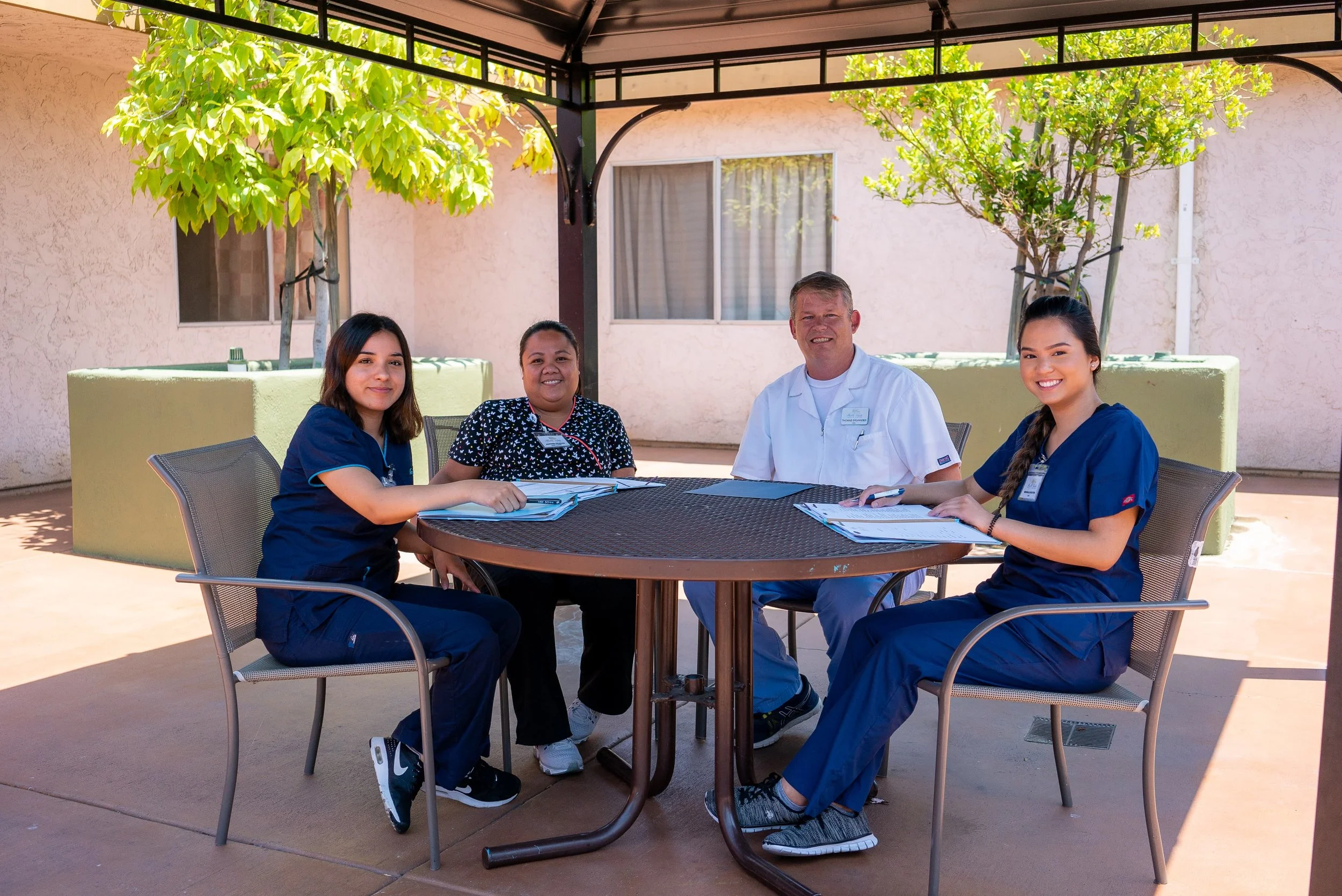
For those transitioning from hospital to home following an illness, injury, or surgery, a skilled nursing facility can help speed up recovery and ease the shift back to independent living. However, not everyone needs a skilled nursing facility, and to be eligible for Medicare coverage, a patient must meet specific criteria for admission. Read on to find out if you or your loved one qualifies for skilled nursing care.
What is a skilled nursing facility?
Skilled nursing facilities are residential centers that provide round-the-clock nursing and rehabilitative services to patients on a short-term or long-term basis. Examples of the services provided at a skilled nursing facility include wound care, medication administration, physical and occupational therapy, and pulmonary rehabilitation.
Generally, patients who are admitted to skilled nursing facilities are recovering from surgery, injury, or acute illness, but a skilled nursing environment may also be appropriate for individuals suffering from chronic conditions that require constant medical supervision. If you or a loved one is interested in using Medicare for skilled nursing, though, the federal government has issued specific skilled nursing facility requirements for admission.
What are the eligibility requirements for admission to a skilled nursing facility?
Medicare will cover admission to a skilled nursing facility if:
You have Medicare Part A (hospital insurance) with days left in your benefit period. A benefit period begins the day you’re admitted to a hospital or a skilled nursing facility and ends 60 days after the end of your stay.
You have a qualifying hospital stay. This generally means you must have experienced at least three inpatient days in a hospital.
Your doctor believes you require skilled nursing care on a daily basis. This care must be given under the supervision of skilled nurses and therapists and must be directly related to a condition treated during your qualifying hospital stay.
You are admitted to a skilled nursing facility that is certified by Medicare. A skilled nursing facility must meet strict criteria to maintain their Medicare certification.
What skilled nursing services are covered by Medicare?
Once you are admitted to a skilled nursing facility, the following services covered by Medicare include, but are not limited to:
A semi-private room, shared with other patients
Meals and nutritional counseling
Skilled nursing care
Rehabilitative services related to your health goals, such as physical therapy, occupational therapy, speech therapy, and respiratory therapy
Medication
Medical social services
Medical supplies
Limited ambulance transportation
In general, Medicare will cover up to 100 days of treatment in a skilled nursing facility. It’s important to note that if you ever refuse your daily skilled care or therapy while in a facility, you may be denied coverage for the rest of your stay. Following doctors’ orders is the best way to ensure continued Medicare coverage – and to ensure a full recovery.
How do I find a Medicare-certified skilled nursing facility?
Medicare maintains a public list of certified skilled nursing facilities, including their state inspection reports, quality measures, staffing levels, and resident characteristics. The US Department of Health’s Centers for Medicare and Medicaid Services (CMS) also provides a rating system to help prospective patients compare the quality of care and customer service offered at different skilled nursing facilities in their area. A facility can get between one and five stars; a five-star rating is considered excellent.
Bella Vista Health Center is a 5-star skilled nursing facility in San Diego
If you or a loved one is in need of short-term rehabilitative care, Bella Vista Health Center has some of the highest quality skilled nursing San Diego can provide. We’re proud to maintain a five-star rating from CMS, offering each of our patients individualized care in a comfortable, nurturing environment.
Call (619) 644-1000 to find out more about our facility and our services.
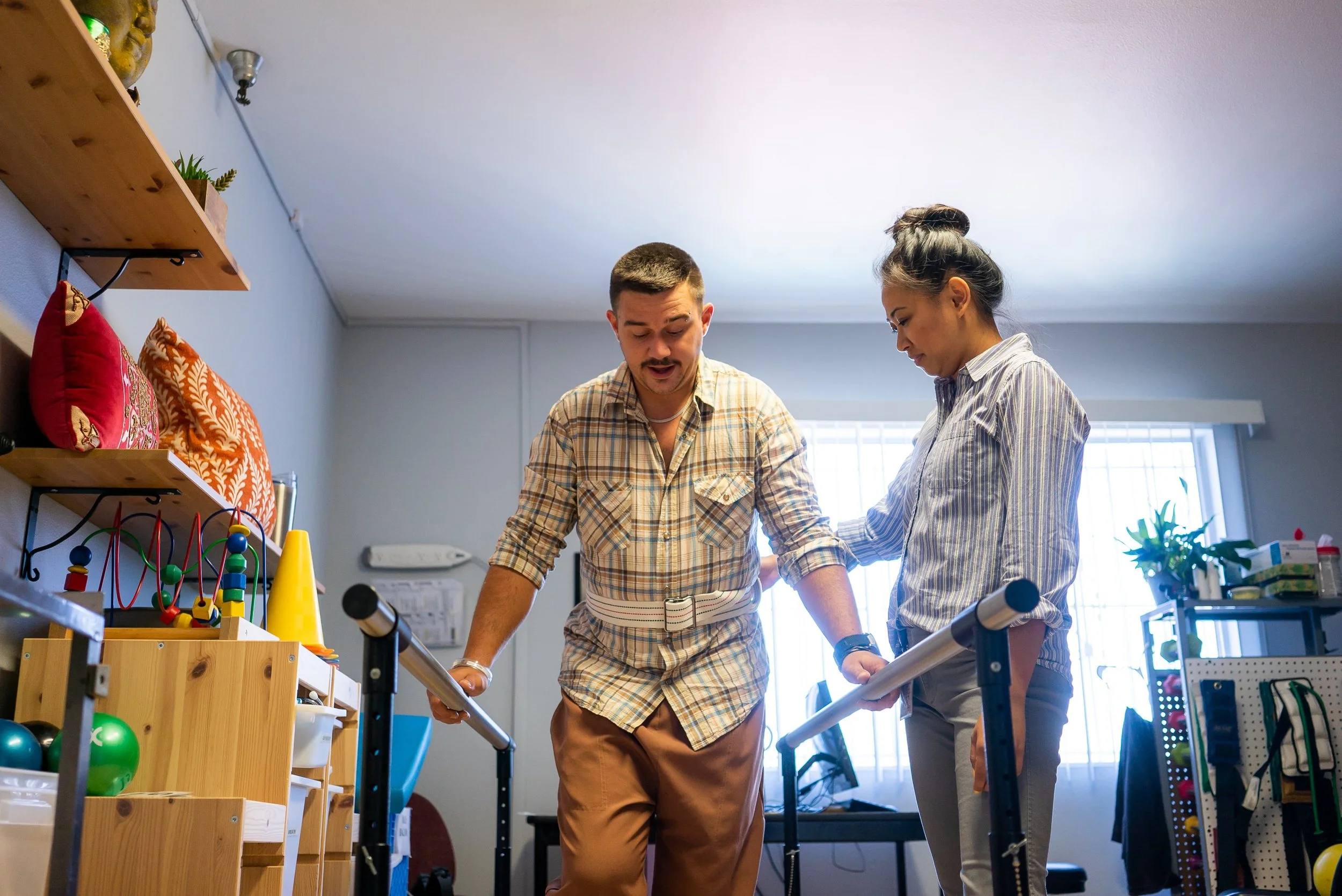
Difference Between Skilled Nursing Facility Vs Nursing Home
skilled nursing facilities offer a higher level of medical care for each resident, including supervision by doctors and 24-hour care by licensed and registered nurses.
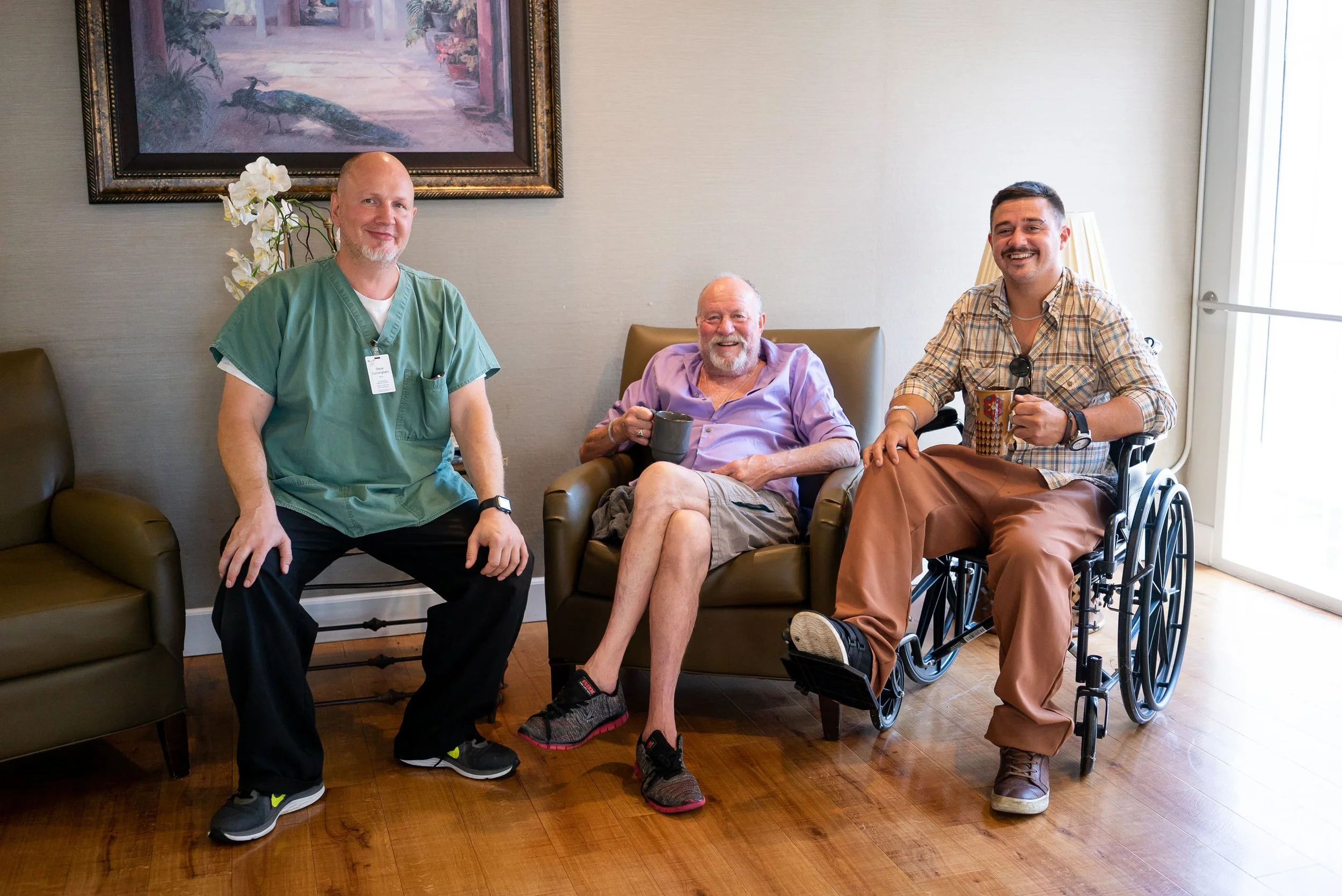
If you’re searching for a residential facility to help take care of a loved one recovering from surgery, illness, or injury, you may have come across the terms “nursing home” and “skilled nursing facility.”
While many people equate these two terms, there are a few important differences between them. To determine the best placement for your loved one, it’s crucial to understand these differences so you can make an informed decision for their care.
What’s the difference between a skilled nursing facility and a nursing home?
There are two different types of highly attentive, round-the-clock care: custodial care and skilled care. In general, nursing homes are required to provide custodial care, which involves helping residents with daily activities such as bathing, dressing, grooming, and eating.
Custodial caregivers are not required to have any formal medical training or licensing, and nursing homes are most often appropriate for individuals who suffer from a chronic condition where recovery is not anticipated.
On the other hand, skilled nursing facilities offer a higher level of medical care for each resident, including supervision by doctors and 24-hour care by licensed and registered nurses. Patients in skilled nursing facilities are often in the process of recovering from surgery, injury, or acute illness, and require medical care and rehabilitative services so they may eventually return to independent living.
What regulations does a skilled nursing facility have to meet?
While all nursing homes are subject to health and fire inspections to ensure patient safety, skilled nursing facilities are required to adhere to strict federal regulations established by the Centers for Medicare and Medicaid Services (CMS) division of the US Department of Health. Regulations include:
Supervision of every patient by a physician
Full-time employment of registered nurses
24-hour skilled nursing care
Maintenance of records for every patient
On-site center for storing and dispensing pharmaceuticals
Financial planning and budgeting requirements
CMS also established a star rating based on a combination of health inspections, staffing, and quality of resident care measures. Top-rated skilled nursing facilities have five stars, and are generally considered to be the best.
What services are provided in a skilled nursing facility?
Because a skilled nursing facility is often focused on restoring patients’ independence, they usually provide a number of rehabilitative services, including:
Physical Therapy
Physical therapists help patients evaluate movement dysfunctions, identify the source of the problems, perform treatments, and recommend exercises to improve alignment and alleviate pain.
Occupational Therapy
After an injury or serious illness, patients may benefit from new daily routines, modified living environments, and adaptive tools to achieve independent living. Occupational therapists teach patients to alter their habits and lifestyles, so they may attain their individual goals.
Speech Therapy
Speech therapy, or speech-language pathology, supports patients who experience communication difficulties by designing programs to improve speech, voice, cognition, and swallowing.
Respiratory Therapy
For patients who’ve suffered from lung surgery, pneumonia, or chronic lung disease such as COPD, respiratory therapy can help improve lung function through breathing strategies, medication, nutrition counseling, and education.
In addition to rehabilitative services, skilled nursing facilities also provide round-the-clock medical assistance, including wound care, medication administration, catheter care, intravenous therapy, and more.
Who works at a skilled nursing facility?
In a nursing home, it’s not guaranteed that doctors and nurses will always be present. But a skilled nursing facility always has trained staff on site, 24 hours a day.
Skilled nursing facilities employ doctors, nurse practitioners, registered nurses, licensed practical nurses, and certified nurses’ aides, in addition to psychiatrists, registered dieticians, and rehabilitative therapists such as speech-language pathologists, physical therapists, and occupational therapists.
Bella Vista Health Center is a 5-star skilled nursing facility in San Diego
If you or a loved one needs to bridge the gap between the hospital and the return to independent living, Bella Vista Health Center can help. With a coveted 5-star rating from the CMS, Bella Vista Health Center is the best skilled nursing facility San Diego has to offer.
Call us at (619) 644-1000 to find out more about our programs and services or to schedule a visit today.

Skilled Nursing Facility vs. Inpatient Rehab
It’s easy to see why people get confused when comparing IRFs and SNFs. Both inpatient rehab facilities and skilled nursing facilities focus on rehabilitative and recuperative care.
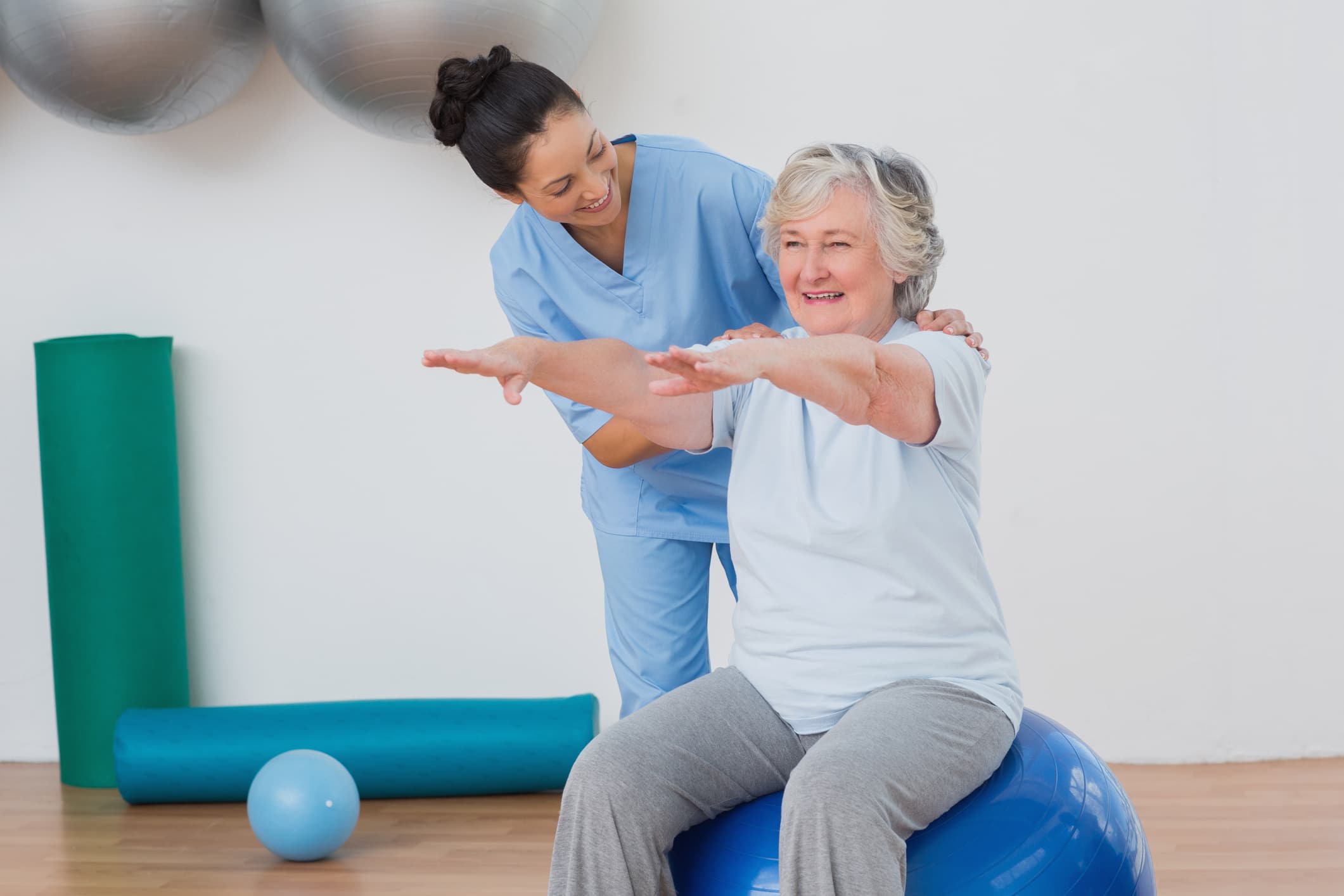
When a person suffers from a stroke, a traumatic injury, or a debilitating disease, a high-quality rehabilitation program makes all the difference when it comes to restoring function and helping the patient achieve optimal health. But choosing a rehabilitation facility can be daunting and confusing. In order to determine the best option for the patient, it’s important to understand what each type of facility offers. Below, we provide some information on the similarities and differences between inpatient rehab facilities (IRF) and skilled nursing facilities (SNF).
Skilled Nursing Facility vs. Inpatient Rehabilitation
It’s easy to see why people get confused when comparing IRFs and SNFs. Both inpatient rehab facilities and skilled nursing facilities focus on rehabilitative and recuperative care with the goal of helping patients to restore maximum function and regain their independence. Both types of facilities offer:
Rehabilitation nursing
Rehabilitation therapies (physical, occupational, and speech)
Audiology
Prosthetics
Orthotics
Social and psychological services
Although both IRFs and SNFs offer a team approach to care, they differ mainly in the intensity of their programs and therapeutic services. The easiest way to think of it is in terms of acute care versus subacute care. An inpatient rehab facility offers acute care for those who need a higher level of rehabilitation following traumatic injuries and surgeries such as amputations. Patients in need of an IRF receive daily rehabilitative therapies, for at least three hours a day up to six days a week.
Skilled nursing facilities, on the other hand, offer subacute rehabilitation, which are similar but less intensive than the therapies provided at an IRF. For example, a patient at an SNF may only meet with their occupational or respiratory therapist three times a week for an hour or so per session. A patient at an IRF will sometimes move to a skilled nursing facility once they no longer require the acute care offered at the IRF but are still not ready to return home.
Does Medicare coverage differ at an inpatient rehab vs a skilled nursing facility?
Medicare coverage does differ between the two facilities. Although it’s important to discuss the details of each person’s coverage individually, there are some general rules that may apply:
Typically, Medicare pays for 90 days per stretch in an inpatient rehab facility, with the first 60 fully covered.
An IRF requires no pre-qualifying hospital stay for Medicare coverage.
In a skilled nursing facility, Medicare pays for 100 days per stretch, with the first 20 days fully paid for under certain conditions.
An SNF requires a 3-day pre-qualifying hospital stay for Medicare coverage.
There are other criteria and requirements for Medicare coverage, and it’s important for each individual to discuss the particulars of their case with their insurance provider or a Medicare service representative.
Bella Vista provides subacute rehabilitation in San Diego
For patients who have transitioned out of the hospital or other acute rehab facilities but are not yet ready to return home, Bella Vista offers a comfortable, therapeutic environment and a wide range of subacute rehab services. Each patient at Bella Vista receives high-quality care from a team of providers dedicated to helping them reach optimal levels of independence in the shortest time possible. For more information on our programs and services, give us a call at 619-644-1000 or stop by and see us in Lemon Grove today.


Skilled Nursing vs. Long-Term Care | What’s the Difference?
Skilled nursing care and long-term care offer many overlapping services, and many people use the two terms interchangeably, but there are some significant differences between the two.

Skilled nursing care and long-term care offer many overlapping services, and many people use the two terms interchangeably, but there are some significant differences between the two.
Understanding the differences between skilled nursing and long-term care is the first step in determining viable care options for you or your loved one. Here is a brief explanation of what each type of care provides, and who can benefit:
What is skilled nursing care?
Skilled nursing care involves high-level medical services provided by trained professionals, including registered nurses, and physical, speech, and occupational therapists. Skilled nursing care can encompass both short-term services, such as rehabilitation from an illness or injury, or long-term services, such as those required for patients with chronic medical conditions that need around-the-clock care. Some examples of skilled nursing services include wound care, IV therapy, injections, physical therapy, occupational therapy, and regular monitoring of vital signs and medical equipment. Skilled nursing care is most often provided in a skilled nursing facility.
Who benefits from skilled nursing care?
One common misconception is that only senior citizens receive skilled nursing care, but the truth is that people of all ages benefit from skilled nursing care, including:
- Patients recently discharged from a hospital who need extended post-surgical care
- Patients who need rehabilitation from an injury
- Patients who are recovering from an illness and need medicine that cannot be provided at home
- Patients recovering from stroke or other brain injuries
What is long-term care?
Long-term care refers to custodial care, rather than medical care. It is a range of services and supports to help with basic activities of daily living (ADLs) such as bathing, dressing, and using the toilet. It may also involve help with housework, medication management, shopping, and caring for pets. Long-term care services are offered by home health aides, nursing homes, and assisted living facilities. Patients who benefit from long-term care services may include those with:
- Terminal medical conditions
- Permanent disabilities
- Chronic severe pain
- Alzheimer’s disease or dementia
Skilled nursing at Bella Vista
Similar to long-term care, skilled nursing care includes help with ADLs, and many providers also offer transportation, social services, and social activities in addition to their overall treatment programs. If you or a loved one has a specialized medical condition that exceeds the limits of long-term care, Bella Vista Health Center can help. Our skilled nursing care covers a wide range of therapeutic and rehabilitative services, including:
Post acute rehabilitation: We provide a continuum of care for patients transitioning from hospital to home care, incorporating specialized medical care, strength training and exercise, pain management techniques, and adaptive equipment.
Stroke rehabilitation: Our goal-oriented treatment plan involves mobility training, motor skills exercises, and therapy to regain lost abilities including communication, balance, and basic daily duties.
Pulmonary rehabilitation: Our pulmonary rehab and respiratory therapy programs offer exercises, education, and support to patients with breathing difficulties from chronic illness or acute medical conditions, allowing them to achieve and maintain independence and functionality.
Physical therapy: We provide evidence-based, outcome-driven therapy programs customized to each patient to relieve pain, restore function, and enhance overall health through a variety of therapeutic exercises and specialized equipment.
Occupational therapy: We help patients restore functional independence and improve their quality of life with strength training, transfer training, and adaptive equipment training.
Speech therapy: We offer treatment, support and care for patients with communication, cognitive, and swallowing disorders that often occur after the onset of dementia, a stroke, or other neurological trauma.
In addition to the highest quality skilled nursing care, Bella Vista Health Center also offers concierge services, salon services, a yoga and meditation center, nutritious and culturally diverse meals, and ancillary services including dental, vision, and podiatry. Regardless of age or medical condition, patients at Bella Vista can expect a comfortable, safe, and therapeutic stay in our facility.
Award-winning care in a 5-star facility
If you or someone you know is in need of skilled nursing care, Bella Vista Health Center offers short- and long-term rehabilitative care. Each treatment plan is designed by our team of compassionate professionals and aims to heal and empower patients to reach their maximum potential. Give us a call at (619) 644-1000 today to take a tour of our 5-Star skilled nursing facility in San Diego.
Types of Services Offered at a Skilled Nursing Facility
Many people confuse skilled nursing facilities with nursing homes, but they are very different from each other.

Many people confuse skilled nursing facilities with nursing homes, but they are very different from each other. While a nursing home is typically a residential facility for seniors who can no longer manage the tasks required for independent daily living, skilled nursing facilities offer a larger variety of services for a broader range of people. In addition to long-term care for seniors, skilled nursing facilities also provide short-term care for those who require additional support following a hospital stay for an accident, surgery, or illness. The goal for post-acute rehabilitative care is to bridge the gap between hospital and home and to help each patient to get back to their personal best so they may live as independently as possible. Depending on the patient’s needs, skilled nursing services may include any combination of the following:
Types of Skilled Nursing Services
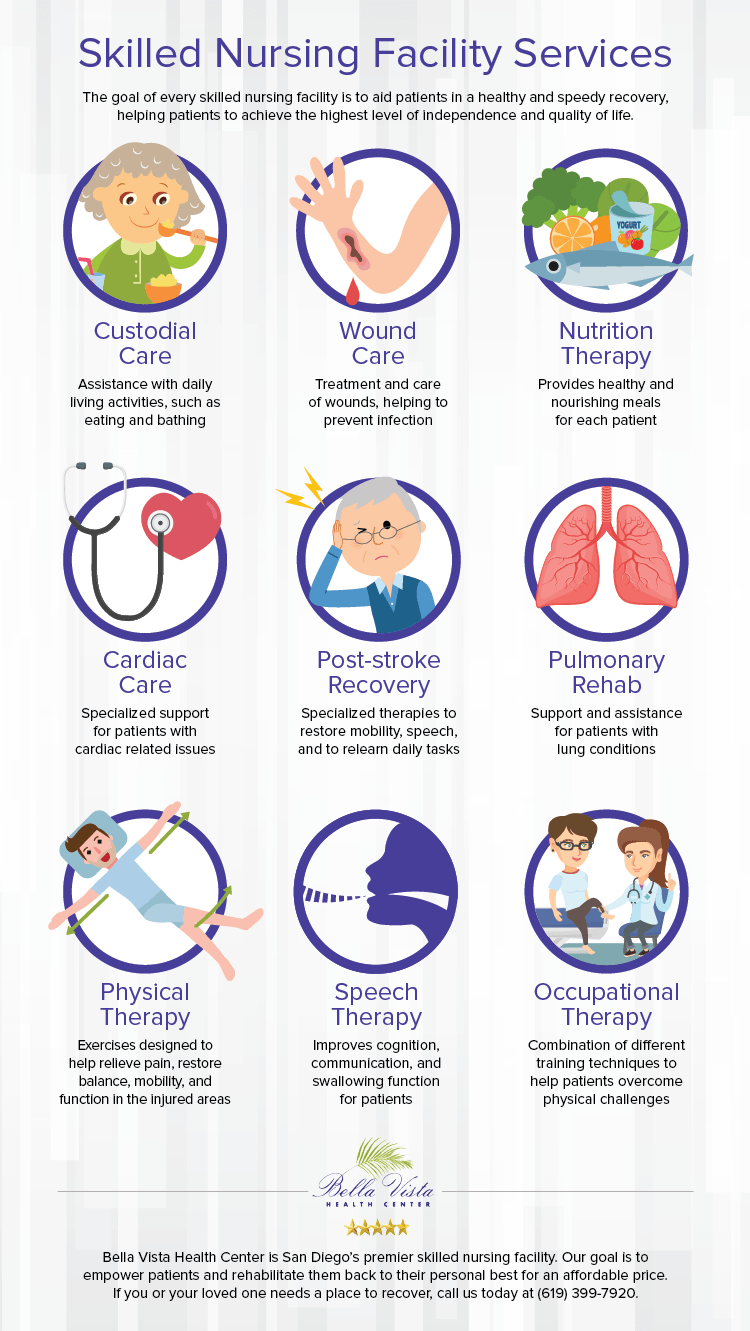
Custodial care
Includes assistance with activities of daily living, such as bathing, dressing, and eating.
Nutrition therapy
Promotes each patient’s healing process by providing them with healthy, nourishing foods that address their personal dietary needs and support their optimal health.
Wound care
Involves the treatment and care of wounds such as those from amputation, accident, illness, or surgery. It also includes prevention, detection, and treatment of pressure ulcers, skin tears, and bruises.
Cardiac care
Provides specialized support for patients recovering from cardiac conditions or procedures including heart attack, heart surgery, high blood pressure, and more.
Pulmonary rehabilitation
Offers individuals with lung conditions the support and assistance they need to manage their symptoms, improve their lung function, and achieve the highest possible level of independence.
Post-stroke recovery
Includes specialized therapies for patients recovering from stroke in order to help them restore mobility, improve speech and swallowing, and relearn skills needed for daily tasks.
Physical therapy programs
Physical therapy programs are designed around exercises that help relieve pain, restore balance, improve joint and muscle functioning, and reestablish proper body mechanics for rehabilitation, safety, and injury prevention.
Occupational therapy
Provides treatment plans focused on a combination of strength training, transfer training, and/or adaptive equipment training to help patients overcome physical and environmental challenges and achieve high levels of independence in performing the activities of daily living.
Speech therapy
Improves cognition, communication, and swallowing function for patients recovering from stroke and other diagnoses that affect thought, memory, and speech.
Looking for a top-notch skilled nursing facility in San Diego?
At Bella Vista Health Center, we provide a safe and nurturing environment for all our short-term and long-term residents. Our highly skilled and compassionate staff and practitioners put patients and their loved ones first, and our programs have earned us a 5-star rating for excellence in patient care. If you’re looking for a skilled nursing facility in San Diego, we’d be honored to participate in your rehabilitation and recovery. Give us a call or drop by our facility in Lemon Grove today.

Exciting Career Opportunities at Bella Vista Health Center
At Bella Vista Health Center, we’re proud to offer a number of exciting healthcare career opportunities. Learn more about our current job openings.
If you’re considering a career in nursing, you’ll be happy to know that you’ve chosen to work in an industry that promises a healthy future. According to the Bureau of Labor Statistics, healthcare is the fastest growing industry today, with an expected increase of 2.3 million jobs between now and 2024. That’s a 19% jump from the 15.8 million available in 2013. Nursing and residential care facilities in particular account for a whopping 3.3 million jobs (as of August 2017)!
At Bella Vista Health Center, we’re proud to offer a number of exciting healthcare career opportunities. Our 5-star skilled nursing facility is home to a range of short- and long-term residents who count on us to create a safe, comfortable, and therapeutic environment, and to provide them with the support they need to rehabilitate back to their personal best. If you’re a compassionate individual dedicated to high-quality patient care, then we invite you to use the links below to learn more about our current Nursing Facility Careers job openings.
- Registered Nurse (RN) – Full-time
- Registered Nurse (RN), Educator, Infection Control Officer – Part-time
- Licensed Vocational Nurse (LVN) – Full-time
- Certified Nursing Assistant (CNA) – Full-time
- Occupational Therapist (OT) – Full-time
- Certified Occupational Therapy Assistant (COTA) – Full-time
In addition to the above job listings, we also offer per diem positions for:
- Physical Therapists (PTs)
- Occupational Therapists (OTs)
- Speech Therapists (STs)
- Physical Therapy Assistants (PTAs)
- Certified Occupational Therapy Assistants (COTAs)
If you’re interested in any of the positions above, please send your resume to Patricia Le Mere at patricia@bellavistahealth.com.
We’d love to participate in your healthcare career!
At Bella Vista Health Center, we proudly support the career growth of highly dedicated professionals who provide skilled and compassionate care to patients and their families. Our team members receive competitive salaries and excellent benefits. Whether you join us as a full-time, part-time, or per diem team member, you’ll love coming to work each day, spending time with our residents, and contributing to our nurturing and healing environment. Send your resume today! We look forward to participating in your healthcare career. Give us a call at (619) 644-1000 for more information.