

Bella Vista Health Center Blog


How Is Pneumonia Diagnosed And Treated?
For older adults, pneumonia is particularly perilous; people over the age of 65 are at a higher risk of contracting pneumonia than the general population, and they’re also more likely to die from it.

Pneumonia is a serious illness – and it’s also frighteningly common. According to the American Thoracic Society, about one million adults are hospitalized for pneumonia in the United States every year, and about 50,000 of them die from the disease. For older adults, pneumonia is particularly perilous; people over the age of 65 are at a higher risk of contracting pneumonia than the general population, and they’re also more likely to die from it.
The good news is, recovering from pneumonia at any age is possible with a successful treatment plan – and the earlier you get a diagnosis, the earlier your treatment can begin.
Recognizing the symptoms of pneumonia
The symptoms of pneumonia often mimic other less serious illnesses. If you have body aches, high fever, fatigue, or a hacking cough, it could be bronchitis or the flu. Pneumonia, however, has a few distinct symptoms, such as:
Sharp chest pains
Profuse sweating
Shaking chills
Shortness of breath
Mental confusion, particularly in older adults
Pneumonia can often come on slowly, and as a complication from other illnesses like the flu. If you experience any of the above symptoms, it’s important to see a doctor for a formal diagnosis, especially if you’re over 65.
Obtaining a pneumonia diagnosis
If your doctor suspects you have pneumonia, you’ll be asked to undergo a series of tests to ensure a correct diagnosis. Some exams you might be subjected to are:
Blood tests
These check your white blood cell count and potentially identify the type of organism causing your pneumonia.
Chest x-rays
These help your doctor pinpoint the exact location and severity of the infection.
Pulse oximetry
A small clip attaches to your finger to measure the amount of oxygen in your bloodstream.
CT scan
If the chest x-ray doesn’t give enough information, a CT scan may be used to get a closer look.
Pleural fluid culture
A fluid sample is extracted from the space between your lungs and chest cavity, then analyzed to help identify the source of the infection.
Treating pneumonia
Once you’ve obtained a formal diagnosis, then pneumonia treatment can begin. According to the American Lung Association, there are over 30 different causes of pneumonia, so your exact treatment plan will depend on the type of pneumonia you have. Some of the most common types of pneumonia are:
Bacterial pneumonia
Antibiotics often improve symptoms quickly for bacterial pneumonia patients.
Viral pneumonia
Sometimes, doctors will prescribe antiviral medications, but usually, it’s necessary to let the virus run its course.
Fungal pneumonia
Common in people with weakened immune systems, fungal pneumonia is treated with antifungal drugs, administered either orally or intravenously.
During pneumonia treatment recovery, other medications are administered to relieve chest pain and coughs, and if necessary, supplemental oxygen is provided. Perhaps the most important element of pneumonia recovery, though, is rest. To give your body a chance to heal, stay off your feet, stay hydrated, and get plenty of sleep.
Potential complications of pneumonia
Without proper treatment, your pneumonia could linger, relapse, or possibly turn into something worse, such as:
Respiratory failure
When your body is unable to deliver oxygen to your blood or remove carbon dioxide from it, this is considered respiratory failure, which may require the use of a ventilator.
Sepsis
Sepsis is the body’s response to infection, causing widespread inflammation and, potentially, organ failure.
Lung abscess
Pneumonia infection can cause pockets in the lungs to fill up with pus, requiring surgery to drain them.
The best way to avoid complications from pneumonia is to seek treatment and follow all instructions given by your provider.
Pneumonia treatment recovery at Bella Vista Health Center San Diego
If you’ve been diagnosed with pneumonia, Bella Vista Health Center offers a safe, restful, and restorative environment for your treatment and recovery period. Our skilled nursing facility is staffed with knowledgeable and compassionate medical professionals who will provide you with a comprehensive treatment plan. With round-the-clock access to respiratory therapists, doctors, and nurses, staying at Bella Vista allows you the time and space you need to fully rest and focus on your pneumonia recovery.
Call (619) 644-1000 and let us care for you.


How To Support Someone In Skilled Nursing
After an illness, injury, or surgical procedure, a patient may be referred to a skilled nursing facility for a period of focused recovery and rehabilitation.

After an illness, injury, or surgical procedure, a patient may be referred to a skilled nursing facility for a period of focused recovery and rehabilitation. At skilled nursing facilities, a team of experienced doctors, nurses, and therapists provide round-the-clock medical care. But to promote healing, it’s important to address the patient’s mental, spiritual, and emotional health, as well.
Friends and family play a significant role during the recovery process. If you have a loved one staying in a skilled nursing care facility, your support can help improve their spirits, which will in turn improve their chances for long-term health and happiness. Here are a few tips on how you can show support for someone in skilled nursing.
Visit regularly.
Spending time with your loved one while they’re in a residential care center is probably the most effective way to show your support. All skilled nursing facilities have designated visiting hours for friends and family. Schedule your visits ahead of time so your loved one will have something to look forward to. When you show up, remain positive and encouraging, and remind them of how important they are to you.
Take advantage of technology.
Unfortunately, between hectic schedules and long distances, it’s not always possible to make in-person visits. But you can still conduct regular “virtual” visits, via Skype, FaceTime, or Google Hangouts. While it’s not quite the same as being able to hold your loved one’s hand, you can still maintain communication and keep them connected to the world outside the skilled nursing facility.
Share a meal.
Communal eating is an essential daily ritual, and an important way to build relationships and establish a sense of normalcy. Consider joining your loved one for a midweek dinner or a Sunday brunch. Most skilled nursing facilities offer delicious and nutritious dining options, but depending on your loved one’s dietary restrictions, you may also be able to bring one of their favorite dishes from home.
Encourage socializing.
Maintaining social connections is crucial to mental health. Feelings of isolation and loneliness can lead to stress, depression, and reduced immunity, all of which impede the recovery process. That’s why many skilled nursing facilities offer a variety of amenities and activities, including group outings, fitness classes, creative pursuits, games, and celebrations. Review the schedule of events with your loved one and encourage them to participate. If possible, attend some of the activities yourself.
Create familiar surroundings.
While skilled nursing facilities provide a nurturing and compassionate environment, the unfamiliarity may be upsetting at first. To help make your loved one feel more comfortable, try bringing in items to remind them of their home. Photos of family members or special trinkets strategically placed around their room can provide reassurance, and a favorite pillow or blanket can make their bed a more restful place to be.
Listen.
The transition to a skilled nursing facility is sometimes stressful. Your loved one may experience fear, anger, or frustration, especially in the beginning. It’s important to listen to their grievances without judgment. Provide an empathetic ear and let them know you’re there for them during this stressful period of their lives. Sometimes, just knowing someone who cares is listening will provide comfort and alleviate concern.
Bella Vista Health Center provides skilled nursing care in San Diego
If your loved one is in need of skilled nursing care, you’ve come to the right place. Bella Vista Health Center provides a caring and compassionate environment and top-notch medical care. We take a holistic approach to healing and customize treatment plans to address the specific needs of each patient. With a variety of rehabilitative programs, special amenities, and a full schedule of activities, your loved one will have a comfortable, therapeutic, and enjoyable stay at Bella Vista.
Call us at (619) 644-1000 to schedule a tour of our 5-star skilled nursing facility.



Skilled Nursing Facility Requirements For Admission
If you or a loved one is interested in using Medicare for skilled nursing, though, the federal government has issued specific skilled nursing facility requirements for admission.
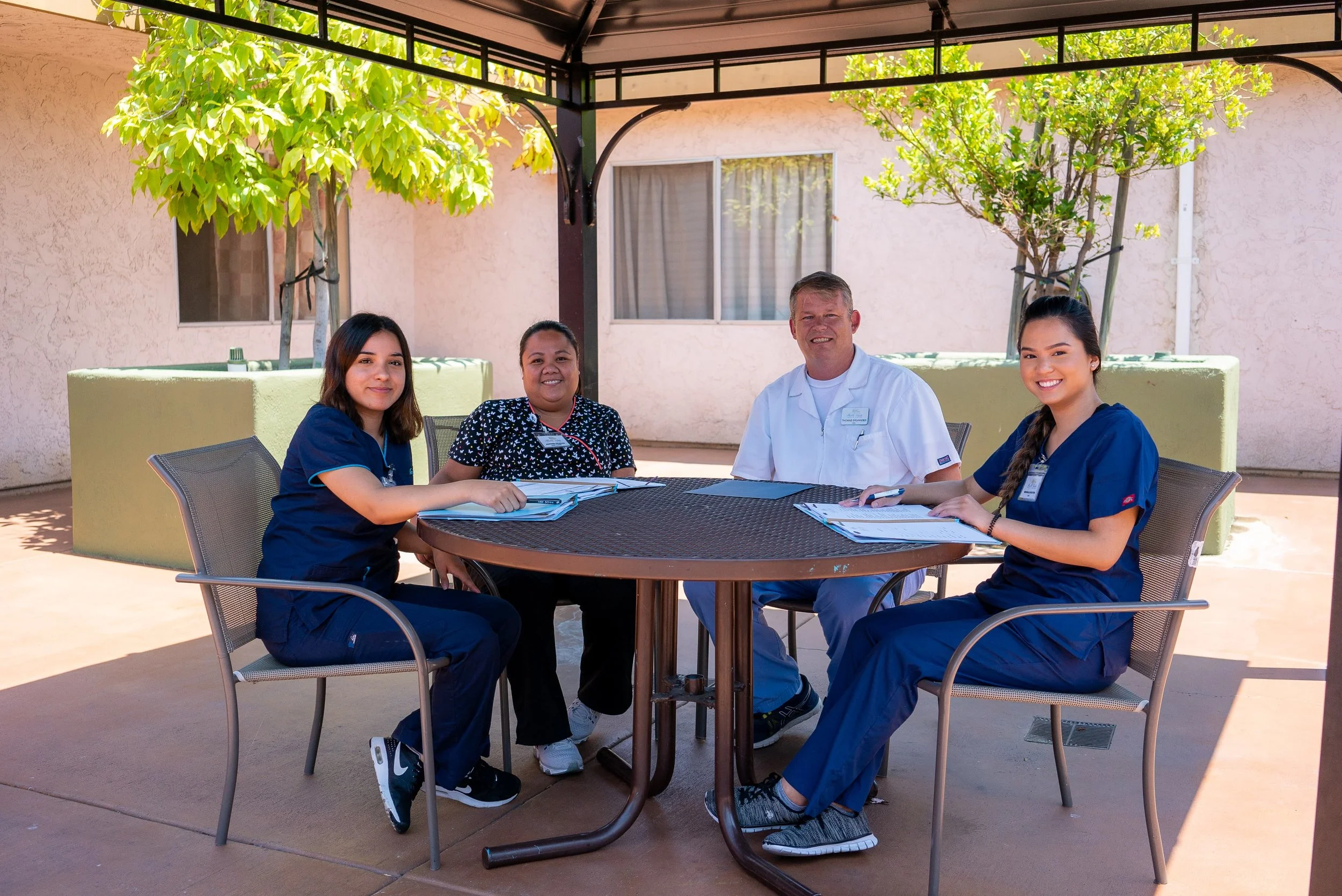
For those transitioning from hospital to home following an illness, injury, or surgery, a skilled nursing facility can help speed up recovery and ease the shift back to independent living. However, not everyone needs a skilled nursing facility, and to be eligible for Medicare coverage, a patient must meet specific criteria for admission. Read on to find out if you or your loved one qualifies for skilled nursing care.
What is a skilled nursing facility?
Skilled nursing facilities are residential centers that provide round-the-clock nursing and rehabilitative services to patients on a short-term or long-term basis. Examples of the services provided at a skilled nursing facility include wound care, medication administration, physical and occupational therapy, and pulmonary rehabilitation.
Generally, patients who are admitted to skilled nursing facilities are recovering from surgery, injury, or acute illness, but a skilled nursing environment may also be appropriate for individuals suffering from chronic conditions that require constant medical supervision. If you or a loved one is interested in using Medicare for skilled nursing, though, the federal government has issued specific skilled nursing facility requirements for admission.
What are the eligibility requirements for admission to a skilled nursing facility?
Medicare will cover admission to a skilled nursing facility if:
You have Medicare Part A (hospital insurance) with days left in your benefit period. A benefit period begins the day you’re admitted to a hospital or a skilled nursing facility and ends 60 days after the end of your stay.
You have a qualifying hospital stay. This generally means you must have experienced at least three inpatient days in a hospital.
Your doctor believes you require skilled nursing care on a daily basis. This care must be given under the supervision of skilled nurses and therapists and must be directly related to a condition treated during your qualifying hospital stay.
You are admitted to a skilled nursing facility that is certified by Medicare. A skilled nursing facility must meet strict criteria to maintain their Medicare certification.
What skilled nursing services are covered by Medicare?
Once you are admitted to a skilled nursing facility, the following services covered by Medicare include, but are not limited to:
A semi-private room, shared with other patients
Meals and nutritional counseling
Skilled nursing care
Rehabilitative services related to your health goals, such as physical therapy, occupational therapy, speech therapy, and respiratory therapy
Medication
Medical social services
Medical supplies
Limited ambulance transportation
In general, Medicare will cover up to 100 days of treatment in a skilled nursing facility. It’s important to note that if you ever refuse your daily skilled care or therapy while in a facility, you may be denied coverage for the rest of your stay. Following doctors’ orders is the best way to ensure continued Medicare coverage – and to ensure a full recovery.
How do I find a Medicare-certified skilled nursing facility?
Medicare maintains a public list of certified skilled nursing facilities, including their state inspection reports, quality measures, staffing levels, and resident characteristics. The US Department of Health’s Centers for Medicare and Medicaid Services (CMS) also provides a rating system to help prospective patients compare the quality of care and customer service offered at different skilled nursing facilities in their area. A facility can get between one and five stars; a five-star rating is considered excellent.
Bella Vista Health Center is a 5-star skilled nursing facility in San Diego
If you or a loved one is in need of short-term rehabilitative care, Bella Vista Health Center has some of the highest quality skilled nursing San Diego can provide. We’re proud to maintain a five-star rating from CMS, offering each of our patients individualized care in a comfortable, nurturing environment.
Call (619) 644-1000 to find out more about our facility and our services.

Occupational Therapy Vs Physical Therapy: What’s The Difference?
While occupational therapy programs takes a holistic approach to treatment, physical therapy focuses specifically on the function and movement of the body.

Recovering your independence after an injury, illness, or surgery takes time – and a team of skilled professionals to help you through it. Two people that may be on your rehabilitation team are an occupational therapist and a physical therapist. While they both share the common goal of restoring your health and independence as quickly and safely as possible, they practice two distinct disciplines, with two different approaches to treatment.
What is Occupational Therapy?
Occupational therapists work with you to help you live your life to its fullest potential. They start by asking you to identify your goals: What’s most important to you? What are the tasks you’d like to accomplish and activities you’d like to participate in? These can range from simple daily chores, like brushing your teeth, to social interactions or beloved hobbies that bring you joy and fulfillment. Once your goals are defined, occupational therapists then evaluate your current environment, design intervention plans, and recommend adaptive strategies and equipment to help you reach them.
What is Physical Therapy?
While occupational therapy programs takes a holistic approach to treatment, physical therapy focuses specifically on the function and movement of the body. The goal of physical therapy programs is to ease pain, increase your range of motion, and prevent further impairment. Physical therapists will evaluate your current condition, then create a treatment plan consisting of exercises and stretches, as well as therapeutic modalities, such as massage or ultrasound, so you can regain full function of the afflicted area.
Occupational Therapy vs. Physical Therapy
Aside from these differing approaches, the biggest distinction between physical therapy and occupational therapy are the practitioners who treat you.
Physical therapists are licensed health professionals who’ve received specific graduate-level training. While some have a master’s degree and others have a PhD, all physical therapists must pass national certification exams and be licensed to practice by their individual states. With such extensive anatomy training, physical therapists are qualified to perform hands-on treatments and to develop fitness programs that will improve your physical condition.
Occupational therapists need to obtain a master’s degree and a state license, too, but additionally, they are required to complete specialized training related to emotional and behavioral health. This is because mental health is a crucial component of all occupational therapy; supporting patients through their emotional struggles is key to helping them overcome their frustration and achieve their goals.
How Occupational Therapy and Physical Therapy Work Together
While there are significant differences between occupational and physical therapy, they both have the common objective of helping you to live a fulfilling and independent life. Many times, people can benefit from partaking in both physical therapy and occupational therapy programs simultaneously.
For example, a patient who’s had a stroke may work with a physical therapist to strengthen their muscles for standing and walking, as well as to improve their balance. But they may also need to work with an occupational therapist who can teach them to navigate the new difficulties involved with daily activities, such as bathing, dressing, or eating. Both occupational and physical therapists work together to create a comprehensive rehabilitation team.
Bella Vista Health Center offers occupational therapy and physical therapy
At Bella Vista Health Center, we understand how important it is to have the right rehabilitation team on your side. With some of the best physical therapy and occupational therapy San Diego has to offer, we can help you or your loved one regain their independence in a safe, comfortable environment. Our team of caring and compassionate therapists are here to support you through your recovery.
Call us at (619) 644-1000 to find out more about our short-term rehab services.


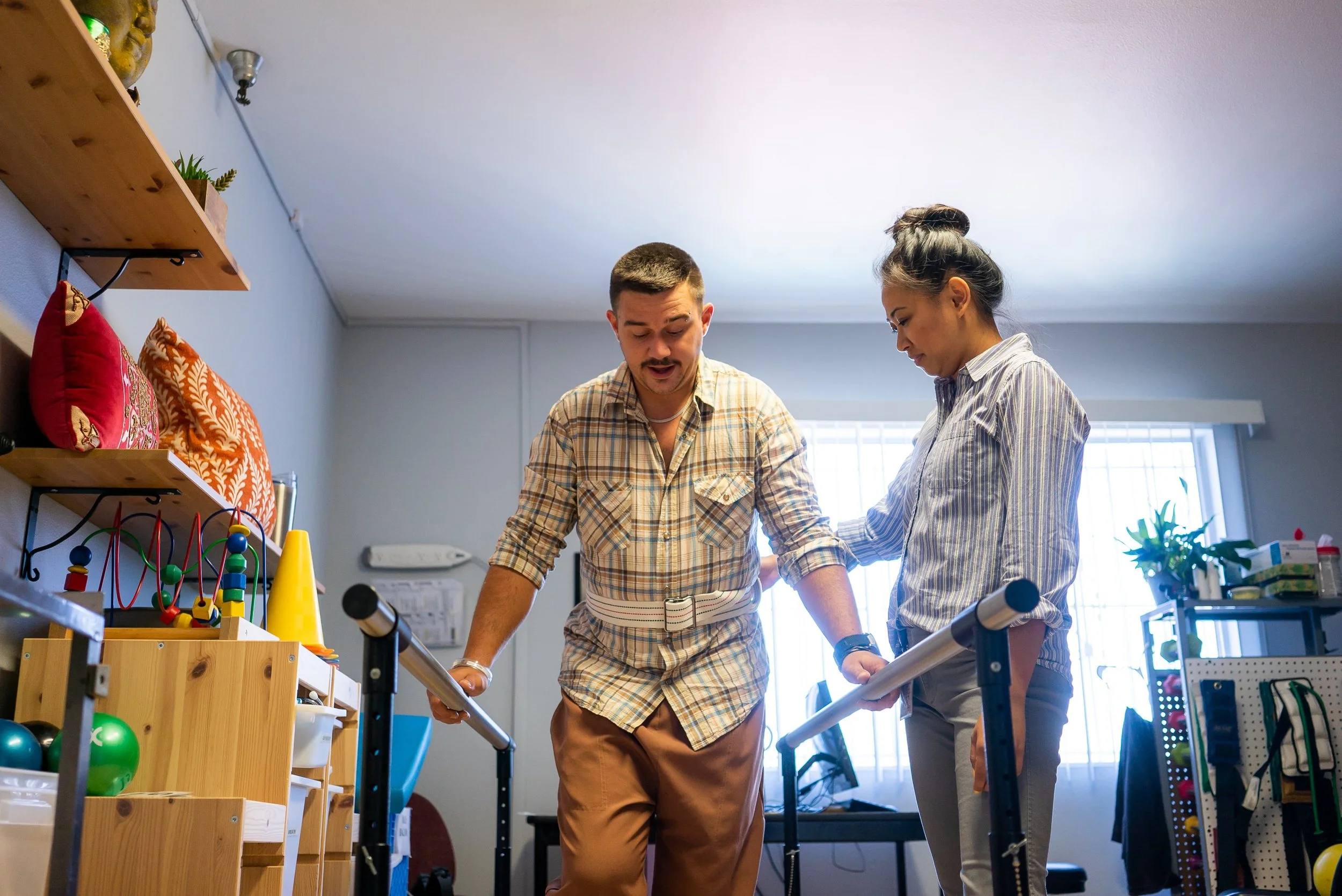
Difference Between Skilled Nursing Facility Vs Nursing Home
skilled nursing facilities offer a higher level of medical care for each resident, including supervision by doctors and 24-hour care by licensed and registered nurses.
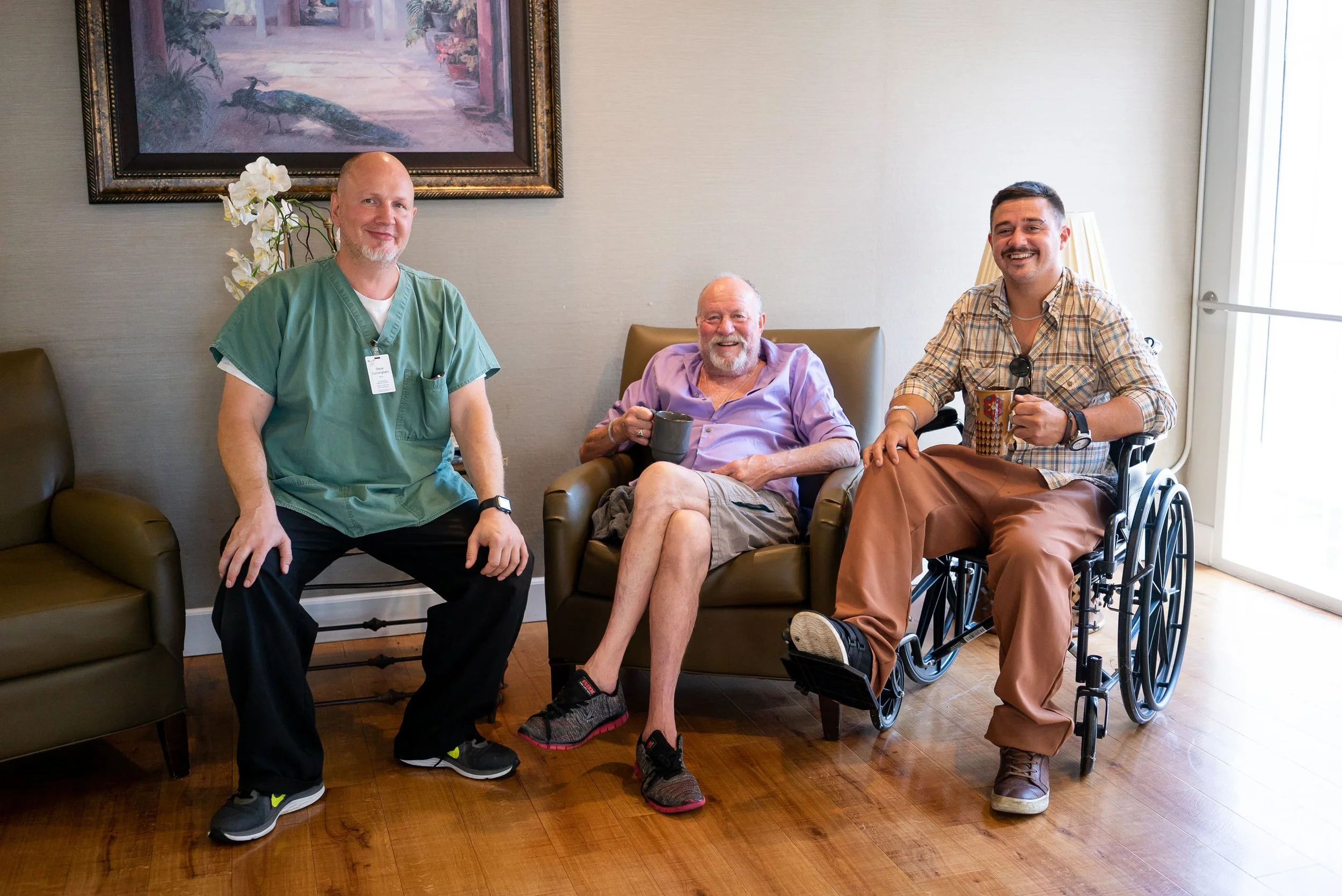
If you’re searching for a residential facility to help take care of a loved one recovering from surgery, illness, or injury, you may have come across the terms “nursing home” and “skilled nursing facility.”
While many people equate these two terms, there are a few important differences between them. To determine the best placement for your loved one, it’s crucial to understand these differences so you can make an informed decision for their care.
What’s the difference between a skilled nursing facility and a nursing home?
There are two different types of highly attentive, round-the-clock care: custodial care and skilled care. In general, nursing homes are required to provide custodial care, which involves helping residents with daily activities such as bathing, dressing, grooming, and eating.
Custodial caregivers are not required to have any formal medical training or licensing, and nursing homes are most often appropriate for individuals who suffer from a chronic condition where recovery is not anticipated.
On the other hand, skilled nursing facilities offer a higher level of medical care for each resident, including supervision by doctors and 24-hour care by licensed and registered nurses. Patients in skilled nursing facilities are often in the process of recovering from surgery, injury, or acute illness, and require medical care and rehabilitative services so they may eventually return to independent living.
What regulations does a skilled nursing facility have to meet?
While all nursing homes are subject to health and fire inspections to ensure patient safety, skilled nursing facilities are required to adhere to strict federal regulations established by the Centers for Medicare and Medicaid Services (CMS) division of the US Department of Health. Regulations include:
Supervision of every patient by a physician
Full-time employment of registered nurses
24-hour skilled nursing care
Maintenance of records for every patient
On-site center for storing and dispensing pharmaceuticals
Financial planning and budgeting requirements
CMS also established a star rating based on a combination of health inspections, staffing, and quality of resident care measures. Top-rated skilled nursing facilities have five stars, and are generally considered to be the best.
What services are provided in a skilled nursing facility?
Because a skilled nursing facility is often focused on restoring patients’ independence, they usually provide a number of rehabilitative services, including:
Physical Therapy
Physical therapists help patients evaluate movement dysfunctions, identify the source of the problems, perform treatments, and recommend exercises to improve alignment and alleviate pain.
Occupational Therapy
After an injury or serious illness, patients may benefit from new daily routines, modified living environments, and adaptive tools to achieve independent living. Occupational therapists teach patients to alter their habits and lifestyles, so they may attain their individual goals.
Speech Therapy
Speech therapy, or speech-language pathology, supports patients who experience communication difficulties by designing programs to improve speech, voice, cognition, and swallowing.
Respiratory Therapy
For patients who’ve suffered from lung surgery, pneumonia, or chronic lung disease such as COPD, respiratory therapy can help improve lung function through breathing strategies, medication, nutrition counseling, and education.
In addition to rehabilitative services, skilled nursing facilities also provide round-the-clock medical assistance, including wound care, medication administration, catheter care, intravenous therapy, and more.
Who works at a skilled nursing facility?
In a nursing home, it’s not guaranteed that doctors and nurses will always be present. But a skilled nursing facility always has trained staff on site, 24 hours a day.
Skilled nursing facilities employ doctors, nurse practitioners, registered nurses, licensed practical nurses, and certified nurses’ aides, in addition to psychiatrists, registered dieticians, and rehabilitative therapists such as speech-language pathologists, physical therapists, and occupational therapists.
Bella Vista Health Center is a 5-star skilled nursing facility in San Diego
If you or a loved one needs to bridge the gap between the hospital and the return to independent living, Bella Vista Health Center can help. With a coveted 5-star rating from the CMS, Bella Vista Health Center is the best skilled nursing facility San Diego has to offer.
Call us at (619) 644-1000 to find out more about our programs and services or to schedule a visit today.

Rehab After Surgery: Why You Need It To Recover
The goal of rehab after surgery is to get you back on your feet, so you can continue living a healthy and independent life.
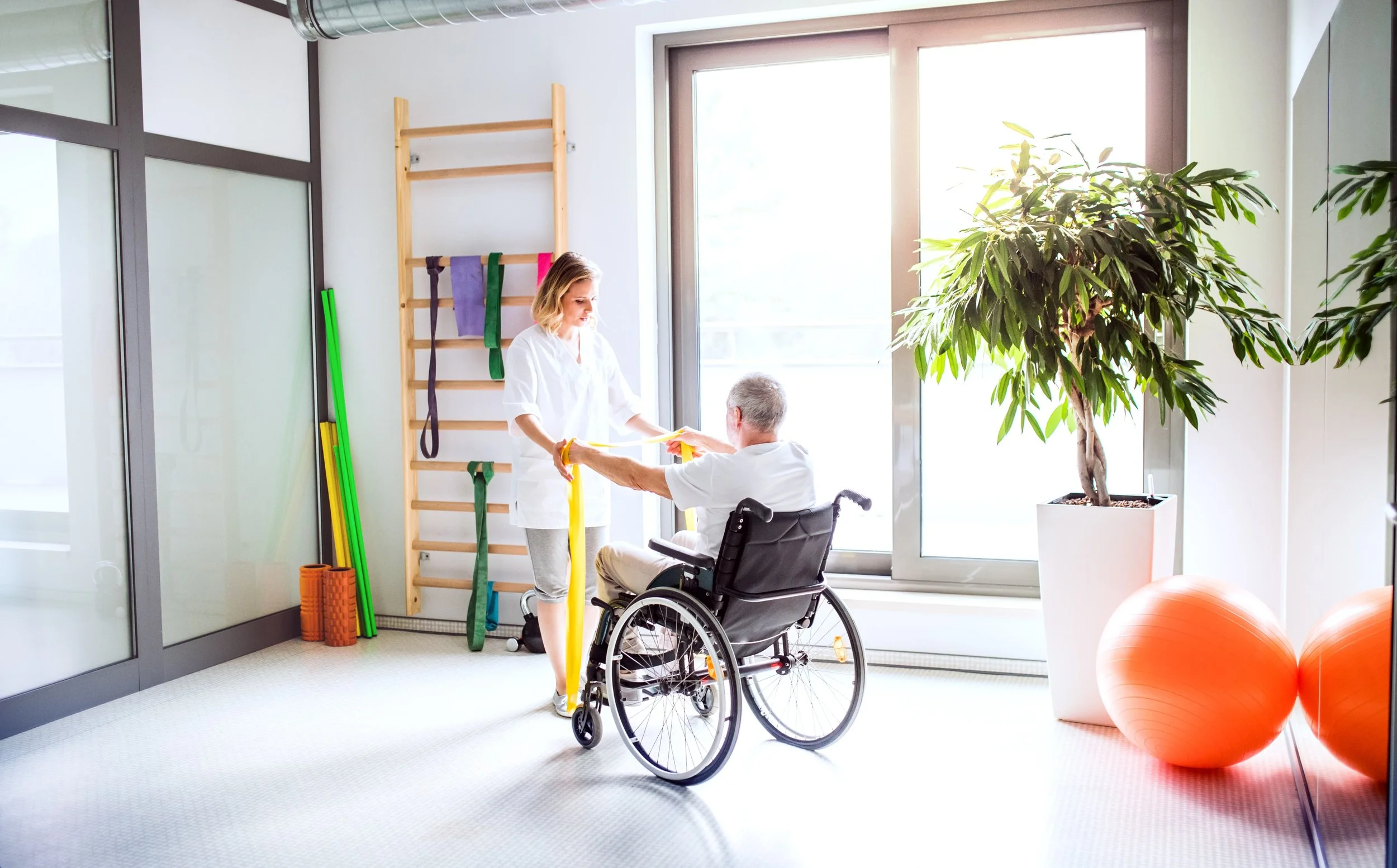
When you’re discharged from the hospital after surgery, you may be eager to go home right away and resume business as usual. Unfortunately, it’s not always that simple.
To get back to your normal, everyday life, you may need to take part in a rehabilitation program involving a variety of therapies, exercises, and medications. And though you may be tempted to skip it, doing so could cause injury, illness, or unnecessary pain.
The Goal of Post-Surgery Rehab
The success of a surgery depends largely upon how well you take care of yourself during your recovery period – and this is especially true for older adults. It can be easy to overexert yourself, or to experience atrophy from remaining inactive.
Post Rehab is about striking the balance between rest and exertion so you can regain your strength while simultaneously allowing your body to heal. The goal of rehab after surgery is to get you back on your feet, so you can continue living a healthy and independent life.
Types of Rehab
Depending on the type of surgery you’ve had, you may require a combination of different types of rehabilitative services. Some of the most common after-surgery rehab programs include:
Physical therapy
After a knee replacement surgery or hip replacement surgery, you’ll need to build up the strength in the muscles surrounding your joint. Through rehab exercises after surgery, mobility training, and therapeutic treatment, a physical therapist can help improve your range of motion and ease pain and swelling.
Occupational therapy
You may find it difficult to perform certain tasks after surgery, such as walking, climbing the stairs, caring for pets, or doing housework. With occupational therapy, you can learn to modify your environment and activities to comfortably return to your everyday life.
Speech therapy
Surgery of the head or neck can significantly impact your ability to communicate. Intensive speech and language therapy sessions can help to resolve issues with speech, cognition, voice, and swallowing.
Pulmonary rehabilitation
For patients who’ve undergone lung surgery, pulmonary rehabilitation is often necessary to recover lung function and improve breathing. With the help of respiratory therapists, you can learn breathing strategies and exercise modifications to build endurance and increase oxygen levels in your blood.
Benefits of Short-Term Rehab After Surgery
One of the biggest mistakes you can make after surgery is to push yourself too far, too fast. To ensure a complete recovery in a safe and supportive environment, many older adults choose to pursue treatment in after surgery rehab centers.
There are many advantages to staying in a residential health center during your post-surgery period, such as:
Decreased risk of injury
Staying in a comfortable and nurturing environment with a full staff of health and wellness providers enables you to take it easy, while others take care of your needs. Without worrying about the minutiae of daily living, you’re less likely to push yourself beyond your limits, thereby reducing your risk of injury, and potentially speeding up your recovery.
Round-the-clock care
After surgery, you may experience pain or infection, or may need someone to tend to your wounds. In short-term rehab, registered nurses are available to monitor symptoms, administer medication, and address your health concerns, 24 hours a day.
Emotional support
Undergoing a major surgery can be both mentally and emotionally draining. After-surgery rehab centers employ psychiatrists and counselors who can help you work through this difficult time.
Meal preparation
Without proper food and fluids, your body won’t have the fuel it needs to heal. At a residential rehab center, delicious food is prepared in conjunction with a registered dietician to ensure you’re staying adequately hydrated and eating a nutritious diet.
Bella Vista Health offers post-surgery rehab
If you or a loved one is scheduled to undergo surgery in San Diego, consider spending your recovery period at Bella Vista Health Center. As a 5-star skilled nursing facility, we offer both long-term and short-term rehabilitative services, and our team will customize a treatment plan to meet your specific post-surgery needs.
Call us at (619) 644-1000 and let us help ease your transition from hospital to home and optimize your wellness so you can get back to doing the things you love.



Recovery from Spinal Cord Injury
despite the protection of all those bones, spinal cord injuries happen all the time. They range from mild to severe, and can even be fatal. Here are some recovery options.
Most of us know that the spinal cord is part of the back. But did you know that it’s actually column of nerves?
Most of us think of the spinal cord as a set of bones, but the bones are the spinal column, which is a set of 33 vertebrae stacked on top of one another to provide support for your body and allow you to move without harming the column of nerves known as the spinal cord.

Unfortunately, despite the protection of all those bones, spinal cord injuries happen all the time. They range from mild to severe, and can even be fatal. Some causes of spinal cord injuries include:
- Car accidents
- Sports injuries
- Infection
- Inflammation
- Cancer
- Congenital medical issues
Types of spinal cord injuries
Incomplete spinal cord injuries refer to the partial severing of the spinal cord. These account for nearly two thirds of all spinal cord injuries and result in the injured person retaining some function. Complete spinal cord injuries, on the other hand, refer to the complete severing of the spinal cord.
spinal cord injury recovery is determined by the location and severity of the injury. The spinal cord has four distinct regions, each consisting of a different number of vertebrae.
The cervical spinal cord (neck) has 8 vertebrae. The thoracic spinal cord (mid back) has 12 vertebrae. The lumbar spinal cord (lower back) consists of 5 vertebrae.
And the sacral spine (connecting spine to the hip bones) contains 5 vertebrae fused together. The coccyx, or tailbone, consists of a single vertebra.
Cervical spinal cord injuries are potentially the most severe. They can result in:
- Quadriplegia/tetriplegia
- Difficulty breathing
- Impaired ability to speak
- Inability to control bowel movements
- The need for 24-hour care and assistance with bathing, dressing, and eating
Thoracic spinal cord injuries affect the lower body, but even at their worst, they leave patients with the use of their arms, chest, and upper back.
Thoracic spinal cord injuries can result in:
- Paraplegia
- Inability to control bladder and bowel
- The need for mobility assistance
Lumbar spinal cord injuries
Lumbar spinal cord injuries affect the lower portion of the body and can impede hip bending, knee-straightening, and toe extension. They can result in:
- Loss of function in the hips and legs
- Loss of bladder and bowel control
- The need for mobility assistance
Sacral spinal cord injuries also affect the lower portion of the body, including the hips, groin, buttocks, and backs of thighs. They can result in:
- Loss of function in leg and hips
- Inability to control bowels and bladder
Rehabilitation treatments for spinal cord injuries
At present, there are no known ways to reverse spinal cord damage. But health care providers may use surgery, medication, steroids, and rehabilitative therapies to treat patients suffering from spinal cord injuries. In some cases, these treatments can even help patients regain lost functioning.
Physical and occupational therapies can be particularly helpful in recovery from spinal cord damage. Physical therapy can help patients regain or maintain muscle strength, coordination, and mobility.
Occupational therapy can help patients learn to adapt with the use of assistive devices and environmental modifications.
For patients whose speech and communication have been impaired by a spinal cord injury, speech therapy can also provide a rehabilitative effect. Recreational therapies can help patients stay engaged with life and maintain a positive outlook and a high quality of life.
Bella Vista offers rehabilitative therapies for spinal cord injuries
If you or someone you love is in need of rehabilitative therapies following a spinal cord injury, you’ve come to the right place.
At Bella Vista Health Center in San Diego, our team includes compassionate medical professionals and health practitioners who are skilled and experienced in a range of therapeutic modalities.
All patients at Bella Vista receive a customized treatment plan designed to help them recover and return to their lives as quickly as possible.
For more information on our programs and services, call us at (619) 644-1000 or come see us in Lemon Grove today.


6 Early Symptoms of Multiple Sclerosis
Disrupted nerve signals show up in many different ways, making multiple sclerosis both unpredictable and tricky to diagnose. Here are some early symptoms of multiple sclerosis.
Multiple sclerosis (MS) is a disease of the central nervous system. The nervous system is so complex and involved in so much of what we do and how we feel. Disrupted nerve signals show up in many different ways, making multiple sclerosis both unpredictable and tricky to diagnose. Currently, there is no single test or symptom that definitively determines that a person has the disease. Doctors must use a number of tests to rule out other possible conditions that cause similar symptoms and find evidence of damage in two separate areas of the brain, spinal cord, or optic nerve. Additionally, they have to find evidence that the two instances of damage happened at two separate times.

In other words, it is not possible to test for MS at home. And because of the complexity of our nervous system and the countless neural pathways susceptible to damage, multiple sclerosis shows up in many different ways. Below, we describe a small handful of the early signs of MS. This brief list of illustrates the complex affect that the disease can have on a person’s daily life.
6 Early Signs of Multiple Sclerosis
If you suffer from any combination of these symptoms, it’s important to discuss them with a doctor.
1. Visual problems
For many people who suffer from multiple sclerosis, visual impairment is the first sign that something is not right. Inflammation or damage to the optic nerve may result in: blurred vision, uncontrolled eye movement, blindness in one eye, and double vision.
2. Numbness and tingling
Facial numbness and tingling in the arms and legs are both common symptoms of multiple sclerosis. It may be mild enough to tolerate or so severe that it impairs the use of the affected body part and impedes the activities of daily life. Extreme numbness can also increase the risk of burn injuries around fire and hot water, or bite injuries to the cheeks and tongue.
3. Vertigo
Damage to certain parts of the neural pathways can affect visual and spatial coordination, leading to vertigo. Vertigo in turn often results in lightheadedness, nausea and problems with balance.
4. Bladder dysfunction
According to the National Multiple Sclerosis Society, 80% of people with MS have bladder problems due to the faulty transmission of nerve signals. Symptoms include frequent urination and incontinence.
5. Cognitive issues
For some people, cognitive difficulties are one of the first signs of multiple sclerosis. These may include trouble with: concentration, memory, information processing, and visual perception.
6. Fatigue
Fatigue is one of the most common symptoms in multiple sclerosis, and the cause varies from person to person. For some, it is the result of deterioration of nerves in the spinal column. Others may develop fatigue from insufficient sleep due to bladder dysfunction or nighttime muscle spasms. And sometimes, the fatigue is caused by the effort and exertion required to manage the range of MS symptoms.
Rehabilitation Therapies for Patients with Multiple Sclerosis
Unfortunately, there is no cure for MS. There are, however, ways to slow disease progression, manage symptoms, optimize quality of life, and maintain independence. Multiple sclerosis treatment varies from patient to patient.
Any comprehensive MS care plan will include rehabilitation strategies to promote wellness and help patients to live their best possible life. Every patient’s needs are different, but rehabilitative therapies a skilled nursing facility may offer patients with MS include:
Physical therapy – PT exercises for mobility, balance, and strength will promote safety and optimal functioning. Physical therapy treatment for Multiple Sclerosis can also help prevent deconditioning of the muscles and address bladder issues.
Occupational therapy – OTs help patients with MS learn to use assistive devices to maintain independence in the activities of daily living, and to evaluate and treat problems with thinking and memory.
Speech therapy – When damage to the central nervous system affects speech and/or swallowing, speech therapists use voice training, oral exercises, breath control and other techniques to help patients communicate clearly and swallow safely.
Looking for a skilled nursing facility for MS rehab therapy? Visit Bella Vista!
Bella Vista Health Center offers all a range of therapies and medical services for those who suffer from multiple sclerosis and other conditions. From the moment a patient walks into our 5-star skilled nursing facility, our team of medical specialists and health professionals begins to customize a care plan designed to maximize patient independence and a quick discharge. For more information on our rehabilitation programs and services, give us a call at (619) 644-1000 or come see us in Lemon Grove today.


Difference Between Post-Acute Care and Subacute Care?
Post-acute care also provides continued medical treatment after a hospital stay, it maintains an emphasis on recuperation, rehabilitation, and symptom management. Call for more info.
When a loved one is hospitalized, it can be a stressful experience for everyone involved. In more complex cases, even after the patient has achieved stabilization, determining next steps often adds confusion to the stress. For family caregivers, it’s important to understand the range of options available when patients need a higher level of care than can be provided at home. Take a look below some of the differences between acute care, subacute care, and post-acute care.
What is an acute care facility?

Acute care is immediate, high-level medical care for people suffering from serious injury, exacerbation of an existing illness, and other urgent medical conditions that require an intensive level of treatment and observation. Acute care facilities actively address life-threatening or limb-threatening conditions until the patient can be safely treated with a lower level of care. The length of stay in an acute care facility depends on the specific condition and the requirements of the patient, but stays are generally shorter in duration. A hospital is an example of an acute care facility.
What is subacute care?
Subacute care takes place after or instead of a stay in an acute care facility. Subacute care provides a specialized level of care to medically fragile patients, though often with a longer length of stay than acute care. Many patients with acute illness or injury require comprehensive care that includes frequent assessments and procedures to manage their condition. People with pulmonary disease, cardiac disease, cancer, and conditions requiring IV therapy or tube feedings may need subacute care after a hospital stay. Subacute care can include dialysis, chemotherapy, ventilation care, complex wound care, and other inpatient medical and nursing services.
What is post-acute care?
While post-acute care also provides continued medical treatment after a hospital stay, it maintains an emphasis on recuperation, rehabilitation, and symptom management. Patients in recovery from cardiac or pulmonary disease, stroke or neurological disorders, or orthopedic surgery often require rehabilitative therapies to help bridge the gap between hospital and home. The goal of post acute rehabilitation is to maximize patient wellness and independence so they can get back to the business of living their best lives. Post-acute care services range from intensive short-term rehab to longer-term restorative care. Some patients will achieve full recovery, while others learn to manage the symptoms of a chronic illness.
Post-acute care at Bella Vista
At Bella Vista Health Center in Lemon Grove, our post-acute rehab team can help your loved one achieve their goals for recovery and regain their quality of life. In addition to wound care, the administration of medication, and assistance with the activities of daily living, our post-acute care services include physical therapy, occupational therapy, speech therapy, and other rehabilitative therapies.
Post-acute care at our skilled nursing facility provides:
Stroke rehab
Pulmonary rehab
Cardiac rehab
Knee fracture/replacement rehab
Spinal cord injury rehab
Brain injury rehab
And more
At Bella Vista, patients receive a customized treatment plan created by an interdisciplinary team of medical professionals dedicated to their wellness, independence, and quality of life.
For more information on our rehabilitative programs and services, please give us a call at (619) 644-1000 or drop by and see us in Lemon Grove today.


Recovery from Traumatic Brain Injury
The top three traumatic brain injury causes include fall, car accidents, and firearms. Traumatic brain injuries can be closed head injuries or open head injuries.
Traumatic brain injury refers to brain damage caused by external force. This is not the same as a stroke, a tumor, or prolonged lack of oxygen. The top three traumatic brain injury causes include fall, car accidents, and firearms. Traumatic brain injuries can be closed head injuries (skull intact) or open head injuries (penetration of the skull), and will include at least one of the following:

Loss of consciousness
Amnesia
Direct evidence of damage:
Abnormal brain scan
Skull fracture
Seizure
Traumatic brain injury symptoms and recovery depend on the severity of the injury, the functions affected, the rate of recovery, and other factors.
Traumatic brain injury treatment
Just as the causes of traumatic brain injury vary widely, so does the treatment. But in general, traumatic brain injury treatment follows as such:
Stabilization – This stage of treatment applies to moderate to severe cases and usually takes place in a hospital. The focus of this stage is stabilization and survival of the patient. It may include surgery to remove clotted blood, the repair of skull fractures, and relief of pressure in the skull.
Acute treatment – The second phase of treatment for more severe cases of traumatic brain injury involves the minimization of both agitation and secondary injuries. Sometimes acute treatment includes sedation, medically induced coma, or other medications to reduce muscle spasticity. Mechanical ventilation may also be required.
Rehabilitative treatment – Traumatic brain injury usually involves impaired brain functioning, and the rehabilitative treatment phase helps patients to recover as much function as possible and to adapt to lost functions.
Skilled nursing for recovery from traumatic brain injury
In many cases, rehabilitative therapies for traumatic brain injuries begin as soon as possible during the acute care phase. And most often, they’ll continue after the patient has been discharged to a lower level of care. Post-acute rehab facilities like Bella Vista help to provide a continuum of care that aids in patient recovery from traumatic brain injury. At Bella Vista, our rehabilitative care programs include:
Skilled nursing care to administer medication, maintain health, provide nutrition, and assist with mobility and pain management.
Physical therapy to restore balance, posture, strength, and coordination.
Occupational therapy to determine the best ways to perform the tasks of daily living, help patients adapt to assistive devices, and prepare the home environment.
Speech therapy to reduce confusion, restore communication, and assist with problem-solving.
Each patient’s rehabilitative treatment plan is determined by the particulars of their brain injury and their individual recovery process.
Recovery, recuperation, and rehabilitation at Bella Vista
At Bella Vista Health Center, our patients are our number one priority. Our interdisciplinary team of medical professionals works collaboratively to provide a comprehensive and customized treatment plan designed to meet the individual needs of each patient.
If you or someone you love is looking for a skilled nursing facility for rehabilitative treatment following a traumatic brain injury, you can expect top-notch care while you recover, recuperate, and regain your independence at Bella Vista.
For more information, give us a call at (619) 644-1000. We look forward to serving you.