

Bella Vista Health Center Blog


Exercises for Recovering After Knee Surgery
An exercise program designed and overseen by a licensed and experienced physical therapist after knee surgery will give you the best chance of a full recovery.
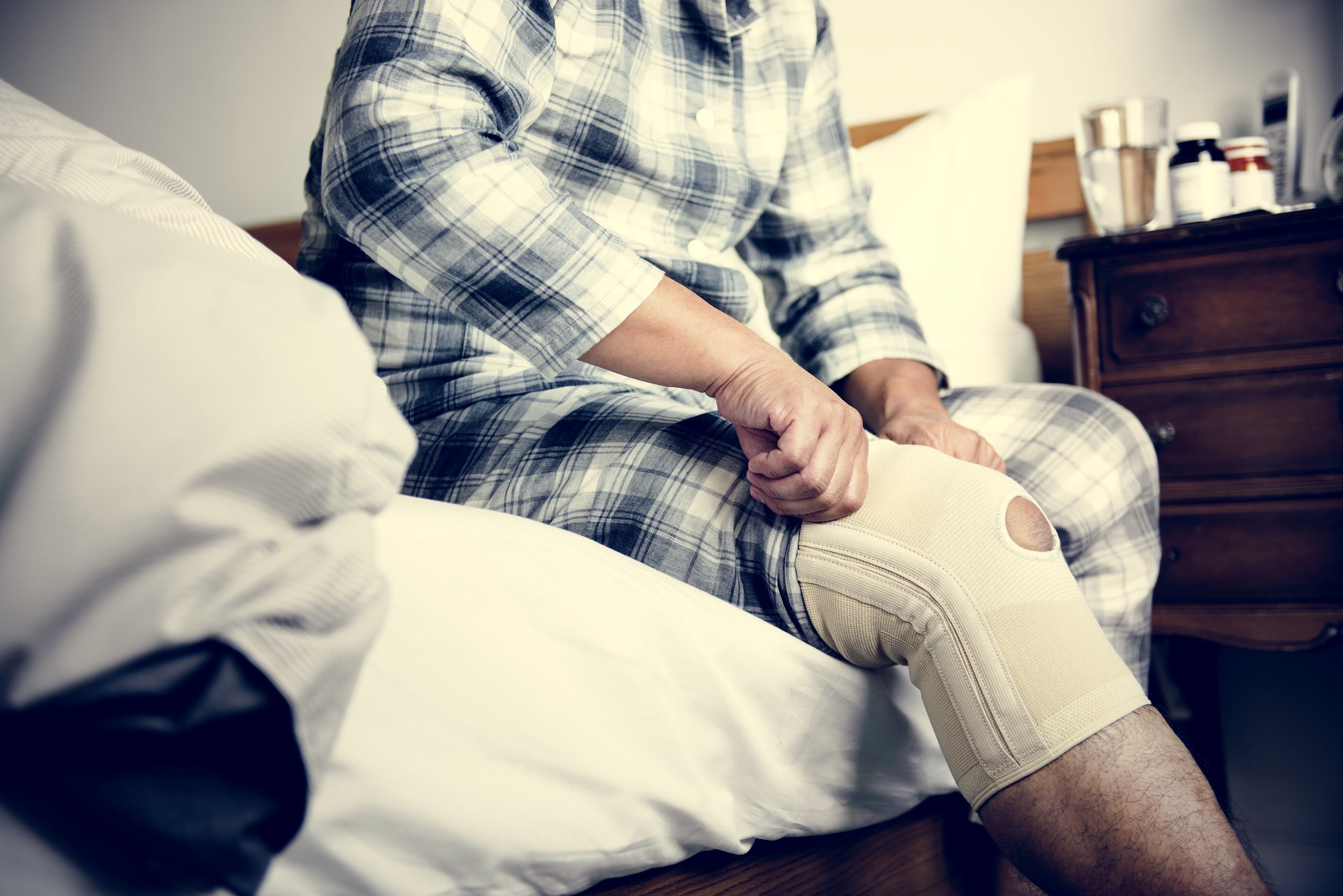
Exercise is an important part of recovery from knee surgery. Although it may be uncomfortable at first, the physical therapy exercises prescribed during your recovery period are the key to stabilizing your leg and regaining strength and mobility so you can get back on your feet and keep doing the things you love to do. An exercise program designed and overseen by a licensed and experienced physical therapist during your post-knee surgery period will give you the best chance of a full recovery.
Curious about the types of exercises a PT might prescribe? Take a look below.
Circulation exercises
Even before you’re back up on your feet, your knee surgery recovery exercise program will begin. Many of these early exercises are designed to help keep the circulation going in your legs and feet, decrease your risk of clotting and keep your muscles engaged. Some of the post-surgery circulation exercises prescribed to you may include: (see also rehab after knee replacement )
Ankle pumps:
Lie on your back with your legs straight. Flex your foot so your toes are reaching back toward your knee. Hold for 5 seconds. Then point your toes away from your knee and hold for 5 seconds. This exercise will help keep the circulation going in your leg and decrease the risk of clotting.
Quad squeezes:
Lie on your back with your legs straight. Tighten your thigh muscles and try to push the back of your knee down into the bed. Hold for 5 seconds and release. Do this 10 times. This will help stimulate the quadriceps, the muscles that support and control your knee.
Glute squeezes:
Lie on your back with your legs straight. Tighten your buttock muscles and squeeze. Hold for 5 seconds. Do this 10 times. Your glutes play an important role in leg stabilization, and this exercise will help keep them in good circulation and strength while you’re recovering from knee surgery.
Strength and mobility exercises
Your physical therapy following knee surgery will also include strength conditioning. Your PT will customize a program of exercises designed to keep your joint supple and to gradually increase the strength in your leg. Many of the exercises can be advanced with increased repetition or added weight. Your strength exercises after knee surgery may include:
Leg raises:
Lie down on your back. Bend your non-surgery knee and straighten your affected knee. Raise your straight leg about 12 inches off the ground. Then lower and relax.
Partial squats:
Stand in front of a chair and hold onto the back of it. Keep your back straight and slowly bend your knees. In the beginning, you may only be able to bend an inch or two, but as you continue to recover your strength and mobility, you will be able to bend further. Your PT will probably recommend that you stop at 90 degrees.
Single leg knee bend:
Stand in front of a chair and hold onto the back. This time, bend your non-surgery knee so the foot comes up off the floor. Then slowly bend your affected knee.
Step-ups:
Use a stair, a footstool, or other type of sturdy platform approximately 6 inches off the ground. Step up slowly with your affected leg. This exercise can be done with forward steps or lateral steps, and the height of the platform can increase as you continue to regain your leg strength.
Looking for help while you recover from knee surgery?
At Bella Vista Health Center in San Diego, we offer a full-service 5-star skilled nursing facility that has everything you need to recover from knee surgery.
From physical therapy and occupational therapy to nutritious meals and concierge services, we offer top-notch skilled nursing care by experienced medical professionals. If you or someone you love is in need of rehabilitative care, stop by and see us in Lemon Grove today. Give us a call at (619) 644-1000 to learn more about recovery options.



Risk Factors for Dementia | What You Should Know
Dementia can affect memory, communication, focus, reasoning, and visual perception, and the symptoms gradually get worse over time. Here’s what you should know about dementia.

Dementia is an umbrella term that encompasses a range of conditions associated with mental decline severe enough to interfere with a person’s daily life. Alzheimer’s disease is the most common type of dementia, followed by vascular
dementia, which occurs after a stroke. Some types of dementia are irreversible, while others, such as those caused by thyroid problems and vitamin deficiencies, can be reversed.
Many people believe dementia is a normal part of aging. This is not true. While
dementia is more common in people over age 65, it is not a normal symptom of
getting older. Dementia can affect memory, communication, focus, reasoning, and
visual perception, and the symptoms gradually get worse over time. While the
causes of dementia are not always known, there are some risk factors to be aware
of.
Risk factors for dementia
Age is the greatest risk factor for developing dementia. Genetics play a role, too.
While there’s nothing we can do to change our DNA or stop time, there are a number
of modifiable risk factors that we can do something about in order to lower the
likelihood of developing Alzheimer’s disease and other types of dementia. Take a
look below at some of the major risk factors, and talk to your doctor about how to
keep your brain as healthy as possible for as long as you can.
Cardiovascular disease
The vascular system is comprised of the heart and the blood vessels that supply blood to the brain. When this system is compromised, the brain suffers and the risk of dementia increases. Living a heart healthy lifestyle can reduce your likelihood of developing dementia.
Physical inactivity and obesity
Just 10 or 20 minutes a day of walking can significantly decrease the risk for developing dementia. Walking improves cerebral blood flow and lowers the risk of cardiovascular disease, another risk factor for dementia.
Diabetes
Type 2 diabetes is associated with obesity and lack of exercise. It raises
the risk of heart disease and stroke, which damage the blood vessels. It also causes
an imbalance in essential chemicals that the brain needs for optimal functioning.
Studies have shown that adults with Type 2 diabetes are at risk of later developing
dementia.
Sleep disorders
Sleep apnea, insomnia, and other disorders that affect the duration and quality of sleep can, if left untreated, have a lasting effect on the brain. People who suffer from sleep apnea in particular are two to three times more likely to develop Alzheimer’s disease than those who don’t. Talk to your doctor if you’re
not sleeping well.
Depression
Researchers found that depressed older adults were more than twice as likely to develop vascular dementia and 65% more likely to develop Alzheimer’s than people of the same age who did not suffer from depression. If you suffer from depression, treatment is available.
Head injury
Not every head injury leads to an elevated risk of developing dementia, but research does point toward links between moderate, severe, and repeated traumatic brain injuries. Seniors over age 75 have the highest rate of traumatic brain injury related hospitalization due to falls. Injury prevention is an important part of maintaining optimal health in advanced age.
Drug and alcohol consumption
Drugs and alcohol kill brain cells at a faster rate than aging does. One study showed that mid-life binge drinkers are three times more likely to have dementia by age 65 than those who did not binge drink.
Smoking
Cigarette smoking negatively affects many different parts of our bodies, and it should come as no surprise that this includes the brain. Not only are the chemical toxins in cigarettes harmful, but smoking can also cause cerebrovascular disease, which leads to stroke and further damage to blood vessels. Smokers are also more likely to have sleep apnea, another risk factor for dementia.
Recovery and rehabilitation at Bella Vista Health Center
Cardiovascular health is crucial for maintaining optimal brain health. If you or someone you love has recently suffered from a heart attack or a stroke, our cardiac and stroke rehabilitation programs can help you recover, regain independence, and lower your risk of developing dementia and other complications. For more
information on our cardiac rehab, stroke rehab, pulmonary rehab, or other programs and services, drop by our 5-star skilled nursing facility in Lemon Grove today or give us a call at (619) 644-1000.


Top Cardiac Rehab Exercises
Cardiac rehab is an important part of heart disease treatment, and it usually begins in the hospital and continues after discharge.

Patients who suffer from heart disease, who have had a heart attack, or who have undergone heart surgery often participate in a cardiac rehabilitation program during recovery in order restore their heart health. Cardiac rehab is an important part of heart disease treatment, and it usually begins in the hospital and continues after discharge. Some patients who are not quite ready to return home move temporarily into a skilled nursing facility where they can receive the care they need and focus on recovery, rehabilitation, and the restoration of their independence.
Exercise is an important part of any cardiac rehabilitation program. Every patient’s treatment plan should include some combination of aerobic, strength, and stretching exercises. The list below gives a general idea of the types of exercises that cardiac therapists may prescribe, but it’s important to remember that every patient is different. If you or someone you know suffers from a heart condition, it’s crucial to seek the advice of a medical professional before beginning any exercise program.
Aerobic exercises for cardiac rehab
Cardiovascular exercise helps increase heart efficiency, which means the heart won’t have to work as hard to do its job. The pace and duration of each exercise session will depend on the patient’s level of fitness and overall health. Aerobic exercises for heart cardiac may rehab include:
- Walking can burn more calories than cycling or swimming, making it a great exercise for cardiac rehab patients who are looking to lose weight in order to decrease their risk of a repeat heart attack. Walking can be done outside or on a treadmill.
- Swimming helps to increase functional capacity, improve blood supply to the heart, and improve heart efficiency. It’s also easy on the joints and helps to reduce anxiety and muscular tension.
- Cycling is another low impact exercise that helps improve heart health. Options range from stationary bicycles, reclining bicycles, three-wheel cycles, and cycling can be done indoors or outdoors.
- Stair climbing can be anywhere there are stairs! One of the great benefits of stair climbing for cardiac patients is that it can easily fit into their everyday life, while shopping at the mall or cleaning the house.
Strength exercises for cardiac rehab
Resistance training can help restore strength and balance after a cardiac event. It also helps to positively influence other risk factors such as metabolism and cardiovascular function. Strength exercises can also help patients perform their daily activities with confidence. Some strength exercises for cardiac rehab may include:
- Arm raise: Sit or stand with your arms hanging straight by your sides. Keep both arms straight as you lift them to shoulder height with palms facing downward. Let them down slowly. This can be done with or without hand weights. Repeat 8 times.
- Bicep curl: Hold your hand weights straight down at your sides, palms facing front. Keep your elbows close to your sides, and lift one or both arms until the weight reaches chest height. Return to starting position slowly. Repeat 8 times.
- Leg extension: Sit in a chair with your feet flat on the floor. Lift one leg up until it’s straight and slightly raised from the chair. Keep your toes flexed and your back straight. Repeat 8 times and then switch legs.
- Side leg raises: Stand directly behind a straight back chair, holding onto it with both hands for balance. Raise one leg up and out to the side as high as you can while keeping your back and legs straight with toes pointed forward. Repeat 8 times and then switch legs.
Stretch exercises for cardiac rehab
Flexibility is another important part of maintaining an active, heart-healthy lifestyle. Stretching exercises help reduce the risk of injury, and a cardiac rehabilitation program may include one or more of the following:
- Upper back stretch: Lock your fingers together and stretch your arms straight out in front of you. Lower your head to look at the floor. Hold for 10-15 seconds.
- Chest stretch: Lock your fingers behind you and keep your arms straight. Press your shoulder blades together and lift your hands slowly. Hold for 10-15 seconds.
- Calf stretch: Stand directly in front of a wall or a chair. Step back with one foot, bending the front leg and leaving the back one straight. Press the back heel into the floor to feel the stretch in the calf. Hold for 10-15 seconds. Switch legs.
- Hamstring stretch: Place your hands on your hips. Take a small step forward with one foot, bending the back leg and leaving the front leg straight. Bend forward at the hips and feel the stretch in the hamstring of the front leg. Hold for 10-15 seconds. Switch legs.
Looking for a top-notch cardiac rehabilitation program? Call Bella Vista!
At Bella Vista Health Center, our cardiac rehab programs are customized for each patient and include a step-by-step program of medically supervised activity designed to help patients build up tolerance, restore functionality, and achieve optimal heart health. If you or someone you love is in need of cardiac rehab, give us a call or stop by our 5-star skilled nursing facility in Lemon Grove today. Give us a call at (619) 644-1000.

Treatment Approaches For Speech Disorders
With speech therapy, you can improve your quality of life by restoring lost communication skills and reconnecting with the world.

Being able to communicate clearly and effectively is crucial to living a satisfying life. Expressing your feelings, stating your needs, and socializing with friends and loved ones are important to both your physical health and your emotional well-being.
Unfortunately, many older adults struggle with their speech and language. Age-related illness, injury, or chronic health conditions can hinder your ability to communicate, and when left untreated, can contribute to feelings of isolation and depression. With speech therapy, you can improve your quality of life by restoring lost communication skills and reconnecting with the world.
The Goal of Speech Therapy for Adults
Speech disorders in older adults are often caused by one or more of the following health conditions:
Stroke or brain hemorrhage
Brain injury due to an accident or fall
Progressive, degenerative diseases such as Parkinson’s or Alzheimer’s
Depending on the region of the brain affected, language and speech processing may be impacted in different ways. No matter what the cause, speech-language pathologists can help to improve voice function, muscle movement, cognition, and language. Speech therapy for adults is about more than learning how to talk. It’s about the ability to form coherent thoughts, and getting those thoughts across in a way that others can understand – with the ultimate goal of living a full, healthy, independent life.
Different Approaches to Treat Speech Disorders
Because there are so many different causes of speech disorders, treatment must be individualized. Different conditions necessitate different services and treatment plans. Some of the more common approaches to treating speech disorders include:
Muscle Strengthening
Many speech disorders are a function of muscle weakness. Strokes, brain injury, or Parkinson’s disease can cause conditions such as dysarthria and apraxia, leaving you physically unable to move your tongue or lips in order to form the words you need to say. In these cases, treatment focuses on getting your muscles to move correctly, by repeatedly practicing mouth movements and deliberately slowing down your speech.
Memory Training
Sometimes, speech disorders are a result of cognitive deficiencies – an inability to recall the right words, or trouble getting the words to travel from your brain to your mouth. This is quite common after a stroke and is a significant issue in patients suffering from dementia. To improve speech for these individuals, speech-language pathologists will often work on improving attention span, developing problem-solving skills, and practicing the recall of important information.
Support Groups
Some types of speech disorders can improve with the help of group therapy. Speaking with other patients in a safe, supportive environment enables you to practice newly developed communication skills and strengthen your vocabulary, preparing you to function independently.
Augmentative and Alternative Communication
For severe speech or language problems, augmentative and alternative communication (AAC) can give you a way to communicate without using your voice. There are many ways to use AAC, including body language, pen and paper, or even speech-generating devices. A speech-language pathologist can help to identify the right method of AAC for you.
Recover speech and communication at Bella Vista Health Center
At Bella Vista Health Center, we understand the unique challenges facing older adults who struggle with speech disorders. That’s why we have the best speech therapy programs San Diego has to offer, designed and customized by dedicated speech-language pathologists in a caring treatment environment. Whether you or a loved one has suffered from a stroke, traumatic brain injury, or a degenerative illness, we have the tools you need to regain the ability to communicate.
Call us at (619) 644-1000 to find out more about our speech therapy services.

Conditions Treated With Physical Therapy
For people who struggle with persistent pain or injuries, physical therapy is often a primary method of treatment.

For people who struggle with persistent pain or who have recently experienced an acute injury, such as a broken bone or a pulled muscle, physical therapy is often a primary method of treatment. Through evaluation, exercises, and education, physical therapists help patients restore their mobility and alleviate discomfort. However, physical therapy is also an extremely effective component of treatment regimens for a wide range of other chronic health conditions.
What do physical therapists treat?
Specialized physical therapy for chronic illnesses can help improve quality of life for patients struggling with the following:
Arthritis
According to the CDC, over 50 million Americans have been diagnosed with arthritis, a painful disorder that causes significant inflammation and stiffness in the joints. About 43% of those with arthritis experience limited range of motion and restricted activity due to joint pain. Physical therapy exercises can help arthritis sufferers ease stiffness and reduce strain, while simultaneously learning how to modify their movements to avoid joint irritation.
Alzheimer’s disease
Research has shown that physical therapy can benefit patients at every stage of Alzheimer’s disease in a variety of ways. In the early stages, physical therapists work to help patients maintain their existing functions, with the goal of staying independent for as long as possible. As the disease progresses, physical therapists can instruct caregivers on how to provide a safe environment for their loved ones, as well as how to manage their needs.
Osteoporosis
Osteoporosis is a disease that causes decreased bone density and bone weakness in over half of all Americans aged 50 and older. Weak bones break easily, sometimes from something as seemingly innocuous as a sneeze. Physical therapy treatments can help those who suffer from osteoporosis prevent fractures and improve bone health through resistance training, weight-bearing exercises, and balance practice.
Heart & lung disease
Cardiopulmonary physical therapy can improve cardiac and respiratory function for people with conditions such as heart disease, high blood pressure, chronic obstructive pulmonary disease (COPD), or asthma. In conjunction with respiratory therapists and cardiologists, physical therapists can help to improve your breathing and increase your ability to be physically active, enhancing your quality of life and overall health.
Cancer
Not only does cancer itself cause pain, swelling, and discomfort, but the treatments for it create their own set of debilitating side effects as well. Patients undergoing chemotherapy and radiation, or who’ve undergone cancer surgery, often struggle with weakness, numbness, and loss of mobility. A physical therapist can assist with wound care, massage, aerobic exercise, and strength training to help cancer patients stay active and comfortable both during and after their treatment.
Lymphedema
The lymphatic system helps keep the body free of toxins by transporting excess fluid from body tissues to the bloodstream. When a blockage occurs in the lymphatic system, excess fluid builds up in the extremities in a condition known as lymphedema. Characterized by extreme swelling in arms, legs, hands, and feet, the condition cannot always be avoided. But physical therapists can fit you with compression garments to help reduce swelling, as well as prescribe moderate exercise and healthy dietary guidelines to increase physical fitness and reduce the risk of an infection.
Bella Vista offers physical therapy in San Diego
If you’re struggling with pain or discomfort from a chronic illness, Bella Vista Health Center may be able to help. We have some of the best physical therapy San Diego can provide, with in-house physical therapists who customize programs to fit the specific needs of each individual patient. Whether you’re seeking short-term care or a long-term solution, we offer an attentive and supportive environment for your recovery.
Our ultimate goal is to help you live comfortably and independently. Call us at (619) 644-1000 to find out how our physical therapy team can improve your quality of life.

How to Improve Working Memory
Although it’s not always possible to reverse the decline, working memory can often be strengthened with the help of memory occupational therapy.
How to Improve Working Memory

Those of us who have normal cognitive function rarely think about the number of tasks our brains are doing at any given time. We drive, cook dinner, write birthday cards, and accomplish a whole host of daily activities without giving much thought to all of the information and steps that are required to carry out each task. But people with dementia, Alzheimer’s disease, and brain injuries experience cognitive decline that makes everyday tasks difficult. Although it’s not always possible to reverse the decline, working memory can often be strengthened with the help of memory occupational therapy.
What is working memory?
Working memory refers to the thoughts and information you hold in your mind so you can use them to complete a task or follow multi-step directions. Working memory is the ability to act on past memories and use the information in new situations. It helps us to learn and to build on what we already know in order to accomplish tasks and to solve problems. We use working memory many times a day, every day. We use it to cook, to bathe and dress ourselves, to engage in conversation, to follow directions, to remember phone numbers, and in many other daily activities.
Of course, we all have occasional lapses in working memory, such as when we go to the grocery store and forget two of the six things we’d planned to buy, or when we misplace our keys. These minor lapses are usually more indicative of trying to do too much at once than they are of a decline in functioning. Most of us employ strategies, such as writing grocery lists and adhering to routines to avoid or compensate for these lapses. Similar strategies are an important part of occupational therapy for memory loss.
Occupational therapy activities to improve working memory
Occupational therapy can go a long way toward helping seniors to compensate for memory loss and maintain maximum independence. Alzheimer’s disease, dementia, and mild cognitive impairment (MCI) can all affect a person’s ability to retain the information required to complete everyday tasks. Occupational therapy can help by providing support to improve working memory and maximize on the patient’s strengths. Some of the steps an occupational therapist might take are:
The reduction of anxiety, stress, and overload
Establishment of clear routines
Visual reminders (such as a checklist posted on the bathroom mirror in order to remind the patient about the steps to getting dressed in the morning).
Activities to strengthen working memory
An experienced OT will have a wide range of activities to engage each individual patient’s interests while helping to strengthen their memory and promote independence. Examples of working memory activities in occupational therapy include:
Image matching – Picture matching targets visual memory skills. This is an activity that can be made more or less difficult in several different ways, and the occupational therapist will help determine the best level of difficulty for each patient.
Word matching – This activity targets verbal memory skills, and like picture matching can be adjusted for various levels of difficulty.
Item categorizing – Occupational therapy activities that ask patients to put items into categories (such as “items that belong in the kitchen”) help to strengthen working memory. They can be done with pictures, words, or household items.
Task sequencing – Following recipes, doing laundry, and setting the table are all examples of multi-step tasks. An occupational therapist might use these familiar tasks to help strengthen e a patient’s working memory.
Aerobic exercise or resistance training – This one might come as a surprise, but research suggests that resistance training and aerobic exercise an actually strengthen your brain! Some occupational therapists make it a point to engage their patients in physical activity for both body and brain health.
Bella Vista offers occupational therapy in San Diego
At Bella Vista Health Center, our occupational therapy programs are designed to help maximize functional independence and quality of life for patients with a wide range of conditions, including dementia, Alzheimer’s, and MCI. If you or someone you love is seeking occupational therapy services in a safe and nurturing environment, please give us a call at (619) 644-1000 or come visit our 5-star skilled nursing facility in Lemon Grove today.

What is Sports Injury Rehabilitation?
Sports injury rehabilitation helps injured athletes recover and get back to the activities they love.
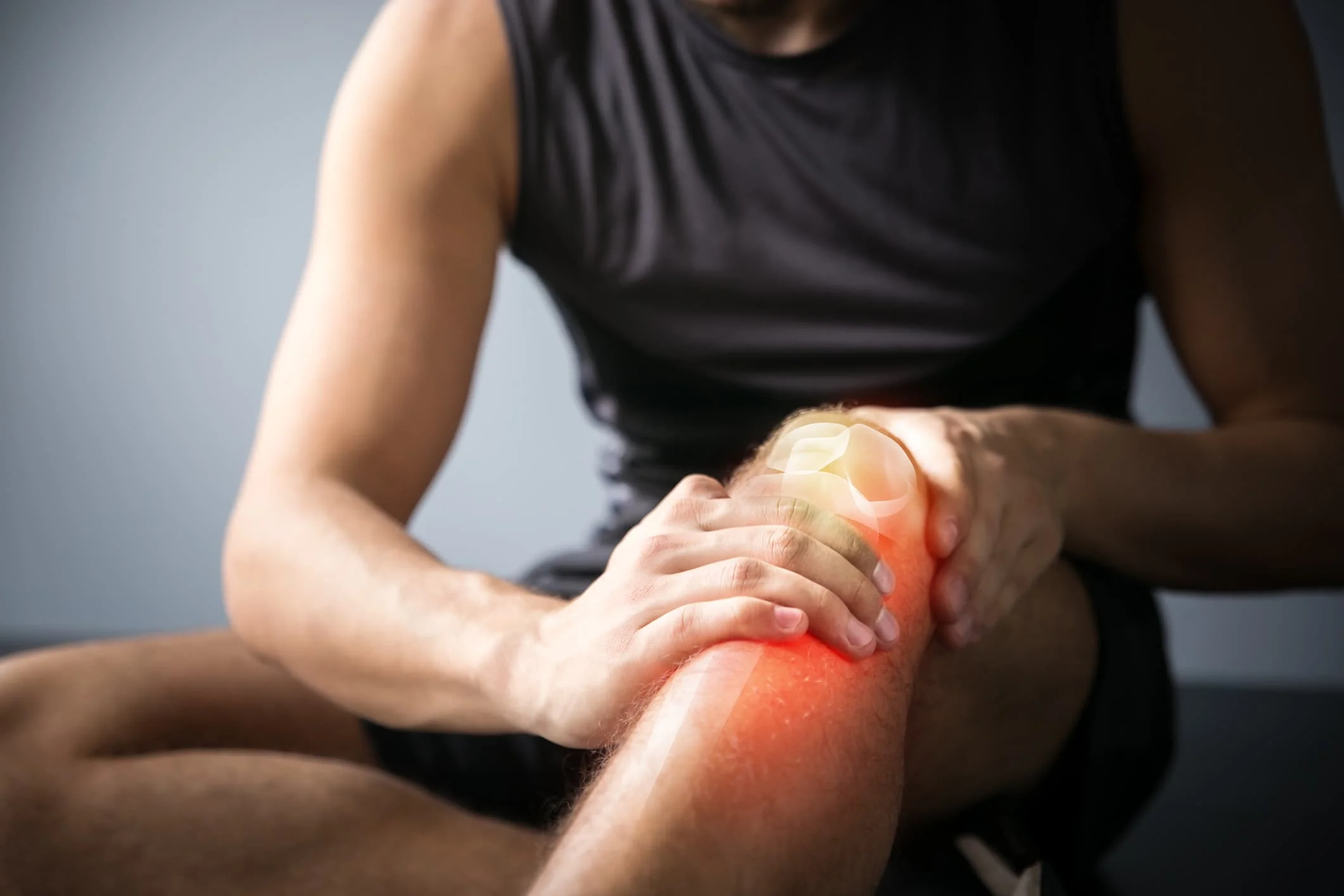
People who love to play sports or engage in athletic activities derive tremendous pleasure from their body’s ability to stretch, run, lift, throw, jump, swim, and so on. When an acute or overuse injury puts an athlete out of commission and makes them unable to participate in their favorite activities, the effect can be devastating. Fortunately, sports injury rehabilitation helps injured athletes recover and get back to the activities they love.
What is sports injury rehabilitation and why is it important for older adults?
In a nutshell, sports injury rehabilitation is the restoration of optimal form and function following a sports injury. For older athletes in particular, it can be the key to living a fulfilling life. Although that may sound somewhat melodramatic, many studies have shown links between activity levels and quality of life in older adults, and sports injury rehabilitation helps injured athletes of all ages return to pre-injury fitness levels and prevent re-injury.
One of the great benefits of youth is the ability to bounce back. As we get older, we lose some of that automatic resilience. Our bodies change, and we lose muscle mass and become less flexible. And because we’ve been around longer, many of us develop some arthritic changes in our weight bearing joints. When the older athlete suffers a sports injury, more rest is required for recovery than with a younger athlete. And during that time, deconditioning happens quickly.
A quality rehabilitation program with a licensed physical therapist will address pain management and provide a prescription for progressive exercises to increase flexibility and range of motion, strength and endurance, and balance and coordination so that the injured athlete can recover and get back to the activities that bring the most enjoyment and satisfaction out of life.
Sports injury rehabilitation following surgery
Active older adults are at the risk of the same types of sports injuries as younger athletes. Some will heal on their own with time and home remedies such as ice and heat therapies. Others benefit greatly from anti-inflammatory medications and/or outpatient physical therapy. But sometimes, severe sports injuries for people of all ages require surgery, and when they do, sports injury rehabilitation is an important part of recovering and regaining pre-injury fitness levels. Some common sports-related surgeries include:
Knee surgery
Knee replacement surgery
Meniscus tear surgery
Knee arthroscopy
ACL reconstruction
Rotator cuff surgery
Shoulder surgery
Shoulder arthroscopy
Physical therapy and rehabilitation for sports injuries usually begins at the hospital shortly after surgery and continues after the patient has returned home.
Physical therapy for sports injury rehabilitation
Although the specifics of each person’s rehabilitation program is different depending on their injury, their physical condition, and the extent of their surgery, most physical therapy programs will include some combination of the following:
Pain management
Swelling reduction
Joint mobilization
Soft tissue mobilization
Stretching
Active resistance exercises
Proper body mechanics
Biofeedback
Muscle tension feedback
Therapeutic ultrasound
Electrical stimulation
Fall prevention and balance retraining
The goal of post-surgical rehabilitation for sports injuries is to support the body’s natural healing process and to strengthen and condition the muscles and joints so the patient can continue their favorite activities without pain or limitation.
Short-term rehab for sports injuries at Bella Vista Health Center
People who suffer a sports injury requiring surgery are often released from the hospital before they’re fully recovered. Short term rehab facilities bridge the gap between hospital and home, providing rehabilitation services in a safe, nurturing environment. At Bella Vista Health Center, we offer premium skilled nursing care and a range of rehabilitative therapies including physical therapy, occupational therapy, speech therapy, and more. Our Lemon Grove rehab center can help you recover, get back on your feet, and continue to live a life you love. If you or someone you love needs sports injury rehab or any of our other services, give us a call at (619) 644-1000 or drop by and visit our facility today.

What are the Early Signs of Heart Disease?
Heart disease, or cardiovascular disease, includes a range of conditions that impede the heart’s ability to do its job. Some of the signs and symptoms of heart disease are easy to mistake or dismiss as run-of-the-mill discomforts.

Even though the heart is one of the most important organs in the body, it most often does its job unnoticed. Year after year, our hearts pump blood through our bodies, providing every single one of our cells with the nutrients required to keep all our systems in order. When the heart is healthy, we don’t think much about it. And despite the important role the heart plays in our overall health, most people don’t recognize the signs of heart problems when they develop.
In addition to making daily heart-healthy choices, it’s important to learn the types of heart conditions that can develop and become familiar their signs and symptoms.
Heart disease signs and symptoms
Heart disease, or cardiovascular disease, includes a range of conditions that impede the heart’s ability to do its job. Some of the signs and symptoms of heart disease are easy to mistake or dismiss as run-of-the-mill discomforts or annoyances. For example, heartburn isn’t always a sign of heart disease, but when combined with neck pain, shortness of breath, and nausea, it could point to a serious heart problem. Take a look below at some of the types of heart conditions and their symptoms, and be sure to alert your doctor if you have any concerns.
Heart attack – A clot clogs blood flow to the heart.
Signs include:
Neck pain
Shortness of breath
Heartburn
Nausea
Upper body discomfort
Dizziness and lightheadedness
Congestive heart failure – The heart muscle is weakened.
Signs include:
Shortness of breath
Fluid build up in the lungs
Fatigue
Swelling in feet, legs, ankles, abdomen, and neck veins
Cardiac arrhythmia – Heart rhythms are abnormally slow, fast, or irregular.
Signs include:
Heart palpitations
Loss of consciousness
Valve problems – Valves are narrow, stiff, leaky, or otherwise faulty.
Signs include:
Chest pain or palpitations
Shortness of breath
Lightheadedness or loss of consciousness
Swollen ankles, feet, or abdomen
As noted, the individual signs and symptoms listed above won’t always point to heart disease, but if you experience extreme symptoms or combinations of symptoms, talk to your doctor. The better care you take of your heart, the longer it can keep taking care of you.
Skilled nursing facility for heart disease treatment
If you have been hospitalized for a heart condition and require additional care after you’ve been discharged, Bella Vista Health Center can provide you with extended care in our 5-star skilled nursing facility. Our short-term rehabilitation program allows for individuals recovering from surgery, illness, or injury to recuperate in a comfortable, therapeutic environment. Every guest at Bella Vista is cared for by a team of medical specialists dedicated to helping facilitate a quick return to optimal health and independent living. If you or someone you know is in need of cardiovascular rehabilitation, please give us a call at 619-644-1000 or stop by and see us in Lemon Grove.

Short-term Rehab After Surgery
a short-term rehab facility can ease the transition from hospital to home, allowing you to fully focus on your recovery so you can quickly return to independent living.

It can be hard to bounce back after surgery. Though you may be eager to resume your normal routine right away, your body will need some time to rest and recover. Depending on the type of operation you’ve had, you may also need some rehab before you can get back on your feet. And while you may have your choice of post-surgery rehab settings, a short-term rehab facility can comfortably ease the transition from hospital to home – allowing you to fully focus on your recovery so you can quickly return to independent living.
The Goal of Short-Term Rehab
Whether you’re having a hip replacement, a heart operation, or cancer treatment, surgery will take a serious toll on your body. You may be dealing with pain, weakness, and a limited range of motion. Simple tasks, like getting dressed, may prove impossible to do on your own. In some cases, you may need to learn to walk all over again.
Short-term rehab in a skilled nursing facility provides a safe, supportive, and comfortable space for you to regain your strength and reclaim your health. At Bella Vista, each patient receives an intensive, personalized program lasting anywhere from a few days to a few months, supported by round-the-clock care from medical professionals. The end goal of short-term rehab is self-sufficiency, helping you get back to your normal life as soon as possible.
Services Offered in Short-Term Rehab
Short-term rehabilitation programs are highly customized depending on individual patient needs and goals. Most programs will include some combination of the following:
Physical Therapy
To help patients regain full mobility, physical therapists engage them in strength training, resistance exercises, and activities to promote balance and stability. Pain management is also addressed through stretching and therapeutic ultrasound.
Occupational Therapy
Occupational therapists help patients identify meaningful activities in their day-to-day lives and ensure they can independently perform or participate in them. Using special training exercises and adaptive equipment, patients can learn to care for themselves and actively engage in their favorite hobbies and tasks.
Speech Therapy
If surgery has impacted your speaking or swallowing abilities, speech therapists can help to resolve any difficulties you may have with eating or communication using one-on-one treatment and training sessions.
Support Services
In addition to therapy, after-surgery care facilities seek to maximize your comfort and recovery through nutritious meals, recreational activities, and opportunities for relaxation.
When to Consider Short-Term Post-Surgery Rehab
Sometimes, it can be difficult to decide between outpatient rehab services or an inpatient short-term rehab facility. Here a few questions to ask yourself when making the choice:
Can you safely get around without assistance?
If you’re having difficulty standing or walking on your own after surgery, it will take some time for you to learn how to get back on your feet. Having 24/7 care available at a short-term rehab facility can provide you with the stability and security you need until you regain your mobility.
Do you feel comfortable taking care of your daily responsibilities?
When you’re recovering from surgery, doing chores or running errands can be a big burden to take on. In short-term rehab, you don’t have to worry about household obligations. All you have to think about is your own recuperation.
Do you have a support network at home to help you out?
After surgery, simple tasks can suddenly become overwhelming – and sometimes, impossible. Without people around to lend a helping hand, you may not be able to live independently – and you may put yourself at risk of getting seriously injured.
After surgery, Bella Vista can help you get back on your feet
Bella Vista Health Center is the best short-term rehab facility San Diego has to offer. We combine the comforts of home with the individualized care and attention of a skilled nursing facility. Above all, we aim to empower our patients and help them get back to independent living as quickly as possible.
Call us at (619) 644-1000 to find out more about our short-term rehab program.

How Long Does it Take to Recover From a Stroke?
When someone experiences a stroke, one of the first questions their loved ones ask is how long it will take to recover.

Every 40 seconds, someone in the Unites States suffers a stroke. Approximately 10% of them make a full recovery. Another 25% recover with some impairment, and approximately 40% will have severe impairments that require special care. The best way to increase the likelihood of a maximum recovery from stroke is to start a strong stroke rehabilitation program right away. But it’s also important to remember that recovery won’t happen overnight.
When someone experiences a stroke, one of the first questions their loved ones ask is how long it will take to recover. There is no single answer to this question. Some patients will recover in a few months, and others may take as long as a few years. Stroke recovery depends on where in the brain the stroke took place, how much of the brain was affected, the health of the patient prior to the stroke, how committed the patient is to recovery, and the strength of the patient’s stroke rehabilitation program.
Exercise for stroke recovery
Exercise is an important component of recovering from a stroke. It can help you restore your balance; recover your fine motor skills, coordination, and muscle functions; control your cholesterol levels; fight high blood pressure; and stave off the depression that can creep in after experiencing the trauma of a stroke. In essence, exercise can help improve your overall wellness, and reduce the risk of further stroke.
In the early days following s stroke, the patient may only be able to perform passive exercises, where they use the non-affected side of their body to assist the affected side. Even though this may not feel like the kind of exercise the patient is accustomed to, these stroke exercises help to reconnect mind to muscle and increase the likelihood of regaining muscle function and overcoming paralysis. The types of exercises for stroke rehabilitation include:
Strengthening exercises
Eye exercises
Balance and coordination exercises
Range of motion exercises
Speech exercises
An effective stroke rehabilitation program will include a customized exercise program overseen by a team that may include doctors, physical therapists, occupational therapists, speech therapists, and other care providers.
What to look for in a stroke rehabilitation program
The sooner stroke rehabilitation begins, the higher the likelihood of maximizing recovery. Stroke rehabilitation usually begins with physical therapy sessions at the hospital soon after the stroke, and depending on the severity of the stroke and the needs of the patient, will either continue through home care, at an outpatient facility, or at a stroke rehab center. When looking for a stroke rehabilitation program, there are a number of factors to consider:
How long has the stroke rehab center been in operation?
Does the program offer a range of therapies for stroke patients?
Is there a team approach to patient care?
Is the staff experienced in stroke recovery?
Is medical care available at the stroke rehab center?
Is there a formal system for evaluating the progress of stroke patients?
Patient comfort is also crucial when it comes to stroke rehabilitation. This includes safety and security in a residential setting, comfort with care providers, and additional services that help meet the emotional and physical needs of patients. Visiting facilitates and meeting care providers in person prior to committing to a particular stroke rehab center is an important part of determining whether or not the program will be a good fit.
Stroke rehabilitation at Bella Vista Health Center
At Bella Vista Health Center, we strive to create a comfortable and nurturing atmosphere for all of our patients. Our team of doctors, therapists, and other care providers are compassionate, highly skilled, and committed to helping each patient recover, rehabilitate, and regain the maximum amount of independence possible. If you or a loved one is in need of stroke rehabilitation, pulmonary rehabilitation, physical therapy, occupational therapy, speech therapy, short term rehab, or any of our other services, please come visit our skilled nursing facility in Lemon Grove or give us a call at 619-644-1000 today.