

Bella Vista Health Center Blog


Skilled Nursing Facility vs. Inpatient Rehab
It’s easy to see why people get confused when comparing IRFs and SNFs. Both inpatient rehab facilities and skilled nursing facilities focus on rehabilitative and recuperative care.
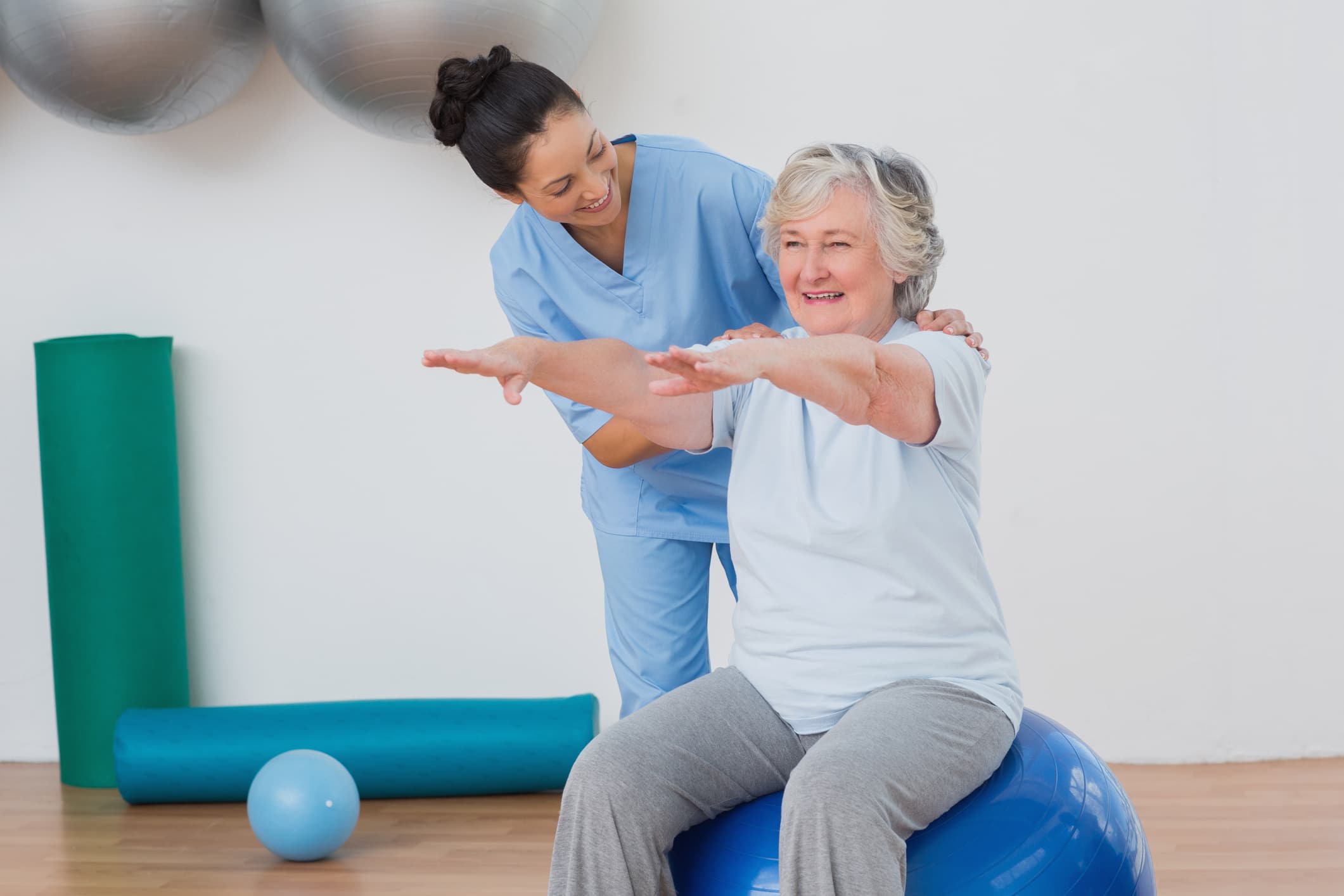
When a person suffers from a stroke, a traumatic injury, or a debilitating disease, a high-quality rehabilitation program makes all the difference when it comes to restoring function and helping the patient achieve optimal health. But choosing a rehabilitation facility can be daunting and confusing. In order to determine the best option for the patient, it’s important to understand what each type of facility offers. Below, we provide some information on the similarities and differences between inpatient rehab facilities (IRF) and skilled nursing facilities (SNF).
Skilled Nursing Facility vs. Inpatient Rehabilitation
It’s easy to see why people get confused when comparing IRFs and SNFs. Both inpatient rehab facilities and skilled nursing facilities focus on rehabilitative and recuperative care with the goal of helping patients to restore maximum function and regain their independence. Both types of facilities offer:
Rehabilitation nursing
Rehabilitation therapies (physical, occupational, and speech)
Audiology
Prosthetics
Orthotics
Social and psychological services
Although both IRFs and SNFs offer a team approach to care, they differ mainly in the intensity of their programs and therapeutic services. The easiest way to think of it is in terms of acute care versus subacute care. An inpatient rehab facility offers acute care for those who need a higher level of rehabilitation following traumatic injuries and surgeries such as amputations. Patients in need of an IRF receive daily rehabilitative therapies, for at least three hours a day up to six days a week.
Skilled nursing facilities, on the other hand, offer subacute rehabilitation, which are similar but less intensive than the therapies provided at an IRF. For example, a patient at an SNF may only meet with their occupational or respiratory therapist three times a week for an hour or so per session. A patient at an IRF will sometimes move to a skilled nursing facility once they no longer require the acute care offered at the IRF but are still not ready to return home.
Does Medicare coverage differ at an inpatient rehab vs a skilled nursing facility?
Medicare coverage does differ between the two facilities. Although it’s important to discuss the details of each person’s coverage individually, there are some general rules that may apply:
Typically, Medicare pays for 90 days per stretch in an inpatient rehab facility, with the first 60 fully covered.
An IRF requires no pre-qualifying hospital stay for Medicare coverage.
In a skilled nursing facility, Medicare pays for 100 days per stretch, with the first 20 days fully paid for under certain conditions.
An SNF requires a 3-day pre-qualifying hospital stay for Medicare coverage.
There are other criteria and requirements for Medicare coverage, and it’s important for each individual to discuss the particulars of their case with their insurance provider or a Medicare service representative.
Bella Vista provides subacute rehabilitation in San Diego
For patients who have transitioned out of the hospital or other acute rehab facilities but are not yet ready to return home, Bella Vista offers a comfortable, therapeutic environment and a wide range of subacute rehab services. Each patient at Bella Vista receives high-quality care from a team of providers dedicated to helping them reach optimal levels of independence in the shortest time possible. For more information on our programs and services, give us a call at 619-644-1000 or stop by and see us in Lemon Grove today.




What is the goal of pulmonary rehabilitation?
Pulmonary rehab helps to provide relief for those with lung conditions such as chronic obstructive pulmonary disease, congestive heart failure, emphysema, lung cancer, asthma, and cystic fibrosis.

Breathing is something most of us don’t have to think about doing, but for people suffering from chronic respiratory disease, breathing is a challenge that can impact every area of their life. Through clinical management and maintenance of respiratory dysfunction, pulmonary rehabilitation is especially beneficial for patients whose symptoms continue despite standard medical treatment.
Pulmonary rehab helps to provide relief for those with lung conditions such as chronic obstructive pulmonary disease (COPD), congestive heart failure, emphysema, lung cancer, asthma, and cystic fibrosis. It is also of great benefit for patients preparing for or recovering from lung surgery.
As with many type of medical therapies—including physical and occupational rehab—pulmonary rehabilitation works toward specific goals, with exercises and treatments that can be customized based on individual diagnoses and needs. Most pulmonary rehab treatment programs aim to achieve one or more of the following:
Reduce symptoms
Shortness of breath and other common symptoms of chronic respiratory conditions can severely reduce a patient’s ability to function as well as their overall quality of life. Through exercise training, nutritional counseling, energy-conserving techniques, and breathing strategies, a multidisciplinary team of health care professionals help patients achieve and maintain their maximum level of independence and functioning at home and in the community.
Prevent complications
If left unaddressed, symptoms of chronic respiratory conditions can worsen and lead to severe medical conditions, including muscle dysfunction, cardiac impairment, skeletal disease, and sensory defects. Complications of pulmonary diseases can lower the effectiveness of existing medications, lead to frequent hospitalizations, and result in anxiety and depression. Patients who participate in pulmonary rehab before symptoms worsen have a better chance of avoiding these complications and maintaining optimal health.
Improve functions of daily life
Many patients with chronic lung conditions have difficulty performing daily activities due to shortness of breath and other symptoms. Pulmonary rehab techniques help maximize lung strength and endurance, making it easier for patients to perform the tasks of daily living and maintain their independence. Pulmonary rehabilitation can also increase a patient’s ability to exercise and participate in social activities, leading to better health and a higher quality of life.
Promote education and support
Pulmonary rehabilitation can last as long as individual patients require, but it is ultimately a temporary program. In order to achieve and maintain optimal health, patients must continue to participate in their recovery at home. Any quality pulmonary rehab program will include disease education and management suggestions—for patients and family members—as well as support group recommendations for patients following treatment.
Patient-centered pulmonary rehab at Bella Vista Health Center
Every person with a chronic respiratory condition is different, so there’s no reason why pulmonary rehab treatments should be the same. At Bella Vista Health Center, our respiratory therapists work with physicians, nurses, dieticians, and other health professionals to coordinate a comprehensive care strategy customized to each patient’s needs. If you’re looking for pulmonary rehab centers in the San Diego area for yourself or a loved one, Bella Vista offers a compassionate, patient-centered approach to pulmonary rehabilitation. For more information or a tour of our 5-Star Skilled Nursing Facility, give us a call at (619) 644-1000 or fill out our contact form today.

How Long is Short-Term Rehab?
The ultimate goal of short-term rehabilitation is to help patients achieve their maximum functional capacity and return to independent living in the shortest time possible.
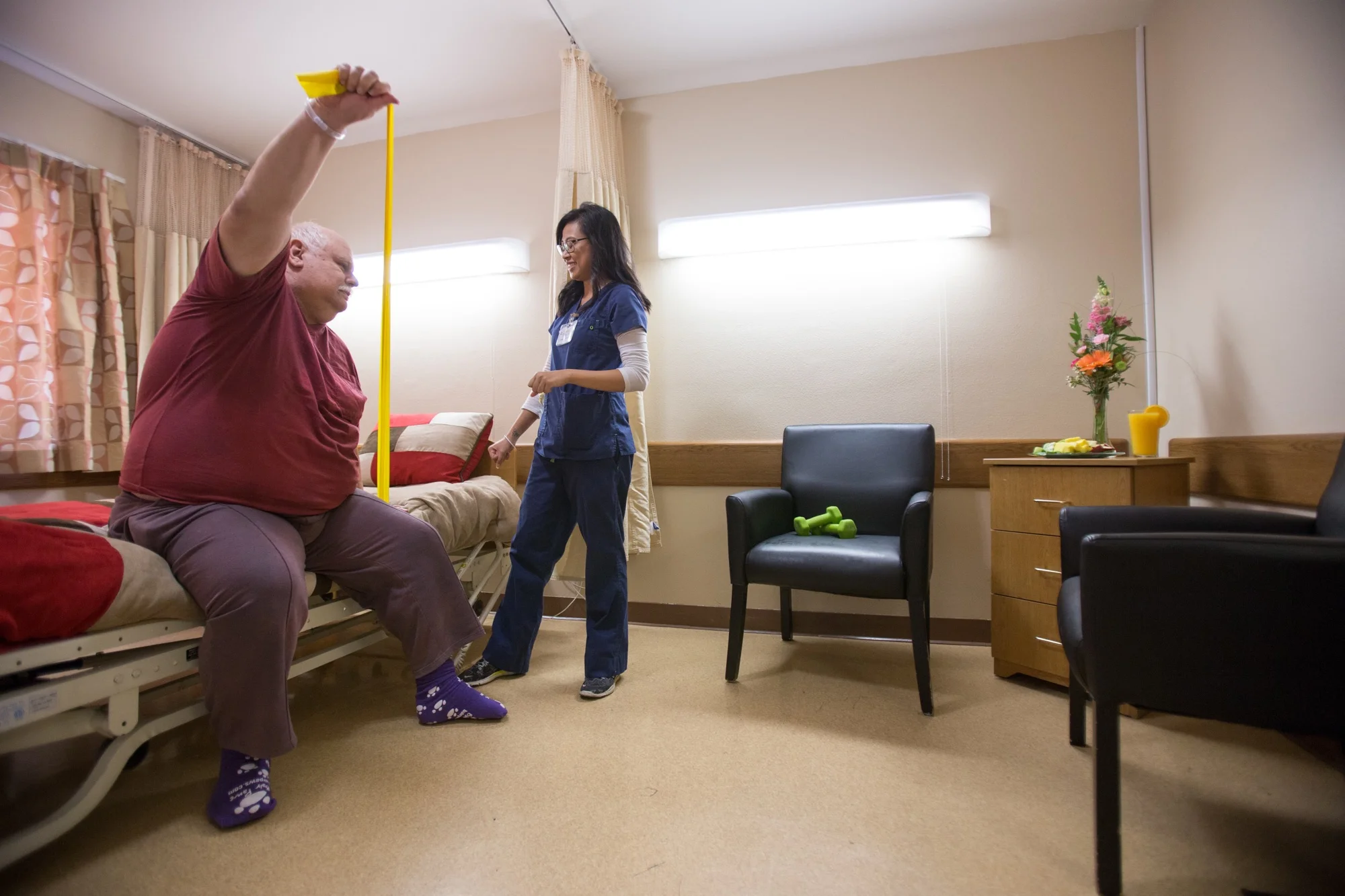
Short-term rehabilitation provides treatment for individuals recovering from a surgery, illness, or injury. It typically involves a combination of physical, occupational, or speech therapy. Each patient’s individual needs will determine the particular methods used.
The ultimate goal of short-term rehabilitation is to help patients achieve their maximum functional capacity and return to independent living in the shortest time possible. The length of time a patient spends in short-term rehabilitation can range from as little as a few days to as long as a few months, depending on a variety of factors, including those listed below.
The type of illness or injury
Recovery from an uncomplicated injury or surgical procedure will typically be shorter than recovery from a severe illness or more complex injury. It is important to note, however, that healing periods can last longer during short-term rehab for elderly patients. Stroke or cardiac and respiratory ailments usually require longer rehab durations, as do injuries such as hip fractures, knee replacements, and spinal cord injuries. In general, if personalized short-term rehab goals are not achieved within 12 weeks or so, the patient might need to transition into long-term rehabilitation.
The severity of a patient’s illness or injury
As mentioned above, severe illnesses and injuries require more time in short-term rehabilitation. Severity is usually measured by how many body parts or systems are affected and how soon the patient can move affected areas after hospitalization. For instance, if a patient can move a fractured limb on command at the start of short-term rehab, the length of treatment may be short. But if there is no initial ability to move the limb, additional time will be required to reach maximum independence.
The patient’s individual goals
A patient-centered approach to short-term rehabilitation means treatment plans are customized to each patient and include input from the patient’s doctor, therapists, care providers, and family members, if desired. Once goals have been established, the rehab team will work together to help the patient achieve those goals and meet regularly to review progress. Individual goals can range from simple transitions between the bed and a chair or toilet, to more advanced tasks such as buttoning up a shirt or climbing/descending stairs safely with minimal assistance.
Short-term rehab vs. long-term rehab
Short-term rehabilitation is often a beneficial solution for patients unable to perform daily tasks such as eating, bathing, and dressing during the healing period after a sudden illness, injury, or surgery. In certain cases, however, patients might still have trouble with daily tasks due to the severity of their condition, or suffer from underlying medical conditions, such as dementia or Alzheimer’s disease, that complicate recovery. In these cases, long-term rehabilitation at a skilled nursing facility might be required, especially if there are concerns about the patient’s safety in living independently.
Short-term rehabilitation at Bella Vista Health Center
At Bella Vista Health Center, the goal of our short-term rehab program is to help each patient achieve optimal physical, cognitive, and emotional health during the transition between hospital and home. We understand that such transitions can be challenging, and we’re committed to providing a pleasant, nurturing environment that supports every patient in their recovery process. If you or a loved one is in need of short-term rehabilitation, contact us today at (619) 644-1000 for more information or a tour of our 5-Star Skilled Nursing Facility.

What Kind of Patients do Physical Therapists Treat?
physical therapy is a wide-ranging treatment program that helps patients of all ages with a wide variety of health problems.
Many people associate physical therapy with recovery from an injury or surgery, but physical therapy is a wide-ranging treatment program that helps patients of all ages with a wide variety of health problems. Physical therapy primarily aims to ease pain and help improve mobility, prevent disability, and manage chronic illnesses.
Physical Therapy Treatment methods typically include:

Stretching
Strength training
Mobility training
Endurance exercises
Joint mobilization
Manual therapy
Electrical muscle stimulation
There are five main specialties within physical therapy, plus several emerging sub-specialties to help an even wider range of patients. Here are the main types of patients that physical therapy treats:
Orthopedic patients
Orthopedic physical therapy aims to restore function to the musculoskeletal system, including joints, tendons, ligaments, and bones. Patients recovering from sports injuries fall into this category, along with patients healing from fractures, sprains, tendonitis, bursitis, and rehabilitation from orthopedic surgery.
Geriatric patients
Geriatric physical therapy is focused on conditions unique to older adults that affect their mobility and physical function, such as arthritis, osteoporosis, joint or hip replacement, balance disorders, and dementia. Physical therapy can also help seniors recovering from injuries related to falls. The goal of geriatric physical therapy centers around restored mobility, reduced pain, and increased physical fitness. Geriatric patients can also benefit from treatments that accommodate physical limitations.
Neurological patients
Neurological physical therapy treats patients with conditions and impairments including Alzheimer’s disease, brain injury, cerebral palsy, multiple sclerosis, Parkinson’s disease, spinal cord injury, and stroke. Treatment plans focus on achieving the highest level of function for living as independently as possible by increasing limb responsiveness and muscle strength, and adapting to visual, balance, and mobility impairments.
Cardiopulmonary patients
Cardiovascular and pulmonary physical therapy helps patients recovering from a heart attack or suffering from chronic obstructive pulmonary disease (COPD) or pulmonary fibrosis. With treatments focused on increasing physical endurance and stamina, the ultimate goal of cardiovascular physical therapy is to improve functional independence.
Pediatric patients
Though Bella Vista Health Center does not offer it, pediatric physical therapy definitely deserves a mention here. It treats infants, toddlers, children and adolescents suffering from injuries or diseases including orthopedic disabilities, muscle diseases, genetic disorders, limb deficiencies, head trauma, acute injury, birth defects or developmental delays Pediatric physical therapy has the best chance for success when patients are treated as soon as they experience problems that inhibit natural movement and learning.
Emerging sub-specialties in physical therapy
Conditions that physical therapists treat have expanded in recent years, with several emerging sub-specialties now available, including:
Vestibular rehabilitation, which treats patients with balance and coordination problems caused by deficits in the inner ear, such as vertigo or dizziness.
Pelvic floor rehabilitation, focusing on relieving pelvic pain, reducing lymphatic swelling, and controlling fecal and urinary incontinence caused by medical conditions, injury, or surgery.
Decongestive therapy, treating patients with lymphedema and other conditions that involve fluid accumulation.
Patient-centered physical therapy at Bella Vista
Bella Vista Health Center’s physical therapy department provides evidence-based, outcome-driven therapy programs that are customized for each patient. If you or someone you love is in need of physical therapy in San Diego, contact us today at (619) 644-1000 for more information or a tour of our 5-Star Skilled Nursing Facility.

What Are The Types of Post-Acute Care?
Post-acute care blends well with existing services offered at skilled nursing facilities, with treatments customized to each patient’s need. Here are some of the types of post-acute care available.
Years ago, people suffering from illness, injury, or major surgery were able to recover in the hospital as long as they needed, but modern health insurance policies have trended toward reducing time spent in the hospital. In place of extended hospital care, post acute care has become an essential health service offered by nursing homes, home healthcare aides, and skilled nursing facilities.
Post-acute care blends well with existing services offered at skilled nursing facilities, with treatments customize*d to each patient’s need. Here are some of the types of post-acute care available:
Wound care and other medical services

Many severe wounds require frequent monitoring and bandage changes to prevent infection and ensure the healing process is proceeding properly. Patients recovering from amputations, burns, and other major injuries benefit from treatment at post-acute care facilities, which also provide medical services, such as changing IVs and administering medications.
Physical therapy
After a major injury, surgery, or extended illness, many patients require physical therapy to increase mobility, strength, and range of motion. With the goal of returning patients to their pre-injury or pre-illness abilities, physical therapy is beneficial for those recovering from hip fractures, cerebrovascular accidents, and a wide range of orthopedic conditions. Physical therapy is also helpful for patients with chronic conditions such as arthritis, and patients recovering from a stroke or spinal cord injury. Rehabilitative methods include stretching, active resistance exercises, biofeedback, and manual therapy.
Occupational therapy
Occupational therapy helps improve a patient’s ability to perform daily routines such as eating, bathing, dressing, housework, and meal preparation after suffering from major fractures, amputations, burns, spinal cord injury, and stroke. Occupational therapy can also help improve strength, mobility, and cognitive limitations such as memory loss and problem-solving difficulties for patients with neurological disorders. Rehabilitation often involves adaptive equipment training with special devices that help patients perform daily living activities and ease mobility.
Speech therapy
Speech therapy is often associated with children learning to pronounce sounds correctly, but it is an incredibly useful and successful treatment for patients recovering from a brain injury, stroke, or neurological disorder that has affected communication skills. Patients learn how to speak concisely, find the right words, and exercise volume control. Speech therapy also helps with cognition, memory, and reading and writing, and is useful for patients suffering from dementia. Another unique benefit of speech therapy is dysphagia retraining, which strengthens throat muscles for patients having trouble swallowing after a stroke, brain injury, or other damage to the central nervous system.
A compassionate continuum of care
Bella Vista Health Center provides a patient-centered continuum of care, offering short-term rehabilitation or long-term care after hospitalization. Stroke therapy in San Diego. We understand that transitions can be challenging, and we offer customized treatment programs that address both the physical and emotional needs of each patient. Our professional and compassionate team of physicians, nurses, therapists, psychologists, and social workers ensure the transition from hospital to home will be as smooth as possible in our calm and nurturing atmosphere. If you or a loved one is in need of post-acute care, we can help. Call us at (619) 644-1000 or fill out our contact form to schedule a tour of our 5-Star Skilled Nursing Facility.

Why Occupational Therapy Is Important In Mental Health
By engaging in an occupational therapy program, seniors can learn strategies to maintain their independence, and thus improve their overall mental health.

Susan B. Anthony said, “Independence is happiness.” But for millions of older adults, independent living is an ever-increasing challenge. Reduced mobility, chronic pain, or degenerative illness can severely impact the capacity for self-care. And when a person’s independence is threatened, so is their mental wellbeing.
According to the World Health Organization, 15% of older adults worldwide suffer from a mental health disorder, with the most prevalent condition being depression. In the older population, depression is both underdiagnosed and undertreated, but the consequences of inaction can be extremely dangerous.
Fortunately, by engaging in an occupational therapy program, seniors can learn strategies to maintain their independence, and thus improve their overall mental health.
Purposeful living is important to your mental health
A study conducted by the Journal of the American Medical Association found that independent functioning in older adults was linked to living a purposeful life. Purposeful living is all about setting meaningful personal goals and taking the steps necessary to achieve them. This helps to cultivate a sense of accomplishment and self-worth, which not only reduces the risk of depression, but has also been shown to slow memory loss and mood changes associated with dementia. It can also improve physical health and lead to a longer life span.
Personal goals don’t have to be big to be meaningful. Something as simple as cooking your own meals, caring for a pet, or engaging in interesting and worthwhile hobbies can have a huge impact on your overall state of mental health. But as you age, simple tasks like these can become very difficult. And if you’re dealing with long-term illness or memory loss, living a purposeful life can seem like an impossible endeavor.
How occupational therapy can help you live a purposeful life
Seniors who are struggling to live independently and with purpose can regain a sense of autonomy by participating in an occupational therapy program. Occupational therapy activities for adults usually involve setting meaningful goals, identifying obstacles to those goals, and modifying behaviors to overcome those obstacles.
Some common goals that provide meaning and purpose to the lives of older adults may include:
Running errands. Going to the grocery store, the post office, or the library lend structure to the day and encourage self-sufficiency.
Socializing. Spending quality time with family or friends prevents isolation and loneliness, which can lead to depression and anxiety.
Housekeeping. Caring for your home and your belongings contributes to feelings of comfort, pride, and productivity.
When to seek out occupational therapy
Occupational therapists can help improve quality of life for people who are suffering from a wide range of illnesses or conditions. Some reasons you might want to seek out occupational therapy include:
Injury. If you’ve recently undergone surgery or some other physical trauma, occupational therapy can be an important part of your recovery plan. The difference between occupational and physical therapy is that occupational therapy does not directly treat the injury; rather, it takes a holistic approach to healing, focusing on finding ways to help patients achieve their goals despite their physical limitations.
Depression. People who are suffering from depression may lack the motivation or resources to participate in meaningful activities. An occupational therapist can help patients define their goals and structure their lives in a purposeful manner.
Dementia. While progressive neurological conditions such as Alzheimer’s disease or dementia are irreversible, dementia occupational therapy can slow down memory loss and help older adults live independently for as long as possible.
Bella Vista offers occupational therapy
If you believe you or a loved one can benefit from occupational therapy, Bella Vista Health Center can help. Our skilled and compassionate occupational therapists can help you set meaningful goals and maximize your independence and quality of life. With some of the best occupational therapy San Diego has to offer, we design customized treatment plans for each of our patients, while prioritizing their safety, comfort, and wellbeing. Call us at (619) 644-1000 and find out more about what our occupational therapy program can do for you.

What Happens In A Respiratory Therapy Program?
If you’re struggling to catch your breath, it can be difficult to live the life you want to live. The good news is that a respiratory therapy program can help strengthen your lungs and improve your quality of life.
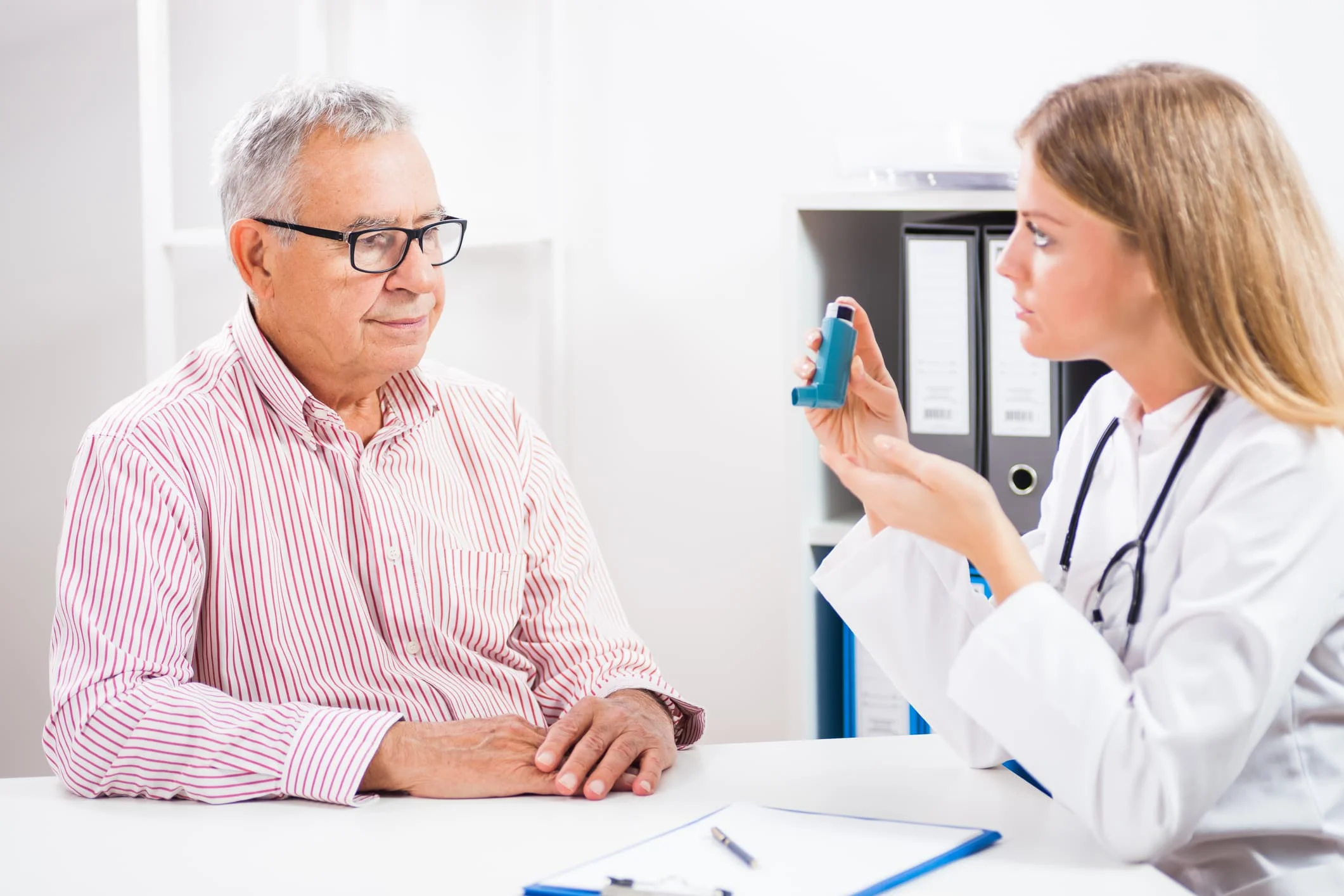
Breath is life. From the moment we’re born, our lungs work hard to supply our bodies with the health-giving oxygen we need to survive. As the years go by, all that hard work can sometimes take its toll. The older we get, the higher our chances are of developing a breathing problem. If you’re struggling to catch your breath, it can be difficult to live the life you want to live. The good news is that respiratory and pulmonary rehabilitation programs can help strengthen your lungs and improve your quality of life.
When would I need to see a respiratory therapist?
A number of different illnesses or afflictions can negatively impact your ability to breathe. Some common conditions that might cause a person to seek out a respiratory therapy program are:
Chronic Obstructive Pulmonary Disease (COPD)
Lung surgery
Pneumonia
Congestive heart failure
Asthma
Before you begin a course of treatment, a skilled respiratory therapist will perform a full assessment of your health, including taking a full medical history and evaluating your symptoms. Once your diagnosis is complete, therapy can begin.
What are the treatments used in respiratory therapy?
No two respiratory therapy programs will look the same, as each course of treatment is tailored to an individual patient’s medical needs. Your program may include any of the following therapies:
Chest physiotherapy
Also known as chest physical therapy, CPT is a method of clearing the lungs of mucus using clapping and vibration.
Incentive spirometry
An incentive spirometer is a device that helps you practice taking slow, deep breaths. These exercises can improve your lung capacity and open up your airways.
Aerosol treatments
Commonly known as compressors or nebulizers, aerosol treatments convert liquid medication into a fine mist that can be inhaled. Delivering medication directly to the lungs in this manner can help fight infection, reduce wheezing, and make breathing easier.
Oxygen administration
Supplemental oxygen can be given to patients who are showing signs of respiratory distress. When needed, respiratory therapists can also provide mechanical ventilation.
How long does a respiratory therapy program last?
Some programs last a few weeks, while others require lifestyle changes to accommodate more permanent treatments. For those who have chronic breathing problems, pulmonary rehabilitation can help you learn to manage your symptoms and improve your ability to function in day-to-day life.
Some features of a pulmonary rehabilitation program are:
Exercise training
Maintaining physical fitness and building endurance is crucial to pulmonary health. A skilled respiratory therapist will design an exercise program to fit your needs.
Nutritional counseling
Nourishing your body with healthy food is important for your overall wellbeing. Additionally, being overweight or underweight can significantly impact your ability to breathe and make an existing lung problem even worse.
Emotional support
Having a chronic breathing condition can make you prone to depression or anxiety. A reputable pulmonary rehabilitation program will provide you with a support system to help you manage your stress and frustration.
Education
Learning all you can about your condition, your medication, and how to alleviate symptoms empowers you to lead an independent life without being burdened by breathing problems.
Where can I find pulmonary therapy near me?
Bella Vista Health Center offers respiratory therapy and pulmonary rehabilitation programs in San Diego. We have experience treating patients with all manner of chronic lung conditions, those who are preparing for or recovering from lung surgery, and those who are suffering from an acute respiratory illness. Our 5-star skilled nursing facility has been recently remodeled, ensuring a safe, comfortable, and caring environment for our patients.
If you’re struggling with a breathing problem, Bella Vista Health Center can help. Call us at (619) 644-1000 and find out more about our respiratory services.

What Is Occupational Therapy Used For?
occupational therapy focuses on helping people do the things they need to do in their everyday lives. Patients learn ways to overcome their challenges and participate in their own self-care.

Our daily lives consist of dozens of seemingly mundane activities: climbing stairs, going grocery shopping, getting dressed. Simple tasks like these are known as occupations, and although we rarely think about them, they’re an important part of living a meaningful, independent life.
Unfortunately, many older adults have trouble performing these everyday activities, due to illness, injury, or cognitive disorders such as dementia. But being able to function independently is crucial to maintaining good health – both physically and emotionally. And with occupational therapy, seniors can maximize their independence and quality of life.
What is occupational therapy?
Simply put, occupational therapy focuses on helping people do the things they need to do in their everyday lives. Through rehabilitation, prevention, and education, patients learn ways to overcome their challenges and participate in their own self-care.
Occupational therapists are highly skilled health professionals who take a holistic approach to treatment. By assessing patient needs, limitations, and surroundings, therapists work alongside patients to design customized intervention plans that can help them achieve their occupational goals.
The benefits of occupational therapy
Anyone who struggles to handle their daily responsibilities may benefit from occupational therapy. Participating in occupational therapy activities can help older adults:
- Develop life skills
A serious injury or medical condition may complicate tasks that once came easily. With occupational therapy, patients can learn new ways to live their lives, finding workable solutions for new physical or mental challenges.
- Stay healthy and productive
Some occupational therapy activities for adults may include strength training or flexibility exercises. These exercises help improve patient coordination and control, reducing the risk of future injury while encouraging an active lifestyle.
- Achieve independent living
A major goal of occupational therapy is to get patients back in their own homes, doing the things they love, and functioning independently.
- Feel empowered
The holistic perspective provided by occupational therapists focuses on the priorities of the individual patient. By getting to know what matters to them personally, therapists can help their patients live their best possible lives.
What an occupational therapist does
An occupational therapist is an expert at identifying barriers that prevent patients from accomplishing their goals, then developing methods to work around them. Because every patient is unique, occupational activities for adults may vary, but some common services provided by therapists are:
- Conducting thorough assessments
Occupational therapists spend a long time getting to know their patients, understanding what’s important to them, what they enjoy doing, and where they most need support.
- Making environmental changes
After evaluating a patient’s current living environment, occupational therapists often make suggestions to improve their safety and comfort, such as removing environmental hazards or adding assistive devices.
- Educating patients
Occupational therapists teach coping skills, design wellness programs, and help patients establish new routines. They can also provide training for adaptive equipment or assistive technology that will improve quality of life.
- Supporting caregivers
Occupational therapists show family members and loved ones how to promote patient independence while maximizing the quality time they spend together.
Bella Vista Health Center provides occupational therapy in San Diego
No matter what your barriers to daily living may be, Bella Vista can help you overcome them. With some of the best occupational therapy san diego has to offer, we provide services to patients recovering from surgery, rehabilitating after a stroke, or living with chronic disease or dementia. Our full service skilled nursing facility is focused on empowering patients to live their best lives and preparing them for independent living.
If you believe you or a loved one will benefit from occupational therapy, call us at (619) 644-1000.

What is Involved in a Cardiac Rehab Program?
A cardiac rehab center bridges the gap between hospital and home, offering patients a therapeutic place to recover and learn about lifestyle changes that can improve their cardiovascular health.

For aging adults, surviving a life-threatening heart condition takes a tremendous toll – both physically and emotionally. When a person is discharged from the hospital following a heart attack or heart surgery, he or she may be referred to a cardiac rehab center for continued care. A cardiac rehab center bridges the gap between hospital and home, offering patients a therapeutic place to recover and learn about lifestyle changes that can improve their cardiovascular health.
What is cardiac rehab?
Cardiac rehab is a medically supervised program focused on helping cardiac patients recover from the physical trauma of a heart attack, heart surgery, or congestive heart failure. It also provides emotional and mental support during this difficult time, empowering patients to regain control over their own health. Cardiac rehab is a group effort, with a patient receiving encouragement from a full team of doctors, nurses, and physical therapists, plus family and friends.
The goals of cardiac rehab are to increase a patient’s ability to carry out daily activities, implement lifestyle changes to reduce risk factors, and improve his or her quality of life.
What is involved in a cardiac rehab program?
The first phase of cardiac rehabilitation occurs when you are still in the hospital. Soon after you stabilize, your medical team will assess your mobility and begin planning for discharge. You may be prescribed an assistive device to help you get around safely, and a social worker will speak with your family about your condition and the benefits of transitioning to a cardiac rehab center
After a patient is discharged and enters a cardiac rehab center, he or she will enter the second phase of rehabilitation. Phase two typically occurs in a skilled nursing facility and involves cardiac rehab exercises designed to improve your cardiac fitness. During this time, your cardiac rehabilitation team will keep a close watch on how exercise affects your heart. You will learn about how to monitor your heart rate during exercise and prepare for more independent activities.
In phase three, you will perform more independent and group cardiac rehab exercises designed to increase your exercise tolerance. Don’t worry; your physical therapist will be there to monitor any changes that come up. In addition to cardiac physical therapy, your healthcare team will provide education on lifestyle changes that can help prevent a future heart attack. Depending on the program, you may receive nutritional counseling, stress management strategies, tips for quitting smoking, and other advice for managing your risk factors. Individual and group psychotherapy offer immense support throughout this emotional time.
Phase four is called the maintenance phase. This phase typically occurs after you have returned home, and you become responsible for you own conditioning. While this phase is independent, your physical therapist will be available to prescribe new cardiac rehab exercises that will help you achieve optimal health and fitness.
Looking for a cardiac rehab center in San Diego?
At Bella Vista Health Center, our 5-star skilled nursing facility provides a safe, therapeutic space for patients to rehabilitate after a traumatic cardiac event. Our team of dedicated healthcare professionals includes doctors, nurses, physical and occupational therapists, social workers, and nutritionists, who will work together to develop a customized program of care to help you return to wellness. Give us a call at (619) 644-1000 or stop by our facility in Lemon Grove for a tour.

How To Recover From A Hip Fracture
With proper care and attention, hip fracture recovery is possible. Here are a few important guidelines to help you get back on your feet after a fall.

A hip fracture is a serious injury – and, among senior citizens, it’s also very common. According to the cdc, over 300,000 older americans are hospitalized for hip fractures each year, and over 95% of those fractures are caused by a bad fall. Diminished bone density caused by aging, coupled with poor balance and weak muscle tone, leave seniors vulnerable to these potentially life-threatening breaks.
With proper care and attention, though, hip fracture recovery is possible. Here are a few important guidelines to help you get back on your feet after a fall.
Go to physical therapy
Perhaps the most important thing you can do to encourage healing after a hip fracture is to participate in a regimen of physical therapy. A licensed physical therapist will engage you in activities aimed to increase your range of motion and flexibility, and eventually get you walking unassisted. Additionally, the physical therapist will give you hip fracture exercises to perform independently to help you get the most out of the program. Whether it’s inpatient, outpatient, or home-based, your doctor will know what kind of therapeutic care is best for you.
Listen to your body
It’s important to remain active, but pain is a sign that your body needs rest. If you’re feeling intense discomfort or irritation, stop what you’re doing and take it easy. Elevate your feet to relieve swelling, and ice the affected area for 10 to 20 minutes at a time. Also, make sure to get plenty of sleep. By allowing your body the chance to rest and rejuvenate, you’ll help speed up the healing process.
Eat a healthy diet
Nutrition has a significant impact on our health, including how well we can recover from hip fractures and other injuries. To promote fast and effective recovery, it’s important to eat a balanced diet rich in fruits, vegetables, and lean sources of protein. Limiting your fat and sugar intake will also improve your health, and vitamin supplements can fill in the nutritional gaps.
Take medication as prescribed
In all aspects of hip fracture recovery, it’s crucial to follow your doctor’s orders. This includes taking all your prescribed medications, exactly as you’ve been instructed. Taking them can mean the difference between life and death, comfort and pain. If you’re experiencing any side effects from your medications, speak to your doctor immediately.
Stay connected with loved ones
Understandably, you value your independence, but after suffering a hip fracture, it’s important to reach out for help when you need it. Ask friends and family members to assist you with daily chores and wound care until you get back on your feet. Overexertion will only delay your recovery, and possibly cause another injury.
Practice accident prevention
To avoid falling again, you should eliminate any potential dangers in your home and set yourself up for safety. Install ramps and handles where necessary, such as near staircases or in bathtubs. Clear away tripping hazards, such as throw rugs or electrical cords. Your physical therapy regimen will also help to improve your balance, coordination, and strength to help keep you on your feet.
Bella vista health center offers hip fracture rehab in san diego
Recovering from a hip fracture takes time, patience, and the help of skilled medical professionals. At bella vista, we offer short-term hip fracture rehab to help you get moving again. Our highly trained staff of nurses, physicians, and therapists provide 24-hour support in a caring and comfortable environment. We strive to give each patient an individualized rehabilitation experience, with the goal of quickly returning to independent living.
For more information on our hip fracture recovery program, call us today at (619) 644-1000.