

Bella Vista Health Center Blog


What Are The Signs Of Needing A Hip Replacement?
Hip replacement surgery can significantly reduce pain & improve quality of life, but how do you know if you need one? See these 5 signs.

Osteoarthritis, rheumatoid arthritis, and bone loss can all result in hip pain that won’t go away. Chronic hip pain makes it difficult to move around and enjoy the activities of daily life. If you’ve tried a number of different pain reduction strategies and therapies but still haven’t found sufficient relief, your doctor may recommend hip replacement surgery. A hip replacement can significantly reduce pain and improve quality of life, but how do you know if you need one? These 5 signs may indicate that you need a hip replacement:
1. Chronic hip pain
Recurrent hip pain or constant hip pain that’s severe enough to require medication and interfere with your ability to walk, sleep, or stand or sit comfortably may be a sign of joint damage that can only be resolved with a hip replacement.
2. Difficulty with routine tasks
If hip pain or a limited range of motion is making it difficult to perform routine activities such as standing up from a chair, tying your shoes, or other activities that require bending, walking or lifting your leg, you may need a hip replacement to eliminate the pain and stiffness and restore hip function.
3. You’ve tried everything else
Before recommending hip replacement surgery, most doctors will refer you to less invasive treatments such as anti-inflammatory medications, physical therapy, and steroid injections. In many cases, these interventions help minimize pain, but when they no longer work to provide relief, surgery may be indicated.
4. Hip pain is affecting your mood
Living with constant pain is stressful and can take a toll on your mental and emotional wellbeing. Maintaining high levels of stress hormones can cause a whole host of additional problems, including fatigue, difficulty concentrating, decreased appetite, and mood changes, ultimately leading to anxiety and depression. If persistent hip pain is affecting your mood, self-esteem, or enjoyment of life, hip replacement surgery may bring welcome relief.
5. Unwanted side effects from pain medication
Some people are able to control their hip pain with medications, but when those medications come with unwanted side effects, it puts the individual in the difficult position of choosing between the two. If your hip pain medications are causing you digestive problems, headaches, drowsiness, loss of appetite or other uncomfortable side effects, hip replacement surgery may be a better solution.
Hip replacement surgery can provide wonderful and much-needed relief from hip pain. But it does require significant recovery time. Not everyone is ready to return home after they’ve been discharged from the hospital following hip replacement surgery. If you live alone or for any other reason need daily assistance after hip replacement, Bella Vista is here for you.
Looking for hip replacement rehab? Visit Bella Vista today
At Bella Vista Health Center, we offer inpatient rehabilitation in our 5-star skilled nursing facility, providing a safe transition between hospital and home. Every patient receives a customized rehab therapy plan designed to help them recover quickly and return to all their favorite activities as soon as possible. For more information on hip replacement rehab, give us a call at (619) 644-1000 today.

How Long Does A Hip Replacement Last?
While hip replacement is a major surgery that involves significant recovery time, the results are long-lasting and well worth it. Exactly how long-lasting?
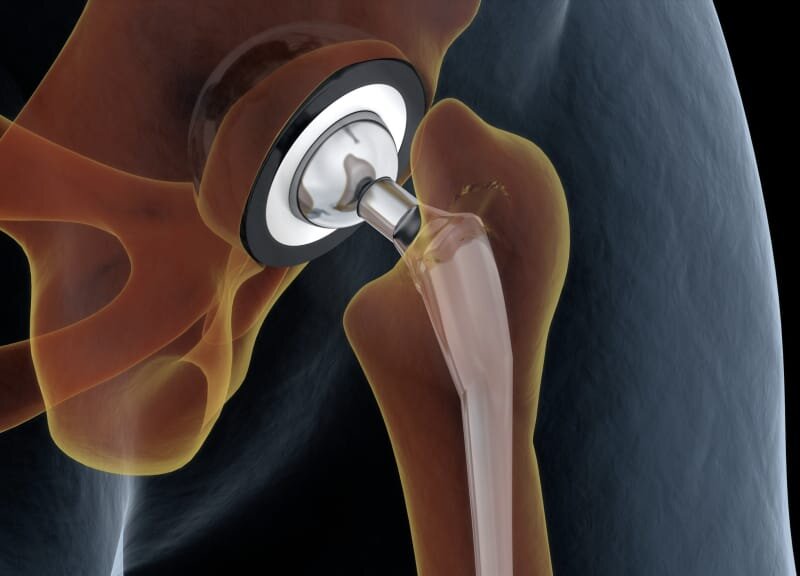
Hip replacement surgery is one of the most successful orthopedic surgeries, as evidenced by the high patient satisfaction rate. Replacing damaged bone and cartilage with prosthetics restores a person’s ability to participate in daily activities pain-free. While hip replacement is a major surgery that involves significant recovery time, the results are long-lasting and well worth it. Exactly how long-lasting? Read on for more information about hip replacement surgery and how long it lasts.
What is arthritis of the hips?
Hip arthritis refers to damage of the hip joints. While there are many different types of arthritis, osteoarthritis is the most common. It can damage any joint, but is most often found in the hands, knees, hips, and spine. Osteoarthritis of the hips occurs when the joint surface cartilage is worn away, resulting in a rough joint surface and a grating sensation inside the joint. The main culprits of osteoarthritis are genetics, age, weight, and lifestyle (such as sports or profession). Hip arthritis causes pain and stiffness in the hips and decreases range of motion, making it difficult to walk, exercise, or participate in the activities of daily living.
There are a number of non-surgical options for minimizing the symptoms of hip arthritis. These include lifestyle modifications, weight loss, physical therapy, walking supports, and medications. But in severe cases, a hip replacement is often a more effective and longer-lasting solution.
What is a hip replacement?
Hip replacement surgery is a procedure that involves removing damaged or diseased bone and cartilage from the hip joint and replacing them with prosthetic components made of some plastic, metal, and ceramic. Hip replacement is major surgery, and is typically only recommended when the patient experiences:
Hip pain that limits their daily activities
Limited mobility in the hips
Hip pain even when resting and not moving the joint
Continued pain and discomfort even after trying other methods of pain management
Hip replacement surgery has a high success rate and a high patient satisfaction rate. The procedure doesn’t just relieve pain, it restores a person’s quality of life by allowing them to maintain a healthy, active lifestyle and participate in activities they enjoy.
How long does a hip replacement last?
We hate to break it to you, but a hip replacement does not last forever. It may feel like it, though, as today’s prosthetic hips do last quite a long time— 20 years or more. Just like with natural hips, the prosthetic hips are susceptible to wear and tear from everyday use. The better care you take of your body, however, the longer your hip replacement should last. There are a few key things you can do to maximize the longevity of your new hip:
Maintain a healthy diet and exercise routine
Avoid high-impact activities
Maintain a healthy weight
Work with your doctors and physical therapists to manage your arthritis and stay as healthy as possible for as long as possible
One of the keys to a successful hip replacement is a strong rehabilitation program. The sooner you get started with physical therapy after your surgery, the better equipped you’ll be to live a healthy, active lifestyle and maximize the longevity of your new hip.
Physical therapy after hip replacement surgery at Bella Vista Health Center
At Bella Vista Health Center in Lemon Grove, we offer short-term rehabilitation for people who have been discharged from the hospital following surgery but are not yet ready to return home to full independence. Our hip replacement rehab programs are customized to help each patient recover quickly and return to all their favorite daily activities as soon as possible.
For more information about post-hip-replacement rehabilitation or any of our other services, please give us a call at (619) 644-1000 or visit our 5-star skilled nursing facility in Lemon Grove today.

What NOT to Do After Hip Replacement Surgery
In order to maximize these benefits, there are some precautions you’ll need to take. Read on for more information about what not to do after hip replacement surgery.

The benefits of hip replacement surgery are numerous. Most patients say the pain-relief alone is worth it, and the improved mobility and hip function dramatically improve a person’s quality of life by restoring independence and the ability to participate in pleasurable activities. Studies show that more than 80% of hip replacements last at least 15 years, and more than 70% last at least 20 years, making it a great option for the long-term improvement of problems with severe arthritis in the hips.
But in order to maximize these benefits, avoid dislocation and injury, and get the most out of your hip replacement surgery, there are some precautions you’ll need to take. Read on for more information about what not to do after hip replacement surgery.
What not to do after hip replacement surgery
Whether you’ve just had hip replacement surgery or you’re planning to in the near future, you’ll probably want to know what your life will be like afterward. Life after hip replacement surgery is different for everyone, depending on the type of hip replacement, your overall health, your lifestyle, and other factors. Your surgeon will give you a list of precautions, instructions, and information about what exercises and activities to avoid after your hip replacement surgery, but we’ve listed some of the most common precautions below.
Keep in mind that the restrictions listed below may apply to the time period immediately following your surgery, the 6-12 weeks after, 4 months to a year after, or permanently. The particulars of each will depend on the incision location, the type of hip surgery, and the type of hip prosthetic used. It’s important to remember that your doctor and physical therapist are there to help you heal and maximize your quality of life. Following their instructions will give you your best chance of a quick and lasting recovery.
Some common things to avoid after hip replacement surgery include:
Don’t resist getting up and moving around
Don’t resist getting up and moving around as instructed by your surgeon or physical therapist in the days immediately following your surgery. Although it may feel too early, doing so will help prevent blood clots and help encourage the healing process.
Don’t bend at the waist more than 90 degrees
This includes bending down to tie your shoes, sitting in a low chair, or any other activity that requires bending at the waist. These activities increase the chances of dislocating the new hip.
Don’t lift your knees up past your hips
Just as bending over too far at the waist can dislocate the hip from its socket, the same is true for lifting your knees in a way that raises them higher than your hip.
Don’t cross your legs
Depending on the type of hip replacement surgery you’ve had, crossing your legs (particularly crossing the operated leg over the non-operated leg) might be restricted only in the few days or weeks after your surgery, or for much longer. This action, too, can result in a dislocated hip joint.
Don’t twist or pivot at the hip
As a general rule, try to keep your chest and hips pointing in the same direction as much as possible.
Don’t rotate your feet too far inward or outward
Try to keep your toes and feet pointing in the same direction as your hips as well. This is important whether you’re walking, standing, sitting, or lying down.
Don’t drive until you’re cleared by your doctor
Driving after hip replacement is different for everyone. Some people are able to drive within a couple of weeks of their hip replacement surgery, and others need more time to heal and drive safely. Before you drive, it’s important to discuss it with your doctor so that you know you’re safe on the road and that doing so won’t disrupt your healing process.
Don’t rush the healing process
Although you may be eager to get back to independent living, the last thing you want is to risk re-injuring yourself. If you do not feel ready to tackle the tasks of daily living when you’re discharged from the hospital, you have the option of recovering in a skilled nursing facility. There, you’ll receive the rehabilitative care you need to heal and recover at your own pace.
Rehabilitation after hip surgery at Bella Vista Health Center
At Bella Vista, we’re dedicated to helping residents recover and rehabilitate from illness, injury, or surgery in the safe, nurturing environment of our 5-Star skilled nursing facility. We’ll work closely with your doctor and other members of your healthcare team to create a customized care plan designed to help you regain strength (taking into account which exercises to avoid after hip replacement surgery) and learn to adapt to any permanent restrictions or lifetime precautions.
At Bella Vista, we’re committed to your recovery, and we’ll help keep you comfortable every step of the way. Give us a call today at (619) 644-1000 if you have any questions.

Does Medicare Pay for Rehab After Hip Surgery?
If you’re enrolled in Medicare Part A, you’ll be happy to know that it covers medically necessary inpatient rehab care as long as your condition and the facility meet the qualifying requirements.
Many hip surgery patients are discharged from the hospital before they’re ready to live independently at home. Skilled nursing facilities like Bella Vista Health Center in San Diego provide a safe and comfortable place for patients to transition back to independent living. With access to a range of healthcare providers and rehabilitative services, residents are empowered to participate in their recovery while receiving the care they need to restore strength and functioning and get back to their personal best.
At Bella Vista Health Center, we often field calls from patients who have recently undergone or are preparing to undergo hip surgery, and who want to know if Medicare pays for rehab after hip surgery. The short answer is yes. But that wasn’t the case just two years ago. Prior to 2020, total hip surgery was on a list of procedures that only qualify for inpatient medicare coverage, not rehabilitation coverage. In 2020, however, total hip surgery was removed from that list, making it available now for rehabilitation coverage through Medicare. There are, however, some stipulations, which we’ll cover in the longer answer below. Read on for more information about Medicare and hip surgery rehab.
Medicare and inpatient rehabilitation
If you’re enrolled in Medicare Part A, you’ll be happy to know that it covers medically necessary inpatient rehab care as long as your condition and the facility meet the qualifying requirements.
First, your rehabilitation must be confirmed by your doctor as a medical necessity that requires:
Intensive rehabilitation
Continued medical supervision
Coordinated care from doctors and rehabilitation specialists
Additionally, your hip surgery rehabilitation must also take place in a qualifying facility, which includes:
Skilled nursing facility
Inpatient rehab facility
Acute care rehab center
Rehabilitation hospital
It’s important to note that Medicare will only cover your rehabilitation if your initial hospital stay consists of three consecutive days at a Medicare-approved hospital. Overnight stays for testing or observation, emergency room visits, and discharge days do not count toward the three-day rule. Certain other procedures on Medicare’s “inpatient only” list do not qualify rehabilitation coverage and cannot count toward the three-day rule. Hip replacement surgery and knee replacement surgery used to be on that list, but both were removed (in 2020 and 2018, respectively) and are now covered as long as other requirements are met.
Medicare and rehabilitation coverage
Your stay in Bella Vista Health Center’s skilled nursing facility or other qualifying rehabilitation facility will be covered by Medicare, and nearly everything will be paid for, including:
Rehabilitation therapies
Physical therapy
Occupational therapy
Speech and language therapy
Nursing services
Medical social services
Dietary counseling
Meals
Medications
Other hospital services and supplies
A semi-private room
A few things not covered by Medicare include:
A private room (unless deemed medically necessary)
Private nurses
A television or a phone in your room
Socks, toothpaste, razors, or other personal items (except those provided by the facility as part of your stay)
In a skilled nursing facility, Medicare covers your rehabilitation for up to 100 days. For the first 20 days, the only amount you’ll need to pay is your $1,364 deductible. However, if you’ve already met your deductible through the hospital stay immediately prior to being transferred to the skilled nursing facility, you will not need to pay it again. From days 21 to 100, you’ll be responsible for a $185.50 copay per day. And after 100 days, you’ll be responsible for all costs incurred.
The above information is general and meant to provide you with a ballpark estimate of standard coverage, but there may be additional information regarding your medicare coverage. The best way to determine how much you’ll pay out of pocket or what your plan covers is to check with your plan provider for details. The more information you have going into your hip replacement surgery, the more you’ll be able to focus on your recovery when it’s over.
Looking for hip surgery rehabilitation in San Diego? Visit Bella Vista Health Center
At Bella Vista Health Center in San Diego, we offer a wide range of top-notch rehabilitative services, including comprehensive hip surgery rehabilitation programs. If you’re looking for hip surgery rehab for yourself or for someone you love, give us a call at (619) 444-1000 or come visit our 5-star skilled nursing facility in Lemon Grove today.

Hip replacement recovery tips
Bella Vista Health Center offers post acute rehabilitation services for patients recovering from hip replacement surgery or other medical conditions. Our post acute team includes physical therapists, physicians, nurses, and other caregivers who will help restore your independence
Hip replacements have become a common surgery in the U.S., and the procedure’s safety has increased dramatically in the last few decades. However, the ultimate success of the surgery is determined as much by the recovery process as by the surgery itself.
Recovery starts with basic movements in the hospital immediately following surgery, and continues either at home or at a rehab facility. Regardless of where your hip replacement recovery takes place, here are some tips to help you get back to your normal activities as soon as possible:
Get plenty of mild exercise
Movement is essential to a healthy recovery from hip replacement surgery, as regular movement and exercise builds up strength in the muscles around the new joint. Many patients are able to walk the same day as their surgery, and most can resume their normal routine within 3-6 weeks. It’s important to start with slow, short walks, and practicing basic activities like sitting, standing, and climbing stairs.
Closely monitor your diet and weight
Excess weight can put stress on your new hip prosthesis, which can accelerate its wear and tear and increase the risk of complications. Because you shouldn’t exercise vigorously during the recovery process, you’ll have to focus on maintaining a healthy diet to avoid gaining weight.
Encourage healthy circulation
Mild exercise will help maintain a healthy blood flow and prevent blood clots from forming, but you can also perform targeted stretches or massages such as:
Regularly squeeze your thighs and calves
Point and flex your ankles while sitting
Move your legs while utilizing a full range of motion
Walk across the room every 1-2 hours
If you notice increased swelling that doesn’t resolve with elevation, or pain when you touch your calf that doesn’t subside with an ice pack, elevation, or pain medication, check in with your doctor right away to address any potential clotting issues.
Schedule physical therapy sessions
Whether or not you’ll need physical therapy after hip replacement surgery depends on your age, overall health, and other factors determined by your doctor, but there are several benefits of participating in even a few sessions:
Physical therapy helps with balance issues, along with range of motion
Physical therapy teaches you how to move your body in a way that doesn’t cause further problems
Physical therapy builds morale and offers socialization opportunities for patients recovering at home
The most important thing to remember during physical therapy is to follow the therapist’s instructions to the letter—it’s easy to get discouraged in the beginning, but with time and patience you’ll be back to your favorite activities in no time.
Physical therapy and post acute rehabilitation at Bella Vista Health Center
Bella Vista Health Center offers post acute rehabilitation services for patients recovering from hip replacement surgery or other medical conditions. Our post acute team includes physical therapists, physicians, nurses, and other caregivers who will help restore your independence as soon as possible, using a range of customized rehab programs that incorporate exercise, strength training, pain management, adaptive equipment and more. Schedule a tour and see our hip replacement rehab facility, give us a call at (619) 644-1000.

What to Expect After Hip Replacement
As your doctor and all your research may have told you: Hip replacement surgery can dramatically change your quality of life. Although your pain won’t go away immediately, and it may remain difficult to get around for a few weeks after surgery, the long-term benefits of hip replacement are many.
As your doctor and all your research may have told you: Hip replacement surgery can dramatically change your quality of life. Although your pain won’t go away immediately, and it may remain difficult to get around for a few weeks after surgery, the long-term benefits of hip replacement are many. They include:
A significant decrease or even complete elimination of hip pain
Improved joint movement
Increased strength and coordination of torso and leg
Enhanced ability to live an active lifestyle
Better quality of life
Recovery from hip replacement surgery does take time and effort. Physical therapy is one of the most crucial aspects of restoring your strength and mobility, and it begins within a day or two of your surgery. Here’s what to expect after a hip replacement:
Early recovery
In the immediate aftermath of your surgery, you may feel like lying in bed and watching daytime television. But you can expect a physical therapist to show up at your bedside and interrupt those plans as early as Day 1. The goal at this stage of recovery is to decrease the risk of clotting, ease pain and swelling, and aid in the mobility of your new joint. Your therapist will help you sit up in bed, maybe walk a step or two, and assist you with gentle exercises (such as ankle pumps, ankle rotations, quad sets, and gluteal sets) that can be done in bed.
Transitioning out of the hospital
By Day 3 or Day 4, you should be able to walk from the bed to the bathroom without assistance. You may also be walking longer distances with the aid of crutches or a walker. At this point, you will likely be discharged from the hospital. Some patients go straight home, while others go to a rehab facility to continue the recovery process. For the elderly, those who require additional medical attention, or those who would otherwise benefit from the services offered at a skilled nursing facility, inpatient rehabilitation is usually the best option. For those who opt to return home after the hospital, outpatient rehab facilities are staffed by trained and certified physical therapists and equipped with everything needed to help patients make a full recovery.
Length of recovery time from hip replacement surgery
Regardless of whether you recover at home or at a rehab facility, following the instructions of your physical therapist is key to a full recovery. While each person is different and requires a customized rehabilitation plan, in general, physical therapists prescribe a combination of standing exercises to help improve balance and strength, daily walking and stair climbing to increase endurance and aid in circulation and joint mobility, and additional exercises chosen to help each individual return to the specific activities they love to do.
The length of time it takes to recover from hip replacement surgery is different for each person. Most people experience rapid recovery in three to four months and then continue to improve at a slower rate for a year. While it may be tempting to stop your therapy once you’re up and moving around again, it’s important to continue your therapeutic program. Working with a skilled and experienced physical therapist who can guide your rehabilitation and monitor your progress is the surest way to achieve a full recovery.
Recovering from hip replacement surgery? We can help!
At Bella Vista Health Center, we offer customized hip replacement rehab and therapy programs in San Diego designed to help each patient recover as quickly as possible so they can get back to doing the things they love. Our skilled and experienced therapists and support staff are dedicated to quality care for each patient, and our 5-star skilled nursing facility provides a range of services and amenities to maximize patient comfort as well. For more information on our rehabilitation programs or to schedule a visit, give us a call today.

Do You Need Physical Therapy After Hip Replacement?
For people suffering from severe arthritis or significant hip injuries, hip replacement surgery can greatly improve their quality of life. The goal of hip replacement is to relieve pain and increase mobility, making it easier and more comfortable to walk around.
For people suffering from severe arthritis or significant hip injuries, hip replacement surgery can greatly improve their quality of life. The goal of hip replacement is to relieve pain and increase mobility, making it easier and more comfortable to walk around.
But the surgery itself is not a miracle cure. To get the most out of a hip replacement, it's essential to participate in a formal physical therapy program.
What is a hip replacement?
According to the Centers for Disease Control and Prevention, over 300,000 Americans undergo hip replacement surgery each year. There are two types of hip replacement surgery:
Total hip replacement replaces both the ball and socket of the hip joint with artificial parts made of metal or plastic components.
Partial hip replacement replaces only the ball of the hip joint, leaving the natural socket in place.
The most common reason for hip replacement surgery is pain related to osteoarthritis, but it may be recommended for certain types of hip fractures or tumors.
Benefits of physical therapy after hip replacement
After hip replacement surgery, you'll need to strengthen the muscles surrounding your joint to be able to use it properly. For this, your surgeon will likely refer you to a physical therapist for rehabilitation. Not only will physical therapy speed up your recovery, but it will also help to:
Prevent injury
Ease pain
Restore movement
Improve circulation
Avoid blood clots
Promote independence
In general, you should be able to begin your rehabilitation program while you're still in the hospital, as soon as 24 hours after the hip replacement procedure.
What to expect during hip replacement rehabilitation
After performing a full assessment, your physical therapist will design a customized treatment program to help you get moving as soon as possible. While no two treatment plans will look the same, you can usually expect to engage in exercises to strengthen your thighs, glutes, and pelvic muscles. This will help improve your balance, as well as your ability to stand and walk on your own.
As your therapy progresses, you'll move onto more specific actions to help you accomplish daily tasks, such as:
Getting into and out of beds and chairs
Putting on socks and shoes
Climbing stairs
The average time for hip replacement recovery takes between four and six weeks, but your experience may vary based on your condition and your overall health.
How to encourage healing after a hip replacement
While it's imperative to take an active role in your physical therapy after a hip replacement, there are some other things you can do to help encourage faster healing:
Sit in firm chairs with straight backs. Avoid recliners.
Use elevated toilets seats to avoid bending at the waist.
Remove tripping hazards, such as area rugs or loose wires.
Minimize stair climbing, if possible.
Keep items at waist level to avoid reaching up high or bending down low.
In the months following your hip replacement surgery, you will likely need help from loved ones with house cleaning, meal preparation, or making adjustments to your home, so you can fully focus on your recovery.
If you don't have help at home, or if you're at an elevated risk of health complications, your doctor may suggest you complete your physical therapy at an inpatient hip replacement rehabilitation program, like the one at Bella Vista Health Center.
Inpatient hip replacement rehab at Bella Vista Health Center
At Bella Vista Health Center in San Diego, we offer individualized treatment for patients recovering from hip replacement surgery. Our competent, caring physical therapists will help you get back on your feet as quickly as possible, while the nursing staff at our 5-star skilled nursing facility provide you with round-the-clock medical attention and moral support.
For more information about our hip replacement rehab, call us at (619) 644-1000 today.

How To Recover From A Hip Fracture
With proper care and attention, hip fracture recovery is possible. Here are a few important guidelines to help you get back on your feet after a fall.

A hip fracture is a serious injury – and, among senior citizens, it’s also very common. According to the cdc, over 300,000 older americans are hospitalized for hip fractures each year, and over 95% of those fractures are caused by a bad fall. Diminished bone density caused by aging, coupled with poor balance and weak muscle tone, leave seniors vulnerable to these potentially life-threatening breaks.
With proper care and attention, though, hip fracture recovery is possible. Here are a few important guidelines to help you get back on your feet after a fall.
Go to physical therapy
Perhaps the most important thing you can do to encourage healing after a hip fracture is to participate in a regimen of physical therapy. A licensed physical therapist will engage you in activities aimed to increase your range of motion and flexibility, and eventually get you walking unassisted. Additionally, the physical therapist will give you hip fracture exercises to perform independently to help you get the most out of the program. Whether it’s inpatient, outpatient, or home-based, your doctor will know what kind of therapeutic care is best for you.
Listen to your body
It’s important to remain active, but pain is a sign that your body needs rest. If you’re feeling intense discomfort or irritation, stop what you’re doing and take it easy. Elevate your feet to relieve swelling, and ice the affected area for 10 to 20 minutes at a time. Also, make sure to get plenty of sleep. By allowing your body the chance to rest and rejuvenate, you’ll help speed up the healing process.
Eat a healthy diet
Nutrition has a significant impact on our health, including how well we can recover from hip fractures and other injuries. To promote fast and effective recovery, it’s important to eat a balanced diet rich in fruits, vegetables, and lean sources of protein. Limiting your fat and sugar intake will also improve your health, and vitamin supplements can fill in the nutritional gaps.
Take medication as prescribed
In all aspects of hip fracture recovery, it’s crucial to follow your doctor’s orders. This includes taking all your prescribed medications, exactly as you’ve been instructed. Taking them can mean the difference between life and death, comfort and pain. If you’re experiencing any side effects from your medications, speak to your doctor immediately.
Stay connected with loved ones
Understandably, you value your independence, but after suffering a hip fracture, it’s important to reach out for help when you need it. Ask friends and family members to assist you with daily chores and wound care until you get back on your feet. Overexertion will only delay your recovery, and possibly cause another injury.
Practice accident prevention
To avoid falling again, you should eliminate any potential dangers in your home and set yourself up for safety. Install ramps and handles where necessary, such as near staircases or in bathtubs. Clear away tripping hazards, such as throw rugs or electrical cords. Your physical therapy regimen will also help to improve your balance, coordination, and strength to help keep you on your feet.
Bella vista health center offers hip fracture rehab in san diego
Recovering from a hip fracture takes time, patience, and the help of skilled medical professionals. At bella vista, we offer short-term hip fracture rehab to help you get moving again. Our highly trained staff of nurses, physicians, and therapists provide 24-hour support in a caring and comfortable environment. We strive to give each patient an individualized rehabilitation experience, with the goal of quickly returning to independent living.
For more information on our hip fracture recovery program, call us today at (619) 644-1000.