

Bella Vista Health Center Blog


Skilled Nursing vs. Long-Term Care | What’s the Difference?
Skilled nursing care and long-term care offer many overlapping services, and many people use the two terms interchangeably, but there are some significant differences between the two.

Skilled nursing care and long-term care offer many overlapping services, and many people use the two terms interchangeably, but there are some significant differences between the two.
Understanding the differences between skilled nursing and long-term care is the first step in determining viable care options for you or your loved one. Here is a brief explanation of what each type of care provides, and who can benefit:
What is skilled nursing care?
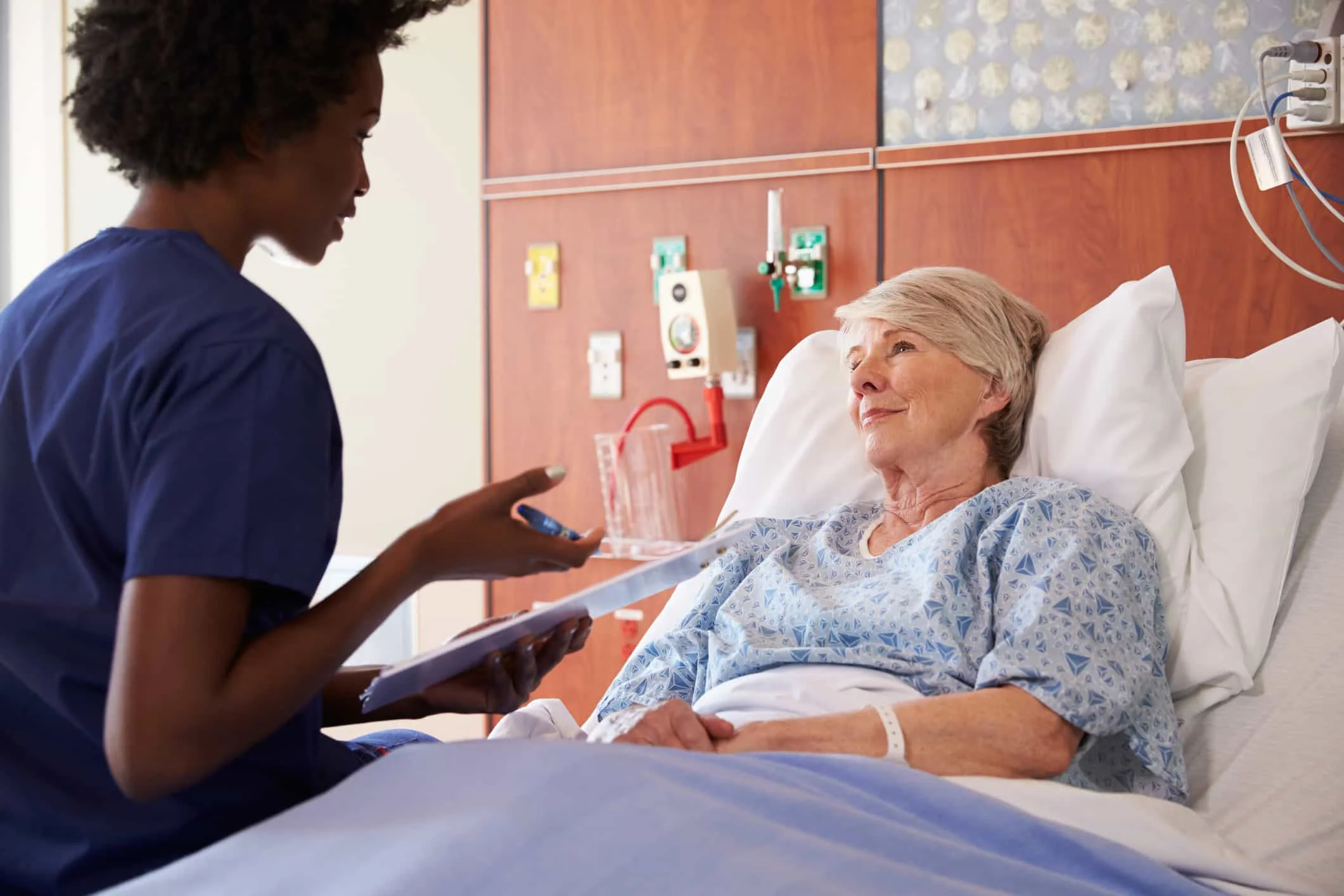
Skilled nursing care involves high-level medical services provided by trained professionals, including registered nurses, and physical, speech, and occupational therapists. Skilled nursing care can encompass both short-term services, such as rehabilitation from an illness or injury, or long-term services, such as those required for patients with chronic medical conditions that need around-the-clock care. Some examples of skilled nursing services include wound care, IV therapy, injections, physical therapy, occupational therapy, and regular monitoring of vital signs and medical equipment. Skilled nursing care is most often provided in a skilled nursing facility.
Who benefits from skilled nursing care?
One common misconception is that only senior citizens receive skilled nursing care, but the truth is that people of all ages benefit from skilled nursing care, including:
- Patients recently discharged from a hospital who need extended post-surgical care
- Patients who need rehabilitation from an injury
- Patients who are recovering from an illness and need medicine that cannot be provided at home
- Patients recovering from stroke or other brain injuries
What is long-term care?
Long-term care refers to custodial care, rather than medical care. It is a range of services and supports to help with basic activities of daily living (ADLs) such as bathing, dressing, and using the toilet. It may also involve help with housework, medication management, shopping, and caring for pets. Long-term care services are offered by home health aides, nursing homes, and assisted living facilities. Patients who benefit from long-term care services may include those with:
- Terminal medical conditions
- Permanent disabilities
- Chronic severe pain
- Alzheimer’s disease or dementia
Skilled nursing at Bella Vista
Similar to long-term care, skilled nursing care includes help with ADLs, and many providers also offer transportation, social services, and social activities in addition to their overall treatment programs. If you or a loved one has a specialized medical condition that exceeds the limits of long-term care, Bella Vista Health Center can help. Our skilled nursing care covers a wide range of therapeutic and rehabilitative services, including:
Post acute rehabilitation: We provide a continuum of care for patients transitioning from hospital to home care, incorporating specialized medical care, strength training and exercise, pain management techniques, and adaptive equipment.
Stroke rehabilitation: Our goal-oriented treatment plan involves mobility training, motor skills exercises, and therapy to regain lost abilities including communication, balance, and basic daily duties.
Pulmonary rehabilitation: Our pulmonary rehab and respiratory therapy programs offer exercises, education, and support to patients with breathing difficulties from chronic illness or acute medical conditions, allowing them to achieve and maintain independence and functionality.
Physical therapy: We provide evidence-based, outcome-driven therapy programs customized to each patient to relieve pain, restore function, and enhance overall health through a variety of therapeutic exercises and specialized equipment.
Occupational therapy: We help patients restore functional independence and improve their quality of life with strength training, transfer training, and adaptive equipment training.
Speech therapy: We offer treatment, support and care for patients with communication, cognitive, and swallowing disorders that often occur after the onset of dementia, a stroke, or other neurological trauma.
In addition to the highest quality skilled nursing care, Bella Vista Health Center also offers concierge services, salon services, a yoga and meditation center, nutritious and culturally diverse meals, and ancillary services including dental, vision, and podiatry. Regardless of age or medical condition, patients at Bella Vista can expect a comfortable, safe, and therapeutic stay in our facility.
Award-winning care in a 5-star facility
If you or someone you know is in need of skilled nursing care, Bella Vista Health Center offers short- and long-term rehabilitative care. Each treatment plan is designed by our team of compassionate professionals and aims to heal and empower patients to reach their maximum potential. Give us a call at (619) 644-1000 today to take a tour of our 5-Star skilled nursing facility in San Diego.

What Happens When You Have Pneumonia?
As we advance in age, we become vulnerable to health challenges that didn’t concern us in our younger years.
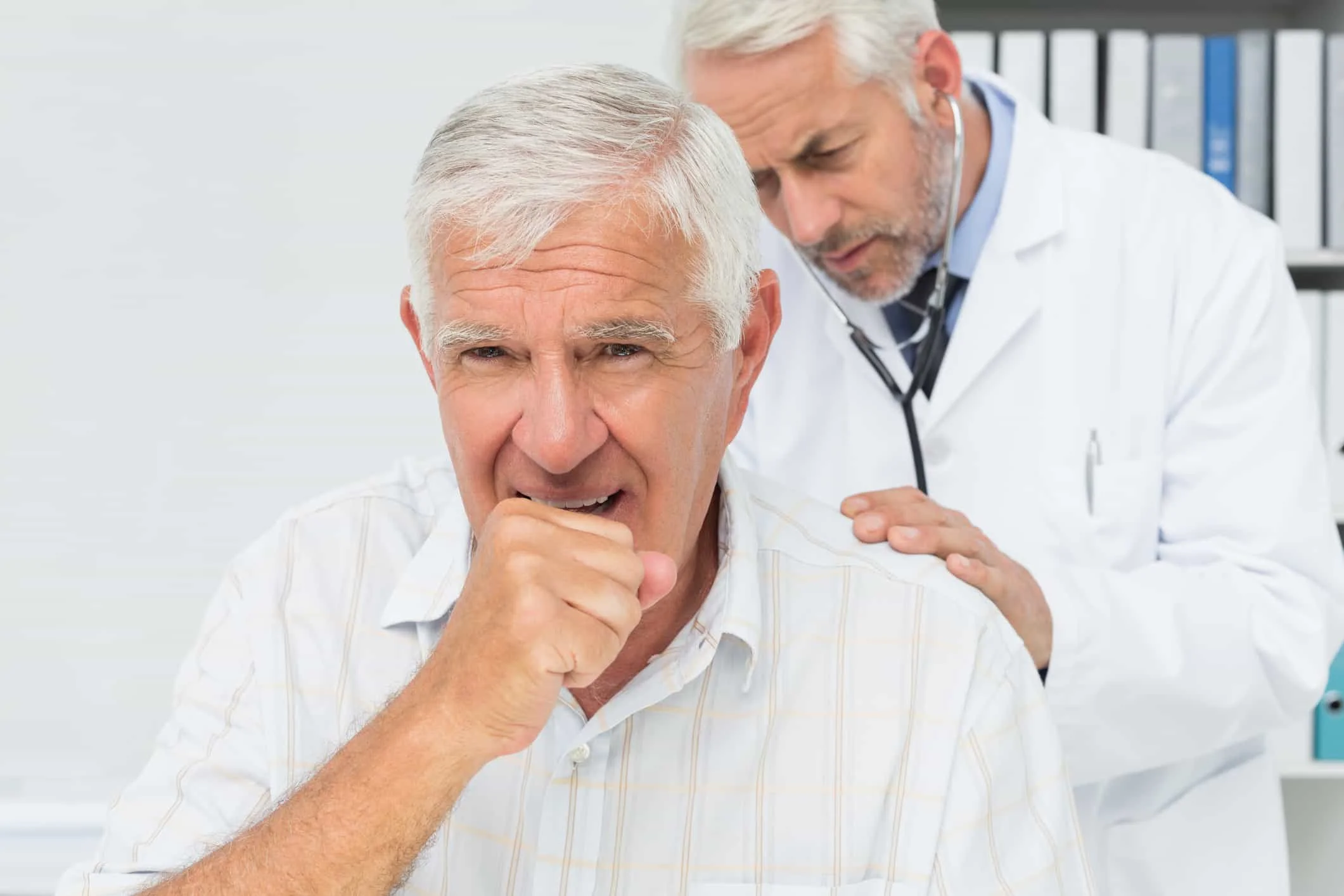
As we advance in age, we become vulnerable to health challenges that didn’t concern us in our younger years. Alzheimer’s disease, cancer, and heart disease are all major health issues that disproportionately affect people over 65. Seniors are also vulnerable to respiratory illnesses that increase their risk of contracting pneumonia. To make matters worse, pneumonia-associated deaths are the 4th leading cause of death in elderly people. Fortunately, pneumonia is treatable, and the sooner treatment is sought, the higher the chance of a full recovery.
What is pneumonia?
Pneumonia is a lung infection most commonly caused by bacteria, fungi, or viruses. Anyone can get it, but the very young, the elderly, and those with chronic lung conditions have the highest risk. Other risk factors include smoking, a recent respiratory infection (cold or flu), recent surgery or trauma, and a weakened immune system. The symptoms of pneumonia vary depending on whether it is bacterial or viral, but some common symptoms include:
- Cough (often with mucous)
- Fever
- Chest pain
- Loss of appetite
- Fatigue
- Confusion (particularly in the elderly)
- Profuse sweating
- Breathlessness
- Headache
- Muscle pain
- Bluish color to lips or nail beds
Recovery from pneumonia is generally 1 to 3 weeks, but it can be life threatening, so it’s crucial to seek a diagnosis and pneumonia treatment from a doctor as soon as possible. Through physical examination, chest X-ray, blood work, CT scans, and other tests, your doctor will be able to help determine what kind of pneumonia you have and get you started on treatment right away.
What happens when you have pneumonia?
Once a doctor has diagnosed pneumonia, the goal is to cure the infection. In many cases, this can be done at home with proper rest, plenty of fluids, antibiotics, and medication to fight the fever, such as aspirin or ibuprofen. But because pneumonia can also cause serious complications, hospitalization is sometimes necessary in order to monitor high-risk patients and those with severe symptoms. Patients hospitalized for pneumonia typically receive fluids and antibiotics intravenously, and may get oxygen therapy or other respiratory treatments. The hospital staff also monitors vital signs to help ensure that the patient is responding to treatments and progressing in recovery.
How a skilled nursing facility can help with pneumonia recovery
Unfortunately, discharge from the hospital does not mean complete recovery from pneumonia. Most people continue recovering at home following a hospital stay. But for seniors and those with chronic lung conditions or an otherwise weakened immune system, the threat of serious complications remains until complete recovery is achieved. High-risk patients who transition to a skilled nursing facility that offers pulmonary rehabilitation and respiratory therapy increase their chance of a full return to wellness.
At Bella Vista Health Center, our respiratory therapists are dedicated to providing support to patients with pneumonia as well as those with chronic lung diseases and those recovering from lung surgery. Our 5-star skilled nursing facility in Lemon Grove also offers 24/7 care and monitoring by licensed medical professionals including doctors, nurse practitioners, and psychiatrists. All of our patients and residents receive nutritious meals, opportunities for group activities, and a range of other amenities to help them rehabilitate and recover in comfort.
If you or a loved one needs some extra support during the pneumonia recovery process, please don’t hesitate to contact us today.

The Difference Between Post–Acute and Long-Term Care
Although the patient is no longer in need of hospital services, they do still require medical care.
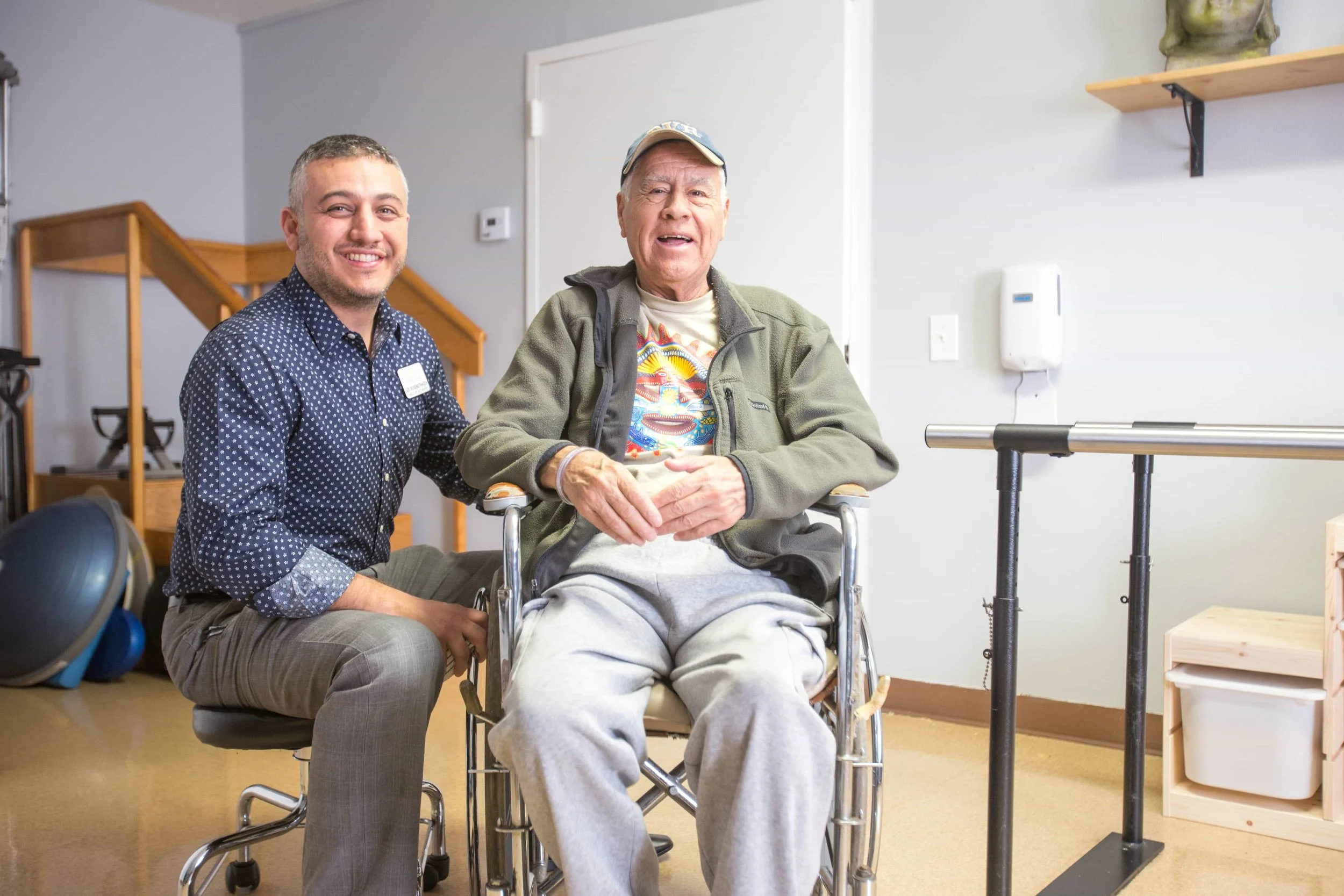
When a person is discharged from the hospital following an illness or injury, they are often ready to go home and recuperate on their own. But in many cases, although the patient is no longer in need of hospital services, they do still require medical care. Bella Vista Health Center and other skilled nursing facilities offer post-acute care & rehab services to bridge the gap between hospital and home.
What is post-acute care?
Post-acute care refers to a range of medical care services for patients who are transitioning out of a hospital setting but still require medical attention. It can be long-term or short-term, depending on the illness or injury, but either way, post-acute care focuses on recovery and rehabilitation and/or management of chronic symptoms.
How is long-term acute care different from traditional long-term care?
It’s important to distinguish between traditional long-term care (such as assisted living) and long-term acute care. In most cases, traditional long-term care focuses on patient comfort, medication management, and assistance in daily living. Post-acute care does involve medication management and help with performing tasks such as bathing and dressing, but it also includes skilled nursing care by medical professionals and treatment plans designed to help patients recover, rehabilitate, and restore functioning.
Types of post-acute care
The specifics of post-acute care treatment plans vary from patient to patient, depending on their condition and the types of specialized medical attention they require. For example, some of the types of post-acute care we offer at Bella Vista Health Center include the following:
Wound care – Specialized treatment to promote the healing or management of a range of chronic and acute wounds, including post-operative wounds, diabetic ulcers, pressure wounds, and vascular ulcers. Wound care often includes nutritional therapy to promote healing.
Amputation care – Following the loss of a limb, amputation care includes wound care, physical therapy to promote muscle strength and endurance, and occupational therapy to assist with adaptations in the tasks of daily living.
Burn recovery – Passive range of motion procedures, patient monitoring, and anti-deformity positioning help promote healing and prevent complications during the recovery process for patients with severe burns. The interdisciplinary team of providers trained in burn recovery often includes occupational and physical therapists and wound care specialists.
Post-stroke recovery – Daily individualized therapy sessions help patients regain lost abilities and skills following a stroke. Physical therapists, occupational therapists, and speech therapists work as part of a cross-functional team with doctors to restore patient functioning and quality of life.
Pulmonary rehabilitation – Patients with chronic obstructive pulmonary disease (COPD) and other respiratory conditions, or those recovering from lung surgery are monitored and treated by a team of providers who specialize in respiratory care. Treatment plans are designed to help patients breathe better, manage symptoms, and make lifestyle choices that allow them to maintain the highest possible level of independence and functionality.
Hip fracture or replacement – Patients who suffer from a fall or who undergo a hip replacement often receive physical and occupational therapy to help restore their strength, balance, and coordination, and to learn skills and techniques that will aid in fall prevention and provide a safe return to independent living.
Seeking post-acute care in San Diego? Come see us!
At Bella Vista Health Center, our 5-star skilled nursing facility provides a home-away-from-home for patients of all ages who are transitioning out of the hospital but who still require specialized care following an illness or injury. A team of compassionate and highly qualified medical professionals creates a treatment plan designed to help each patient achieve their recovery goals and live their best lives. For more information about our skilled nursing services and rehabilitation programs, give us a call at 619-644-1000 or drop by our facility in Lemon Grove today.

Why Physical Therapy is Beneficial After a Fall
Even a minor fall can have dire consequences that significantly impact our health and our quality of life.

If you’ve ever sat in the park and watched your grandchildren play, you’ve probably noticed how resilient they are. They fall and then get back up on their feet immediately. Unfortunately, as we advance in age, we lose some of that resilience. Even a minor fall can have dire consequences that significantly impact our health and our quality of life. But if you do fall, all is not lost. Although you may not bounce back up immediately after you take a tumble, physical therapy can help you heal and resume a healthy, active lifestyle. Take a look below at some of the ways physical therapy is beneficial after a fall.
Physical therapy helps increase mobility
After a fall, exercise may be the last thing anyone wants to do. But in many cases, movement is precisely what’s needed in order to keep joints nimble and avoid re-injury. Physical therapy after a fall helps to decrease stiffness in the joints and muscles, leading to increased mobility and range of motion.
Physical therapy can help reduce pain after a fall
After taking a tumble, pain can cause a person to stiffen up, leading to even more pain and discomfort. One of the first goals of physical therapy is to reduce pain and swelling. Sometimes this may mean massage, hot or cold therapy, or gentle slow movements that help loosen tight joints and increase flexibility. A skilled and experienced physical therapist will be able to create a treatment plan that relieves pain and restores optimal function after a fall.
Physical therapy can help heal and restore function after a fall
For seniors, is not uncommon for a bad fall to result in hip fracture. Even after the fracture is fixed with surgery, many people lose a significant amount of the daily functioning required for independent living, such as standing up from a chair, climbing stairs, or getting dressed. Physical therapy can make all the difference, and the sooner it begins after the fall, the sooner the patient can heal and return to a healthy, independent life.
Physical therapy aids in fall prevention
Statistics say that 87% of seniors who fall will do so again within 6 months. Physical therapy is an important part of fall recovery, and a physical therapist can create a specialized treatment plan that includes exercises specifically designed to aid in fall prevention. These may include exercises to improve balance, build strength, and enhance coordination, all of which can help reduce the risk of another fall.
Physical therapy can minimize fear after a fall
Falling is scary, and fear of falling again can make it difficult to resume an active lifestyle. A physical therapist provides critical support during the healing process, allowing the patient to work through their fear while still taking the actions that aid them in recovery. Anyone who has taken a bad fall can benefit from the compassionate support of a qualified professional while they face their fears and gather the courage to get back up on their feet.
Bella Vista Health Center offers physical therapy in San Diego
At Bella Vista Health Center, we offer physical therapy programs designed to relieve pain, promote recovery from injury, and help patients to achieve optimal health. Our compassionate and highly qualified physical therapists are dedicated to helping each patient return to independent living as quickly as possible. For more information on our programs and services, please give us a call at 619-644-1000 or come visit us in Lemon Grove today.

How Occupational Therapy Can Help Treat Dementia
Dementia is a progressive condition that has no cure, but occupational therapy can provide interventions that preserve remaining function

Dementia is defined as the loss of cognitive functioning caused by physical changes in the brain. The specific symptoms of dementia differ from person to person, but they’ll typically involve problems with any combination of the following:
Short-term memory
Concentration
Language
Reasoning
Problem solving
Spatial awareness
Orientation to date and time
Mood and personality changes
Dementia is a progressive condition that has no cure, but occupational therapy for dementia can provide interventions that preserve remaining function and even help slow the decline.
How occupational therapy can help treat dementia
The role of an occupational therapist in the treatment of dementia is to help prolong independence in day-to-day activities. While caregivers and family members often think about what a person with dementia can’t do, the dementia occupational therapist focuses on strengthening what the person can do. The first step is to evaluate the patient’s strengths, impairments, and areas of need. Next, the occupational therapist will identify goals and create a plan of actions, activities, and interventions designed to preserve functioning and maximize quality of life. An
occupational therapy care plan may include:
Memory aids – Calendars, medication reminders, or daily schedules posted on the wall may be all that’s needed to support memory function in the early stages of dementia. Some patients may need to be reminded to eat or use the bathroom, and an occupational therapist can help provide interventions in these areas, too.
Environmental modifications – Eliminating clutter and installing grab rails help decrease the risk of falls. Cushions on chairs can help raise the seat height to make eating at the table more comfortable. Nightlights in hallways and reflector tape on the floor or walls can help light the way to the bathroom at night. Occupational therapy often employs environmental modifications like these to enhance safety, security, and comfort.
Physical exercise – Dancing, walking around the block, and doing simple yoga poses are all examples of fun exercises an occupational therapist might use to help promote optimal wellness in patients with dementia. Physical exercise helps to maintain blood flow to the brain, and enhances muscle control, coordination, strength, flexibility, and balance, supporting patient safety and everyday functioning.
Fun – One crucial element of the occupational therapy assessment is the discovery of what the patient loves to do. Whether that’s singing, painting, doing crossword puzzles, or playing with grandchildren, a skilled occupational therapist will incorporate these meaningful activities into the care plan. Time spent doing enjoyable activities will have a profound impact on anyone’s quality of life, including people with dementia.
Caregiver and family education– In their eagerness to help, family members and caregivers can negatively impact the patient’s functioning by performing their activities of daily living (dressing, eating and grooming) for them, rather than helping them do it for themselves. An occupational therapist will spend time educating family and caregivers on how to best provide support that empowers and prolongs patient independence.
Occupational therapy for dementia treatment in San Diego
At Bella Vista Health Center, our occupational therapists are highly skilled and trained to help preserve functioning and maximize quality of life for all patients, including those with dementia. If you’re seeking occupational therapy for the treatment of dementia, we invite you to come visit our 5-star skilled nursing facility in Lemon Grove today.

How to Improve Speech After a Stroke
Take a look at some of the speech therapist-recommended strategies to help improve speech after a stroke. If you are looking for stroke rehabilitation in San Diego? Come see us.

A stroke is a type of brain injury that occurs when oxygen supply to the brain is cut off, often by way of a blood clot. The resulting death of vital brain cells impairs function in other parts of the body. Many stroke survivors suffer speech and language difficulties due to weakened oral muscles and interruption of brain-to-mouth messages. This may result in trouble swallowing, talking, understanding, reading, or writing. Speech therapy after a stroke is a powerful tool, and a therapist who specializes in stroke rehabilitation can help patients strengthen muscles and restore communication skills. Take a look below at some of the speech therapist-recommended strategies to help improve speech after a stroke.
Sing
Music therapy has several positive effects on people who have suffered from a stroke. Some stroke rehabilitation therapists have been able to help patients sing their way to improved speech skills. No need to pull out a songbook. Familiar songs such as “Row Your Boat” and “Happy Birthday” can help. And while not every stroke survivor with regains all their speech skills, music therapy helps in other ways, too. It has a positive effect on emotions, and when combined with movement, can also help improve coordination and motor skills.
Play
Speech therapy for a stroke doesn’t have to be boring. Board games that require verbal communication, such as Pictionary, Scattegories (Junior), and Battleship, are a fun way to exercise language skills. Depending on the game chosen, some have the added benefit of aiding in attention, dexterity, and memory as well. Television game shows like Jeopardy, Wheel of Fortune, and Family Feud are great for practicing language and memory skills, too.
Try an app
Speech therapy apps for stroke survivors allow you to strengthen your communication skills wherever you are—as long as you have your smartphone or other device with you. Constant Therapy is a single app with 100K+ exercises for cognition, language, and communication. Tactus Therapy offers a variety of easy-to-use apps that allow you to customize and personalize your speech therapy program.
Exercise your mouth
Speech difficulties following a stroke are often the result of damage to the area of the brain responsible for oral control. Oral motor therapy helps to strengthen weakened oral muscles and improve speech production. Some fun oral exercises include blowing bubbles, blowing a harmonica or kazoo, or sucking up through a straw. What this means is that you can now think of your favorite strawberry banana smoothie as therapy!
Talk it out
Even if your language skills have been impaired from a stroke, it’s important to practice communication in any way you can. While speech difficulties may cause you embarrassment and make you want to stop talking altogether, isolating yourself or giving up will not help you recover. Try talking with someone you trust to be patient and to stay engaged even when it takes you time to get the words out. What you talk about doesn’t matter, as long as you keep exercising those communication skills. You can stay home and look at photographs together or go to a museum and look at art. Talk about what you see and feel. Take your time and be patient with yourself, and bring a notebook to write words down if it helps. Joining a stroke recovery group is also a great option. Staying engaged in communication with others will not only help you strengthen your language skills, but it will also reduce the risk of depression.
Looking for stroke rehabilitation in San Diego? Come see us.
At Bella Vista Health Center, we offer a range of services for patients in need of stroke rehabilitation. Using a combination of speech therapy, occupational therapy, and physical therapy, our skilled and compassionate team of providers creates an evidence-based, customized treatment plan designed around the specific needs of each patient. We’re also dedicated to maintaining a safe and nurturing environment that supports patient wellness and recovery. For more information, come in and visit our 5-star skilled nursing facility in Lemon Grove today.

10 Stroke Rehabilitation Exercises
Not only does exercise help to keep a person fit and healthy, thereby reducing the risk of a second stroke, but it also aids in stroke recovery.

Exercise is a key component of stroke rehabilitation. Not only does exercise help to keep a person fit and healthy, thereby reducing the risk of a second stroke, but it also aids in stroke recovery. Stroke rehabilitation exercises strengthen the signals between the brain and the body, resulting in restoration of function and coordination.
It’s crucial to begin exercising early in the rehabilitation process in order have the best chance of repairing damage, regaining movement, and reinforcing the brain-body connection. But because each person is affected differently by stroke, it’s important to work with stroke rehabilitation specialists who can determine which stroke rehab techniques will best meet your particular needs. To get an idea of some simple techniques that stroke rehabilitation specialists might use to help improve balance, coordination, and strength during post-stroke recovery, take a look below.
10 Exercises for stroke rehabilitation
- #1. Hip adduction/abduction - Lie on your back with your legs straight and flat on the ground. Slide one leg out to the side and then bring it back to center.
- #2. Knee extension – Sit in a chair with both legs bent and both feet on the ground. Slowly lift one foot until the leg is straight and then bring it back down slowly. This can be done standing as well, though be sure to hold onto a table or other surface so you can remain balanced while you slowly bend and kick one leg out.
- #3. Ankle rotation – Sit in a chair with both feet on the ground. Lift one foot off the floor just high enough to rotate the foot in a circle. Be sure to rotate in both directions.
- #4. Elbow stretch – Sit or stand with your arms at your sides. Slowly lift both forearms arms to bend your elbows and then slowly straighten them again.
- #5. Wrist rotation – Sit or stand. Lift one arm and rotate the hand slowly a circle. Then rotate it in the other direction.
- #6. Shoulder stabilizer – Lie on your back with your arms at your sides. Raise one arm up to shoulder level so that your hand is pointing to the ceiling. Now lift your shoulder blade off the floor by reaching your hand to the ceiling. Hold and repeat.
- #7. Weight shift and balance control – Start on your hands and knees with your weight distributed evenly. Rock slowly and shift your weight back toward your right leg, then forward to your left hand, over to your right hand, and back toward your left leg.
- #8. Hip and knee control – Lie down on your back with your knees bent and pointed to the ceiling. Slowly slide one heel away from your buttocks until the leg straightens. Then slowly slide the heel back toward the buttocks. The heel should remain in contact with the ground throughout the exercise.
- #9. Hip and pelvis strengthener – Stand facing a table or countertop with both feet flat on the ground. Hold onto the table while you shift your weight to one side, keeping your knee straight. Lift the opposite leg to the side while keeping a straight knee and maintaining a straight forward-facing posture. Slowly return to starting position, and then repeat on the other side.
- #10. Lower leg strength and coordination – Lie down on your side with bent knees stacked on top of each other. While keeping your feet together, lift the upper knee slowly. Hold for a couple of beats and the slowly lower it again.
It’s important to note that the above exercises are meant as general examples only, not as a prescription for someone who has suffered from a stroke. Please contact an educated professional who has been trained in stroke rehab techniques for a customized post-stroke treatment plan.
Inpatient stroke rehabilitation in San Diego
At Bella Vista Health Center in San Diego, our inpatient stroke rehabilitation specialists employ a combination of passive and active exercises, physical therapy, occupational therapy, speech therapy, and other proven therapies and techniques to help support each patient’s unique post-stroke recovery. If you are looking for a skilled nursing facility where you or a loved one can recover in a safe nurturing environment under the care of specialists trained in stroke recovery techniques, please call or drop by and see us in Lemon Grove today.

Best Occupational Therapy Activities for Adults
Occupational therapy is a powerful tool that assists individuals in getting the most out of life by helping them participate in everyday activities
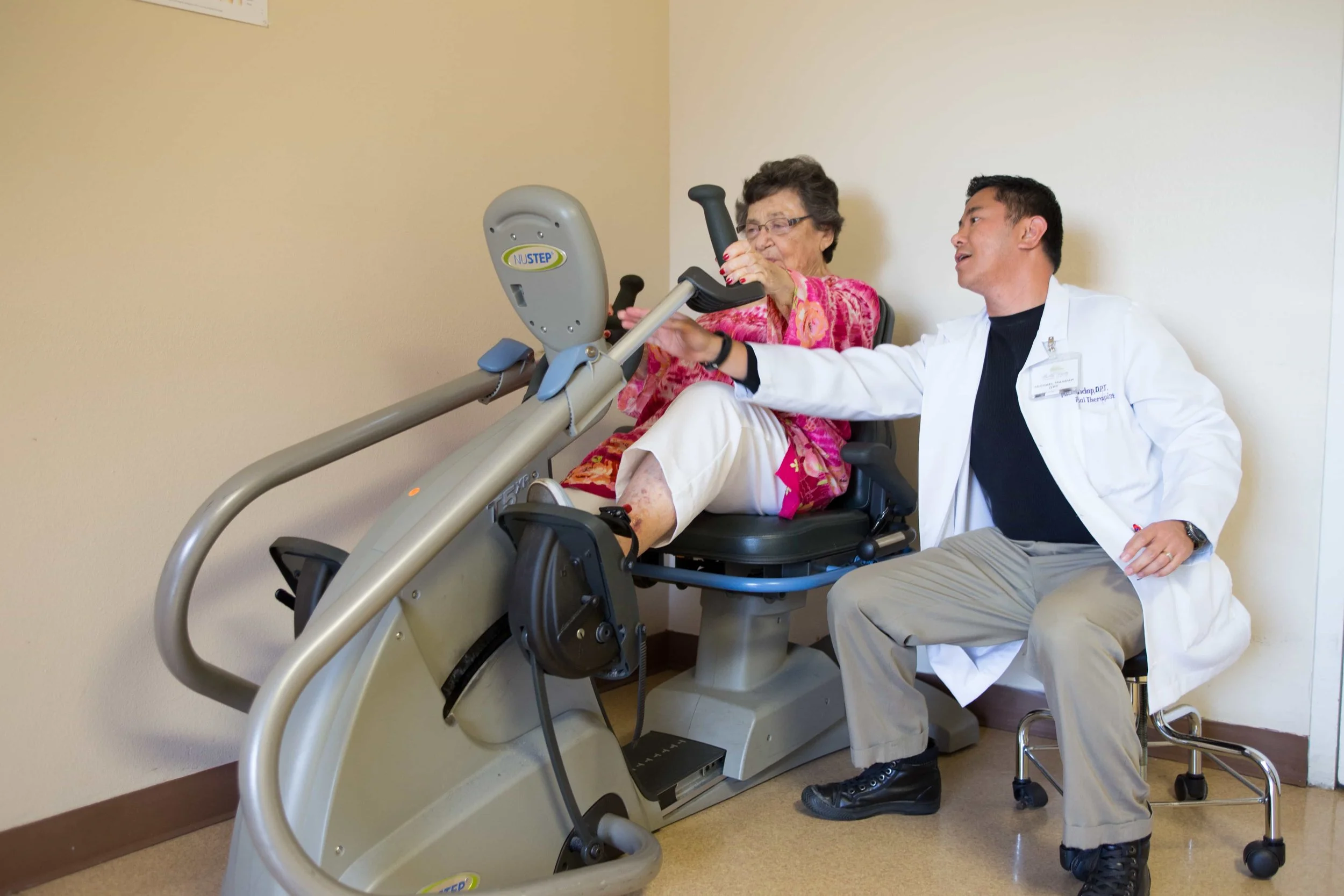
Occupational therapy is a powerful tool that assists individuals in getting the most out of life by helping them participate in everyday activities at the highest possible level of independence. Some people seek occupational therapy as a rehabilitation tool following an illness or injury. Others use it to help them overcome or adapt to the physical challenges that come with aging. Using a combination of education, rehabilitation techniques, and targeted activities to promote self-reliance, an occupational therapist helps patients to improve or maintain a high quality of life.
To the untrained eye, many of the activities that our occupational therapists at Bella Vista do with patients look like “just for fun” activities, but they are chosen very carefully as part of a strategic care plan created for each individual.
Want to get a feel for what occupational therapy might be like? Here are 5 great occupational therapy activities for adults that you can easily do at home—or with a group of friends. They’re all fun and provide very significant physical, mental, and emotional benefits. So, go ahead: Grab a buddy and get started!
Activity: Origami paper folding
What you need: Origami paper and instructions
How it helps: Origami paper folding supports hand-eye coordination, mental concentration, and overall hand function required for everyday tasks such as opening shampoo bottles. Reading directions or following instruction diagrams helps boost brain power as well.
Activity: Stringing beads
What you need: Large beads and a shoelace knotted at one end
How it helps: Stringing beads together enhances dexterity and fine motor skills that can be used to set out vitamins, supplements, and prescriptions in a weekly pill tray, thereby helping to maintain independence with medication. Creating fun patterns can also help inspire creativity and provide additional mental health benefits.
Activity: Ball Toss
What you need: A beach ball and a friend
How it helps: Tossing a light ball back and forth with a friend (or just up into the air on your own) supports range of motion and upper body strength, both of which help in activities of daily living such as bathing, dressing, and cooking.
Activity: Memoir writing
What you need: Paper and pen or a word processing program on your computer
How it helps: Writing your life down on paper can have a positive effect on both cognitive functioning and mental health. These benefits are enhanced when stories are shared and discussed in a safe and supportive setting.
Activity: Yoga
What you need: Your body, a comfortable mat, and enough space to stretch out
How it helps: Gentle yoga exercises help improve balance, flexibility, muscle tone, focus, and concentration. They can also help with fall prevention and an enhanced sleep quality. Yoga can be done in a class setting or at home with a DVD.
Looking for occupational therapy services in San Diego? We can help.
Occupational therapy is a specialized type of rehabilitation that begins with an evaluation and assessment of the patient’s functioning. If you think you or a loved one could benefit from occupational therapy, we’re happy to help. At Bella Vista Health Center in San Diego, our occupational therapists are highly trained and committed to helping each patient restore functioning and achieve their highest possible level of independence. For more information on our occupational therapy programs or any of our other rehabilitative services, give us a call at (619) 644-1000 or stop by our 5-star skilled nursing facility in Lemon Grove today.


6 Things You Should Know About Recovering from Knee Replacement Surgery
If your doctor has recommended knee replacement surgery, you probably have a lot of questions about what to expect for your recovery.
If your doctor has recommended knee replacement surgery, you probably have a lot of questions about what to expect for your recovery. Everyone’s healing process is different, and it could take anywhere from a few months to a year to achieve full recovery from a knee replacement. But still, there are some things that everyone should keep in mind if they plan to undergo the surgery. Take a look below at 6 things you should know about recovering from knee replacement surgery.
#1. You will not recover overnight
Although there are many minor surgeries that you can expect to recover from quickly, knee replacement surgery is not one of them. It is major surgery that requires anesthesia and involves the cutting away of damaged bone and cartilage. The healing process from knee replacement surgery takes time. It’s important that you plan for ample time for rest and follow your doctor’s instructions for lifestyle modifications in order to minimize the risk of injury while you recover.
#2. You will need to prepare your home for your return
When you return home from your knee replacement surgery, it is important that the floor is clear of clutter, area rugs, and power cords. For a few weeks, you will likely be tired and vulnerable to falls. Placing your essential items (medications, phone, television remote, books, crossword puzzles, and tissues) near your bed will help reduce the risk of accident and injury.
#3. Physical therapy is key
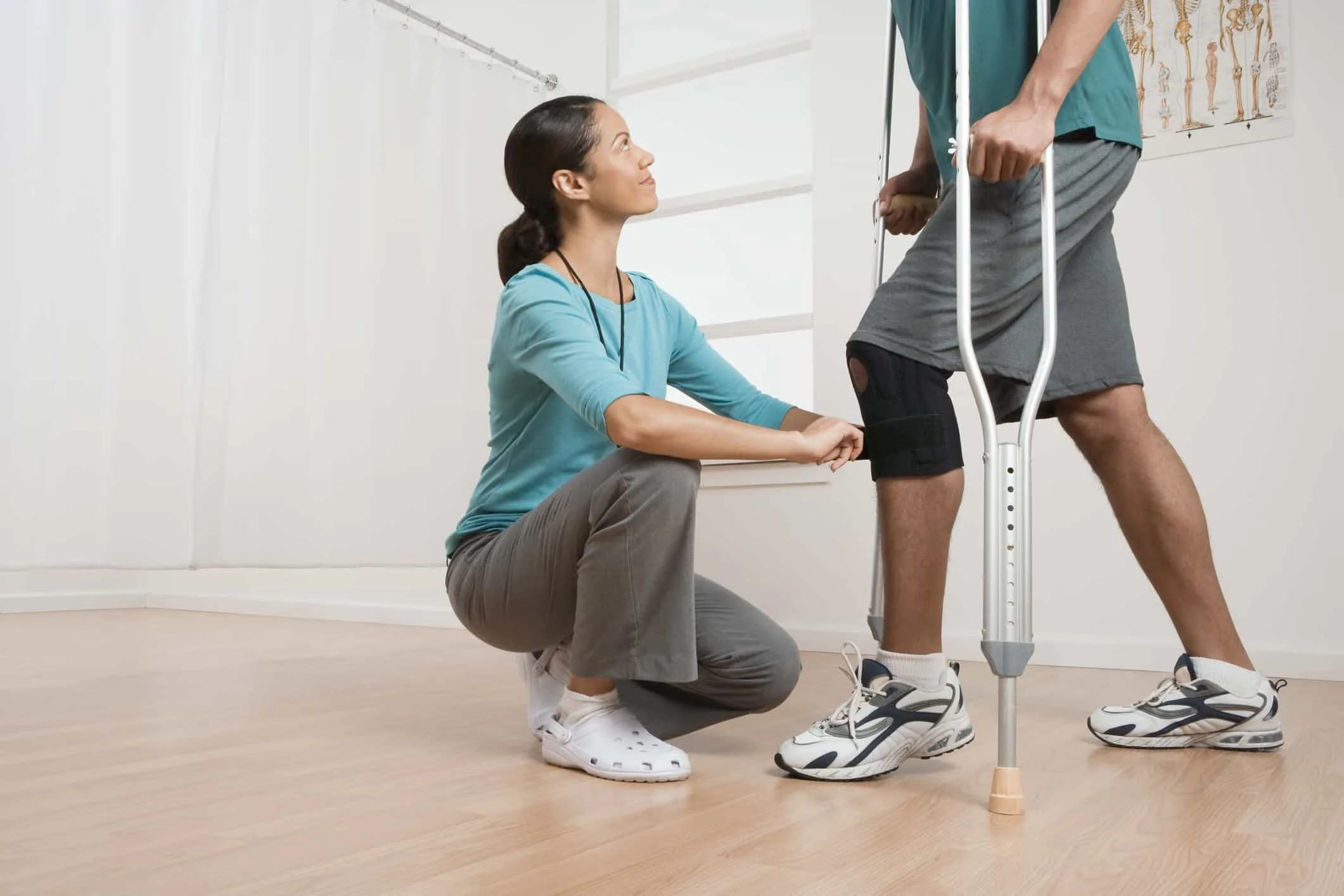
Your physical therapy program will begin with passive exercises shortly after your surgery to help improve your range of motion and prevent circulation problems. Within a day or so, your physical therapist will assist you in transferring in and out of bed and standing with the use of a walker. On your return home, you will be given exercises to perform on your own between physical therapy sessions. It is important that you participate in physical therapy to help you build strength, prevent complications, and achieve full recovery.
#4. “Toughing it out” could backfire
Pain medication is an important part of knee replacement recovery. While you may think you are being strong by not taking your pain medication, doing so could backfire by making it more difficult for you to perform your essential physical therapy exercises. If you are not comfortable with the pain medication you have been prescribed, talk to your doctor about alternatives.
#5. You may need some extra help
After knee replacement surgery, the best thing you can do for yourself (besides following your doctor’s instructions) is to give yourself ample time to rest. This could mean asking your family members to take over your chores for a few weeks so you can focus on healing. Or if you live alone, you may want to consider asking a friend to stay with you or hiring a caretaker to cook, clean, and assist you in getting up and down the stairs if you have them.
#6. A skilled nursing facility might be the quickest, safest way to full recovery
Many patients who undergo knee replacement surgery are not quite ready to return home after their hospital stay. In these cases, a skilled nursing facility provides a safe, therapeutic environment for short-term rehabilitation and a range of services that facilitate a quick recovery. In addition to 24-hour skilled nursing care, knee replacement patients receive physical therapy services, assistance with the tasks of daily living, nutritious meals, and the opportunity to participate in community events and activities. The goal of rehabilitation at a skilled nursing facility is to help get patients back to their personal best so they can return home in the shortest time possible.
At Bella Vista, we’re committed to your full recovery
If you’re looking for a 5-star skilled nursing facility where you can receive quality, compassionate care while you transition from hospital to home, you’ve come to the right place. At Bella Vista Health Center in San Diego, our dedicated staff puts patients and their loved ones first, and our top-notch rehabilitation services will help you recover quickly so you can get back to living your best life. Come see us in Lemon Grove today!

How to Recover After Shoulder Surgery
Whether you plan to recover at home or at a skilled nursing facility, take a look at the following 7 tips for how to best recover after shoulder surgery.
We rely on our shoulders for a number of daily activities that we do without a moment’s thought: carrying groceries, putting away dishes, sweeping the floor, and embracing our loved ones. The shoulder is one of the loosest joints in the body, and its flexibility is one of its greatest strengths. Unfortunately, this freedom of movement also makes the shoulder vulnerable to injury. Common shoulder problems include rotator cuff tears, shoulder dislocation, frozen shoulder, fractured collarbone and AC joint separation, osteoarthritis, and bursitis or tendinitis. Often, non-surgical treatments can help restore shoulder function and provide relief from pain. But sometimes, shoulder surgery is the best option for advanced or severe shoulder issues.
If your doctor has recommended shoulder surgery, he or she has probably also informed you that you should not expect to recover overnight. Although healing from shoulder surgery takes time, there are some things you can do to help accelerate the process. Whether you plan to recover at home or at a skilled nursing facility, take a look at the following 7 tips for how to best recover after shoulder surgery.
1. Follow your doctor’s instructions
Chances are, you chose a skilled and experienced surgeon to perform your shoulder surgery. So you should also trust that he or she wants you to heal as quickly as possible and would not steer you wrong by way of post-op instructions. Your doctor will likely prescribe pain medication and antibiotics, ask you to keep the shoulder immobile for a number of weeks, and suggest that you refrain from certain movements and activities. Following these instructions carefully is the first part of a healthy recovery from your shoulder surgery.
2. Maintain a healthy diet
Proper nutrition during recovery from a shoulder injury provides your body with what it needs to heal and repair. Foods high in vitamins C and E and a diet high in lean protein will help promote proper healing, reduce inflammation, and fight off infection. A healthy diet during this time can also help prevent weight gain and minimize the risk of depression that sometimes sets in during periods of limited activities.
3. Sleep well
Sleep plays a significant role in the body’s healing process. It’s not just the amount of sleep we get that’s important, but also the quality of sleep. When recovering from shoulder surgery, it can be difficult to achieve deep, healthy sleep. You may benefit from sleeping in a reclined position rather than flat on your back. Timing your pain medications to a half-hour or so before you go to bed can help as well. Wearing your sling at night may keep your shoulder from moving into painful positions while you sleep. Ask your doctor for further recommendations on how to get the best sleep possible while you recover from your shoulder surgery.
4. Participate in physical therapy
Physical therapy is an important part of recovery from shoulder surgery. It helps to accelerate healing and restore strength, mobility, and range of motion. Physical therapy will begin shortly after your surgery, though the shoulder itself will remain immobile in those first days and weeks. Early therapy may include flexing the wrist and fingers, passive movement of the arm, and after a few weeks, your physical therapist will introduce gradual movement of the shoulder and strength training. It’s crucial to participate in physical therapy at the pace set by your therapist.
5. Practice patience
Recovery from shoulder surgery is a process that requires time and patience. If you are accustomed to an active lifestyle, it may be challenging to wear a sling and limit your activities to those approved by your doctor, but it’s important that you heed your doctor’s advice. If you push yourself too soon, you risk further damage and disruption of the healing process. Rest and patience are key factors when it comes to achieving a full recovery.
6. Ask for help
In the early days and weeks following your shoulder surgery, some of the daily tasks you are accustomed to will be difficult or impossible to do on your own. It’s important that you ask for help when you need it rather than putting your recovery at risk by attempting to do it all on your own. Sometimes, a short-term rehabilitation program in a skilled nursing facility is the best option for getting the rest and help you need during your recovery period. The skilled nursing care, assistance with activities of daily living, on-site physical therapy and occupational therapy, and nutritious meals provided in a therapeutic environment will allow you to focus on healing, building strength, and regaining your independence.
7. Follow up with your doctor
In the year or so following your surgery, your doctor will likely want to see you for several follow-up visits to make sure you are healing and progressing as expected. Scheduling and attending these appointments as advised by your doctor is an important part of ensuring that you regain as much strength, mobility, and function in your shoulder as possible.
Bella Vista provides a nurturing environment for recovery in San Diego
At Bella Vista Health Center, we offer short-term rehabilitation for patients recuperating from surgery, injury, or illness. Our 5-star skilled nursing facility in Lemon Grove provides a warm, welcoming environment as well as top-notch medical professionals dedicated to helping patients achieve full recovery in the shortest time possible. If you or a loved one is seeking a place to transition from hospital to home, please give us a call to schedule a tour today. We look forward to serving you.