

Bella Vista Health Center Blog


Rehab After Surgery: Why You Need It To Recover
The goal of rehab after surgery is to get you back on your feet, so you can continue living a healthy and independent life.
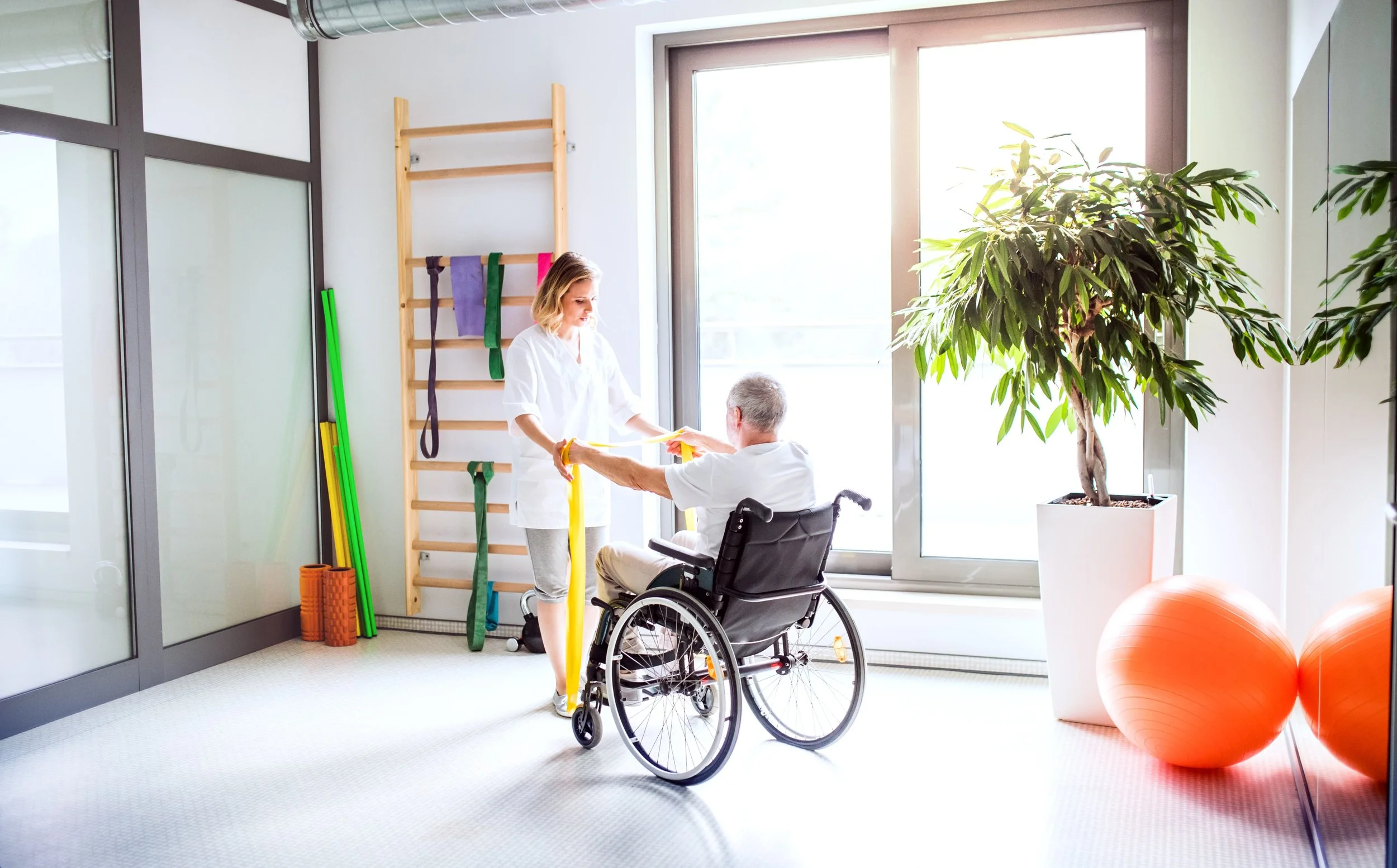
When you’re discharged from the hospital after surgery, you may be eager to go home right away and resume business as usual. Unfortunately, it’s not always that simple.
To get back to your normal, everyday life, you may need to take part in a rehabilitation program involving a variety of therapies, exercises, and medications. And though you may be tempted to skip it, doing so could cause injury, illness, or unnecessary pain.
The Goal of Post-Surgery Rehab
The success of a surgery depends largely upon how well you take care of yourself during your recovery period – and this is especially true for older adults. It can be easy to overexert yourself, or to experience atrophy from remaining inactive.
Post Rehab is about striking the balance between rest and exertion so you can regain your strength while simultaneously allowing your body to heal. The goal of rehab after surgery is to get you back on your feet, so you can continue living a healthy and independent life.
Types of Rehab
Depending on the type of surgery you’ve had, you may require a combination of different types of rehabilitative services. Some of the most common after-surgery rehab programs include:
Physical therapy
After a knee replacement surgery or hip replacement surgery, you’ll need to build up the strength in the muscles surrounding your joint. Through rehab exercises after surgery, mobility training, and therapeutic treatment, a physical therapist can help improve your range of motion and ease pain and swelling.
Occupational therapy
You may find it difficult to perform certain tasks after surgery, such as walking, climbing the stairs, caring for pets, or doing housework. With occupational therapy, you can learn to modify your environment and activities to comfortably return to your everyday life.
Speech therapy
Surgery of the head or neck can significantly impact your ability to communicate. Intensive speech and language therapy sessions can help to resolve issues with speech, cognition, voice, and swallowing.
Pulmonary rehabilitation
For patients who’ve undergone lung surgery, pulmonary rehabilitation is often necessary to recover lung function and improve breathing. With the help of respiratory therapists, you can learn breathing strategies and exercise modifications to build endurance and increase oxygen levels in your blood.
Benefits of Short-Term Rehab After Surgery
One of the biggest mistakes you can make after surgery is to push yourself too far, too fast. To ensure a complete recovery in a safe and supportive environment, many older adults choose to pursue treatment in after surgery rehab centers.
There are many advantages to staying in a residential health center during your post-surgery period, such as:
Decreased risk of injury
Staying in a comfortable and nurturing environment with a full staff of health and wellness providers enables you to take it easy, while others take care of your needs. Without worrying about the minutiae of daily living, you’re less likely to push yourself beyond your limits, thereby reducing your risk of injury, and potentially speeding up your recovery.
Round-the-clock care
After surgery, you may experience pain or infection, or may need someone to tend to your wounds. In short-term rehab, registered nurses are available to monitor symptoms, administer medication, and address your health concerns, 24 hours a day.
Emotional support
Undergoing a major surgery can be both mentally and emotionally draining. After-surgery rehab centers employ psychiatrists and counselors who can help you work through this difficult time.
Meal preparation
Without proper food and fluids, your body won’t have the fuel it needs to heal. At a residential rehab center, delicious food is prepared in conjunction with a registered dietician to ensure you’re staying adequately hydrated and eating a nutritious diet.
Bella Vista Health offers post-surgery rehab
If you or a loved one is scheduled to undergo surgery in San Diego, consider spending your recovery period at Bella Vista Health Center. As a 5-star skilled nursing facility, we offer both long-term and short-term rehabilitative services, and our team will customize a treatment plan to meet your specific post-surgery needs.
Call us at (619) 644-1000 and let us help ease your transition from hospital to home and optimize your wellness so you can get back to doing the things you love.

Top Cardiac Rehab Exercises
Cardiac rehab is an important part of heart disease treatment, and it usually begins in the hospital and continues after discharge.

Patients who suffer from heart disease, who have had a heart attack, or who have undergone heart surgery often participate in a cardiac rehabilitation program during recovery in order restore their heart health. Cardiac rehab is an important part of heart disease treatment, and it usually begins in the hospital and continues after discharge. Some patients who are not quite ready to return home move temporarily into a skilled nursing facility where they can receive the care they need and focus on recovery, rehabilitation, and the restoration of their independence.
Exercise is an important part of any cardiac rehabilitation program. Every patient’s treatment plan should include some combination of aerobic, strength, and stretching exercises. The list below gives a general idea of the types of exercises that cardiac therapists may prescribe, but it’s important to remember that every patient is different. If you or someone you know suffers from a heart condition, it’s crucial to seek the advice of a medical professional before beginning any exercise program.
Aerobic exercises for cardiac rehab
Cardiovascular exercise helps increase heart efficiency, which means the heart won’t have to work as hard to do its job. The pace and duration of each exercise session will depend on the patient’s level of fitness and overall health. Aerobic exercises for heart cardiac may rehab include:
- Walking can burn more calories than cycling or swimming, making it a great exercise for cardiac rehab patients who are looking to lose weight in order to decrease their risk of a repeat heart attack. Walking can be done outside or on a treadmill.
- Swimming helps to increase functional capacity, improve blood supply to the heart, and improve heart efficiency. It’s also easy on the joints and helps to reduce anxiety and muscular tension.
- Cycling is another low impact exercise that helps improve heart health. Options range from stationary bicycles, reclining bicycles, three-wheel cycles, and cycling can be done indoors or outdoors.
- Stair climbing can be anywhere there are stairs! One of the great benefits of stair climbing for cardiac patients is that it can easily fit into their everyday life, while shopping at the mall or cleaning the house.
Strength exercises for cardiac rehab
Resistance training can help restore strength and balance after a cardiac event. It also helps to positively influence other risk factors such as metabolism and cardiovascular function. Strength exercises can also help patients perform their daily activities with confidence. Some strength exercises for cardiac rehab may include:
- Arm raise: Sit or stand with your arms hanging straight by your sides. Keep both arms straight as you lift them to shoulder height with palms facing downward. Let them down slowly. This can be done with or without hand weights. Repeat 8 times.
- Bicep curl: Hold your hand weights straight down at your sides, palms facing front. Keep your elbows close to your sides, and lift one or both arms until the weight reaches chest height. Return to starting position slowly. Repeat 8 times.
- Leg extension: Sit in a chair with your feet flat on the floor. Lift one leg up until it’s straight and slightly raised from the chair. Keep your toes flexed and your back straight. Repeat 8 times and then switch legs.
- Side leg raises: Stand directly behind a straight back chair, holding onto it with both hands for balance. Raise one leg up and out to the side as high as you can while keeping your back and legs straight with toes pointed forward. Repeat 8 times and then switch legs.
Stretch exercises for cardiac rehab
Flexibility is another important part of maintaining an active, heart-healthy lifestyle. Stretching exercises help reduce the risk of injury, and a cardiac rehabilitation program may include one or more of the following:
- Upper back stretch: Lock your fingers together and stretch your arms straight out in front of you. Lower your head to look at the floor. Hold for 10-15 seconds.
- Chest stretch: Lock your fingers behind you and keep your arms straight. Press your shoulder blades together and lift your hands slowly. Hold for 10-15 seconds.
- Calf stretch: Stand directly in front of a wall or a chair. Step back with one foot, bending the front leg and leaving the back one straight. Press the back heel into the floor to feel the stretch in the calf. Hold for 10-15 seconds. Switch legs.
- Hamstring stretch: Place your hands on your hips. Take a small step forward with one foot, bending the back leg and leaving the front leg straight. Bend forward at the hips and feel the stretch in the hamstring of the front leg. Hold for 10-15 seconds. Switch legs.
Looking for a top-notch cardiac rehabilitation program? Call Bella Vista!
At Bella Vista Health Center, our cardiac rehab programs are customized for each patient and include a step-by-step program of medically supervised activity designed to help patients build up tolerance, restore functionality, and achieve optimal heart health. If you or someone you love is in need of cardiac rehab, give us a call or stop by our 5-star skilled nursing facility in Lemon Grove today. Give us a call at (619) 644-1000.

Short-term Rehab After Surgery
a short-term rehab facility can ease the transition from hospital to home, allowing you to fully focus on your recovery so you can quickly return to independent living.

It can be hard to bounce back after surgery. Though you may be eager to resume your normal routine right away, your body will need some time to rest and recover. Depending on the type of operation you’ve had, you may also need some rehab before you can get back on your feet. And while you may have your choice of post-surgery rehab settings, a short-term rehab facility can comfortably ease the transition from hospital to home – allowing you to fully focus on your recovery so you can quickly return to independent living.
The Goal of Short-Term Rehab
Whether you’re having a hip replacement, a heart operation, or cancer treatment, surgery will take a serious toll on your body. You may be dealing with pain, weakness, and a limited range of motion. Simple tasks, like getting dressed, may prove impossible to do on your own. In some cases, you may need to learn to walk all over again.
Short-term rehab in a skilled nursing facility provides a safe, supportive, and comfortable space for you to regain your strength and reclaim your health. At Bella Vista, each patient receives an intensive, personalized program lasting anywhere from a few days to a few months, supported by round-the-clock care from medical professionals. The end goal of short-term rehab is self-sufficiency, helping you get back to your normal life as soon as possible.
Services Offered in Short-Term Rehab
Short-term rehabilitation programs are highly customized depending on individual patient needs and goals. Most programs will include some combination of the following:
Physical Therapy
To help patients regain full mobility, physical therapists engage them in strength training, resistance exercises, and activities to promote balance and stability. Pain management is also addressed through stretching and therapeutic ultrasound.
Occupational Therapy
Occupational therapists help patients identify meaningful activities in their day-to-day lives and ensure they can independently perform or participate in them. Using special training exercises and adaptive equipment, patients can learn to care for themselves and actively engage in their favorite hobbies and tasks.
Speech Therapy
If surgery has impacted your speaking or swallowing abilities, speech therapists can help to resolve any difficulties you may have with eating or communication using one-on-one treatment and training sessions.
Support Services
In addition to therapy, after-surgery care facilities seek to maximize your comfort and recovery through nutritious meals, recreational activities, and opportunities for relaxation.
When to Consider Short-Term Post-Surgery Rehab
Sometimes, it can be difficult to decide between outpatient rehab services or an inpatient short-term rehab facility. Here a few questions to ask yourself when making the choice:
Can you safely get around without assistance?
If you’re having difficulty standing or walking on your own after surgery, it will take some time for you to learn how to get back on your feet. Having 24/7 care available at a short-term rehab facility can provide you with the stability and security you need until you regain your mobility.
Do you feel comfortable taking care of your daily responsibilities?
When you’re recovering from surgery, doing chores or running errands can be a big burden to take on. In short-term rehab, you don’t have to worry about household obligations. All you have to think about is your own recuperation.
Do you have a support network at home to help you out?
After surgery, simple tasks can suddenly become overwhelming – and sometimes, impossible. Without people around to lend a helping hand, you may not be able to live independently – and you may put yourself at risk of getting seriously injured.
After surgery, Bella Vista can help you get back on your feet
Bella Vista Health Center is the best short-term rehab facility San Diego has to offer. We combine the comforts of home with the individualized care and attention of a skilled nursing facility. Above all, we aim to empower our patients and help them get back to independent living as quickly as possible.
Call us at (619) 644-1000 to find out more about our short-term rehab program.

How Long is Short-Term Rehab?
The ultimate goal of short-term rehabilitation is to help patients achieve their maximum functional capacity and return to independent living in the shortest time possible.
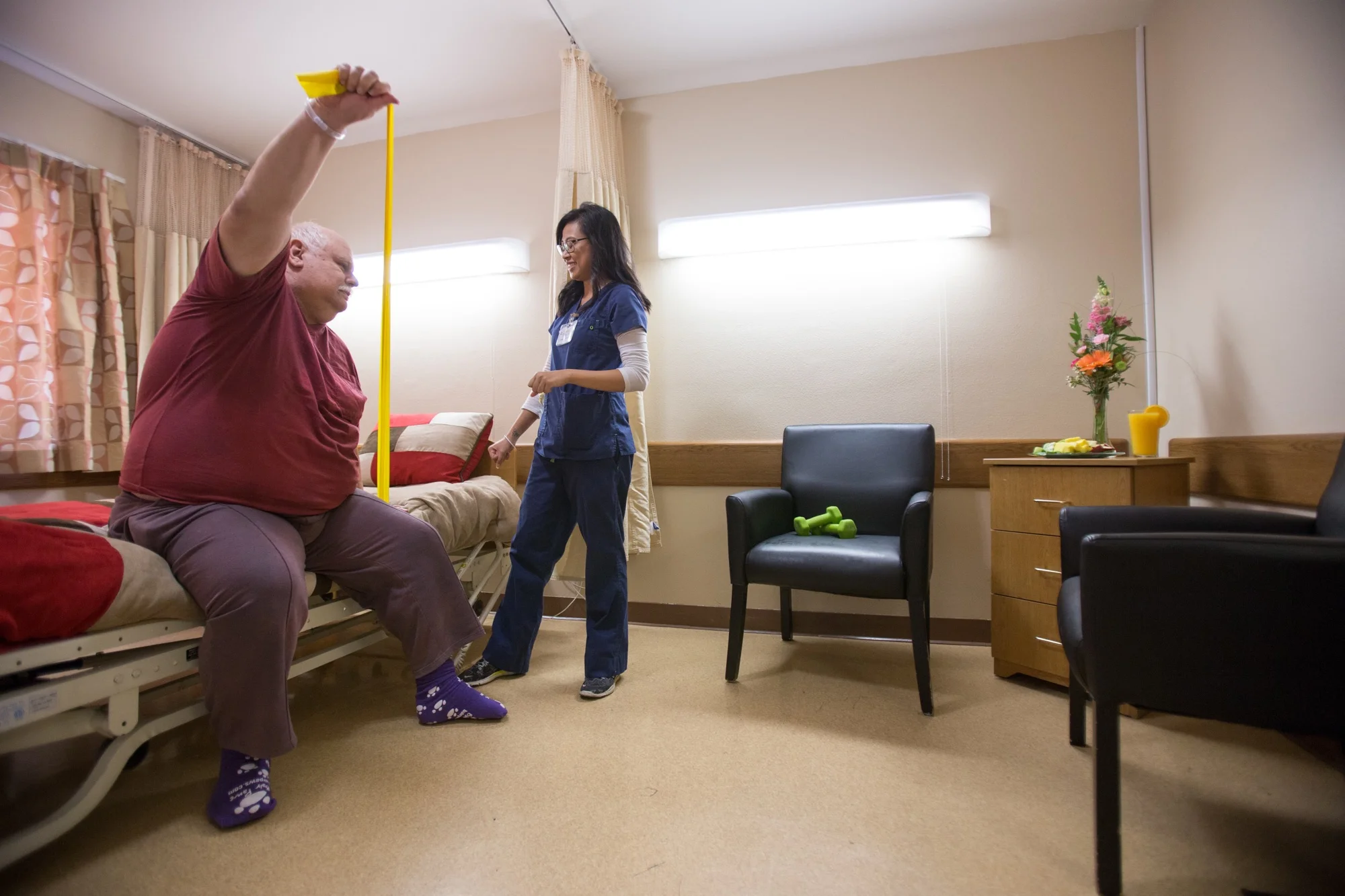
Short-term rehabilitation provides treatment for individuals recovering from a surgery, illness, or injury. It typically involves a combination of physical, occupational, or speech therapy. Each patient’s individual needs will determine the particular methods used.
The ultimate goal of short-term rehabilitation is to help patients achieve their maximum functional capacity and return to independent living in the shortest time possible. The length of time a patient spends in short-term rehabilitation can range from as little as a few days to as long as a few months, depending on a variety of factors, including those listed below.
The type of illness or injury
Recovery from an uncomplicated injury or surgical procedure will typically be shorter than recovery from a severe illness or more complex injury. It is important to note, however, that healing periods can last longer during short-term rehab for elderly patients. Stroke or cardiac and respiratory ailments usually require longer rehab durations, as do injuries such as hip fractures, knee replacements, and spinal cord injuries. In general, if personalized short-term rehab goals are not achieved within 12 weeks or so, the patient might need to transition into long-term rehabilitation.
The severity of a patient’s illness or injury
As mentioned above, severe illnesses and injuries require more time in short-term rehabilitation. Severity is usually measured by how many body parts or systems are affected and how soon the patient can move affected areas after hospitalization. For instance, if a patient can move a fractured limb on command at the start of short-term rehab, the length of treatment may be short. But if there is no initial ability to move the limb, additional time will be required to reach maximum independence.
The patient’s individual goals
A patient-centered approach to short-term rehabilitation means treatment plans are customized to each patient and include input from the patient’s doctor, therapists, care providers, and family members, if desired. Once goals have been established, the rehab team will work together to help the patient achieve those goals and meet regularly to review progress. Individual goals can range from simple transitions between the bed and a chair or toilet, to more advanced tasks such as buttoning up a shirt or climbing/descending stairs safely with minimal assistance.
Short-term rehab vs. long-term rehab
Short-term rehabilitation is often a beneficial solution for patients unable to perform daily tasks such as eating, bathing, and dressing during the healing period after a sudden illness, injury, or surgery. In certain cases, however, patients might still have trouble with daily tasks due to the severity of their condition, or suffer from underlying medical conditions, such as dementia or Alzheimer’s disease, that complicate recovery. In these cases, long-term rehabilitation at a skilled nursing facility might be required, especially if there are concerns about the patient’s safety in living independently.
Short-term rehabilitation at Bella Vista Health Center
At Bella Vista Health Center, the goal of our short-term rehab program is to help each patient achieve optimal physical, cognitive, and emotional health during the transition between hospital and home. We understand that such transitions can be challenging, and we’re committed to providing a pleasant, nurturing environment that supports every patient in their recovery process. If you or a loved one is in need of short-term rehabilitation, contact us today at (619) 644-1000 for more information or a tour of our 5-Star Skilled Nursing Facility.

The Difference Between Post–Acute and Long-Term Care
Although the patient is no longer in need of hospital services, they do still require medical care.
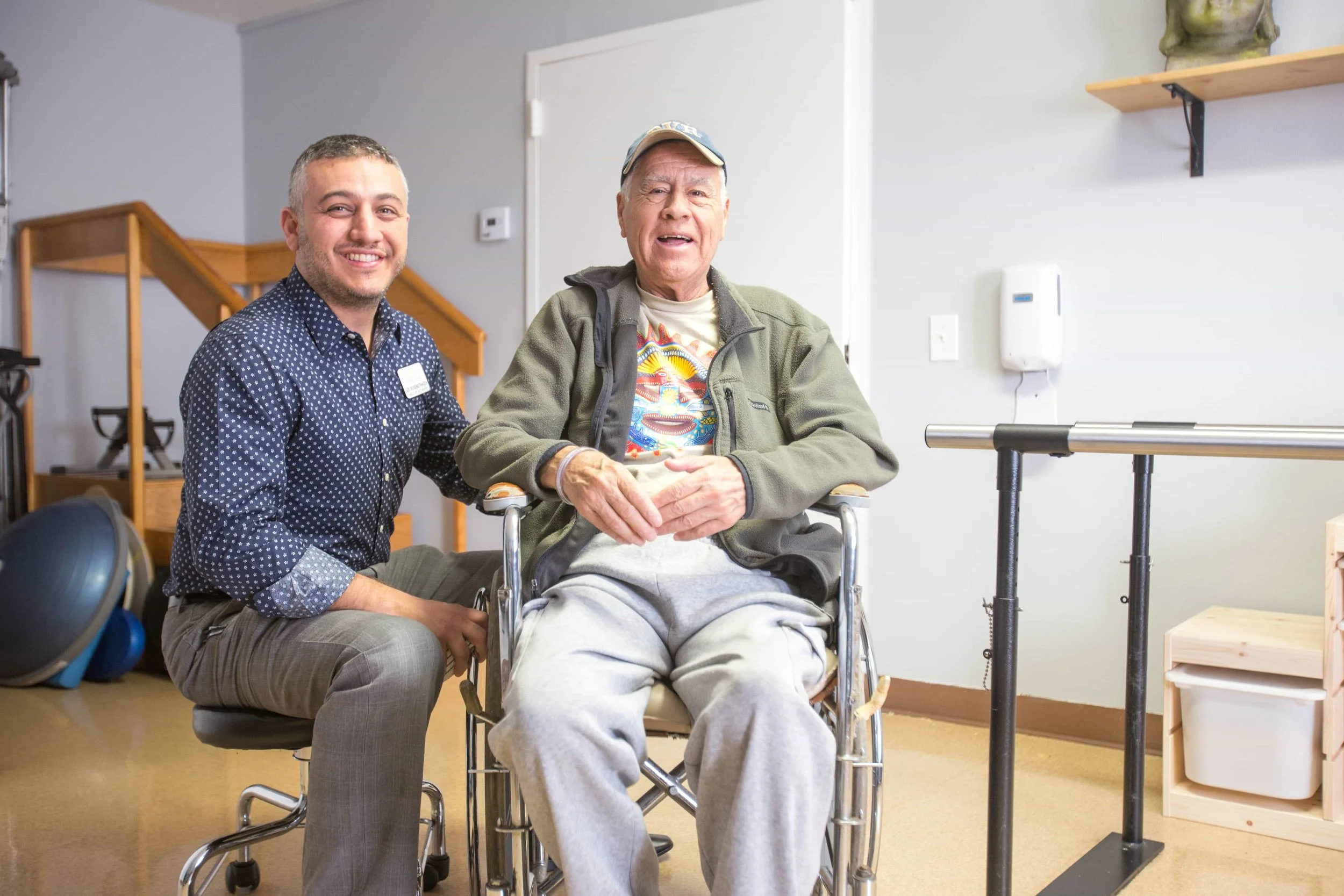
When a person is discharged from the hospital following an illness or injury, they are often ready to go home and recuperate on their own. But in many cases, although the patient is no longer in need of hospital services, they do still require medical care. Bella Vista Health Center and other skilled nursing facilities offer post-acute care & rehab services to bridge the gap between hospital and home.
What is post-acute care?
Post-acute care refers to a range of medical care services for patients who are transitioning out of a hospital setting but still require medical attention. It can be long-term or short-term, depending on the illness or injury, but either way, post-acute care focuses on recovery and rehabilitation and/or management of chronic symptoms.
How is long-term acute care different from traditional long-term care?
It’s important to distinguish between traditional long-term care (such as assisted living) and long-term acute care. In most cases, traditional long-term care focuses on patient comfort, medication management, and assistance in daily living. Post-acute care does involve medication management and help with performing tasks such as bathing and dressing, but it also includes skilled nursing care by medical professionals and treatment plans designed to help patients recover, rehabilitate, and restore functioning.
Types of post-acute care
The specifics of post-acute care treatment plans vary from patient to patient, depending on their condition and the types of specialized medical attention they require. For example, some of the types of post-acute care we offer at Bella Vista Health Center include the following:
Wound care – Specialized treatment to promote the healing or management of a range of chronic and acute wounds, including post-operative wounds, diabetic ulcers, pressure wounds, and vascular ulcers. Wound care often includes nutritional therapy to promote healing.
Amputation care – Following the loss of a limb, amputation care includes wound care, physical therapy to promote muscle strength and endurance, and occupational therapy to assist with adaptations in the tasks of daily living.
Burn recovery – Passive range of motion procedures, patient monitoring, and anti-deformity positioning help promote healing and prevent complications during the recovery process for patients with severe burns. The interdisciplinary team of providers trained in burn recovery often includes occupational and physical therapists and wound care specialists.
Post-stroke recovery – Daily individualized therapy sessions help patients regain lost abilities and skills following a stroke. Physical therapists, occupational therapists, and speech therapists work as part of a cross-functional team with doctors to restore patient functioning and quality of life.
Pulmonary rehabilitation – Patients with chronic obstructive pulmonary disease (COPD) and other respiratory conditions, or those recovering from lung surgery are monitored and treated by a team of providers who specialize in respiratory care. Treatment plans are designed to help patients breathe better, manage symptoms, and make lifestyle choices that allow them to maintain the highest possible level of independence and functionality.
Hip fracture or replacement – Patients who suffer from a fall or who undergo a hip replacement often receive physical and occupational therapy to help restore their strength, balance, and coordination, and to learn skills and techniques that will aid in fall prevention and provide a safe return to independent living.
Seeking post-acute care in San Diego? Come see us!
At Bella Vista Health Center, our 5-star skilled nursing facility provides a home-away-from-home for patients of all ages who are transitioning out of the hospital but who still require specialized care following an illness or injury. A team of compassionate and highly qualified medical professionals creates a treatment plan designed to help each patient achieve their recovery goals and live their best lives. For more information about our skilled nursing services and rehabilitation programs, give us a call at 619-644-1000 or drop by our facility in Lemon Grove today.
FAQs About Short-Term Rehab Centers
Short-term rehab centers provide intensive rehabilitative services in a safe, nurturing environment for patients who need additional care
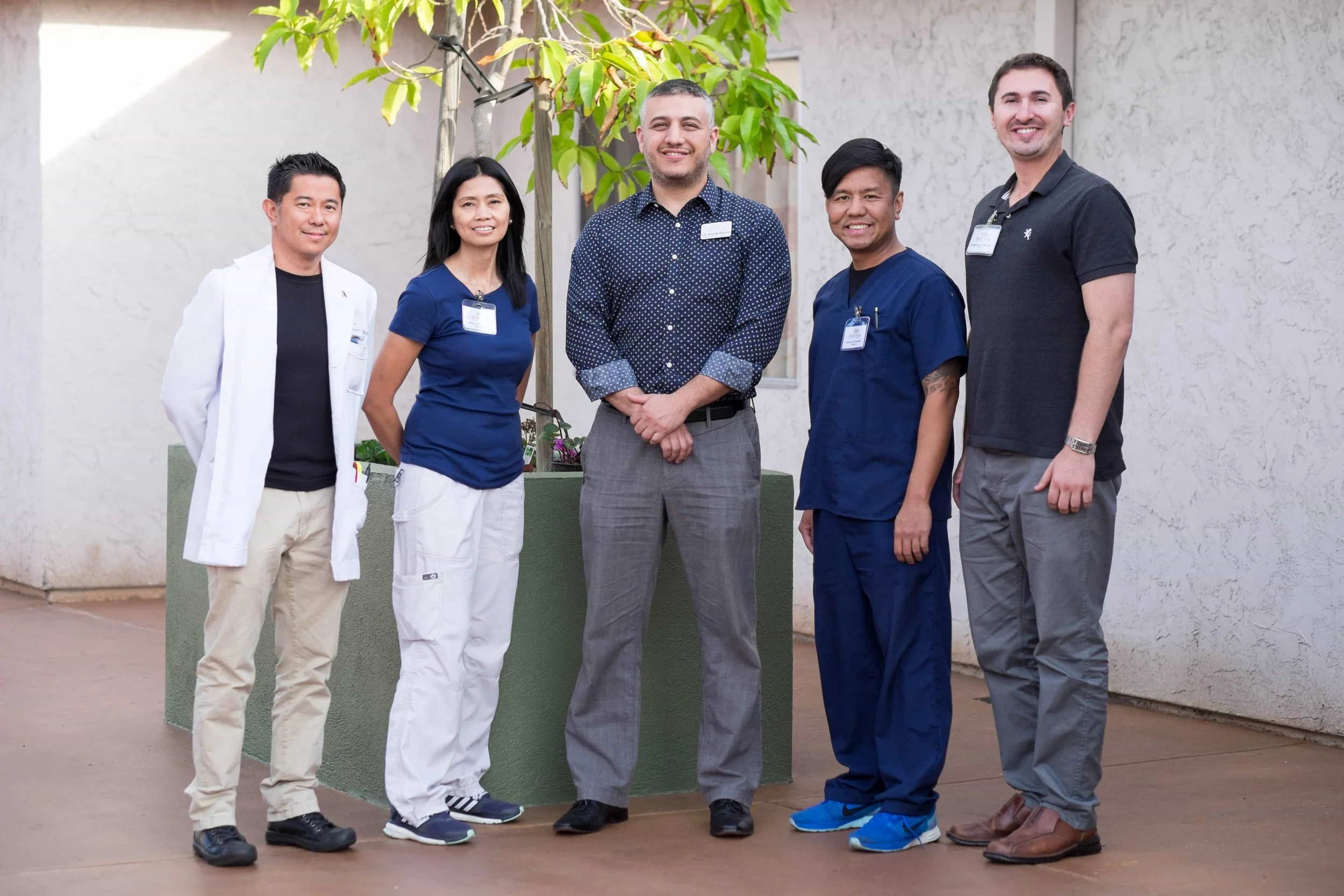
If you or a loved one has recently suffered from an accident, illness or injury that resulted in hospitalization, you may have heard your medical care team use the phrase “short-term rehab” in regard to the next steps in your recovery process. But what exactly does that mean? Simply put, short-term rehab centers provide intensive rehabilitative services in a safe, nurturing environment for patients who need additional care between their hospital stay and their return home. Of course, there’s more to it than that, so we put together a list of our most frequently asked questions about short-term rehab centers. Take a look below.
What is short-term rehabilitation?
Short-term rehabilitation provides continued care and extended recovery time for individuals recuperating from an accident, injury, or illness. Medical professionals and specialized therapists support patients through the healing process and provide them with the services and therapies they need to reach maximum functional capacity. The goal of short-term rehabilitation is for each patient to achieve optimal health so they can return to their homes and communities as quickly as possible.
What types of therapies are available at short-term care facilities?
A top-notch short-term care facility offers a range of rehabilitative services and therapies for a wide variety of conditions and diagnoses. These therapies focus on restoring independence in the tasks of daily living; improving mobility, balance, and range of motion; recovering communication and oral motor skills; treating injuries; managing pain and symptoms; and restoring cognitive function. The therapies and services offered at short-term care facilities may include any combination of the following:
- 24-hour skilled nursing care
- Wound care
- Physical therapy
- Occupational therapy
- Speech therapy
- Nutrition therapy
- Pulmonary rehabilitation
- Post-stroke recovery and rehabilitation
- Parkinson’s care
- And more
Who determines the plan of care at a short-term rehab facility?
At a short-term rehab facility, a team of qualified medical specialists and professionals conducts thorough evaluations to determine each patient’s specific needs. This team then collaborates to create a personalized care plan designed to restore optimal levels of independence and get patients back to their lives in the shortest time possible.
What is the average length of stay at a short-term care facility?
Every patient has different needs, and because short-term care facilities help rehabilitate patients with a wide range of diagnoses and conditions, the length of stay also varies widely. Patients recovering from an uncomplicated surgery, for example, may stay from a few days to a month, while a patient with a chronic condition or a more complicated injury, such as an amputation, may stay for several months. On admission, the medical team discusses each patient’s anticipated progress and creates an expected time frame for recovery. At Bella Vista Health Center, we chart and assess patient progress daily, and adjust rehab schedules as needed.
What factors are important when choosing a short-term care facility?
When choosing a short-term care facility for the elderly or anyone else requiring additional assistance during the recovery process, it’s important to visit the facility to get a feel for the atmosphere. In addition to the abovementioned variety of services and therapies, you’ll also want to look for a high quality short-term rehab facility that offers:
- Skilled and compassionate staff
- A friendly, nurturing environment
- Clean, comfortable patient rooms and living spaces
- Nutritious meals that accommodate allergies, medical conditions, dietary preferences, and religious needs
- Social activities and events designed to entertain and engage patients
Bella Vista offers 5-star short-term rehabilitation services in San Diego
At Bella Vista Health Center in Lemon Grove, we believe that when your enter the doors of our 5-star skilled nursing facility, you’ll experience the relief of finding everything you’re looking for in a short-term rehab center. We strive to create a healing environment that supports the recovery process of each patient, and our rehabilitation programs are designed by skilled and compassionate medical professionals dedicated to helping patients achieve maximum optimal functioning in the shortest time possible. Please schedule a tour and come see for yourself. We look forward to serving you.