

Bella Vista Health Center Blog


How Occupational Therapy Helps with Memory Loss
Once older adults hit retirement, they have plenty of time for reading books, making crafts, completing crossword puzzles, and other enjoyable and relaxing activities. But sensory-stimulating hobbies such as these do more than fill up the hours of the day—they’re vital cognitive exercises that boost brain health. Take a look below at how occupational therapy can help with memory loss.

Occupational therapy can help people at all stages of life develop, maintain, or recover the skills they need to perform daily activities, especially following an injury or illness. For patients suffering from memory loss due to age, stroke, or early stages of dementia, occupational therapy provides significant mental benefits as well, helping patients continue to live independent and productive lives.
What is occupational therapy?
Illness, injury, or memory loss can interfere with a patient’s ability to care for themselves at home, complete household chores, and participate in regular daily activities. Occupational therapy teaches patients how to adapt by altering movements or incorporating assistive devices. While physical therapy focuses on improving general mobility and function, occupational therapy focuses on helping patients perform daily tasks more easily, including:
Bathing
Toileting
Dressing
Eating
Personal hygiene
Basic meal preparation
Home management
Social participation
Hobbies
Occupational therapy for adultsMost adults suffer from some degree of memory loss as they age, which can be accelerated if diagnosed with Alzheimer’s disease or another type of dementia. Occupational therapists evaluate patients to determine their strengths and impairments, and identify any performance areas needing intervention. While full recovery of cognitive abilities is unlikely, occupational therapists work with patients to develop routines that minimize the impact of memory loss or confusion, and create compensating strategies that allow patients to participate in many daily activities.
Occupational therapy for stroke patients
Memory loss is a common symptom of stroke, but just like exercising muscles can help improve mobility after a stroke, exercising the mind through occupational therapy is a significant part of the recovery process. Occupational therapists also help patients learn coping strategies with the use of visual aids or mnemonic devices, which are creative mental techniques to help remember things. Other strategies include breaking activities into small steps to make them more manageable and developing compensation strategies to participate in activities as fully as possible.
Examples of occupational interventions for memory loss
After conducting a full evaluation to determine a patient’s strengths and impairments, occupational therapists will create a customized program of interventions that often include some combination of the following:
Health promotion: with a focus on maintaining strengths and promoting wellness
Remediation: incorporating routine exercises to improve performance and mobility in daily activities
Maintenance: providing support for habits and routines that are working well and can be maintained to prolong independence
Modification: ensuring safe and supportive environments through adaptation and compensation
Benefits of occupational therapy for memory loss
With a comprehensive approach to treatment that goes beyond memory-specific challenges, occupational therapy for patients with memory loss provides several benefits. Occupational therapists can help patients manage their home life and participate in social activities. If home modifications are needed, therapists can also determine which modifications are best to ensure safety and optimum participation in daily life. Occupational therapy helps restore physical skills that aid memory recovery and adaptation. Studies have shown that these therapeutic interventions can have a significant impact on mental health and overall wellness.
Occupational therapy for memory loss in San Diego
At Bella Vista Health Center, our occupational therapists and support staff are dedicated to improving the functional ability and quality of life for our patients in the relaxing, compassionate environment of our 5-Star Skilled Nursing Facility. If you or a loved one is in need of occupational therapy for memory loss following a stroke or due to the onset of dementia, Bella Vista can help. For more information or to schedule a tour of our facility, call us at (619) 399-7920.

Occupational Therapy Vs Physical Therapy: What’s The Difference?
While occupational therapy programs takes a holistic approach to treatment, physical therapy focuses specifically on the function and movement of the body.

Recovering your independence after an injury, illness, or surgery takes time – and a team of skilled professionals to help you through it. Two people that may be on your rehabilitation team are an occupational therapist and a physical therapist. While they both share the common goal of restoring your health and independence as quickly and safely as possible, they practice two distinct disciplines, with two different approaches to treatment.
What is Occupational Therapy?
Occupational therapists work with you to help you live your life to its fullest potential. They start by asking you to identify your goals: What’s most important to you? What are the tasks you’d like to accomplish and activities you’d like to participate in? These can range from simple daily chores, like brushing your teeth, to social interactions or beloved hobbies that bring you joy and fulfillment. Once your goals are defined, occupational therapists then evaluate your current environment, design intervention plans, and recommend adaptive strategies and equipment to help you reach them.
What is Physical Therapy?
While occupational therapy programs takes a holistic approach to treatment, physical therapy focuses specifically on the function and movement of the body. The goal of physical therapy programs is to ease pain, increase your range of motion, and prevent further impairment. Physical therapists will evaluate your current condition, then create a treatment plan consisting of exercises and stretches, as well as therapeutic modalities, such as massage or ultrasound, so you can regain full function of the afflicted area.
Occupational Therapy vs. Physical Therapy
Aside from these differing approaches, the biggest distinction between physical therapy and occupational therapy are the practitioners who treat you.
Physical therapists are licensed health professionals who’ve received specific graduate-level training. While some have a master’s degree and others have a PhD, all physical therapists must pass national certification exams and be licensed to practice by their individual states. With such extensive anatomy training, physical therapists are qualified to perform hands-on treatments and to develop fitness programs that will improve your physical condition.
Occupational therapists need to obtain a master’s degree and a state license, too, but additionally, they are required to complete specialized training related to emotional and behavioral health. This is because mental health is a crucial component of all occupational therapy; supporting patients through their emotional struggles is key to helping them overcome their frustration and achieve their goals.
How Occupational Therapy and Physical Therapy Work Together
While there are significant differences between occupational and physical therapy, they both have the common objective of helping you to live a fulfilling and independent life. Many times, people can benefit from partaking in both physical therapy and occupational therapy programs simultaneously.
For example, a patient who’s had a stroke may work with a physical therapist to strengthen their muscles for standing and walking, as well as to improve their balance. But they may also need to work with an occupational therapist who can teach them to navigate the new difficulties involved with daily activities, such as bathing, dressing, or eating. Both occupational and physical therapists work together to create a comprehensive rehabilitation team.
Bella Vista Health Center offers occupational therapy and physical therapy
At Bella Vista Health Center, we understand how important it is to have the right rehabilitation team on your side. With some of the best physical therapy and occupational therapy San Diego has to offer, we can help you or your loved one regain their independence in a safe, comfortable environment. Our team of caring and compassionate therapists are here to support you through your recovery.
Call us at (619) 644-1000 to find out more about our short-term rehab services.

How to Improve Working Memory
Although it’s not always possible to reverse the decline, working memory can often be strengthened with the help of memory occupational therapy.
How to Improve Working Memory

Those of us who have normal cognitive function rarely think about the number of tasks our brains are doing at any given time. We drive, cook dinner, write birthday cards, and accomplish a whole host of daily activities without giving much thought to all of the information and steps that are required to carry out each task. But people with dementia, Alzheimer’s disease, and brain injuries experience cognitive decline that makes everyday tasks difficult. Although it’s not always possible to reverse the decline, working memory can often be strengthened with the help of memory occupational therapy.
What is working memory?
Working memory refers to the thoughts and information you hold in your mind so you can use them to complete a task or follow multi-step directions. Working memory is the ability to act on past memories and use the information in new situations. It helps us to learn and to build on what we already know in order to accomplish tasks and to solve problems. We use working memory many times a day, every day. We use it to cook, to bathe and dress ourselves, to engage in conversation, to follow directions, to remember phone numbers, and in many other daily activities.
Of course, we all have occasional lapses in working memory, such as when we go to the grocery store and forget two of the six things we’d planned to buy, or when we misplace our keys. These minor lapses are usually more indicative of trying to do too much at once than they are of a decline in functioning. Most of us employ strategies, such as writing grocery lists and adhering to routines to avoid or compensate for these lapses. Similar strategies are an important part of occupational therapy for memory loss.
Occupational therapy activities to improve working memory
Occupational therapy can go a long way toward helping seniors to compensate for memory loss and maintain maximum independence. Alzheimer’s disease, dementia, and mild cognitive impairment (MCI) can all affect a person’s ability to retain the information required to complete everyday tasks. Occupational therapy can help by providing support to improve working memory and maximize on the patient’s strengths. Some of the steps an occupational therapist might take are:
The reduction of anxiety, stress, and overload
Establishment of clear routines
Visual reminders (such as a checklist posted on the bathroom mirror in order to remind the patient about the steps to getting dressed in the morning).
Activities to strengthen working memory
An experienced OT will have a wide range of activities to engage each individual patient’s interests while helping to strengthen their memory and promote independence. Examples of working memory activities in occupational therapy include:
Image matching – Picture matching targets visual memory skills. This is an activity that can be made more or less difficult in several different ways, and the occupational therapist will help determine the best level of difficulty for each patient.
Word matching – This activity targets verbal memory skills, and like picture matching can be adjusted for various levels of difficulty.
Item categorizing – Occupational therapy activities that ask patients to put items into categories (such as “items that belong in the kitchen”) help to strengthen working memory. They can be done with pictures, words, or household items.
Task sequencing – Following recipes, doing laundry, and setting the table are all examples of multi-step tasks. An occupational therapist might use these familiar tasks to help strengthen e a patient’s working memory.
Aerobic exercise or resistance training – This one might come as a surprise, but research suggests that resistance training and aerobic exercise an actually strengthen your brain! Some occupational therapists make it a point to engage their patients in physical activity for both body and brain health.
Bella Vista offers occupational therapy in San Diego
At Bella Vista Health Center, our occupational therapy programs are designed to help maximize functional independence and quality of life for patients with a wide range of conditions, including dementia, Alzheimer’s, and MCI. If you or someone you love is seeking occupational therapy services in a safe and nurturing environment, please give us a call at (619) 644-1000 or come visit our 5-star skilled nursing facility in Lemon Grove today.

Why Occupational Therapy Is Important In Mental Health
By engaging in an occupational therapy program, seniors can learn strategies to maintain their independence, and thus improve their overall mental health.

Susan B. Anthony said, “Independence is happiness.” But for millions of older adults, independent living is an ever-increasing challenge. Reduced mobility, chronic pain, or degenerative illness can severely impact the capacity for self-care. And when a person’s independence is threatened, so is their mental wellbeing.
According to the World Health Organization, 15% of older adults worldwide suffer from a mental health disorder, with the most prevalent condition being depression. In the older population, depression is both underdiagnosed and undertreated, but the consequences of inaction can be extremely dangerous.
Fortunately, by engaging in an occupational therapy program, seniors can learn strategies to maintain their independence, and thus improve their overall mental health.
Purposeful living is important to your mental health
A study conducted by the Journal of the American Medical Association found that independent functioning in older adults was linked to living a purposeful life. Purposeful living is all about setting meaningful personal goals and taking the steps necessary to achieve them. This helps to cultivate a sense of accomplishment and self-worth, which not only reduces the risk of depression, but has also been shown to slow memory loss and mood changes associated with dementia. It can also improve physical health and lead to a longer life span.
Personal goals don’t have to be big to be meaningful. Something as simple as cooking your own meals, caring for a pet, or engaging in interesting and worthwhile hobbies can have a huge impact on your overall state of mental health. But as you age, simple tasks like these can become very difficult. And if you’re dealing with long-term illness or memory loss, living a purposeful life can seem like an impossible endeavor.
How occupational therapy can help you live a purposeful life
Seniors who are struggling to live independently and with purpose can regain a sense of autonomy by participating in an occupational therapy program. Occupational therapy activities for adults usually involve setting meaningful goals, identifying obstacles to those goals, and modifying behaviors to overcome those obstacles.
Some common goals that provide meaning and purpose to the lives of older adults may include:
Running errands. Going to the grocery store, the post office, or the library lend structure to the day and encourage self-sufficiency.
Socializing. Spending quality time with family or friends prevents isolation and loneliness, which can lead to depression and anxiety.
Housekeeping. Caring for your home and your belongings contributes to feelings of comfort, pride, and productivity.
When to seek out occupational therapy
Occupational therapists can help improve quality of life for people who are suffering from a wide range of illnesses or conditions. Some reasons you might want to seek out occupational therapy include:
Injury. If you’ve recently undergone surgery or some other physical trauma, occupational therapy can be an important part of your recovery plan. The difference between occupational and physical therapy is that occupational therapy does not directly treat the injury; rather, it takes a holistic approach to healing, focusing on finding ways to help patients achieve their goals despite their physical limitations.
Depression. People who are suffering from depression may lack the motivation or resources to participate in meaningful activities. An occupational therapist can help patients define their goals and structure their lives in a purposeful manner.
Dementia. While progressive neurological conditions such as Alzheimer’s disease or dementia are irreversible, dementia occupational therapy can slow down memory loss and help older adults live independently for as long as possible.
Bella Vista offers occupational therapy
If you believe you or a loved one can benefit from occupational therapy, Bella Vista Health Center can help. Our skilled and compassionate occupational therapists can help you set meaningful goals and maximize your independence and quality of life. With some of the best occupational therapy San Diego has to offer, we design customized treatment plans for each of our patients, while prioritizing their safety, comfort, and wellbeing. Call us at (619) 644-1000 and find out more about what our occupational therapy program can do for you.

What Is Occupational Therapy Used For?
occupational therapy focuses on helping people do the things they need to do in their everyday lives. Patients learn ways to overcome their challenges and participate in their own self-care.

Our daily lives consist of dozens of seemingly mundane activities: climbing stairs, going grocery shopping, getting dressed. Simple tasks like these are known as occupations, and although we rarely think about them, they’re an important part of living a meaningful, independent life.
Unfortunately, many older adults have trouble performing these everyday activities, due to illness, injury, or cognitive disorders such as dementia. But being able to function independently is crucial to maintaining good health – both physically and emotionally. And with occupational therapy, seniors can maximize their independence and quality of life.
What is occupational therapy?
Simply put, occupational therapy focuses on helping people do the things they need to do in their everyday lives. Through rehabilitation, prevention, and education, patients learn ways to overcome their challenges and participate in their own self-care.
Occupational therapists are highly skilled health professionals who take a holistic approach to treatment. By assessing patient needs, limitations, and surroundings, therapists work alongside patients to design customized intervention plans that can help them achieve their occupational goals.
The benefits of occupational therapy
Anyone who struggles to handle their daily responsibilities may benefit from occupational therapy. Participating in occupational therapy activities can help older adults:
- Develop life skills
A serious injury or medical condition may complicate tasks that once came easily. With occupational therapy, patients can learn new ways to live their lives, finding workable solutions for new physical or mental challenges.
- Stay healthy and productive
Some occupational therapy activities for adults may include strength training or flexibility exercises. These exercises help improve patient coordination and control, reducing the risk of future injury while encouraging an active lifestyle.
- Achieve independent living
A major goal of occupational therapy is to get patients back in their own homes, doing the things they love, and functioning independently.
- Feel empowered
The holistic perspective provided by occupational therapists focuses on the priorities of the individual patient. By getting to know what matters to them personally, therapists can help their patients live their best possible lives.
What an occupational therapist does
An occupational therapist is an expert at identifying barriers that prevent patients from accomplishing their goals, then developing methods to work around them. Because every patient is unique, occupational activities for adults may vary, but some common services provided by therapists are:
- Conducting thorough assessments
Occupational therapists spend a long time getting to know their patients, understanding what’s important to them, what they enjoy doing, and where they most need support.
- Making environmental changes
After evaluating a patient’s current living environment, occupational therapists often make suggestions to improve their safety and comfort, such as removing environmental hazards or adding assistive devices.
- Educating patients
Occupational therapists teach coping skills, design wellness programs, and help patients establish new routines. They can also provide training for adaptive equipment or assistive technology that will improve quality of life.
- Supporting caregivers
Occupational therapists show family members and loved ones how to promote patient independence while maximizing the quality time they spend together.
Bella Vista Health Center provides occupational therapy in San Diego
No matter what your barriers to daily living may be, Bella Vista can help you overcome them. With some of the best occupational therapy san diego has to offer, we provide services to patients recovering from surgery, rehabilitating after a stroke, or living with chronic disease or dementia. Our full service skilled nursing facility is focused on empowering patients to live their best lives and preparing them for independent living.
If you believe you or a loved one will benefit from occupational therapy, call us at (619) 644-1000.

How Occupational Therapy Can Help Treat Dementia
Dementia is a progressive condition that has no cure, but occupational therapy can provide interventions that preserve remaining function

Dementia is defined as the loss of cognitive functioning caused by physical changes in the brain. The specific symptoms of dementia differ from person to person, but they’ll typically involve problems with any combination of the following:
Short-term memory
Concentration
Language
Reasoning
Problem solving
Spatial awareness
Orientation to date and time
Mood and personality changes
Dementia is a progressive condition that has no cure, but occupational therapy for dementia can provide interventions that preserve remaining function and even help slow the decline.
How occupational therapy can help treat dementia
The role of an occupational therapist in the treatment of dementia is to help prolong independence in day-to-day activities. While caregivers and family members often think about what a person with dementia can’t do, the dementia occupational therapist focuses on strengthening what the person can do. The first step is to evaluate the patient’s strengths, impairments, and areas of need. Next, the occupational therapist will identify goals and create a plan of actions, activities, and interventions designed to preserve functioning and maximize quality of life. An
occupational therapy care plan may include:
Memory aids – Calendars, medication reminders, or daily schedules posted on the wall may be all that’s needed to support memory function in the early stages of dementia. Some patients may need to be reminded to eat or use the bathroom, and an occupational therapist can help provide interventions in these areas, too.
Environmental modifications – Eliminating clutter and installing grab rails help decrease the risk of falls. Cushions on chairs can help raise the seat height to make eating at the table more comfortable. Nightlights in hallways and reflector tape on the floor or walls can help light the way to the bathroom at night. Occupational therapy often employs environmental modifications like these to enhance safety, security, and comfort.
Physical exercise – Dancing, walking around the block, and doing simple yoga poses are all examples of fun exercises an occupational therapist might use to help promote optimal wellness in patients with dementia. Physical exercise helps to maintain blood flow to the brain, and enhances muscle control, coordination, strength, flexibility, and balance, supporting patient safety and everyday functioning.
Fun – One crucial element of the occupational therapy assessment is the discovery of what the patient loves to do. Whether that’s singing, painting, doing crossword puzzles, or playing with grandchildren, a skilled occupational therapist will incorporate these meaningful activities into the care plan. Time spent doing enjoyable activities will have a profound impact on anyone’s quality of life, including people with dementia.
Caregiver and family education– In their eagerness to help, family members and caregivers can negatively impact the patient’s functioning by performing their activities of daily living (dressing, eating and grooming) for them, rather than helping them do it for themselves. An occupational therapist will spend time educating family and caregivers on how to best provide support that empowers and prolongs patient independence.
Occupational therapy for dementia treatment in San Diego
At Bella Vista Health Center, our occupational therapists are highly skilled and trained to help preserve functioning and maximize quality of life for all patients, including those with dementia. If you’re seeking occupational therapy for the treatment of dementia, we invite you to come visit our 5-star skilled nursing facility in Lemon Grove today.

Best Occupational Therapy Activities for Adults
Occupational therapy is a powerful tool that assists individuals in getting the most out of life by helping them participate in everyday activities
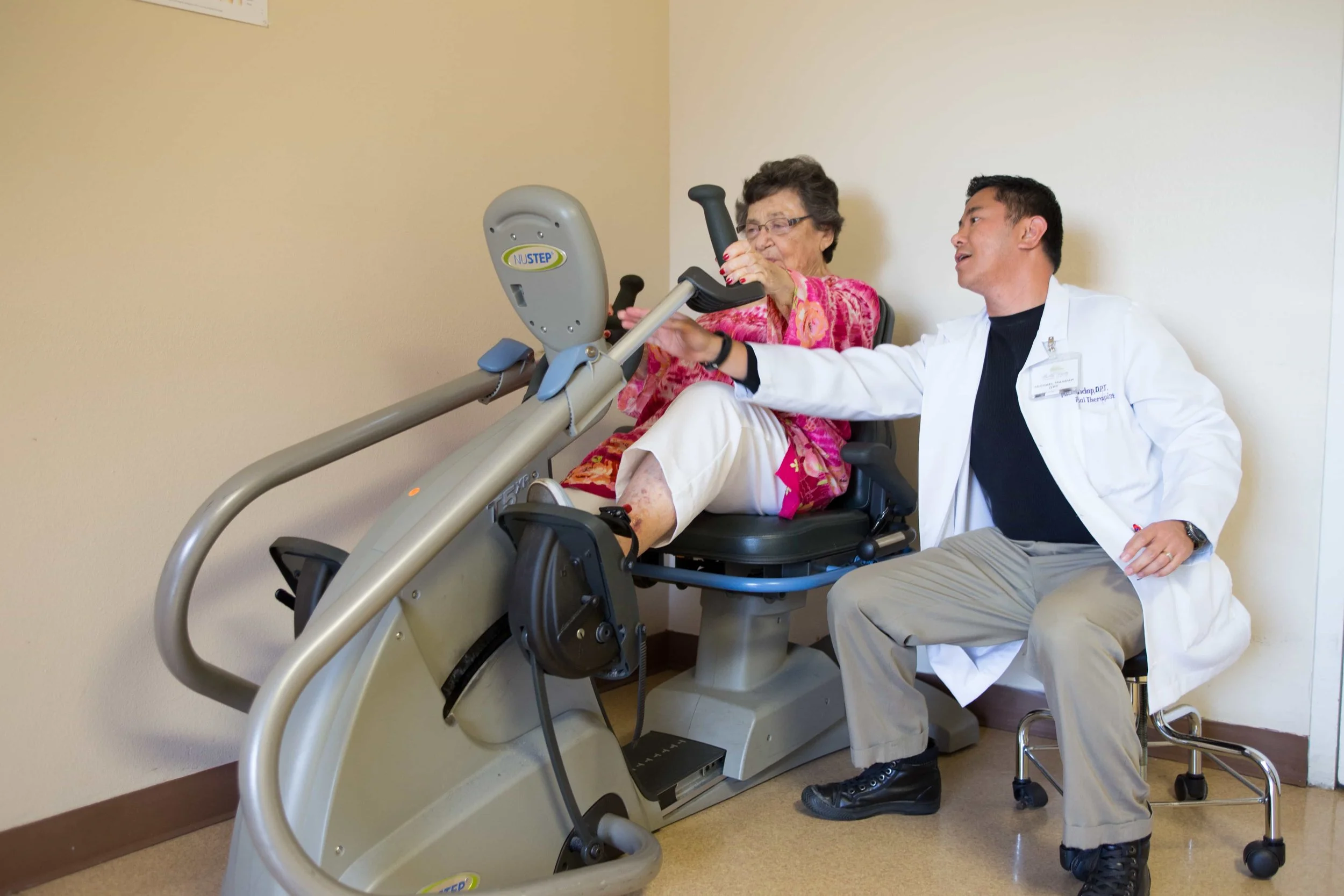
Occupational therapy is a powerful tool that assists individuals in getting the most out of life by helping them participate in everyday activities at the highest possible level of independence. Some people seek occupational therapy as a rehabilitation tool following an illness or injury. Others use it to help them overcome or adapt to the physical challenges that come with aging. Using a combination of education, rehabilitation techniques, and targeted activities to promote self-reliance, an occupational therapist helps patients to improve or maintain a high quality of life.
To the untrained eye, many of the activities that our occupational therapists at Bella Vista do with patients look like “just for fun” activities, but they are chosen very carefully as part of a strategic care plan created for each individual.
Want to get a feel for what occupational therapy might be like? Here are 5 great occupational therapy activities for adults that you can easily do at home—or with a group of friends. They’re all fun and provide very significant physical, mental, and emotional benefits. So, go ahead: Grab a buddy and get started!
Activity: Origami paper folding
What you need: Origami paper and instructions
How it helps: Origami paper folding supports hand-eye coordination, mental concentration, and overall hand function required for everyday tasks such as opening shampoo bottles. Reading directions or following instruction diagrams helps boost brain power as well.
Activity: Stringing beads
What you need: Large beads and a shoelace knotted at one end
How it helps: Stringing beads together enhances dexterity and fine motor skills that can be used to set out vitamins, supplements, and prescriptions in a weekly pill tray, thereby helping to maintain independence with medication. Creating fun patterns can also help inspire creativity and provide additional mental health benefits.
Activity: Ball Toss
What you need: A beach ball and a friend
How it helps: Tossing a light ball back and forth with a friend (or just up into the air on your own) supports range of motion and upper body strength, both of which help in activities of daily living such as bathing, dressing, and cooking.
Activity: Memoir writing
What you need: Paper and pen or a word processing program on your computer
How it helps: Writing your life down on paper can have a positive effect on both cognitive functioning and mental health. These benefits are enhanced when stories are shared and discussed in a safe and supportive setting.
Activity: Yoga
What you need: Your body, a comfortable mat, and enough space to stretch out
How it helps: Gentle yoga exercises help improve balance, flexibility, muscle tone, focus, and concentration. They can also help with fall prevention and an enhanced sleep quality. Yoga can be done in a class setting or at home with a DVD.
Looking for occupational therapy services in San Diego? We can help.
Occupational therapy is a specialized type of rehabilitation that begins with an evaluation and assessment of the patient’s functioning. If you think you or a loved one could benefit from occupational therapy, we’re happy to help. At Bella Vista Health Center in San Diego, our occupational therapists are highly trained and committed to helping each patient restore functioning and achieve their highest possible level of independence. For more information on our occupational therapy programs or any of our other rehabilitative services, give us a call at (619) 644-1000 or stop by our 5-star skilled nursing facility in Lemon Grove today.

The Importance of Occupational Therapy for Seniors
When safety, functionality, and quality of life are concerns, assisted living facilities are sometimes the best option. But it’s also true that assisted living does not mean giving up independence. In fact, some facilities offer occupational therapy specifically to help seniors live more independent and productive lives.

One of the hardest choices seniors and their loved ones have to make is deciding whether living independently at home is still feasible. When safety, functionality, and quality of life are concerns, assisted living facilities are sometimes the best option. But it’s also true that assisted living does not mean giving up independence. In fact, some facilities offer occupational therapy specifically to help seniors live more independent and productive lives.
Although occupational therapy is often utilized after an injury or illness, or to help cope with a mental health condition, the treatment is also used to help seniors regain or strengthen life skills. Read on to discover the importance of occupational therapy for seniors:
Overcoming daily living challenges
Occupational therapy helps seniors compensate for challenges they might face while living independently, such as dressing, feeding, home management, or participation in social activities. Sometimes this is done with the help of assistive devices or new techniques that make it easier to perform daily tasks within the context of mobility limitations.
Implementing environmental modifications
Occupational therapists can facilitate updates in the home to improve safety and functionality, such as grab bars, bathtub benches, and even assistive devices like modified eating utensils or a one-handed cutting board for meal preparation. Therapists are also skilled in educating seniors on home safety, including how to prevent falls while still remaining active.
Assisting caregivers
Many seniors living at home require occasional help, whether from a family member, friend, neighbor, or professional caregiver. But when care is volunteered, it’s easy for caregivers to feel overwhelmed or pressured at times. Occupational therapy and the independence it promotes can alleviate this pressure. Plus, therapists can work with caregivers and assess their caregiving situation, which will allow them to make better decisions about their loved one’s daily needs.
Coping with permanent loss of function
Occupational therapy is particularly beneficial for seniors living with permanent loss of physical or mental functions. For example, therapists can help people with dementia make lists and utilize other prompts to aid recollection. For vision loss or degeneration, occupational therapy can assist in improving visual acuity and perception. Additionally, therapists often use computer programs to help seniors with memory, sequencing, and coordination, all of which are important to independent living.
Improving overall health and wellness
The benefits of occupational therapy go far beyond physical and mental capability—the emotional benefits from increased independence also result in a greater overall quality of life. The educational approach to occupational therapy allows seniors to redesign their lives, which promotes independence, a healthier lifestyle, and longevity.
Could your loved one benefit from occupational therapy?
If you have a loved one who is trying to cope with the loss of physical or mental functions, Bella Vista Health Center can help. Our occupational therapy program was founded on the goal of empowering patients and helping them live functional, independent, and satisfying lives. If you have questions about our services or you would like to tour our 5-Star skilled nursing facility in Lemon Grove, give us a call today or fill out our contact form.

When is it Time to Seek Occupational Therapy?
Unlike physical therapy, which aims to improve mobility, occupational therapy focuses on performing daily tasks. After evaluating your situation, an occupational therapist will develop a modification plan and/or individualized recovery goals that allow you to resume or pursue your valued occupations. Here are some situations that can benefit from occupational therapy:

Although the word “occupation” typically refers to a job or career, the definition can broaden to everyday roles like cooking, cleaning, driving, and even parenting. We all have a variety of daily occupations that we don’t think much about until an injury, illness or other obstacle gets in the way of our doing them. When this happens, occupational therapy can help.
Unlike physical therapy, which aims to improve mobility, occupational therapy focuses on performing daily tasks. After evaluating your situation, an occupational therapist will develop a modification plan and/or individualized recovery goals that allow you to resume or pursue your valued occupations. Here are some situations that can benefit from occupational therapy:
1. Recovering from injury
Most daily tasks involve using our hands, which is why proper recovery from broken wrists, elbows, fingers, or repetitive motion injuries like carpal tunnel syndrome is so vital. Occupational therapy can help regain skills such as bathing, dressing, cooking, and gardening. An occupational therapist may also incorporate work adaptations and ergonomic assessments so you can perform work tasks safely as well.
2. Managing chronic medical conditions
Certain medical conditions like chronic pain and arthritis don’t necessarily have a cure, but occupational therapy can help with modifications to reduce discomfort in your joints, as well as introduce adaptive equipment to assist in daily tasks such as dressing, grooming, writing, cooking, and other hobbies.
3. Rebuilding independence after a stroke
Neurological illnesses and injuries often require extensive recovery periods in skilled nursing facilities. In many of these cases, occupational therapy is employed to improve a patient’s range of motion, strength, and use of the upper extremities in order to support the performance of daily living activities. Occupational therapy is similarly helpful for conditions including traumatic brain injury, spinal cord injury, Parkinson’s disease, and Multiple Sclerosis.
4. Ensuring independence for seniors
According to the AARP, four out of five Americans age 45 or older wish to live at home for as long as they can, and occupational therapy can help achieve this goal. Many seniors face moving to a nursing facility because their families are worried about their ability to perform day-to-day activities such as cooking and grooming. Occupational therapy can help with environmental modifications (such as grab bars in tubs and showers) that allow seniors to age in place safely.
5. Helping with memory loss
While the bulk of occupational therapy is focused on physical challenges, it can assist those with mental challenges as well. Occupational therapists can help people with memory less maintain their ability to perform basic daily tasks including shopping and using public transportation. Occupational therapists are also trained to set up home modifications to help stimulate memory and ensure the safety of the patient.
Experiencing difficulty with daily tasks? We can help.
At Bella Vista Health Center, our 5-star skilled nursing facility provides patients with high-quality care in a clean, safe, and comfortable environment. Our occupational and physical therapy programs offer evidence-based, outcome-driven services that are designed to relieve pain, restore function, and enhance health.
So if you’re looking for top-notch skilled nursing services as well as occupational or physical therapy in San Diego, contact us today for more information about our programs. We look forward to helping you with your recovery, and we’ll be here every step of the way. For more information, give us a call at (619) 644-1000.

FAQ About Occupational Therapy
For people with physical, developmental, social, or emotional challenges, occupational therapy can mean a significant increase in their quality of life. Here are some common questions about occupational therapy and how it differs from other rehabilitation treatments:

For people with physical, developmental, social, or emotional challenges, occupational therapy can mean a significant increase in their quality of life. Here are some common questions about occupational therapy and how it differs from other rehabilitation treatments:
What is occupational therapy?
Occupational therapy provides activities to restore and enhance skills needed for functional daily living. Therapists use a variety of customized exercises in the categories of self-care, work, and play (in other words, “occupations”) with the goal of increasing independence and advancing health and wellbeing.
What is occupational science?
The science behind occupational therapy has been developed over decades, focusing on specific populations (such as seniors, children, or people with certain illnesses), the challenges they face when engaging in meaningful activities, and how those activities provide meaning and purpose to life.
Where does occupational therapy take place?
Occupational therapy treatment can be provided in a wide variety of settings, including hospitals, rehabilitation centers, long term nursing facilities, private practices, mental health and community centers, or in the patient’s home.
How does occupational therapy differ from physical therapy?
While physical therapy is meant to restore mobility and independence after an injury or illness, occupational therapy helps people of all ages obtain or maintain “skills for the job of living,” as it’s often described. Physical therapy primarily focuses on improving strength, balance, and range of motion. Skills addressed through occupational therapy may include eating, dressing, and other self-care activities, as well as work and school activities.
How do occupational therapists devise a treatment plan?
Before therapy begins, occupational therapists evaluate patients to assess motor skills, visual perception, sensory processing, and daily living skills. While standardized assessment tools are used along with clinical observations, the treatment plan is customized to each individual patient’s needs and adjusted during treatment as necessary.
What conditions are treatable with occupational therapy?
Occupational therapy is used to treat conditions that are the result of an accident, age, or are present from birth. Some conditions include arthritis, multiple sclerosis, Parkinson’s disease, dyspraxia, schizophrenia, and depression, as well as physical and mental symptoms of aging. The ability to engage in meaningful activities that are otherwise difficult due to physical or emotional limitations can have positive effects on a patient’s overall health. The confidence that comes from enhanced self-reliance has been known to have a significant impact on health outcomes.
What type of equipment is involved in occupational therapy?
There are several pieces of equipment that can be used to facilitate a patient's independence and safety. Assistive devices such as walkers and canes can improve stability and prevent falls, while a “reacher” or “grabber” can enable patients to avoid bending, and a long-handled shower sponge can allow patients to wash their back and other hard-to-reach areas without assistance. An occupational therapist may recommend any type of adaptive equipment as part of a treatment plan.
Improved function, improved life
At Bella Vista Health Center, our occupational therapists are experienced, compassionate, and skilled at helping patients improve their ability to carry out daily living activities. If you or a loved one is looking for a skilled nursing facility that offers occupational therapy in San Diego, give us a call today. We also offer physical therapy, speech therapy, and a number of other services designed help residents live their best lives.