

Bella Vista Health Center Blog


What is Sports Injury Rehabilitation?
Sports injury rehabilitation helps injured athletes recover and get back to the activities they love.
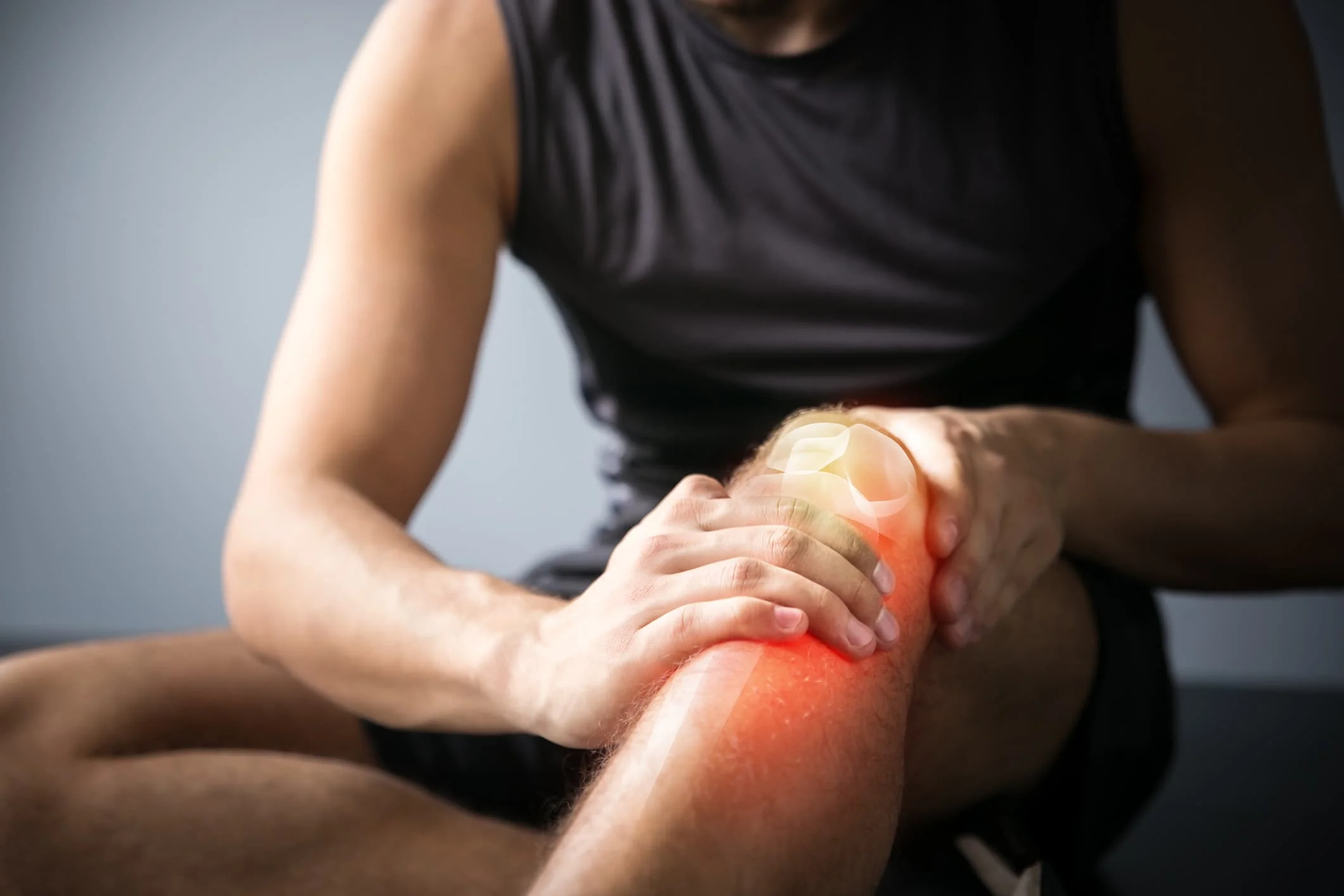
People who love to play sports or engage in athletic activities derive tremendous pleasure from their body’s ability to stretch, run, lift, throw, jump, swim, and so on. When an acute or overuse injury puts an athlete out of commission and makes them unable to participate in their favorite activities, the effect can be devastating. Fortunately, sports injury rehabilitation helps injured athletes recover and get back to the activities they love.
What is sports injury rehabilitation and why is it important for older adults?
In a nutshell, sports injury rehabilitation is the restoration of optimal form and function following a sports injury. For older athletes in particular, it can be the key to living a fulfilling life. Although that may sound somewhat melodramatic, many studies have shown links between activity levels and quality of life in older adults, and sports injury rehabilitation helps injured athletes of all ages return to pre-injury fitness levels and prevent re-injury.
One of the great benefits of youth is the ability to bounce back. As we get older, we lose some of that automatic resilience. Our bodies change, and we lose muscle mass and become less flexible. And because we’ve been around longer, many of us develop some arthritic changes in our weight bearing joints. When the older athlete suffers a sports injury, more rest is required for recovery than with a younger athlete. And during that time, deconditioning happens quickly.
A quality rehabilitation program with a licensed physical therapist will address pain management and provide a prescription for progressive exercises to increase flexibility and range of motion, strength and endurance, and balance and coordination so that the injured athlete can recover and get back to the activities that bring the most enjoyment and satisfaction out of life.
Sports injury rehabilitation following surgery
Active older adults are at the risk of the same types of sports injuries as younger athletes. Some will heal on their own with time and home remedies such as ice and heat therapies. Others benefit greatly from anti-inflammatory medications and/or outpatient physical therapy. But sometimes, severe sports injuries for people of all ages require surgery, and when they do, sports injury rehabilitation is an important part of recovering and regaining pre-injury fitness levels. Some common sports-related surgeries include:
Knee surgery
Knee replacement surgery
Meniscus tear surgery
Knee arthroscopy
ACL reconstruction
Rotator cuff surgery
Shoulder surgery
Shoulder arthroscopy
Physical therapy and rehabilitation for sports injuries usually begins at the hospital shortly after surgery and continues after the patient has returned home.
Physical therapy for sports injury rehabilitation
Although the specifics of each person’s rehabilitation program is different depending on their injury, their physical condition, and the extent of their surgery, most physical therapy programs will include some combination of the following:
Pain management
Swelling reduction
Joint mobilization
Soft tissue mobilization
Stretching
Active resistance exercises
Proper body mechanics
Biofeedback
Muscle tension feedback
Therapeutic ultrasound
Electrical stimulation
Fall prevention and balance retraining
The goal of post-surgical rehabilitation for sports injuries is to support the body’s natural healing process and to strengthen and condition the muscles and joints so the patient can continue their favorite activities without pain or limitation.
Short-term rehab for sports injuries at Bella Vista Health Center
People who suffer a sports injury requiring surgery are often released from the hospital before they’re fully recovered. Short term rehab facilities bridge the gap between hospital and home, providing rehabilitation services in a safe, nurturing environment. At Bella Vista Health Center, we offer premium skilled nursing care and a range of rehabilitative therapies including physical therapy, occupational therapy, speech therapy, and more. Our Lemon Grove rehab center can help you recover, get back on your feet, and continue to live a life you love. If you or someone you love needs sports injury rehab or any of our other services, give us a call at (619) 644-1000 or drop by and visit our facility today.

How to Recover After Shoulder Surgery
Whether you plan to recover at home or at a skilled nursing facility, take a look at the following 7 tips for how to best recover after shoulder surgery.

We rely on our shoulders for a number of daily activities that we do without a moment’s thought: carrying groceries, putting away dishes, sweeping the floor, and embracing our loved ones. The shoulder is one of the loosest joints in the body, and its flexibility is one of its greatest strengths. Unfortunately, this freedom of movement also makes the shoulder vulnerable to injury. Common shoulder problems include rotator cuff tears, shoulder dislocation, frozen shoulder, fractured collarbone and AC joint separation, osteoarthritis, and bursitis or tendinitis. Often, non-surgical treatments can help restore shoulder function and provide relief from pain. But sometimes, shoulder surgery is the best option for advanced or severe shoulder issues.
If your doctor has recommended shoulder surgery, he or she has probably also informed you that you should not expect to recover overnight. Although healing from shoulder surgery takes time, there are some things you can do to help accelerate the process. Whether you plan to recover at home or at a skilled nursing facility, take a look at the following 7 tips for how to best recover after shoulder surgery.
1. Follow your doctor’s instructions
Chances are, you chose a skilled and experienced surgeon to perform your shoulder surgery. So you should also trust that he or she wants you to heal as quickly as possible and would not steer you wrong by way of post-op instructions. Your doctor will likely prescribe pain medication and antibiotics, ask you to keep the shoulder immobile for a number of weeks, and suggest that you refrain from certain movements and activities. Following these instructions carefully is the first part of a healthy recovery from your shoulder surgery.
2. Maintain a healthy diet
Proper nutrition during recovery from a shoulder injury provides your body with what it needs to heal and repair. Foods high in vitamins C and E and a diet high in lean protein will help promote proper healing, reduce inflammation, and fight off infection. A healthy diet during this time can also help prevent weight gain and minimize the risk of depression that sometimes sets in during periods of limited activities.
3. Sleep well
Sleep plays a significant role in the body’s healing process. It’s not just the amount of sleep we get that’s important, but also the quality of sleep. When recovering from shoulder surgery, it can be difficult to achieve deep, healthy sleep. You may benefit from sleeping in a reclined position rather than flat on your back. Timing your pain medications to a half-hour or so before you go to bed can help as well. Wearing your sling at night may keep your shoulder from moving into painful positions while you sleep. Ask your doctor for further recommendations on how to get the best sleep possible while you recover from your shoulder surgery.
4. Participate in physical therapy
Physical therapy is an important part of recovery from shoulder surgery. It helps to accelerate healing and restore strength, mobility, and range of motion. Physical therapy will begin shortly after your surgery, though the shoulder itself will remain immobile in those first days and weeks. Early therapy may include flexing the wrist and fingers, passive movement of the arm, and after a few weeks, your physical therapist will introduce gradual movement of the shoulder and strength training. It’s crucial to participate in physical therapy at the pace set by your therapist.
5. Practice patience
Recovery from shoulder surgery is a process that requires time and patience. If you are accustomed to an active lifestyle, it may be challenging to wear a sling and limit your activities to those approved by your doctor, but it’s important that you heed your doctor’s advice. If you push yourself too soon, you risk further damage and disruption of the healing process. Rest and patience are key factors when it comes to achieving a full recovery.
6. Ask for help
In the early days and weeks following your shoulder surgery, some of the daily tasks you are accustomed to will be difficult or impossible to do on your own. It’s important that you ask for help when you need it rather than putting your recovery at risk by attempting to do it all on your own. Sometimes, a short-term rehabilitation program in a skilled nursing facility is the best option for getting the rest and help you need during your recovery period. The skilled nursing care, assistance with activities of daily living, on-site physical therapy and occupational therapy, and nutritious meals provided in a therapeutic environment will allow you to focus on healing, building strength, and regaining your independence.
7. Follow up with your doctor
In the year or so following your surgery, your doctor will likely want to see you for several follow-up visits to make sure you are healing and progressing as expected. Scheduling and attending these appointments as advised by your doctor is an important part of ensuring that you regain as much strength, mobility, and function in your shoulder as possible.
Bella Vista provides a nurturing environment for recovery in San Diego
At Bella Vista Health Center, we offer short-term rehabilitation for patients recuperating from surgery, injury, or illness. Our 5-star skilled nursing facility in Lemon Grove provides a warm, welcoming environment as well as top-notch medical professionals dedicated to helping patients achieve full recovery in the shortest time possible. If you or a loved one is seeking a place to transition from hospital to home, please give us a call to schedule a tour today. We look forward to serving you.

5 Tips for a Faster Recovery After Injury
Recently suffered an injury? Here are some ways you can increase the effectiveness of your recovery without compromising your health.
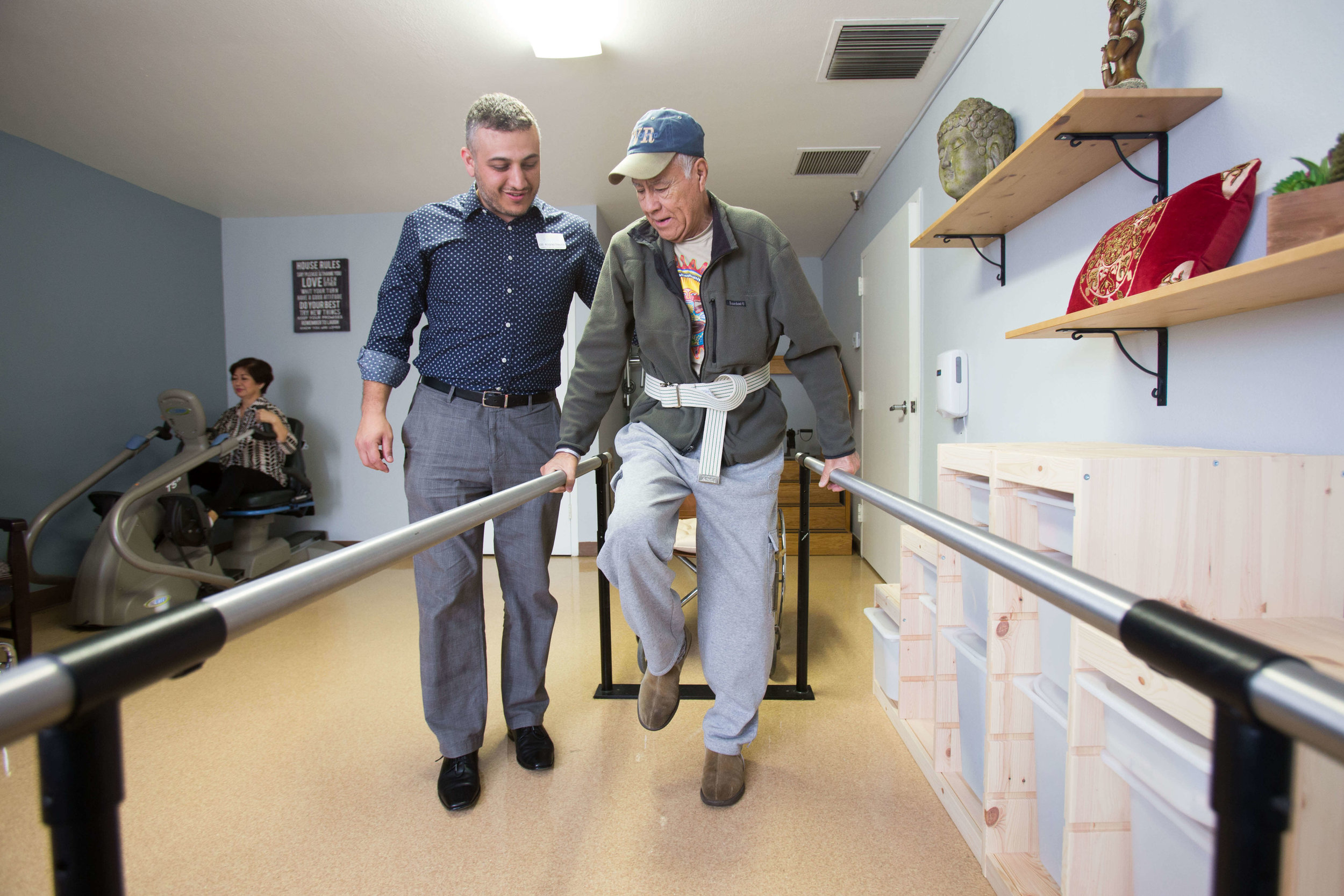
If you recently suffered an injury, such as a broken hip, your first question was likely, “How quickly will I recover?” It can be frustrating to get used to the limited mobility that follows an injury, and it’s natural to want to get back to your normal life as soon as possible. In an effort to speed up the recovery process, many people actually cause more damage by doing too much too soon. Luckily, there are some ways you can increase the effectiveness of your recovery without compromising your health.
Listen to your doctor’s orders
This may sound obvious, but it’s really important to abide by your doctor’s orders following an injury. This may include periods of elevation and ice to reduce swelling, physical therapy, medication, and limitations on the amount of weight you can place on the injured body part. Following your doctor’s orders is one of the best ways to recover quickly after an injury.
Be consistent
Just as important as listening to your doctor’s orders is keeping a consistent treatment schedule. At Bella Vista Health Center, our physical therapists recommend a set number of weekly visits based on a patient’s condition. Attending each and every physical therapy session, as well as performing any prescribed exercises between visits, will produce the best results.
Eat a healthy diet
Recovering from an injury places stress on your body. It’s important to fuel it with proper nutrition so you get all of the vitamins and nutrients you need to repair damaged tissue and regain strength. Bella Vista Health Center has a registered dietitian on staff that works with our chef to create meals that both taste delicious and contain plenty of fruits and vegetables to speed up recovery following an injury.
Be aware of warning signs
As you recover from your injury, be on the lookout for signs of complications that could derail your progress. Redness, increased swelling, joint stiffness, and pain that’s getting worse instead of getting better are all signs you should contact your doctor right away. If possible, keep a journal where you document your symptoms and pain level each day and bring it to your physical therapy appointments.
Take care of your mental health
Taking care of your mental health is just as important as your physical health following an injury. Many patients become frustrated that they aren’t recovering as quickly as they’d like to, and they become increasingly stressed. Meditation and breathing exercises can help you relax even if you have physical limitations, as can activities that are mentally challenging. Crossword puzzles, coloring, and watching your favorite comedies are all great ways to minimize stress for a faster recovery.
Recover in comfort at our health center in San Diego
Choosing the right environment to receive injury treatment will make you feel more comfortable with your physical therapy experience, which in turn will increase its effectiveness. At Bella Vista Health Center, we take a patient-centered approach to physical therapy to help you achieve your mobility goals as quickly as possible. Our therapists will work with you one-on-one to relieve pain and discomfort, restore function, and build strength so you can put your injury behind you and return to your favorite activities.
Call us today to learn more about our San Diego physical therapy program and other services at (619) 644-1000.


