

Bella Vista Health Center Blog


8 Summer Activities for Nursing Facility Residents
Because some nursing facility residents might have limited physical or cognitive abilities, the most effective—and fun—group activities are structured such that all residents are included, whether they participate or just observe. For some examples, here are 8 great nursing facility activities for summer:

For most people, summer is synonymous with fun-filled days and exciting nights, especially in a tourist haven like San Diego. But squeezing the most out of summer can be challenging for nursing facility residents, whether they are receiving short-term or long-term care. Meaningful activities are crucial to preserving a high quality of life, and nursing facility activities that reach beyond the basics (bingo, crafts, board games, etc.) have the best chance of providing the emotional and social support that are necessary supplements to rehabilitative medical care.
Because some nursing facility residents might have limited physical or cognitive abilities, the most effective—and fun—group activities are structured such that all residents are included, whether they participate or just observe. For some examples, here are 8 great nursing facility activities for summer:
1. “Drive-in” movie
For nursing facility residents of a certain age, drive-in theaters are reminiscent of summer fun, first dates, and even first kisses. Nursing facilities can recreate the experience on a warm summer night with lawn chairs instead of cars, a white sheet hung on an outdoor wall in place of a movie screen, and a rented projector. As for the movie, black-and-white classics are always a great choice, but newer films that residents might have missed in the theaters are a wonderful option as well.
2. Garden party
Beautiful summer weather means the perfect opportunity for an old-fashioned garden party. Nursing facility staff members can set up tables with decorative coverings and vases with flowers, and offer fancy sweets, savory snacks, and refreshing ice-cold beverages. Activities may include dancing, flower-arranging competitions, or decorating straw hats with flowers, ribbons, feathers, and beads.
3. Kite flying
If you think kites are for kids, you must not be aware of the many adult kite-flying competitions that take place across the world. Kite flying is fun and peaceful, and kites are inexpensive and widely available at most discount stores and drugstores. All that’s required to fly them is a wide-open space and a little wind. Whether residents are participating or observing, the rainbow of beautiful flying colors can transport them back to the lazy summer days of childhood.
4. Hawaiian luau
A trip to the beach might not be feasible for nursing facility residents, so why not bring the beach to them? Residents can wear leis, dance to music by Don Ho, and feast on traditional Hawaiian luau food like roast pork, teriyaki chicken, and fruit kebabs. Other fun activities include setting up plastic kiddie pools full of damp sand and offering a variety of sand castle molds, or bringing in a professional hula dancer to teach residents some moves.
5. Karaoke
There’s no such thing as bad singing if it comes from the heart, and karaoke nights are a great way to allow residents to let loose and show off their personality. Song choices should span decades to include everyone’s preferences; songs by Frank Sinatra, Elvis, and Carole King are popular favorites. Activity directors can set up the event as a free-for-all, or structure it more like an “American Idol” type of competition, which is a blast for participants and observers alike.
6. Prom night
Although high school proms typically take place in late spring, warm summer nights are perfect for an outdoor dance under the stars. Some local thrift stores may be willing to donate gowns and suits to the nursing facility, and local salons may offer the services of a few stylists to provide prom-worthy hair and makeup. To complete the theme, set up a prom photo area with a sparkly backdrop and print out copies for residents to keep.
7. Ice cream social
Ice cream socials might be a bit old fashioned, but who doesn’t love ice cream in the summer? Nursing facilities can offer a variety of ice cream flavors, as well as low fat, sugar-free, lactose-free and vegan options to accommodate residents’ nutritional requirements. And don’t forget all the toppings: hot fudge, caramel, whipped cream, cherries, sprinkles, peanuts, mini marshmallows, and anything else that would make a delicious sundae.
8. Scavenger hunt
Scavenger hunts are a great physical and cognitive activity for nursing facility residents, and they tend to bring out the competitive spirit in most players. Scavenger hunts involve teams with instructions and a list of clues, which send them racing to find the same or different items before the other teams do. Prizes can be awarded to the winners, and residents who aren’t able to participate in the actual hunt can help devise the clues.
Rehabilitative care for optimal health and quality of life
If you are looking for a nursing facility in San Diego, Bella Vista Health Center offers short and long-term rehabilitative care with programs designed to empower our residents to reach their maximum potential. Our 5-Star Skilled Nursing Facility in Lemon Grove features a wide range of amenities, including fun activities, nutritious meals, and convenient concierge services.
At Bella Vista Health Center, we take a holistic approach to wellness that addresses the mind, body, and spirit. To learn more about our facility and rehabilitation programs, give us a call at (619) 644-1000 or fill out our form to schedule a tour.

7 Tips for Choosing a Rehab Facility
Choosing a rehabilitation center where your loved one can recover from an injury or illness is an important decision. The facility you decide on will play a major role in how quickly your family member rehabilitates back to their personal best, as well as the quality of care he or she receives along the way.

Choosing a rehabilitation center where your loved one can recover from an injury or illness is an important decision. The facility you decide on will play a major role in how quickly your family member rehabilitates back to their personal best, as well as the quality of care he or she receives along the way.
There are many rehab facilities in San Diego that offer similar services, which can make choosing one a difficult task. How can you tell which rehabilitation centers will provide the compassionate, high-quality care your family member needs, and which ones won’t? As you consider your options, the following criteria will help you choose the best facility for a safe, comfortable, and therapeutic recovery.
1. Choose a licensed and certified facility.
When searching for a rehabilitation center, limit your searches to those with state licensure and certification by the Centers for Medicare and Medicaid; these serve as important indicators of the quality of care a facility provides. Look for a facility with a four or five star rating.
2. Determine whether patients receive customized treatment plans.
No two patients’ road to recovery is the same, so avoid rehabilitation centers that use a one-size-fits-all approach to treatment. The plan of care should be developed by an interdisciplinary team of medical specialists with input from the patient and his or her caregivers.
3. Consider cost and whether your family’s health insurance is accepted.
Ask each rehabilitation center about how billing is handled. To ease the financial burden, limit your options to facilities that accept Medicare/Medi-Cal or the private insurance coverage your loved one carries.
4. Tour facilities in person to evaluate the atmosphere and lifestyle.
Take a tour of each of the rehabilitation centers on your list and ask to see patient rooms and common spaces. Make a mental note of the cleanliness, comfort, and privacy, and inquire about social events, activities, and access to religious services.
5. Look for a facility with medical staff available 24/7.
Having a board certified physician on-site and available at all times is a good indicator that a rehabilitation center has its patients’ safety and wellbeing at top of mind.
6. Consider the type of rehabilitation your loved one needs.
Whether your family member requires physical therapy following back surgery or speech therapy after a stroke, be sure the facility you choose offers the type of rehabilitation he or she requires with staff who are specially trained to help patients in these areas.
7. Inquire about how much therapy the patient will receive.
The best rehab facilities in San Diego will provide between one and three hours of therapy each day, spread out at different times. The therapy should be progressive as the patient gains strength and focus on specific goals for functionality and independence.
If your loved one is in the hospital, you may be tasked with making medical decisions on their behalf. Among them will be deciding where to send him or her for rehabilitation following release. Bella Vista Health Center makes this choice an easy one.
Our five-star rated rehabilitation center offers customized programs of care tailored to each patient’s individual needs. During their stay, patients enjoy comfortable accommodations at our recently remodeled facility, 24-hour access to medical staff, and added perks like delicious meals, social activities, local transportation, and salon services.
Visit our location in Lemon Grove to see for yourself how Bella Vista Health Center can help rehabilitate your loved one back to his or her personal best. Give us a call at (619) 644-1000 or fill out our form fill to schedule a tour.

How to Find The Best Assisted Living Facility
The decision to move your loved one into assisted living is never an easy one. Many seniors are reluctant to give up their freedom and the comforts of home. Even in an ideal situation, where your loved one chooses to make the move to assisted living, grief and feelings of loss are common.
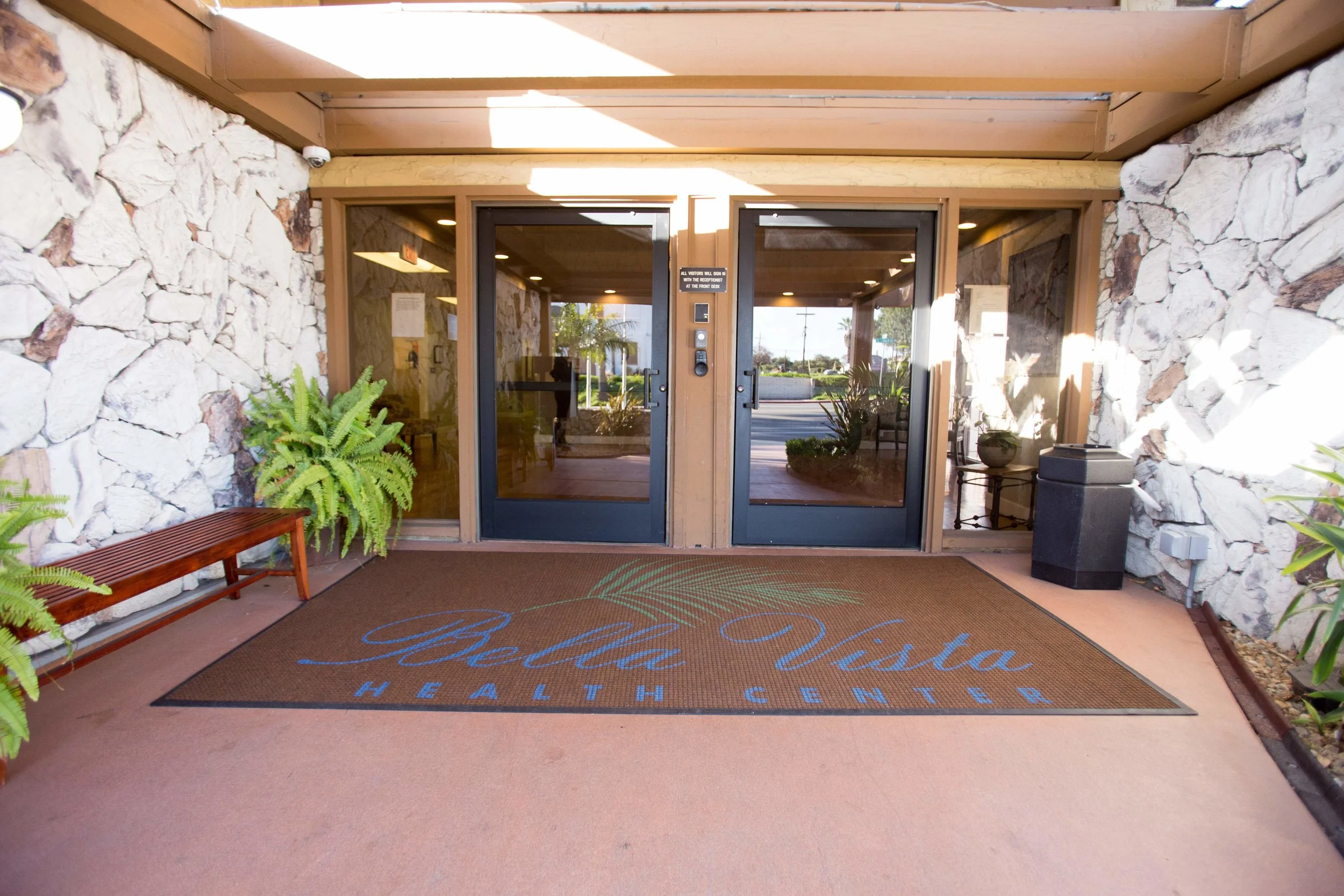
The decision to move your loved one into assisted living is never an easy one. Many seniors are reluctant to give up their freedom and the comforts of home. Even in an ideal situation, where your loved one chooses to make the move to assisted living, grief and feelings of loss are common.
The best assisted living facilities will be sensitive to the emotional upheaval such a life change can cause for an aging adult, and do everything they can to make the transition into long-term care smooth and comfortable. In addition to a compassionate intake staff, there are a few other things to look for that distinguish the best assisted living facilities in San Diego from the rest.
A comfortable, welcoming atmosphere
First impressions are important. Walking into a facility, does it feel like home? Some people prefer a cozy, quiet environment, while others enjoy a large, busy place buzzing with social activities. Request a tour of the resident rooms and common areas. Whatever your loved one’s personal preference, the facility should also be safe, secure, clean, and well maintained.
Attentive providers and professionals
The best assisted living facilities staff warm, caring providers and professionals who go above and beyond to ensure each resident feels his or her future will be provided for. Are these people genuinely friendly, and do they take time to speak with you? Observe how they interact with current residents. If caretakers appear stressed or overwhelmed, you may want to take your search elsewhere.
Resident safety is top priority
Look for an assisted living facility with skilled nursing staff and a physician on-site 24 hours a day. As you tour the premises, take note of whether the entrances and exits are secured, if the hallways have handrails, and whether the doorways are wide enough to accommodate a walker or wheelchair. A sprinkler system, smoke detectors, and an emergency call system in the resident rooms are essential.
Delicious and healthy meals
The best assisted living facilities work with a registered dietitian to offer a variety of menu options that are delicious and accommodate the changing dietary needs of aging adults. Ask to see the menu and sample the facility’s food; inquire as to how many meals and snacks residents receive each day. Can residents choose when they eat, or are there designated meal times?
Access to rehabilitation services
Even if your loved one is healthy today, it’s comforting to know that the assisted living facility you choose offers rehabilitation programs on-site if the need arises. Services to look for include physical therapy, occupational therapy, speech therapy, and pulmonary rehabilitation. Be sure to ask about how treatment plans are customized to each resident’s needs.
A wide variety of social activities
Top assisted living facilities acknowledge the importance of socialization for aging adults. Is there a monthly events calendar posted? As you tour the facility, look for current residents engaged in activity. Do they appear happy? Off-site outings, birthday and holiday celebrations, religious services, and visitor hours are all things to inquire about on your tour.
Selecting an assisted living facility is a big decision, and one that will have a significant impact on your loved one’s health and happiness. At Bella Vista Health Center, we make the transition to long-term care as smooth as possible by providing a comfortable and nurturing atmosphere for all residents. With attentive staff, advanced safety measures, appetizing and healthy meals, rehabilitation programs and ample opportunities for socializing, we offer residents the compassionate care and quality of life you expect from one of the best assisted living facilities in San Diego.
Give us a call at (619) 644-1000 or fill out our form fill to schedule a tour of our recently remodeled, 5-star facility in Lemon Grove. You’re going to love what you see.

What are Post-Acute Care Services?
As a skilled nursing facility in San Diego, we help fill in the gap by offering post-acute care services to address patients in need of specialized follow-up care. Here’s an overview of post-acute care services, and how we can help.

Decades ago, someone suffering a medical emergency such as an accident or sudden illness would spend a considerable amount of time in the hospital recovering after surgery or treatment. Modern healthcare costs have made extensive hospital stays unfeasible, but for most patients in this type of situation, quick recovery is unrealistic.
As a skilled nursing facility in San Diego, we at Bella Vista Health Center help fill in the gap by offering post-acute care services to address patients in need of specialized follow-up care. Here’s an overview of post-acute care services, and how we can help.
Which conditions can be treated with post-acute care?
The conditions treated with San Diego post acute care services include—but are not limited to—strokes, pulmonary diseases, orthopedic fractures, hip fracture/replacement, knee or other joint replacement, cardiac or respiratory ailments, severe wounds, and post-tracheostomy recovery.
What is the goal of post-acute care?
San Diego Post Acute Rehabilitation providers treat major health episodes through therapeutic, rehabilitative or skilled nursing services, including physical therapy, occupational therapy, and speech therapy, along with basic medical care. Although the main goals for post-acute care are stabilization and recovery, providers also address self-care tasks for improved mobility and pain management, and offer tools and strategies to prevent further complications. And while providers allow patients to recover at their own pace, they also strive to help patients regain their independence and return home as soon as possible.
Who provides post-acute care services?
Entities that provide post-acute care services include transitional care hospitals, skilled nursing facilities, and home health care providers. Skilled nursing facilities such as Bella Vista Health Center offer post-acute care from a full spectrum of professional healthcare providers including physicians, registered nurses, certified therapists, social workers, and support staff.
What do skilled nursing facilities offer in addition to post-acute care?
Skilled nursing facilities strive to help patients recover in the most comfortable and supportive setting possible, which is why many offer custom care plans and amenities such as pharmacy services, individualized meal plans, transportation services, and patient/family training and education. Many skilled nursing facilities also offer planned activities, social functions, and outings when possible to heal the spirit as well as the body.
What are the benefits of post-acute care?
Full recovery at an individualized pace is the primary benefit of post-acute care services, but it’s not the only one. Studies have shown that patients receiving post-acute care after a major health episode see greater and more rapid clinical improvements compared to patients discharged to their homes. Also, coordination between hospitals and post-acute care providers helps to reduce readmissions to the hospital.
Post-acute care services you can count on
At Bella Vista Health Center, our highly skilled and reliable staff includes internal physicians, critical care physicians, nurse practitioners, respiratory therapists, physical therapists, occupational therapists, speech therapists, psychiatrists, and registered dieticians. The compassion and reliability of our team are just a couple of reasons our patients feel comfortable, safe, and ready to focus on recovery.
If you have recently suffered a medical emergency and are in need of post-acute care services in San Diego, give us a call at (619) 644-1000 to tour our beautiful, recently remodeled 5-star skilled nursing facility, or fill out our contact form.

The Importance of Occupational Therapy for Seniors
When safety, functionality, and quality of life are concerns, assisted living facilities are sometimes the best option. But it’s also true that assisted living does not mean giving up independence. In fact, some facilities offer occupational therapy specifically to help seniors live more independent and productive lives.
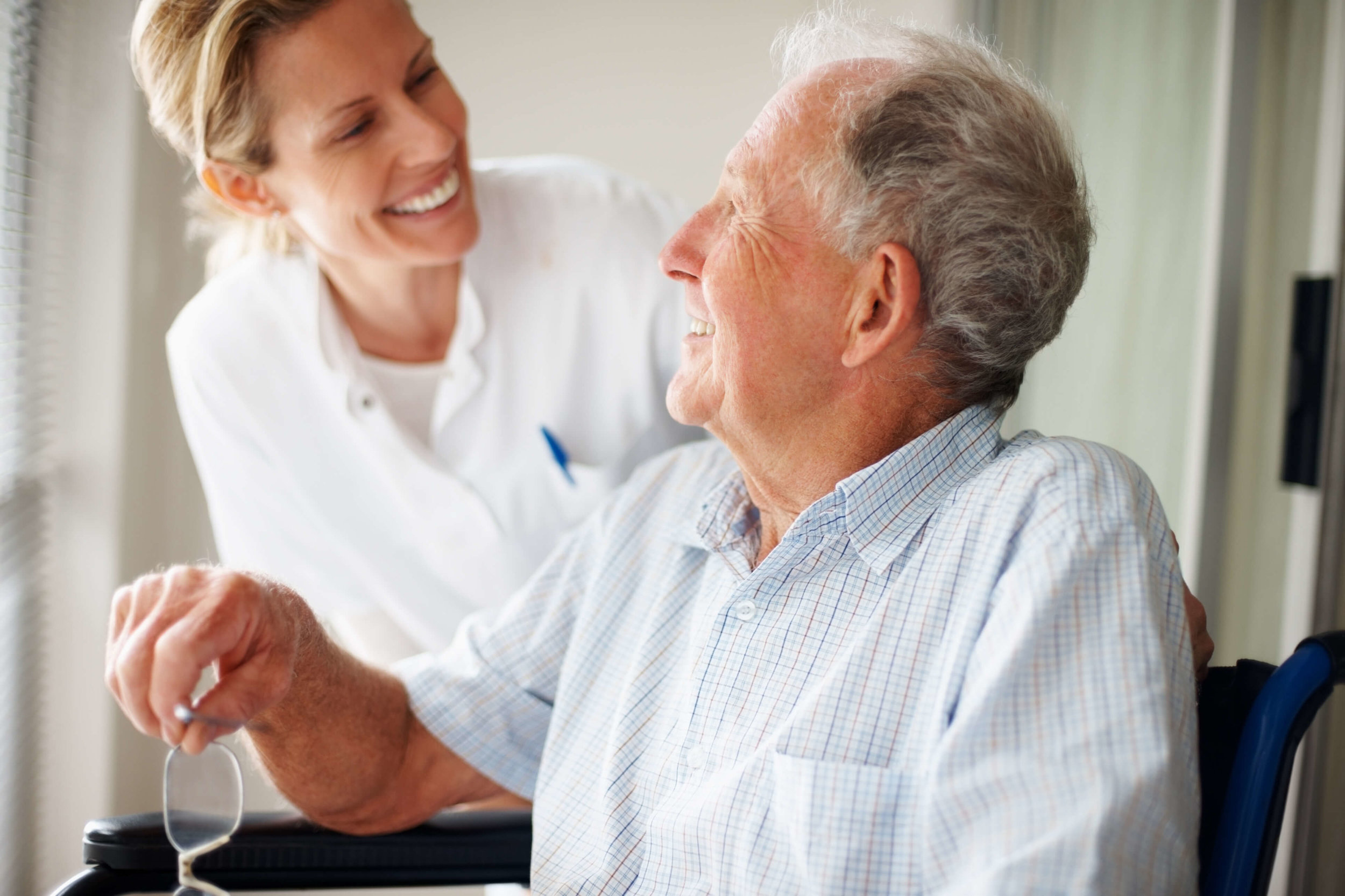
One of the hardest choices seniors and their loved ones have to make is deciding whether living independently at home is still feasible. When safety, functionality, and quality of life are concerns, assisted living facilities are sometimes the best option. But it’s also true that assisted living does not mean giving up independence. In fact, some facilities offer occupational therapy specifically to help seniors live more independent and productive lives.
Although occupational therapy is often utilized after an injury or illness, or to help cope with a mental health condition, the treatment is also used to help seniors regain or strengthen life skills. Read on to discover the importance of occupational therapy for seniors:
Overcoming daily living challenges
Occupational therapy helps seniors compensate for challenges they might face while living independently, such as dressing, feeding, home management, or participation in social activities. Sometimes this is done with the help of assistive devices or new techniques that make it easier to perform daily tasks within the context of mobility limitations.
Implementing environmental modifications
Occupational therapists can facilitate updates in the home to improve safety and functionality, such as grab bars, bathtub benches, and even assistive devices like modified eating utensils or a one-handed cutting board for meal preparation. Therapists are also skilled in educating seniors on home safety, including how to prevent falls while still remaining active.
Assisting caregivers
Many seniors living at home require occasional help, whether from a family member, friend, neighbor, or professional caregiver. But when care is volunteered, it’s easy for caregivers to feel overwhelmed or pressured at times. Occupational therapy and the independence it promotes can alleviate this pressure. Plus, therapists can work with caregivers and assess their caregiving situation, which will allow them to make better decisions about their loved one’s daily needs.
Coping with permanent loss of function
Occupational therapy is particularly beneficial for seniors living with permanent loss of physical or mental functions. For example, therapists can help people with dementia make lists and utilize other prompts to aid recollection. For vision loss or degeneration, occupational therapy can assist in improving visual acuity and perception. Additionally, therapists often use computer programs to help seniors with memory, sequencing, and coordination, all of which are important to independent living.
Improving overall health and wellness
The benefits of occupational therapy go far beyond physical and mental capability—the emotional benefits from increased independence also result in a greater overall quality of life. The educational approach to occupational therapy allows seniors to redesign their lives, which promotes independence, a healthier lifestyle, and longevity.
Could your loved one benefit from occupational therapy?
If you have a loved one who is trying to cope with the loss of physical or mental functions, Bella Vista Health Center can help. Our occupational therapy program was founded on the goal of empowering patients and helping them live functional, independent, and satisfying lives. If you have questions about our services or you would like to tour our 5-Star skilled nursing facility in Lemon Grove, give us a call today or fill out our contact form.

FAQ About Speech Therapy for Adults
Many people are not aware of the benefits speech therapy can provide for adults. Adult speech therapy is often part of recovery programs for illnesses or injury, and it can also help manage other medical conditions that affect speech, language and eating. Here are some common questions about how speech therapy can help adults:

While speech therapy is known to be incredibly helpful to children with speech and language issues, many people are not aware of the benefits speech therapy can provide for adults as well. Adult speech therapy is often part of recovery programs for illnesses or injury, and it can also help manage other medical conditions that affect speech, language and eating. Here are some common questions about how speech therapy can help adults:
What is speech therapy for adults?
The goal of speech therapy is the same for any age: to improve skills that will lead to more effective and confident communication. Some adults need speech therapy to address a medical condition, while others need help reorganizing thoughts, orientation, and memory following an injury or illness. During an initial evaluation, prospective speech therapy patients will be evaluated on the following areas:
Speech: quality and clarity of sound production
Voice: pitch, volume, quality, and resonance
Language: expressive language (expressing thoughts and ideas) and receptive language (understanding others)
Cognitive communication: memory, orientation, problem solving, organization and attention
Social communication: conversational dynamics
Speech therapy can also address stuttering and its impact on the patient’s social communication, as well as swallowing issues linked to speech deficiencies.
What conditions can affect speech for adults?
Medical issues such as stroke, Parkinson’s disease, or Multiple Sclerosis can affect speaking and language skills. Accidents that injure the brain, throat, jaw, or facial structure can also impair the ability to speak. While adult speech therapy is not guaranteed to cure all speech disabilities, many patients see strong improvement in language skills and increased confidence and quality of life.
What are common signs that an adult might need speech therapy?
An inability to speak properly is often embarrassing, and many adults are reluctant to seek help. It may be time to seek out speech therapy if your loved one experiences any combination of the following symptoms:
Speaking softly or barely able to whisper
Rapid rate of speech with mumbling
Hoarseness, breathiness, or nasal and stuffy-sounding speech
Poor vocal quality
Decline in memory
Decline in ability to produce or understand language
Difficulty with non-speech movements such as sticking out the tongue
What do you treat in speech therapy?
Children typically need speech therapy for articulation disorders, which involves the inability to properly form certain word sounds, but treatment for adults involves a broader range of speech and language disorders, including:
Fluency disorders: Affecting the flow, speed and rhythm of speech, including stuttering (blocked or interrupted speech) and cluttering (rapid speech that merges words together).
Resonance disorders: Occurring when an obstruction of regular airflow in the oral or nasal cavities alters vibrations and voice quality, often associated with cleft palate and neurological disorders.
Receptive disorders: Difficulty understanding and processing what others are saying, linked to autism, hearing loss and head injury.
Expressive disorders: Difficulty expressing or conveying information, forming accurate sentences, or using correct verb tense, associated with developmental impairments or head trauma.
Cognitive communication disorders: Difficulty communicating due to a brain injury or neurological condition that affects memory, problem solving, speaking and listening.
What happens in speech therapy for adults?
After an assessment to determine the specific needs of the patient, speech therapy exercises can begin. Treatment plans are customized to the individual, but speech therapy sessions may include:
Breathing exercises to improve resonance
Exercises to strengthen oral muscles for clarity
Conversational strategies to improve social communication
Activities to improve cognitive communication such as problem solving, memory, and organization
Adult speech therapy patients will typically also be given “homework,” or customized strategies and exercises to practice at home between therapy appointments. Practicing throughout the week usually leads to faster improvement and more effective speech therapy sessions.
Do you know someone who could benefit from speech therapy? We can help.
If you’re looking for a skilled nursing facility that provides speech therapy, you’ve come to the right place. At Bella Vista Health Center in Lemon Grove, we offer a clinical Speech Therapy program that consists of treatment, support, and care for those who have difficulties with communication, cognition, or swallowing. In addition to our skilled nursing services and five-star facility, our speech therapy after stroke programs may be just what you’re looking for to help improve your loved one’s speech and language abilities—as well as their quality of life.
Give us a call today.

What is a Skilled Nursing Facility?
Trying to determine the right choice of living facility for your loved can be a frustrating experience if you’re unclear about the difference between a skilled nursing facility and a nursing home. Here’s an overview of what defines a skilled nursing facility and what kind of services and care you can expect:

When you’re in the process of making complex healthcare decisions, the last thing you need is to get tangled up in confusing terms and vague definitions. In particular, trying to determine the right choice of living facility for your loved one becomes a frustrating experience if you’re unclear about the difference between a skilled nursing facility and a nursing home. While the two types of facilities have some similarities, there are crucial differences that patients and caregivers need to know when discussing healthcare options. Here’s an overview of what defines a skilled nursing facility and what kind of services and care you can expect:
Patients remain under medical care
At a skilled nursing facility, services are provided by medical doctors, registered nurses, and licensed physical and occupational therapists. In addition to medical care, skilled nursing facilities also offer pharmaceutical, laboratory, and radiology services.
Nursing homes, in contrast, may have certified professional health care workers on staff, but they are more often run by charitable and private organizations, and don’t provide the full spectrum of care that a skilled nursing facility does.
Short-term and long-term care
While most people assume skilled nursing facilities are designed primarily for long-term senior care, they address a wide variety of medical conditions that require short- or long-term care. Other services provided by skilled nursing facilities include:
Stroke recovery
Parkinson’s care
Terminal illness care
Rehabilitation after surgery or illness
Comprehensive rehabilitation services
For patients requiring short-term care, skilled nursing facilities offer comprehensive rehabilitation following surgery or an extended illness. Rehabilitation care includes physical therapy to restore strength and balance, occupational therapy to improve everyday independence, and speech therapy to address communication issues after a stroke or other brain injury. learn more about our Stroke rehabilitation program in San Diego
Custodial care provided
Skilled nursing facilities are ideal for long-term custodial care for seniors who need around-the-clock nursing care for medical conditions or close supervision when dementia is a concern. Other services for seniors include assistance with meals, medication, personal hygiene, getting in and out of bed, and other daily activities. These services are typically provided at nursing homes as well, but the primary caregivers are certified nursing aids. At a skilled nursing facility, these services are provided by skilled, licensed professionals.
Skilled nursing facilities are licensed and regulated
One of the main differences between skilled nursing facilities and nursing homes is that the former is licensed and regulated by the state’s Department of Health Services, while the latter is not. Some of the requirements for licensing include adequate staff and equipment to provide skilled nursing care, along with a transfer agreement in place with hospitals in the event a patient needs emergency care. Licensing is also required for a facility to be certified by Medicare and Medicaid.
Skilled nursing facilities offer a variety of social activities
In an effort to distinguish themselves from “impersonal” hospital settings, many skilled nursing facilities offer a variety of social activities to keep residents active and raise their spirits. Activities can include birthday celebrations, live music, organized games, art classes, yoga, and even group outings. Social opportunities are especially important for patients receiving long-term care because they are vulnerable to feelings of isolation and disconnection.
Are you looking for a skilled nursing facility in San Diego?
At Bella Vista Health Center, we strive to create a comfortable and nurturing atmosphere where residents and guests feel informed and safe. Our 5-Star rated facility was recently remodeled and features the highest quality care plus perks like free concierge service, salon services, local transportation, nutritious and culturally diverse meals, and social activities that focus on the mind, body and spirit. We welcome you to stop by our location in Lemon Grove today. Or give us a call at (619) 399-7920 for more information about the services we provide.
We look forward to hearing from you.



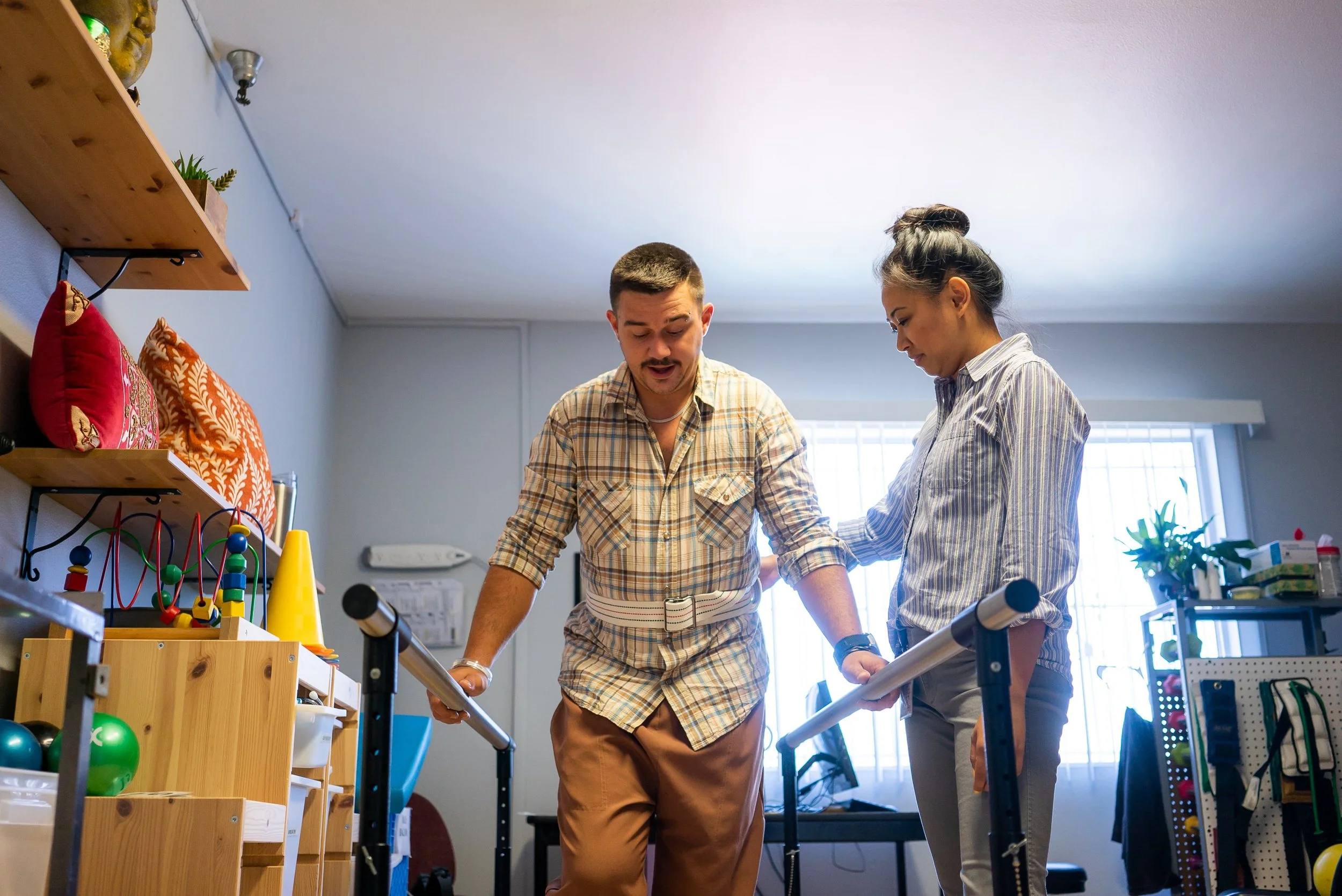


Why is Physical Therapy Important After Surgery?
if you think the recovery process is all about soup served in bed while binge-watching your favorite shows, think again. To regain strength and mobility after surgery, you will most likely need physical therapy, which involves specific exercises and specialized equipment tailored to your injury recovery and treatment goals.

Surgery is a daunting prospect regardless of the injury it aims to address, and there’s no greater relief than waking up to a successful outcome. But if you think the recovery process is all about soup served in bed while binge-watching your favorite shows, think again. To regain strength and mobility after surgery, you will most likely need physical therapy, which involves specific exercises and specialized equipment tailored to your injury recovery and treatment goals.
Unfortunately, many patients do not comply with physical therapy recommendations, sometimes because they want to avoid the hassle or pain that is assumed to accompany physical therapy, but often because they don’t fully understand why it’s so vital for recovery. If you have an upcoming surgery and your doctor has recommended physical therapy afterward, here is why you should heed her advice:
Specialized exercises help you regain mobility
Whether you’re an active athlete or you live a quiet life in a nursing facility, the ability to return to daily activities after surgery is key for maintaining your quality of life. Directly after surgery, you will likely experience swelling and limited range of motion, along with severe pain and diminished mobility. Failure to use your joints after surgery can cause them to heal improperly. Physical therapy exercises will restore movement and strengthen the part of your body that is healing. It will also decrease the likelihood of re-injury.
Guided stretching maintains flexibility
After surgery, scar tissue forms around bones and muscle while soft tissue contracts. If left untreated, this scar tissue will limit your range of motion and flexibility. Regular stretching exercises during physical therapy will ensure that scar formation doesn’t hamper your recovery. Physical therapy is also vital to regaining or maintaining your range of motion. Stiff joints and tight muscles can prevent you from performing even the simplest of tasks, such as climbing stairs or reaching overhead, which is why stretching under the guidance of a medical professional is essential to your recovery.
Regular movement promotes healing
One reason it’s important to start physical therapy as soon as your surgeon or orthopedic specialist recommends it is that it can promote healing. Improved blood circulation through movement exercises will hasten the healing process by delivering key fuels and removing fluid build-up around the injury.
Physical therapy actively engages you in your rehabilitation
Research has shown that patients who are actively engaged in their healthcare have better experiences than those who are not. Working with your physical therapist will allow you to be actively engaged in your recovery, which can reduce the stress and feelings of helplessness that often result after a surgical procedure. Physical therapy can also restore self-confidence, allowing you to accomplish goals you may not think possible otherwise.
Looking for a skilled nursing facility that offers physical therapy in San Diego?
At Bella Vista Health Center, our Physical Therapy Department offers an individual patient-centered approach that truly focuses on each person’s needs. Our evidence-based, outcome-driven services and therapy programs are designed to relieve pain, restore function, and enhance health through high-quality, skilled nursing care in an environment of healing and wellbeing.
If you or someone you know is looking for a skilled nursing facility that also offers physical therapy services, we invite you to call or visit our five-star location in Lemon Grove today.

6 Signs It’s Time for Your Senior to Start Speech Therapy
Effective communication is important at any age, but it’s especially vital for seniors. Without the ability to describe their needs, concerns, and pain from illness or injury, their physical and emotional health can be at risk.

Effective communication is important at any age, but it’s especially vital for seniors. Without the ability to describe their needs, concerns, and pain from illness or injury, their physical and emotional health can be at risk.
While speech difficulties are a common part of the natural aging process—vocal cords become less elastic and larynx muscles weaken—problems can also result from strokes, dementia, and other serious medical conditions. If you have concerns about your loved one’s ability to communicate, here are 6 signs that it’s time for your senior to start speech therapy:
1. Not responding to questions
At first, it might appear that a senior’s lack of response to questions could be the result of age-related hearing loss, but if they already have a hearing aid or the unresponsiveness seems to be intentional, they might be self-conscious about not being able to speak clearly.
2. Relying on nonverbal communication
Another way seniors often hide their diminished speech capacity is by relying on nonverbal communication such as nodding or shaking their head instead of saying “yes” or “no,” pointing at objects instead of requesting them with words, or depending on facial expressions to convey their emotions.
3. Difficulty managing financial, personal, or medical affairs
Even if a senior is not completely silent, speech difficulties can result in problems dealing with finances, medical matters, and personal concerns. Pay attention to how your senior communicates not just with you, but also with doctors, nurses, bank tellers and other professionals.
4. Difficulty eating and swallowing
Another symptom of weak larynx muscles is difficulty or inability to swallow food, or coughing when swallowing. This can have an immediate and dangerous effect on a senior’s nutritional and overall health, but speech therapy involves exercises that can help regain swallowing ability.
5. Voice hoarseness
A hoarse, gravelly, or raspy voice is another symptom of speech difficulties that at first seems like something else, such as a common cold. But the if the hoarseness persists, it could be a sign of weakness in the vocal cords or larynx. Starting speech therapy early can help strengthen them before the problem gets worse.
6. Cognitive changes
Aging muscles and vocal cords aren’t the only age-related cause of speech difficulties. Cognitive impairments from dementia can also drastically affect speech, along with symptoms related to stroke. If your loved one seems increasingly forgetful or can’t seem to find the right words, they may benefit from a neuropsychological evaluation to diagnose the problem, followed by speech therapy to support recovery from cognitive impairments.
Help your loved one reclaim their voice
Whether the issue is communicating effectively or swallowing safely, speech therapists are trained to design individualized treatment programs to help seniors regain their voice and independence. If you’re looking for speech therapy in San Diego, come see us at Bella Vista Health Care. We have skilled, compassionate professionals ready to help your loved ones with speech therapy, physical therapy, physical rehabilitation, occupational therapy, and a number of other rehabilitative services. Give us a call to schedule a tour today.

When is it Time to Seek Occupational Therapy?
Unlike physical therapy, which aims to improve mobility, occupational therapy focuses on performing daily tasks. After evaluating your situation, an occupational therapist will develop a modification plan and/or individualized recovery goals that allow you to resume or pursue your valued occupations. Here are some situations that can benefit from occupational therapy:

Although the word “occupation” typically refers to a job or career, the definition can broaden to everyday roles like cooking, cleaning, driving, and even parenting. We all have a variety of daily occupations that we don’t think much about until an injury, illness or other obstacle gets in the way of our doing them. When this happens, occupational therapy can help.
Unlike physical therapy, which aims to improve mobility, occupational therapy focuses on performing daily tasks. After evaluating your situation, an occupational therapist will develop a modification plan and/or individualized recovery goals that allow you to resume or pursue your valued occupations. Here are some situations that can benefit from occupational therapy:
1. Recovering from injury
Most daily tasks involve using our hands, which is why proper recovery from broken wrists, elbows, fingers, or repetitive motion injuries like carpal tunnel syndrome is so vital. Occupational therapy can help regain skills such as bathing, dressing, cooking, and gardening. An occupational therapist may also incorporate work adaptations and ergonomic assessments so you can perform work tasks safely as well.
2. Managing chronic medical conditions
Certain medical conditions like chronic pain and arthritis don’t necessarily have a cure, but occupational therapy can help with modifications to reduce discomfort in your joints, as well as introduce adaptive equipment to assist in daily tasks such as dressing, grooming, writing, cooking, and other hobbies.
3. Rebuilding independence after a stroke
Neurological illnesses and injuries often require extensive recovery periods in skilled nursing facilities. In many of these cases, occupational therapy is employed to improve a patient’s range of motion, strength, and use of the upper extremities in order to support the performance of daily living activities. Occupational therapy is similarly helpful for conditions including traumatic brain injury, spinal cord injury, Parkinson’s disease, and Multiple Sclerosis.
4. Ensuring independence for seniors
According to the AARP, four out of five Americans age 45 or older wish to live at home for as long as they can, and occupational therapy can help achieve this goal. Many seniors face moving to a nursing facility because their families are worried about their ability to perform day-to-day activities such as cooking and grooming. Occupational therapy can help with environmental modifications (such as grab bars in tubs and showers) that allow seniors to age in place safely.
5. Helping with memory loss
While the bulk of occupational therapy is focused on physical challenges, it can assist those with mental challenges as well. Occupational therapists can help people with memory less maintain their ability to perform basic daily tasks including shopping and using public transportation. Occupational therapists are also trained to set up home modifications to help stimulate memory and ensure the safety of the patient.
Experiencing difficulty with daily tasks? We can help.
At Bella Vista Health Center, our 5-star skilled nursing facility provides patients with high-quality care in a clean, safe, and comfortable environment. Our occupational and physical therapy programs offer evidence-based, outcome-driven services that are designed to relieve pain, restore function, and enhance health.
So if you’re looking for top-notch skilled nursing services as well as occupational or physical therapy in San Diego, contact us today for more information about our programs. We look forward to helping you with your recovery, and we’ll be here every step of the way. For more information, give us a call at (619) 644-1000.