

Bella Vista Health Center Blog


Treatment Options for Patients with a Moderate Stroke Impairment
Our San Diego stroke rehabilitation team is highly trained and qualified to assess the needs of every patient and create a therapeutic care plan aimed at accelerating recovery.
Every 40 seconds, someone in the United States has a stroke. And every four minutes, someone dies of a stroke. A stroke occurs when there’s an interruption of blood flow to part of the brain. This may be caused by a blood clot or a ruptured blood vessel. Brain cells begin to die within a few minutes, making early treatment crucial for preventing long-term damage. Not all strokes are fatal, but many do result in long-term disability. The sooner stroke rehab begins, the higher the chances of a complete recovery.
The effects of stroke vary from person to person, and the severity of the damage varies as well, depending on the affected region of the brain. Stroke impairments can include:
Paralysis on the left or right side of the body
Cognition problems
Communication problems
Problems with coordination
Loss of strength
Sensory disturbances
Behavioral and emotional problems
Pain
Depression
Trouble chewing or swallowing
Some stroke survivors only have one or two minor impairments, while others suffer significant, lifelong debilitations. In order to evaluate the severity of a stroke, medical professionals assess several aspects of brain function, including consciousness, vision, sensation, movement, speech, and language. Each aspect is given a point rating, and the points are added up to assign an overall rating of minor stroke impairment, moderate stroke impairment, moderate/severe stroke impairment, or severe stroke impairment. This scale, known as the NIHSS (or National Institute of Health Stroke Scale), helps to determine next steps in treatment and provides a baseline for monitoring progress as well.
Treatment options for moderate stroke impairment
Stroke rehabilitation is a crucial part of stroke recovery, aiding in the restoration of lost function or the adaptation of new skills. The sooner stroke rehabilitation begins, the better the chances of recovery. Because of the numerous factors involved in stroke impairment, there is no one-size-fits-all stroke rehab program. At Bella Vista Health Center and other reputable stroke rehab centers, each patient receives a customized treatment plan designed by a team of stroke rehab specialists with the aim of helping the patient regain lost abilities and skills and restore their independence as quickly as possible. Typically, a stroke rehab treatment plan will include some combination of the following therapies:
Physical therapy for stroke rehabilitation
Physical therapists specialize in the restoration of physical functioning, including strength, balance, range-of-motion, and coordination. This involves exercises geared toward restoring movement and function and preventing injury.
Occupational therapists promote patient independence by focusing on the tasks of daily living, the improvement of sensory and motor skills, and engagement in leisure activities. In some cases, occupational therapy involves new adaptive techniques or environmental modifications to help compensate for impaired functioning.
Speech-language therapy for stroke rehabilitation
Speech and language therapists specialize in improved communication functioning and the treatment of swallowing disorders associated with stroke. Similar to occupational therapy, sometimes the speech-language therapist helps the survivor relearn skills, and sometimes they teach the patient new ways of communication in order to compensate for lost functioning.
At Bella Vista Health Center, our stroke rehabilitation team is highly trained and qualified to assess the needs of every patient and create a therapeutic care plan aimed at accelerating recovery. Our comprehensive stroke rehab programs involve several hours of therapy daily, several days a week. Depending on the patient’s needs, treatment may involve additional therapeutic modalities, including nutritional therapy, recreational therapy, or vocational therapy. Our compassionate, highly qualified, and experienced providers are devoted to helping each patient achieve optimal health and wellbeing while keeping them safe and comfortable every step of the way.
Looking for a stroke rehab program in San Diego? Visit Bella Vista today!
At Bella Vista Health Center, we’re proud to offer top-notch stroke rehabilitation programs in our 5-star skilled nursing facility, where every member of the team is dedicated to whole patient health and wellness. We invite you to come take a tour of our facility to see for yourself what makes Bella vista one of San Diego’s premier skilled nursing facilities. For more information about our stroke rehab program or any of our other rehabilitation services, please give us a call at (619) 644-1000 today.

What does an LVN do?
To become an LVN (licensed vocational nurses), you must complete a year-long accredited nursing program, which is typically offered at a community college or vocational school.
The demand for nurses in the U.S. is expected to keep growing throughout the next decade and beyond, primarily due to the aging Baby Boomer generation along with overall population growth. For those interested in a career based on taking care of others, there are several types of nursing careers to choose from with a wide variety of educational requirements. One of the best-paying entry-level nursing positions is a licensed vocational nurse—here’s a brief rundown of what an LVN position involves:
How do you become a licensed vocational nurse?
Licensed vocational nurses (LVNs) provide basic nursing care, focusing on quality care and comfort while under the supervision of a registered nurse (RN). To become an LVN, you must complete a year-long accredited nursing program, which is typically offered at a community college or vocational school. Classes will include biology, pharmacology and nursing, as well as participation in supervised clinical experiences. Once you pass the National Council Licensure Examination, you’ll be able to work as an LVN in any state.
What are the job responsibilities of an LVN?
LVNs assist registered nurses and physicians with basic nursing and medical care and strive to keep patients comfortable and informed about their healthcare. Specific tasks can include:
Monitoring and recording vital signs
Inserting catheters
Changing bandages
Administering medications
Starting IV fluids
Bathing and dressing patients, and helping with meals if necessary
Maintaining records on patients and reporting to the RN or doctor
Cleaning and managing medical equipment
LVNs can also move into supervisory roles that oversee other nursing aides and assistants. Many LVNs use their experience to continue their education as an RN.
What other skills are necessary for an LVN?
Aside from vocational training and education and a passion for helping people, there are many skills that are essential to succeeding as an LVN. Being observant and detail-oriented ensures high-quality care for patients, along with empathy, flexibility and patience for stressful situations. Other desired skills include strong communication abilities, including written, verbal, and interpersonal communication.
Where do LVNs work?
LVNs are needed in virtually every medical setting, from hospitals to home aide services. Depending on your ideal workplace, preferred salary, and long-term career goals, there are several options including:
Hospitals
Urgent care clinics
Doctors’ offices
In-home healthcare firms
Skilled nursing facilities
Senior living communities
Schools and universities
Correctional facilities
One of the benefits of starting your career in healthcare as an LVN is that many employers offer flexible scheduling and even tuition reimbursement if you decide to continue your education to become an RN.
Join the LVN team at Bella Vista Health Center
Bella Vista Health Center, a 5-Star Skilled Nursing Facility in San Diego, has current openings for LVNs. Come visit Bella Vista to experience our warm and caring environment for yourself. We would love to help support your career growth and welcome you as a member of our dynamic team of dedicated professionals. For more information about LVN positions and other openings at Bella Vista Health Center, give us a call at (619) 399-7920.

What is it like to work in a skilled nursing facility?
What is it like to work in a skilled nursing facility? See the current list of openings jobs in San Diego for a skilled nursing facility.
Skilled nursing facilities serve many purposes, from long-term elderly care to transitional care for patients who have been hospitalized and need additional care before returning to independent living. Both short- and long-term residents of skilled nursing facilities benefit from the comprehensive approach to treatment and compassionate care of experienced professionals. If you are a nurse, physical or occupational therapist, or other medical professional interested in working at a skilled nursing facility, here’s a brief summary of what you can expect:
Odd but flexible hours
Skilled nursing facilities require 24-hour staffing, and while few shifts fit into a typical 9-to-5 schedule, the flexibility in choosing early-morning, late-afternoon, or overnight shifts is attractive for many workers. Some facilities even offer longer shifts at fewer days a week.
Unpredictable days
Because skilled nursing facilities serve many types of patients with various conditions, day-to-day duties can be unpredictable. Some patients struggle physically, others cognitively, and some fall into both categories. This means there’s never a dull moment on shift, and even performing the same duties on different patients can offer different experiences.
Teamwork and camaraderie
Skilled nursing facilities employ a wide range of professionals, from social workers to dietitians to registered nurses. Everyone on staff is considered a crucial member of the overall team, and having colleagues who understand the specific joys and stresses of working in a skilled nursing facility provides the kind of camaraderie that helps make stressful days more enjoyable.
Endless opportunities to learn
Due to the wide variance in medical conditions and patient profiles, skilled nursing facilities offer endless opportunities to learn new skills and techniques from colleagues. While medical professionals in other settings are only able to excel within their narrow scope of duties, skilled nursing facility employees are able to continuously broaden their knowledge of diagnoses, conditions, and treatments.
Close relationships with patients and families
Caring for the same patients every day is bound to build close relationships, especially with long term residents of skilled nursing facilities. Those relationships usually extend to patients’ families as well, who are often closely involved with their loved ones’ care and in charge of major decisions.
Improved physical shape
Working at a skilling nursing facility is somewhat physically demanding, requiring hours on your feet and the physical strength to lift and assist patients. However, this means you’ll stay in great shape, and if you have an exercise tracking device, you’ll get much more than your daily required steps completed—sometimes double the amount each day!
Join the team at our 5-Star Skilled Nursing Facility in San Diego
If you are a medical professional and you have the skills, experience, and positive attitude necessary to thrive at a skilled nursing facility, consider joining Bella Vista Health Center’s dynamic team of dedicated professionals. Our current list of openings can be found here. Check our skilled nursing facility jobs in San Diego or give us a call at (619) 399-7920.

Recovering from Pneumonia | What to Expect
Pneumonia recovery can be a difficult time, and we’re dedicated to providing high quality medical care in a supportive and healing environment so you can heal and return home in good health. learn more here about recovering from pneumonia and what to expect.
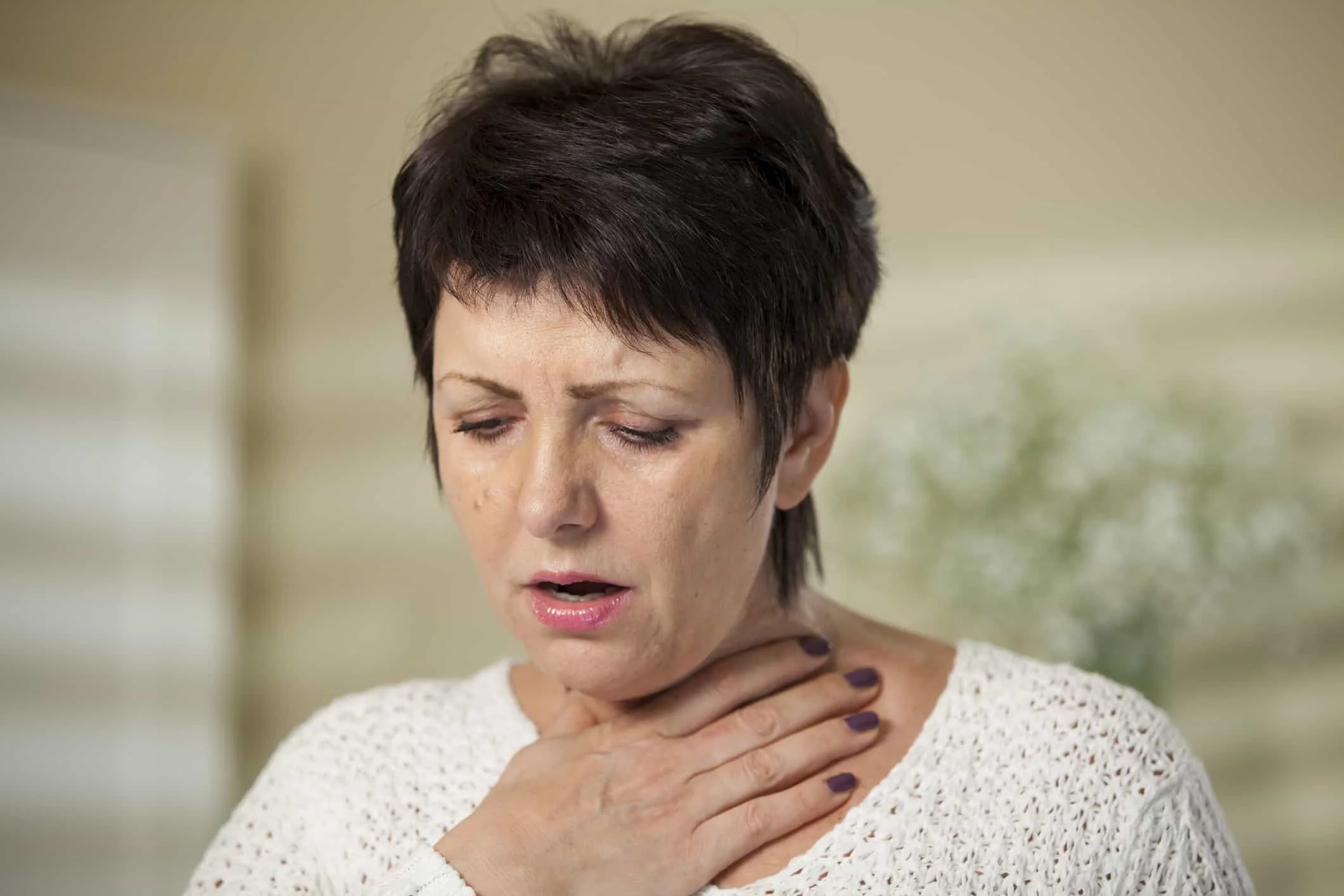
Pneumonia Occupational Therapy at Bella Vista Health Center
Many people recovering from pneumonia continue to feel exhaustion and general fatigue for weeks afterward, which affects their ability to perform simple tasks and live independently at home. Occupational therapy places a unique and immediate focus on a patient’s functional and social needs, decreasing the likelihood of hospital readmission.
As part of the overall rehabilitation process, patients recovering from pneumonia receive occupational therapy to help them perform daily tasks such as:
Bathing
Dressing
Grooming
Dental hygiene
Eating
Using the restroom
Opening medication containers
Occupational therapists are equipped to assess cognition and physical ability to determine whether sufficient progress has been made for the patient to return to full independence, or if they require additional rehabilitation or nursing care. Therapists will also consider concurrent disabilities that require assistive devices, if necessary, and incorporate the devices in therapy modules.
How long does it take for lungs to heal from pneumonia?
The severity and recovery time for pneumonia is different for everyone, but it can take anywhere from one week to six months. Pneumonia takes a toll on the immune system, and the longer it sticks around, the higher the risk of complications with pre-existing conditions—and the development of new ones. As your body’s immune system works hard to fight the infection in the lungs, it diverts energy away from other conditions, further complicating the recovery process. People in good health tend to recover from pneumonia more quickly than those with medical underlying medical conditions.
Do you ever fully recover from pneumonia?
Most people do recover fully, but even when pneumonia treatment is successful, it can result in long-term consequences. As people age, their immune systems weaken, leaving them more vulnerable to lung-related conditions that can develop into pneumonia. In older adults, long-term consequences of pneumonia may include cognitive decline, cardiovascular disease, and decreases in kidney function. Additionally, older adults are more likely to have chronic conditions that put them at risk for malnutrition, which can hinder the recovery process. Proper nutrition is an important part of recovering from any injury or illness, including pneumonia. The quality of care an individual receives while recovering from pneumonia can have a significant impact on their recovery.
How to regain strength after pneumonia
Pneumonia weakens both the immune system and the structures of the respiratory system, often making recovery a long, slow process. In most cases, with ample rest and proper nutrition, the immune system will recover in its own time, and strength will return to the body. In order to help this process along and restore strength after pneumonia, it’s important to:
Take it easy
Nap often
Drink plenty of water
Take all prescribed medications, including the full cycle of antibiotics
Avoid cough suppressants (allow yourself to cough it out)
Eat healthy, immune-boosting foods:
Citrus fruits for high doses of vitamin C
Leafy green vegetables to fight inflammation
Apples to reduce lung function decline
Beets for the nitrates that relax blood vessels and optimize oxygen intake
Green tea for antioxidant and inflammatory properties
Lean proteins to promote healthy red blood cell production
Pumpkin for the healthy levels of beta-carotene and alpha-carotene, which are associated with greater lung function
Practice breathing exercises
Pursed-lip breathing
Belly breathing
Check with your doctor before resuming an exercise routine
Participate in a pulmonary rehabilitation or respiratory therapy program if needed
Pulmonary rehabilitation and respiratory therapy are highly effective for recovering lung function after pneumonia.
Rehabilitation After Pneumonia
Doctors typically recommend that patients get plenty of rest when recovering from pneumonia, but too much rest can lead to a decline in mobility and difficulty performing daily tasks. According to studies, early rehabilitation after pneumonia is associated with improved clinical outcomes, especially for geriatric patients.
In addition to occupational therapy, pulmonary rehabilitation and respiratory therapy helps patients achieve and maintain high levels of independence and functionality. Pulmonary rehabilitation involves a range of therapies aimed at:
Building strength and endurance
Reducing shortness of breath
Learning modifications for exercise
Optimizing nutritional health
Supporting mental health
Pulmonary rehabilitation after pneumonia often includes some combination of exercise training, breathing techniques, and other therapies and strategies to help ease breathing difficulties and improve functioning.
A skilled nursing facility offers safety and comfort
If you’ve been hospitalized from pneumonia, it’s important to understand that release from the hospital only means you’re no longer in critical condition; it does not mean you have recovered. In fact, as mentioned above, it could be weeks or even months before you regain your strength and feel like yourself again. Transitioning into a skilled nursing facility between the hospital and home ensures that you get the care you need while you recover in a safe, nurturing environment.
Pneumonia recovery at Bella Vista
At Bella Vista Health Center in Lemon Grove, we know that pneumonia recovery can be a difficult time, and we’re dedicated to providing high quality medical care in a supportive and healing environment so you can heal and return home in good health.
Our respiratory therapists, physicians, nurses, and other team members will work together to create a comprehensive treatment plan designed to help you regain your strength, breathe more easily, and achieve optimal wellness. In addition to 24/7 skilled nursing care by the compassionate staff at our 5-star facility, you’ll also receive nutritional meals that support your body’s healing process.
Give us a call at (619) 644-1000, and let’s start working together to help you achieve full recovery from pneumonia today.


What Does a Speech-Language Pathologist Do?
At Bella Vista Health Center San Diego, our speech-language pathologists are highly skilled and compassionate providers who specialize in speech therapy for stroke rehabilitation, and speech therapy for dementia and Alzheimers, and speech therapy for Parkinson’s and other neurological diseases.
For most of us, speech and language come naturally and fluidly. Others are born with speech or language disorders, or acquire them through illness or injury, and have difficulty communicating effectively or easily. But many of those are able to manage, overcome, and even eliminate their communication difficulties with the help of speech-language pathologists. Whether in schools, skilled nursing facilities, or clinical settings, speech-language pathologists help restore confidence and significantly improve lives. Read on for more information about speech-language pathologists and what they do.
What is speech-language pathology?
Speech-language pathology (often shortened to “speech therapy”) is the science of speech and language, which means it’s actually the study of two separate fields. Speech and language do go hand-in-hand, but they are not the same thing. Speech is a verbal means of communication, and speech disorders involve difficulty producing sounds or speaking fluently. Language is what we speak, read, write, and understand, and it includes the structures and meanings we rely on to communicate effectively, such as the order of words in a sentence and the meanings of words. Language disorders involve difficulties with understanding others or expressing thoughts and feelings, and can be either spoken or written. In addition to these, other types of disorders that speech-language pathology encompasses include social-communication disorders, cognitive-communicative disorders, and swallowing disorders.
What do speech-language pathologists do?
Speech-language pathologists (SLPs or speech therapists) specialize in the diagnosis, treatment, and prevention of a range of speech and language disorders in both adults and children. They have a minimum of a master’s degree in their field, and their schooling involves the study of anatomy, physiology, neuroanatomy, human and language development, linguistics, psychology, and acoustics. The training speech therapists receive qualifies them to identify and treat a number of different disorders that affect the ability to communicate in children and adults. After their initial degree and certification in speech-language pathology, many speech therapists go on to achieve further certifications to specialize in one of four fields: child language disorders, fluency disorders, swallowing disorders, or audiology (the study of hearing).
Speech therapists work in a number of different settings, including:
Schools, colleges, and universities
Acute care, psychiatric, and rehabilitation hospitals
Skilled nursing and assisted living facilities
Clinics and doctor’s offices
Private practices
Corporate offices
Other settings
The particular job duties vary by setting and can be quite specific or broad in scope. But in general, speech-language pathologists can and do perform any combination of the following:
Screen for problems with communication or swallowing
Formally and informally assess communication or swallowing
Diagnose a wide range of disorders and delays, including:
Articulation disorders
Fluency disorders
Voice resonance disorders
Receptive language disorders
Expressive language disorders
Swallowing and feeding disorders
Cognitive-communicative disorders
Aphasia
Dysarthria
Identify treatment options
Create and execute customized treatment plans designed to restore function and improve communication
Provide education and counseling for individuals and their families regarding speech and language disorders
Many speech-language pathologists go on to become certified and specialize in a particular area of the field, such as neurogenic communication, bilingualism, hearing science, autism, and neonatal feeding. Their daily tasks and duties may then become more narrow in scope, depending on the setting and the population they serve. Some speech language pathologists practice in corporate and entertainment industries, working with clients to improve public speaking and reduce or eliminate unwanted accents—or even enhance them.
Speech-language pathology in a skilled nursing facility
According to the American Speech-Language-Hearing Association (ASHA), 4.1% of the speech-language pathologists employed in California work in skilled nursing facilities. While an SLP employed in a school setting will often treat students with literacy, stuttering, and articulation problems, an SLP employed in a nursing home is more likely to treat patients who are having trouble with memory and problem-solving, oral motor skills, cognition, and swallowing function. In the skilled nursing setting, patients with dementia, Alzheimer’s, stroke, and other conditions benefit from speech-language pathology services. Many of these conditions result in communication difficulties, and speech therapy can dramatically improve their quality of life by improving their ability to communicate their needs effectively and engage in relationships with others.
Speech therapy services at Bella Vista Health Center
At Bella Vista Health Center, our speech-language pathologists are highly skilled and compassionate providers who specialize in speech therapy for stroke rehabilitation, and speech therapy for dementia and Alzheimers, and speech therapy for Parkinson’s and other neurological diseases. Our speech therapy programs involve customized treatment plans designed to help each individual maximize their ability to communicate and optimize their quality of life. For more information on our speech therapy services or to schedule a tour of our 5-star skilled nursing facility in Lemon Grove, give us a call at 619-544-1000 today.

What is cardiac rehab?
Cardiac rehab at Bella Vista Health Center in San Diego. Our skilled nursing facilities are designed to provide extended care and rehabilitation programs following hospitalization. Call today for a tour.
Patients suffering from chronic or acute cardiac conditions, or recovering from cardiac surgery, are often recommended to join a cardiac rehabilitation program. Cardiac rehab programs are customized to each patient based on their condition and overall health, with the goal of improving overall quality of life and preventing further heart problems in the future. Under the supervision of a team of experts including doctors, nurses, physical therapists, counselors, and exercise and nutrition specialists, patients participate in specialized exercises to strengthen the heart while also receiving education and counseling about healthy living. Specific program activities will include low-impact exercise such as walking, cycling, rowing machine, lifting weights and other resistance training.
Cardiac rehab is proven to have significant benefits for patients, helping them to manage or reduce cardiac symptoms, decreasing the chance of future hospitalizations, and ultimately maximizing their quality of life.
Why is cardiac rehabilitation important?
Cardiac rehabilitation provides several short-term and long-term benefits, most importantly strengthening the heart and body to aid in recovery from a cardiac event. Rehabilitation can also relieve cardiac symptoms, including chest pain, and help reduce stress. Cardiac rehab is important for a number of other reasons as well:
Cardiac rehab increases energy and strength to make daily activities easier
Cardiac rehab improves overall cardiovascular health and circulation
Cardiac rehab helps patients develop healthier habits, including diet, exercise, quitting smoking, and taking prescribed medications
Cardiac rehab can lead to improved moods and higher quality of life
Cardiac rehab reduces the chance of future heart problems, and lowers the risk of death within five years after a cardiac event
Cardiac rehab can lead to greater outcomes for a range of different heart problems, including heart attack, congestive heart failure, heart transplant, and coronary artery bypass among other conditions. It is especially important for women and older adults, who studies show are less likely to join a cardiac rehab program.
When to start cardiac rehab
Patients recovering from a heart attack or heart surgery might be referred to a cardiac rehab team while still in the hospital. The first phase of rehab is a comprehensive assessment that includes an exam and evaluation of medical history, including any possible comorbidities that could complicate recovery. The actual rehab program begins after the patient is discharged from the hospital, and can take place in a skilled nursing facility or other therapeutic environment. The exercises involved in the program gradually intensify as the patient heals and regains strength. Typically, patients attend rehab a few times a week for an hour at a time. While most programs last between 6 and 12 weeks, the duration varies depending on the severity of the patient’s condition and how well they progress with the program.
Cardiac rehab at Bella Vista Health Center
Skilled nursing facilities like Bella Vista Health Center are designed to provide extended care and rehabilitation programs following hospitalization. At Bella Vista, our cardiac rehab programs are focused on recovery and education so patients can live longer, healthier lives after a major cardiac event. Our 5-Star Skilled Nursing Facility also provides a wide range of amenities for short and long-term residents, including social activities and concierge services, all aimed at helping patients recover in comfort and get back to living their best lives. For more information or to schedule a tour of our facilities, give us a call at (619) 644-1000.

What is Post-Acute Care After a Hospital Stay?
While post-acute care recovery plans are individualized for each patient at Bella Vista Health Center, the
goal remains the same: helping patients recover quickly and live as independently as possible. We’re
Years ago, patients requiring hospitalization for sudden illnesses, injuries or other medical events were able to stay in the hospital until they were healed enough to go home. Changes in hospital policies now limit the amount of time patients can stay to recover, and many patients are discharged before they’re quite ready to return to living independently at home. Post-acute care at a skilled nursing facility offers these patients additional care and services, providing a smooth and healthy transition from hospital to home.
What can you expect from post-acute care?
Post-acute in a skilled nursing facility involves two main objectives: continued care and recovery. A discharge goal is established on the day of admission, with the length of stay dependent on the patient’s condition and overall health. Patients receive a customized recovery plan created by a team of physicians, nurses, and therapists. Nursing staff provides comprehensive medical services, such as:
Wound care
Respiratory services
Tube feeding
Intravenous therapy
Tracheostomy care and weaning
Pain and medication management
Dietary management
In-house therapists provide intensive rehabilitation including physical and occupational therapy (and speech therapy if needed), with a focus on maximizing each patient’s functional abilities so they can return to independent living as soon as possible. Therapists can also help with lifestyle or home changes and use of assistive devices.
What are the benefits of post-acute care?
Patients who receive post-acute care after a hospitalization are much less likely to be readmitted to the hospital because they are closely monitored for complications or changes in their condition. Post-acute care also ensures that patients are getting the best care possible, with experienced professionals available to answer questions and assist with challenging tasks. Studies have shown that post-acute care leads to better recovery outcomes, and because skilled nursing facilities offer more activities and social services than hospitals, patients receiving post-acute care benefit from better mental health outcomes during the recovery process as well.
Who can benefit from post-acute care?
Post-acute care is beneficial to anyone who has been hospitalized but needs transitional care and rehabilitation before going home. Medical conditions that might require post-acute care include:
Major injury or trauma
Brain injury
Spinal cord injury
Hip fractures
Burns
Amputations
Stroke
Cerebrovascular accident
Neurological disorders such as multiple sclerosis and Parkinson’s disease
Orthopedic conditions
Conditions made worse by illness such as COPD and heart disease
Rehabilitation at a post-acute care facility helps patients increase strength and mobility, improve cognitive limitation, and recover the ability to perform daily routines such as eating, dressing and personal hygiene.
Post-acute care at Bella Vista Health center
While post-acute care recovery plans are individualized for each patient at Bella Vista Health Center, the goal remains the same: helping patients recover quickly and live as independently as possible. We’re committed to providing high quality patient care in a therapeutic and nurturing environment and to keeping patients safe and comfortable every step of the way. For more information about our post-acute care services or to schedule a tour of our 5-Star Skilled Nursing Facility, fill out our contact form or give us a call at (619) 644-1000
.

How Occupational Therapy Helps with Memory Loss
Once older adults hit retirement, they have plenty of time for reading books, making crafts, completing crossword puzzles, and other enjoyable and relaxing activities. But sensory-stimulating hobbies such as these do more than fill up the hours of the day—they’re vital cognitive exercises that boost brain health. Take a look below at how occupational therapy can help with memory loss.

Occupational therapy can help people at all stages of life develop, maintain, or recover the skills they need to perform daily activities, especially following an injury or illness. For patients suffering from memory loss due to age, stroke, or early stages of dementia, occupational therapy provides significant mental benefits as well, helping patients continue to live independent and productive lives.
What is occupational therapy?
Illness, injury, or memory loss can interfere with a patient’s ability to care for themselves at home, complete household chores, and participate in regular daily activities. Occupational therapy teaches patients how to adapt by altering movements or incorporating assistive devices. While physical therapy focuses on improving general mobility and function, occupational therapy focuses on helping patients perform daily tasks more easily, including:
Bathing
Toileting
Dressing
Eating
Personal hygiene
Basic meal preparation
Home management
Social participation
Hobbies
Occupational therapy for adultsMost adults suffer from some degree of memory loss as they age, which can be accelerated if diagnosed with Alzheimer’s disease or another type of dementia. Occupational therapists evaluate patients to determine their strengths and impairments, and identify any performance areas needing intervention. While full recovery of cognitive abilities is unlikely, occupational therapists work with patients to develop routines that minimize the impact of memory loss or confusion, and create compensating strategies that allow patients to participate in many daily activities.
Occupational therapy for stroke patients
Memory loss is a common symptom of stroke, but just like exercising muscles can help improve mobility after a stroke, exercising the mind through occupational therapy is a significant part of the recovery process. Occupational therapists also help patients learn coping strategies with the use of visual aids or mnemonic devices, which are creative mental techniques to help remember things. Other strategies include breaking activities into small steps to make them more manageable and developing compensation strategies to participate in activities as fully as possible.
Examples of occupational interventions for memory loss
After conducting a full evaluation to determine a patient’s strengths and impairments, occupational therapists will create a customized program of interventions that often include some combination of the following:
Health promotion: with a focus on maintaining strengths and promoting wellness
Remediation: incorporating routine exercises to improve performance and mobility in daily activities
Maintenance: providing support for habits and routines that are working well and can be maintained to prolong independence
Modification: ensuring safe and supportive environments through adaptation and compensation
Benefits of occupational therapy for memory loss
With a comprehensive approach to treatment that goes beyond memory-specific challenges, occupational therapy for patients with memory loss provides several benefits. Occupational therapists can help patients manage their home life and participate in social activities. If home modifications are needed, therapists can also determine which modifications are best to ensure safety and optimum participation in daily life. Occupational therapy helps restore physical skills that aid memory recovery and adaptation. Studies have shown that these therapeutic interventions can have a significant impact on mental health and overall wellness.
Occupational therapy for memory loss in San Diego
At Bella Vista Health Center, our occupational therapists and support staff are dedicated to improving the functional ability and quality of life for our patients in the relaxing, compassionate environment of our 5-Star Skilled Nursing Facility. If you or a loved one is in need of occupational therapy for memory loss following a stroke or due to the onset of dementia, Bella Vista can help. For more information or to schedule a tour of our facility, call us at (619) 399-7920.

When Should You Get a Knee Replacement?
The decision to have knee replacement surgery is not one to be taken lightly. Knee replacement is a major surgical procedure that can take six months to a year to achieve a full recovery. While it is an effective treatment for permanent pain relief, most doctors consider knee replacement a last resort and recommend a number of minimally invasive treatments to try first. If you’ve suffered from knee pain for any significant amount of time, chances are you relish the idea of eliminating your pain for good. But how do you know if knee replacement surgery is the best option? Take a look below at the following four signs that you may need a knee replacement.
You have chronic pain
Unless you’ve sustained an injury, knee pain doesn’t usually show up overnight. More often, you’ll notice it while walking, running, or during some other form of exercise. In the beginning, the pain may subside with rest and over-the-counter pain medication, but over time, you may find yourself in pain more often, during everyday activities, or even during resting periods. If pain is frequent and long-lasting, it may be a sign that it’s time to consider knee replacement surgery.
Nothing seems to help
Knee replacement surgery should never be the first line of defense. Before you commit to surgery, your doctor will likely recommend a number of conservative treatments to address your pain and functioning. These may include over-the-counter pain medications, weight loss and exercise, physical therapy, cortisone injections, or hyaluronic acid injections. If, however, these methods fail to eliminate your pain or restore your functioning, your doctor may recommend a knee replacement.
Severe arthritis has damaged your tissue
Severe arthritis can cause significant damage to your joints and tissues. It may result in the development of bone spurs, bone on bone contact, and other conditions that cause swelling, inflammation, stiffness, and debilitating pain. If X-rays reveal significant enough damage, a total knee replacement may be recommended.
Your quality of life has decreased
Living with severe joint pain limits a person’s ability to perform basic tasks and participate in an active lifestyle. Exercise and independent living are two vital aspects of maintaining optimal physical and mental health, and without them, the quality of life can decrease significantly. If your joint pain is keeping you from participating in the activities that you enjoy, it may be time to talk to your doctor about knee replacement surgery.
Orthopedic Rehabilitation in San Diego
If you do decide to undergo knee replacement surgery, you’ll want a strong orthopedic rehabilitation program to help get you through the recovery process and back to your best life as quickly as possible. At Bella Vista Health Center, our team of medical professionals and highly skilled specialists will customize a treatment plan designed to help you build strength and endurance, improve your balance and coordination, optimize your range of motion, and restore your ability to perform daily tasks and participate in your favorite activities.
Depending on your particular needs, your treatment plan may involve some combination of physical therapy, occupational therapy, orthotics, and nutritional counseling. We also offer a range of amenities and services designed to help keep you comfortable and engaged during your stay at our 5-Star skilled nursing facility. For more information on our orthopedic rehab programs, please give us a call or visit us in Lemon Grove today.

4 Things to Look For in a Stroke Rehabilitation Program
At Bella Vista Health Center in Lemon Grove, we take a patient-centered approach to everything we do. Residents in our stroke rehabilitation program receive a minimum of an hour and a half to two hours of therapy per day, five to six days a week.
A strong rehabilitation program is vital to a successful stroke recovery, and the sooner rehab begins, the better. But not all stroke rehabilitation programs are the same. One of the most important factors to consider is the facility’s expertise in stroke recovery. What happens in the days, weeks, and months following a stroke will have a significant impact on the patient’s quality of life for years to come, so it’s crucial to choose a facility that specializes in stroke rehabilitation.
Once you’ve determined that the facility has the experience and expertise, as well as a proven track record of positive health outcomes and recovery for stroke survivors, there are a few other main factors to consider. We like to think of them as the four C’s.
Choosing a Stroke Rehab Program: The Four C’s
Every patient’s stroke recovery is different, but if you’re looking for the best care possible for a loved one, be sure to consider the Four Cs for any stroke rehab facility on your list.
Certification rating
The Center for Medicare and Medicaid Services (CMS) created a Five Star Quality Rating System for skilled nursing facilities and stroke rehabilitation centers. If you’re looking for a facility that offers the best care and highest quality services, start by looking at the rating. A five-star rating means the facility consistently exceeds quality requirements as determined by health inspections, maintains proper staffing levels according to the needs of patients, and meets patients’ physical and clinical needs. When researching stroke rehab facilities, check their CMS ratings; a five-star nursing facility is considered to be extremely high quality.
Customization
Stroke can affect a range of different functions, depending on the individual and the part of the body affected by the stroke. Stroke recovery treatment plans must be customized, and the wider the array of therapeutic services the rehab facility offers, the more individualized treatment plans can be. With the right combination of physical therapy, occupational therapy, speech-language therapy, recreational therapy, nutritional care, and other services, stroke rehabilitation patients can optimize their health and maximize their independence.
Coordinated care
The needs of stroke survivors are often complex and challenging. A customized treatment plan has a much greater impact on patient recovery when the various service providers work together to coordinate care. Post-stroke rehabilitation specialists may include physicians, physical therapists, occupational therapists, speech language pathologists, psychologists, social workers, nutritional therapists, recreational therapists, and rehab nurses. When looking for a stroke rehabilitation program, it’s important to choose one that emphasizes a team approach to patient care.
Comfort
Whether your loved one experiences a quick stroke recovery or a lengthier one, their comfort should be among the most important factors when choosing a stroke rehab facility. Stroke rehabilitation requires active patient participation, and when patients feel cared for, their motivation is higher for doing the sometimes strenuous work involved in the rehab process. A top-notch rehabilitation facility will be patient-centered and provide a range of amenities, services, activities, and safety measures that help patients feel supported and nurtured in their recovery.
Visit Bella Vista Health Center’s 5-Star Skilled Nursing Facility
At Bella Vista Health Center in Lemon Grove, we take a patient-centered approach to everything we do. Residents in our stroke rehabilitation program receive a minimum of an hour and a half to two hours of therapy per day, five to six days a week. Our team works together to develop a specialized rehabilitation program focused on the particular areas of need for each individual, helping them to restore as much functioning as possible, regain their independence, and optimize their quality of life. For more information on our stroke rehabilitation programs, please call or visit us in Lemon Grove, San Diego today.