

Bella Vista Health Center Blog


How Orthopedic Rehab Can Help with Fracture Recovery
Early, effective rehabilitation programs in San Diego provide better outcomes for fracture recovery by restoring function, decreasing the risk of disability, and encouraging independence.
Recovering from a fracture requires time, rest and plenty of healing, whether the injury was severe enough for surgery or not. But too much rest could actually hinder the recovery process, as immobilization of the affected area can result in long-term mobility problems. Fortunately, orthopedic rehabilitation can help your injury heal effectively, allowing you to regain your independence and optimize your quality of life.
What is orthopedic rehab?
The goal of orthopedic rehab after a fracture is to help you heal faster and regain the function, mobility, and strength lost due to the injury, while restoring the ability to perform daily tasks, work tasks and leisure activities. Although individual treatment plans are customized to each patient, most orthopedic rehab programs involve physical therapy and occupational therapy, often supplemented by medication, transitional care, diet and nutritional support, and behavioral therapy.
How orthopedic rehab helps your fracture heal faster
Restricting movement immediately following a fracture will ensure the injury isn’t exacerbated, but you shouldn’t keep the area immobile for the duration of the healing period. Regulated movement is better for the healing process because it increases blood flow to the injury site, delivering oxygen and nutrients necessary for repairing the injury. The movement also reduces the likelihood of forming blood clots, which can cause serious complications. Additionally, many orthopedic rehab programs include electrical, laser, and ultrasound therapies that help stimulate the rebuilding of bones.
How orthopedic rehab reduces pain and inflammation
Specialized exercises in an orthopedic rehab program will not only help your injury heal faster, but they can also help reduce pain and inflammation by strengthening the muscles around the injury, reducing built-up tension and stiffness, and releasing scar tissue that keeps muscles tight. Along with targeted movement, orthopedic rehab can include ultrasound, electrical stimulation, medication, and assistive devices that aid in the reduction of pain and inflammation over time.
How orthopedic rehab prevents weakness
Immobility is not only harmful to the healing process, but it can also lead to weakened muscles and tissue breakdown around the injury site. Plus, many people with injuries tend to “favor” the opposite side of their injury—such as putting all their weight on the strong leg instead of the injured one—which creates a problematic strength imbalance that’s hard to reverse. Orthopedic rehab provides modifications and targeted exercises that can help maintain your body’s strength balance even if you’re unable to put weight on the injury site for a few weeks.
How orthopedic rehab can help you avoid surgery
Most fractures heal without the need for surgery, but for fractures that severely affect mobility—such as legs or hips—there is a risk of falling and worsening the injury, which could result in the need for surgery. Orthopedic rehab helps improve your strength, balance, and coordination, lowering the risk of re-injury and surgery.
How orthopedic rehab benefits mental health
Fractures can cause emotional and psychological distress, especially if the injury is severe. Studies also show that older patients are more susceptible to depression following a fracture, which can lead to poorer recovery outcomes. Fortunately, comprehensive orthopedic rehab programs often include regular counseling appointments that help patients develop coping and emotional regulation skills for the most effective recovery possible.
Better fracture recovery outcomes at Bella Vista Health Center
Early, effective rehabilitation programs provide better outcomes for fracture recovery by restoring function, decreasing the risk of disability, and encouraging independence. At Bella Vista Health Center, we offer customized therapy plans designed and facilitated by a team of compassionate medical experts who prioritize patient wellbeing. For more information about our orthopedic rehab programs or to schedule a tour of our 5-Star Skilled Nursing Facility, give us a call at (619) 399-7920 today.

How to prepare for going home after short term rehab
Short term rehabilitation helps people who are recovering from surgery, illness, or injury continue the healing process so they can resume independent living as quickly as possible.
Short term rehabilitation helps people who are recovering from surgery, illness, or injury continue the healing process so they can resume independent living as quickly as possible. It’s important that the transition back into the home environment is well-planned and customized to each patient to ensure maximum success. If you or a loved one will be going home after short term rehab soon, here are some tips to increase the chances of a smooth transition.
1. Arrange a care conference
A care conference is a meeting between the patient and the short term rehab medical director, along with family members and additional staff as needed, to outline the discharge goals. Many patients need extended home care services once they leave the program, and most facilities have recommendations for reputable home health care agencies. Representatives from home health providers can attend the care conference as well and take an active role in planning the patient’s discharge. Ideally, care conferences are scheduled soon after admission to the rehab facility.
2. Schedule a discharge plan conference
A discharge plan conference should be scheduled to take place approximately three days before discharge, and doctors, nurses, therapists, and family members should be invited to participate. This conference will detail the health and mobility goals that have been met during rehab and which goals the patient is still working to reach. The meeting will also discuss home health care plans in place if applicable, and confirm that home medical equipment is ready to go.
3. Request a home evaluation
About one week prior to discharge, patients should ask the short term rehab facility to perform a home evaluation to catalogue potential safety issues and determine whether they will need any durable medical equipment or other assistive devices. If the patient cannot attend the evaluation, a friend, family member, or neighbor can attend in their place.
4. Plan a follow-up doctor appointment
After the short term rehab program is complete, it’s important for patients to schedule a follow-up appointment with their primary care physician to ensure their ongoing recovery is successful. The appointment should ideally happen around a week after discharge. The rehab facility can forward records and rehabilitation reports to doctors directly.
5. Inquire about medications
Most short term rehab facilities can provide up to two weeks of medication supplies to last after discharge, but patients will be responsible for refilling prescriptions afterward. That’s why it’s important to obtain a full list of medications before discharge, which patients should also share with their primary care physician at the follow-up appointment.
Short term rehab at Bella Vista Health Center
If you or a loved one needs continuous care and extended recovery time after an illness, injury or surgery, Bella Vista Health Center provides a nurturing, safe environment to transition from hospital to home. Our short term rehab programs are customized to each patient and designed to help patients achieve optimal physical, cognitive, and emotional health. For more information about short term rehab or to schedule a tour of our 5-Star Skilled Nursing Facility, call us at (619) 399-7920 today.

10 questions to ask when selecting a short term rehab facility
Whether you schedule rehab in advance of an elective surgery or need to find a facility following an unexpected medical event, here are 10 questions you should ask to help determine if it’s the right fit for you
Short term rehabilitation can make an enormous difference in your recovery from a surgery, injury, or illness requiring hospitalization. Whether you schedule rehab in advance of an elective surgery or need to find a facility following an unexpected medical event, there are many factors to take into consideration before selecting a short term rehab facility. When you call for information or take a tour of facilities, here are 10 questions you should ask to help determine if it’s the right fit for you:
1. Is the facility accepting new patients?
Before heavily researching a short term rehab facility, it’s important to find out if they are accepting new patients, and if not, when they expect to have availability.
2. Does the facility accept your insurance?
Another question to ask before taking the time to tour a facility is whether they accept your insurance. You should also ask the total cost of rehabilitation, and what is included in that cost.
3. Does the facility offer programs that address your specific needs?
Rehabilitation programs after a stroke, heart attack, or orthopedic surgery are vastly different and require different schedules, techniques, and therapeutic approaches. It’s important to know if the facility is staffed and equipped to address your specific medical needs.
4. How does the short-term rehab facility develop treatment plans?
Rehabilitation programs are typically a team effort, with physicians and nurses coordinating with therapists (physical, occupational, and speech), psychologists, and social workers to develop a customized treatment plan. Ask about the staff involved in your care and how they develop rehab programs tailored to each patient.
5. What is the staff-to-patient ratio?
A good way to assess the quality of care you can expect from a short term rehab facility is the staff-to-patient ratio, which impacts how much time staff members can spend with each person in their charge. In general, more staff per patient means higher quality and more personalized care.
6. How often is therapy provided?
The frequency and duration of your rehab program will depend on your medical needs and individualized treatment plan, but rehab facilities should be able to give you an average number of sessions for patients with similar conditions.
7. Does the facility assist with the hospital-to-rehab transition?
The transition from a hospital setting to a rehab facility can be stressful, so it’s important to know you’ll be taken care of along the way. Be sure to ask when your initial assessment will take place, and what will be expected of you on your first day at the facility.
8. What supplemental services or amenities are offered?
Many facilities offer additional services, recreational activities, and opportunities for socialization to help boost morale during the rehabilitation process and ensure each patient’s non-medical needs are taken care of. Some also offer support groups and family educational opportunities to smooth the transition from rehab to home. If these services are important to you, you’ll want to know ahead of time if they’re offered at the facility you’re considering.
9. What is the role of the patient’s family during the rehab process?
Coordination between the patient, medical providers, and family members is essential to maximizing the recovery process, so ask how your family members will participate in planning sessions, key meetings, and therapy observation, if necessary.
10. Are outpatient therapy services offered?
Some patients will require further therapy or care after completing the short term rehab program. Ask if the facility offers outpatient therapy or home care services to ensure your progress continues at home. It’s also a good idea to ask who will facilitate discharge planning before you return home.
Short term rehab in San Diego
If you or a loved one is in need of short term rehabilitation in San Diego, Bella Vista Health Center can help. We offer a wide range of expert services at our 5-Star Skilled Nursing Facility, including all the amenities you would expect from a temporary home away from home. For more information or to schedule a tour, give us a call at (619) 399-7920.

Hip replacement recovery tips
Bella Vista Health Center offers post acute rehabilitation services for patients recovering from hip replacement surgery or other medical conditions. Our post acute team includes physical therapists, physicians, nurses, and other caregivers who will help restore your independence
Hip replacements have become a common surgery in the U.S., and the procedure’s safety has increased dramatically in the last few decades. However, the ultimate success of the surgery is determined as much by the recovery process as by the surgery itself.
Recovery starts with basic movements in the hospital immediately following surgery, and continues either at home or at a rehab facility. Regardless of where your hip replacement recovery takes place, here are some tips to help you get back to your normal activities as soon as possible:
Get plenty of mild exercise
Movement is essential to a healthy recovery from hip replacement surgery, as regular movement and exercise builds up strength in the muscles around the new joint. Many patients are able to walk the same day as their surgery, and most can resume their normal routine within 3-6 weeks. It’s important to start with slow, short walks, and practicing basic activities like sitting, standing, and climbing stairs.
Closely monitor your diet and weight
Excess weight can put stress on your new hip prosthesis, which can accelerate its wear and tear and increase the risk of complications. Because you shouldn’t exercise vigorously during the recovery process, you’ll have to focus on maintaining a healthy diet to avoid gaining weight.
Encourage healthy circulation
Mild exercise will help maintain a healthy blood flow and prevent blood clots from forming, but you can also perform targeted stretches or massages such as:
Regularly squeeze your thighs and calves
Point and flex your ankles while sitting
Move your legs while utilizing a full range of motion
Walk across the room every 1-2 hours
If you notice increased swelling that doesn’t resolve with elevation, or pain when you touch your calf that doesn’t subside with an ice pack, elevation, or pain medication, check in with your doctor right away to address any potential clotting issues.
Schedule physical therapy sessions
Whether or not you’ll need physical therapy after hip replacement surgery depends on your age, overall health, and other factors determined by your doctor, but there are several benefits of participating in even a few sessions:
Physical therapy helps with balance issues, along with range of motion
Physical therapy teaches you how to move your body in a way that doesn’t cause further problems
Physical therapy builds morale and offers socialization opportunities for patients recovering at home
The most important thing to remember during physical therapy is to follow the therapist’s instructions to the letter—it’s easy to get discouraged in the beginning, but with time and patience you’ll be back to your favorite activities in no time.
Physical therapy and post acute rehabilitation at Bella Vista Health Center
Bella Vista Health Center offers post acute rehabilitation services for patients recovering from hip replacement surgery or other medical conditions. Our post acute team includes physical therapists, physicians, nurses, and other caregivers who will help restore your independence as soon as possible, using a range of customized rehab programs that incorporate exercise, strength training, pain management, adaptive equipment and more. Schedule a tour and see our hip replacement rehab facility, give us a call at (619) 644-1000.

Everything Nurses and CNAs Need to Know About Working in a Skilled Nursing Facility
If you enjoy working with older adults and developing close relationships with patients, a nursing or CNA career at a skilled nursing facility might be right for you. At Bella Vista Health Center, our facility is powered by a team of medical professionals who are devoted to helping each patient achieve optimal health and functional independence.
As a significant portion of our population ages—the number of Americans over age 65 is set to double by 2050, according to the US Census Bureau—the demand for skilled nursing facilities will also rise. If you’re a registered nurse (RN), licensed vocational nurse (LVN), or certified nursing assistant (CNA), there are many benefits to working in a skilled nursing facility San Diego, and like most workplaces, some drawbacks as well. To help you make the best decision based on your skills and goals, here’s everything you need to know about working in a skilled nursing facility.
Higher nurse-to-patient ratios
Compared to a hospital setting, the nurse-to-patient ratio at skilled nursing facilities is much higher. California law states that for intensive or critical care, the ratio should be 1:1, while for less intensive care, ratios can range from 1:2 to 1:8. At skilled nursing facilities, the ratio is closer to 1:15, but that’s primarily because patients are more medically stable, allowing nurses and CNAs to take on a larger caseload. Still, succeeding in a facility with higher nurse-to-patient ratios requires excellent time management skills and the ability to work efficiently.
Low turnover rates
While some patients stay at skilled nursing facilities for specific short-term care, a substantial portion of patients are there long-term, which means a much lower turnover rate compared to hospitals. There are benefits and drawbacks to low turnover rates. If you enjoy developing a friendly rapport with your patients, you will likely appreciate the chance to bond over a long period of time. You’ll also be able to understand their medical issues on a much deeper level, eventually intuiting their needs and delivering an exceptional standard of care. However, close bonds can lead to emotional distress if the patient’s medical situation takes a turn, and you will have to learn to deal with the grief of losing long-term patients.
Another benefit of low turnover rates is the chance to improve your pharmacology knowledge and skills by handling medication on a long-term basis. Knowing your patient well means being able to spot troublesome side effects or other complications that develop over time.
Working as a team
Skilled nursing facilities serve a wide variety of patients, from long-term residents to short-term rehabilitation patients. As such, patients are under the care of a team that includes nurses, CNAs, doctors, nutritionists, therapists, social workers, and more. Camaraderie among the care team can make stressful days more enjoyable, and the “team effort” atmosphere can help relieve the burden of feeling you’re solely responsible for a patient’s wellbeing.
Daily variety
As a generalized internal medicine unit, skilled nursing facilities offer a wide variety of diagnoses to treat, and nurses and CNAs are accustomed to seeing something new almost every day. However, the environment in a skilled nursing facility is generally low-intensity, and the skills required are more concentrated, so you might not have the opportunity to frequently practice EKGs, responding to medical codes, or other acute skills.
CNA duties at skilled nursing facilities
Certified nursing assistants spend the most time with patients at skilled nursing facilities, providing basic care and assisting with daily activities, such as bathing, dressing, and eating in some cases. For rehabilitation patients, CNAs will assist with transfers, walking, and therapy activities. Because the care provided is so personal, CNAs must have compassion, excellent people skills, and a sincere desire to help others.
CNAs will also be required to work with medical technology including software for billing, medical records, and health information. As with hospital settings, CNAs report to an RN or LVN, and since they might be the first to notice a patient concern or issue, it’s imperative that CNAs have outstanding communication skills to ensure the care team is aware of any problem that might arise.
RN and LVN duties at skilled nursing facilities
Registered nurses are responsible for more complex care and treatment at skilled nursing facilities, such as taking blood samples, inserting IV lines, administering medications and injections, evaluating vital signs, and monitoring each patient’s health and mental well-being. RNs are also responsible for determining treatment plans for aging residents with long-term medical conditions, and ensuring the care strategy addresses their needs.
Registered nurses also have important management roles at skilled nursing facilities. LVNs and CNAs report to them, and they are in charge of delegating and directing support staff while monitoring the overall quality of care. In addition to direct care and management, RNs act as educators and patient advocates, explaining treatment plans and care options to patients and their families. RNs will also be the ones to inform family members of any changes in the patient’s condition or if they need further treatment.
Duties for licensed vocational nurses are similar to RN duties, including basic nursing and medical care such as checking blood pressure, changing bandages, and inserting catheters. LVNs report directly to RNs and are responsible for communicating patient status updates. They also often supervise both CNAs and fellow LVNs.
Sample daily routine at skilled nursing facilities
Like hospitals, skilled nursing facilities offer round-the-clock care, so shifts are available during the day, mid-day, or overnight. Here’s an example of what the shifts might include:
Morning:
Older residents at skilled nursing facilities tend to wake up early, so the day will begin with CNAs helping patients shower, dress, and eat breakfast. Nurses coming in for the morning shift will also complete a hand-off of information from the overnight nurses, including specific patient or facility issues, and check supplies and inventory. After breakfast, nurses will do their rounds and check on patients, and afterward patients might have physical or occupational therapy to attend, sometimes requiring CNA assistance.
Afternoon:
After lunch, patients might resume therapy sessions, and nurses will make another round of patient check-ins to ensure there are no new issues to address. Most social activities at skilled nursing facilities take place during the afternoon, as well as visits from family and friends. CNAs are usually on hand to help with activities, and nurses might spend the afternoon or evening reviewing charts, updating data, and reviewing the schedule for the next day.
Evening/overnight:
The evening and overnight shifts at skilled nursing facilities are typically the quietest, but there is always the possibility of a sudden medical issue or emergency so CNAs, LVNs, and RNs will still have to be on alert at all times.
Working at a 5-Star Skilled Nursing Facility
If you enjoy working with older adults and developing close relationships with patients, a nursing or CNA career at a skilled nursing facility might be right for you. At Bella Vista Health Center, our facility is powered by a team of medical professionals who are devoted to helping each patient achieve optimal health and functional independence. For more information about joining the Bella Vista team, check out our career page or give us a call at (619) 399-7920.
How can physical therapy help?
When you stay at our 5-star skilled nursing facility for long or short term physical therapy, you can focus on healing and regaining your independence—we’ll take care of the rest. To schedule a tour of our facility, call us at (619) 399-7920.
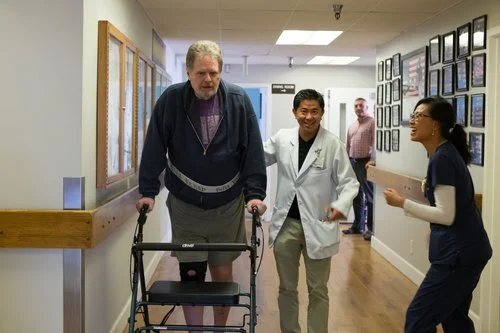
Physical therapy is an important part of the healing process for patients with limitations in functional mobility. Those limitations can be caused by injury, illness, surgery, or chronic medical conditions. Physical therapists are recovery experts, trained to assess each individual condition and create treatment plans designed to help the patient regain maximum functional mobility and independence.. A variety of treatment modalities and techniques are used to help patients move better and feel better. Here’s how this highly personalized healthcare specialty can help:
Physical therapy can help rehabilitate after a stroke
Patients recovering from a stroke must relearn basic functions and skills. Daily, individualized physical therapy sessions can help with mobility training, range-of-motion therapy, and motor skills. Stroke rehabilitation can help patients become as independent as possible by regaining balance and coordination, and strengthening muscles to facilitate mobility. Stroke rehabilitation is usually a comprehensive program that includes not only physical therapy, but occupational and speech therapy as well.
Physical therapy can help after a spinal cord injury
After a spinal cord injury, it’s important for patients to resume physical activity in order to strengthen the muscles around the spine. Physical therapy following a spinal cord injury can help by maximizing the patient’s sensory and motor function recovery, while preventing secondary complications and health issues. Individualized treatment plans will also help increase strength and range of motion, and aid in pain management.
Physical therapy can facilitate healing from joint replacement surgery
Physical therapy plays a key role in the rehabilitation of patients recovering from joint replacement surgery, including total joint replacement of the knee, hip, or shoulder. Treatment will help restore range of motion, strength, mobility, flexibility, and endurance, with the goal of helping the patient return to their everyday activities and hobbies. Assistive devices are common with joint replacement surgery, and the physical therapist can help identify the correct device for each patient’s specific needs.
Physical therapy can help recovery after sports injuries
Sports injuries include fractures and soft tissue damage, as well as injuries from fatigue and overuse. Recovering from a sports injury often requires physical therapy, which helps patients rebuild strength and movement in the affected area while managing pain and preventing permanent damage and reinjury. Physical therapy can also be used to prevent sports injuries with an approach called proactive physical therapy, in which the therapist will identify and address weaknesses and imbalances in one part of the body that might be impacting other areas.
Physical therapy can help with pulmonary conditions
Pulmonary conditions including chronic obstructive pulmonary disease (COPD), asthma attacks, bronchitis and pneumonia can make it difficult for people to carry out everyday tasks like walking short distances and climbing stairs. Physical therapy for pulmonary conditions includes building endurance through rehabilitation exercises and using breathing strategies to reduce shortness of breath. Pulmonary rehabilitation is also an option for patients preparing for or recovering from lung surgery.
Physical therapy can help during post acute rehabilitation
For patients who no longer need hospital care following an injury, illness, or surgery but would benefit from additional therapy and care before returning home, post acute rehabilitation is available. Physical therapy during this process helps patients achieve recovery goals and regain independence, with treatment that increases mobility, balance, coordination, strength, and range of motion. Physical therapy can also involve adaptive equipment, pain management techniques, and other specialized care customized to each patient’s needs.
Physical therapy can help with chronic medical conditions
Persistent pain and mobility limitations from chronic medical conditions like back pain, arthritis, and fatigue disorders can lead to reduced independence and participation in life. Physical therapy can help patients suffering from chronic conditions by relieving pain, promoting healing, and restoring function and movement.
Bella Vista offers physical therapy at a full-service skilled nursing facility in San Diego
Physical therapy is available through hospitals, outpatient medical centers, skilled nursing facilities, and in-home care services, and each has its own advantages. At Bella Vista Health Center, we offer customized residential rehabilitation services with the goal of empowering patients to get back to their personal best. When you stay at our 5-star skilled nursing facility for long or short term physical therapy, you can focus on healing and regaining your independence—we’ll take care of the rest. To schedule a tour of our facility, call us at (619) 399-7920.

What to Expect When Recovering from Heart Surgery
Bella Vista Health Center offers pulmonary rehabilitation programs including cardiac rehab at our 5-Star skilled nursing facility in San Diego. Our customized treatment options are designed with the goal of getting you back to your healthy, active routine as soon as possible.
Heart surgery is a major operation, and while everyone heals at a different rate, most of the recovery takes place in the first six to eight weeks following surgery. If you’re planning on having heart surgery, you’re probably wondering what to expect during the recovery process and how long it will take to get back to an optimal state of health. Here’s a general guideline to help give you an idea:
Movement will be limited
You will feel tired and weak for the first week following surgery, but you’ll gradually regain strength over the next month. It’s important to rest, and it’s equally important to move around a little bit to keep your body active and aid in the healing process. You can do simple things like walking, cooking, and light cleaning, although you should wait to lift, pull, or push anything weighing more than 10 pounds until your doctor clears you for further activity. It’s also a good idea to avoid driving a car for at least four weeks after surgery.
You will be in charge of pain management
Recovering from heart surgery is not as painful as you might assume. Many patients are able to manage their pain with over-the-counter medications like acetaminophen (Tylenol) or ibuprofen (Advil, Motrin). Prescription pain medication can help with sleeping and taking the edge off higher pain levels immediately after surgery, but after about a week you should be able to manage without it. To address lingering pain around the surgery site, you can apply a warm cloth to the area. Relaxation techniques like meditation can also help with pain management.
You will need to keep track of post-surgery sensations
Feelings of numbness, tingling, or hypersensitivity around the chest incision after heart surgery are a normal part of the healing process as the nerves that were severed during surgery regenerate. If veins were harvested from your lower legs for the surgery, you might feel the sensations there as well. However, if you feel exertion-related chest pain or pressure during recovery, or notice any signs of infection at the incision site, you should contact your doctor right away.
Your appetite might change
Directly following heart surgery, you might be either too tired to eat or your appetite will diminish. This is normal and no cause for concern, but it is important to maintain nutrition levels during your recovery period. Eating small meals throughout the day is a good way to manage a limited appetite, and your doctor will probably recommend a diet that is high in protein and low in fat, cholesterol and sodium. Ideal sources of protein include eggs, dairy, beans, nuts and fish.
Sleeping could be difficult
Many heart surgery patients experience difficulty sleeping in the first few weeks of recovery due to lingering effects of anesthesia, discomfort during healing, stress, and changes to their daily routine. Until your normal sleeping patterns resume, there are several things you can try to help with post-surgery insomnia:
Take pain medication 30 minutes before bedtime
Avoid caffeine in the evening
Arrange pillows to minimize muscle strain
Take a relaxing shower or listen to soothing music before bed
Take plenty of rest breaks during the day
Limit daytime naps to 20-minute periods
If stressed, talk to a spouse, friend, or your doctor for peace of mind
Recovery could require emotional healing as well as physical
While healing from heart surgery, it’s important to acknowledge that your emotions could be out of balance in the first few weeks. Many patients report mood swings, depression, anxiety, helplessness, anger, or fear. Some also experience a lack of energy or motivation, inability to concentrate, and a lower threshold for frustration, with good days mixed with bad days. In addition to talking through your feelings with friends and loved ones, it’s a good idea to also get plenty of rest, walk daily within your limits, and resume some light hobbies and social activities. You can also join a surgery recovery support group if you need more help.
You might need cardiac rehabilitation
After six to eight weeks post-surgery, your body will be about 80 percent healed, but you might still need to start a cardiac rehabilitation program in order to increase your heart’s endurance. Cardiac rehabilitation is a form of physical therapy that uses monitored exercise to gradually increase your activity level and reduce risk factors. Cardiac rehab also includes nutritional education to help keep your heart healthy in the future.
Heart surgery recovery at Bella Vista Health Center
Bella Vista Health Center offers pulmonary rehabilitation programs including cardiac rehab at our 5-Star skilled nursing facility in San Diego. Our customized treatment options are designed with the goal of getting you back to your healthy, active routine as soon as possible. We also offer post-acute rehabilitation for post-surgery patients who need additional care after being discharged from the hospital. For more information or to schedule a tour of our facility, give us a call at (619) 399-7920.

Short-Term Therapy May Improve the Speech After a Stroke
At Bella Vista Health Center, our stroke rehabilitation programs in San Diego are designed to help stroke survivors relearn lost skills. Through a goal-oriented treatment plan that involves physical, occupational, and speech therapies, our cross-functional team of providers helps patients regain lost abilities, restore independence,
One of the scariest and most frustrating aspects of life after a stroke is the diminished ability to communicate. Fortunately, with the help of speech therapy, countless stroke survivors who suffer speech and language problems are able to recover some or all of their lost communication skills.
Speech-language pathologists, also called speech therapists, employ a variety of methods to help stroke survivors restore their ability to communicate. The exact strategies used depend on the specific skills lost or diminished, but practice and repetition are key components to any stroke rehabilitation program for communication recovery. Repetition helps the brain construct new neural pathways to compensate for the damage and revive speaking skills.
Stroke rehabilitation should begin as early as possible following a stroke, but studies have shown that intensive speech therapy can greatly improve language and communication skills even months after a stroke. Intensive speech therapy involves working one-on-one with a speech language pathologist for 10 or more hours per week for three weeks. The resulting communication improvements can have a significant impact on the stroke survivor’s quality of life.
How Stroke Affects Speech
When a stroke damages the language center of the brain, it can cause a range of speech and communication problems. The specific language problems depend on where in the brain the stroke happened and how much damage it caused. There are three main conditions that involve impaired communication after a stroke:
Aphasia is the most common language disorder caused by stroke. It can affect a person’s reading and writing skills, their ability to understand what’s being communicated, or their ability to speak.
Dysarthria is a motor speech disorder, meaning it’s the result of weakened muscles, specifically those used to speak. These include muscles in the tongue, lips, or mouth as well as the soft palate, vocal folds in the voice box, and the respiratory muscles. Unlike aphasia, where the person experiences difficulty finding the right words or understanding what’s been said, dysarthria results in difficulties with clear and fluid speech due to muscle weakness.
Dyspraxia is also a motor speech disorder, but it involves the impairment of programming and sequencing rather than muscle strength. A person with dyspraxia has the strength to move the muscles required for speech but lacks the muscle coordination needed to speak words and sentences correctly.
Speech therapy following a stroke can help to rewire the brain and recover language and communication skills.
Benefits of Speech Therapy Following a Stroke
Speech therapy for stroke rehabilitation begins with an assessment of the individual’s communication strengths and deficits. The speech therapist establishes the priorities and goals for communication and designs a customized treatment plan to address the needs of the individual. Depending on the patient’s goals, recovering speech and language skills may involve any combination of exercises designed to improve:
Clarity of speech
Word recall
Ability to follow directions
Understanding of spoken or written communications
Memory and cognition
Muscle strength
Ability to participate in conversations
While the most obvious benefit of speech therapy after a stroke is the improvement of the ability to produce and understand language, a speech therapist also:
Provides strategies to reduce frustration
Helps develop strategies to compensate for speech disabilities
Encourages alternative methods of communication
Teaches family members to simplify, ask yes/no questions, and otherwise tailor their communication to the needs of the stroke survivor
Addresses swallowing disorders
As experts in communication, speech language pathologists are equipped to help patients attain the highest level of language and communication function.
Speech therapy and stroke rehabilitation in San Diego
At Bella Vista Health Center, our stroke rehabilitation programs in San Diego are designed to help stroke survivors relearn lost skills. Through a goal-oriented treatment plan that involves physical, occupational, and speech therapies, our cross-functional team of providers helps patients regain lost abilities, restore independence, and maximize their quality of life. For more information on our programs and services, please give us a call at 619-644-1000 or come see us in Lemon Grove today for a tour of our 5 star facility.

How Cardiac Rehabilitation Can Help Heal Your Heart
After a cardiac event, such as a heart attack or heart surgery, many people are afraid to exercise or be active. They may not know how to do so safely and so avoid it altogether. But exercise is important for strengthening the heart and reducing the risk of future heart problems.
After a cardiac event, such as a heart attack or heart surgery, many people are afraid to exercise or be active. They may not know how to do so safely and so avoid it altogether. But exercise is important for strengthening the heart and reducing the risk of future heart problems. The best way to learn how to take care of your heart following a cardiac event is to participate in cardiac rehabilitation.
Cardiac rehab is a medically supervised program designed to improve your cardiovascular health. It involves a combination of exercise, nutritional counseling, and education about living a heart-healthy lifestyle. Cardiac rehab can benefit anyone with heart problems, and is typically referred for patients who have suffered a heart attack, undergone heart surgery, or have a heart condition. A cardiac rehabilitation program can be short-term or long-term, inpatient or outpatient, depending on the health needs of the individual.
How does cardiac rehabilitation help?
The main goal of cardiac rehab is to improve cardiovascular health and reduce the risk of future heart problems, but the benefits are far-reaching. Cardiac rehabilitation helps:
Increase your heart’s functional capacity
Exercise is a key component of cardiac rehab. It helps your heart to become more efficient, which allows it to do more with less effort.
Aid recovery
Cardiac rehab helps to strengthen the heart and body in the aftermath of a heart attack or heart surgery.
Improve fitness
As you increase heart strength and muscle strength, your overall fitness improves, making it easier to carry out day-to-day activities and participate in an active lifestyle.
Relieve painful symptoms
When the heart doesn’t receive enough blood flow, it can result in chest pains and tightness. As cardiac rehab strengthens the heart and improves blood flow, it eliminates or minimizes these painful symptoms.
Build healthier habits
Education is another important component of cardiac rehab. It typically includes nutritional counseling, stress management strategies, and other information that helps you incorporate heart-healthy habits into your everyday life.
Reduce risk factors
The exercise, healthy habits, and stress reduction involved in cardiac rehab programs help to decrease the risk of stroke, heart attack, and worsening heart failure symptoms.
Improve mental health
By making the body stronger and healthier, exercise and proper nutrition enhances your ability to manage stress. It also helps to prevent symptoms of anxiety and depression that can sometimes develop after a cardiac event.
Maximize quality of life
With lower stress levels, improved fitness, better health, and fewer painful symptoms, you’ll have more energy to do the things you love to do. This leads to a higher quality of life.
Making lifestyle changes to support your heart may not be easy to do on your own, but when you participate in a quality cardiac rehabilitation program, you get the support you need to optimize your heart health and reduce the risk of future heart problems.
Cardiac rehab in San Diego
At Bella Vista Health Center, we offer both inpatient and outpatient care for patients in need of cardiac rehabilitation. Our team of skilled and compassionate providers is committed to providing every patient who comes through our door with quality care designed to help them recover quickly and maximize their independence and quality of life. For more information on our cardiac rehab program or any of our other services, please give us a call at 619-644-1000 today.

How To Care For Someone With Dementia
You can improve your loved one’s quality of life through meaningful interactions and compassionate care. Here are some dementia care strategies to help you deal with challenges as they arise.
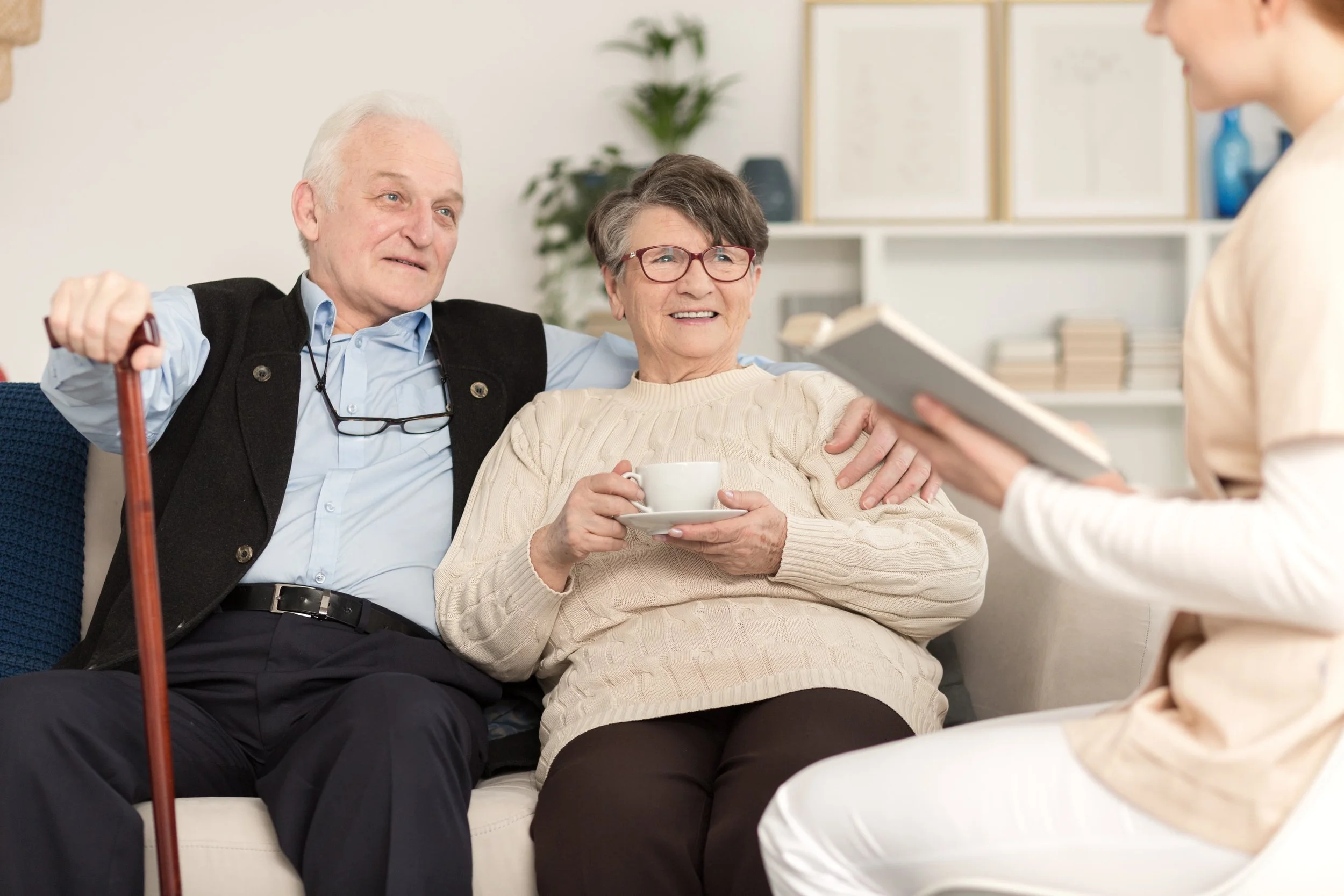
The coronavirus pandemic has upended our lives in numerous ways. Devastating losses and drastic changes in our everyday lives and recreational activities have resulted in high levels of stress for people all over the globe. If you’re a caregiver for someone with dementia, chances are, the pandemic has compounded your stresses. Not only do you have the added anxieties of caring for someone who is more vulnerable to the virus, but you may also find yourself with additional responsibilities that were once shared by visiting service workers and family members. Although the global pandemic is out of your control, there are some things you can do to help loved one cope with the changes.
Establish a daily routine
Routine is crucial for people with dementia. Daily structure provides familiarity and gives the individual a sense of control and independence, reducing stress and anxiety. If you can help your loved one establish a routine with their waking and sleep times, bathing and meal times, and activity and rest times, it will go a long way toward providing them with a greater sense of peace.
Create a soothing and engaging environment
People with dementia are sensitive to their environment. Overstimulation can cause them to become agitated and increasingly confused. On the other hand, a lack of stimulation can result in depression and lethargy. It’s important to create a dementia-friendly environment. Here are some ideas:
Use soft, filtered lighting instead of harsh overhead lights
Avoid loud noises and decrease excessive background sounds
Play music at moderate levels to soothe without interfering with thought processes
Remove clutter so useful items are easy to find
Keep useful items in their designated spaces
Label cabinets with what’s inside
Decorate with soothing colors
Keep the temperature comfortable
Keep doors open and rooms easy to navigate
Display a few familiar items such as family photos
Create cozy corners and activity areas that invite engagement
A calm, predictable environment will support your loved one’s independence with their daily routines.
Help with social distancing and personal hygiene
It’s important to remember that dementia affects short-term memory first. The changes brought on by the coronavirus pandemic may still feel new for people with dementia.
Your loved one may need to be reminded to practice social distancing, wash their hands thoroughly, and wear a mask. The more you can embed reminders into the daily routine and the environment, the more familiar he or she will become with these protective measures. Try putting a bottle of hand sanitizer next to their favorite chair and a clean mask on the console table next to the front door. This will help your loved one remember to use these items regularly. Be sure to lead by example and provide gentle reminders when necessary.
Try delivery services
If you’re caring for someone with dementia, especially during the pandemic, you can use all the help you can get. Grocery delivery services can save you time and frustration as well as limiting your loved one’s contact with others who may carry the virus. You also have the option of different food delivery services that can provide you with everything from restaurant meals to freshly made foods customized to specialty diets. If your loved one likes to cook, you may want to try meal delivery services that provide exact amounts of each ingredient necessary to create delicious recipes.
Take advantage of online services
One thing that has changed for the better during the COVID-19 pandemic is our ability to socialize with people who are far away and participate in activities without the risk of contracting the virus. Virtual church services, telehealth services, family game nights on Zoom, and live online entertainment such as dance and musical performances can all be wonderful ways to help your loved one stay engaged and socially stimulated. Whether he or she plays chess, enjoys book clubs, or loves Zumba dancing, you’ll find any number of online services and activities that bring them pleasure.
Bella Vista Health Center is here for you
If your loved one needs dementia care in San Diego than you can manage on your own, it’s ok to reach out for help. At Bella Vista Health Center, our in-house occupational therapists are highly skilled and compassionate providers who can help your loved one with demental maximize their strengths and adapt to changes in healthy ways so that they can thrive during these troubling times.
Call (619) 644-1000 to partner with us in helping your loved one live their best life.


