

Bella Vista Health Center Blog


How to Prevent Falls for Seniors and the Elderly
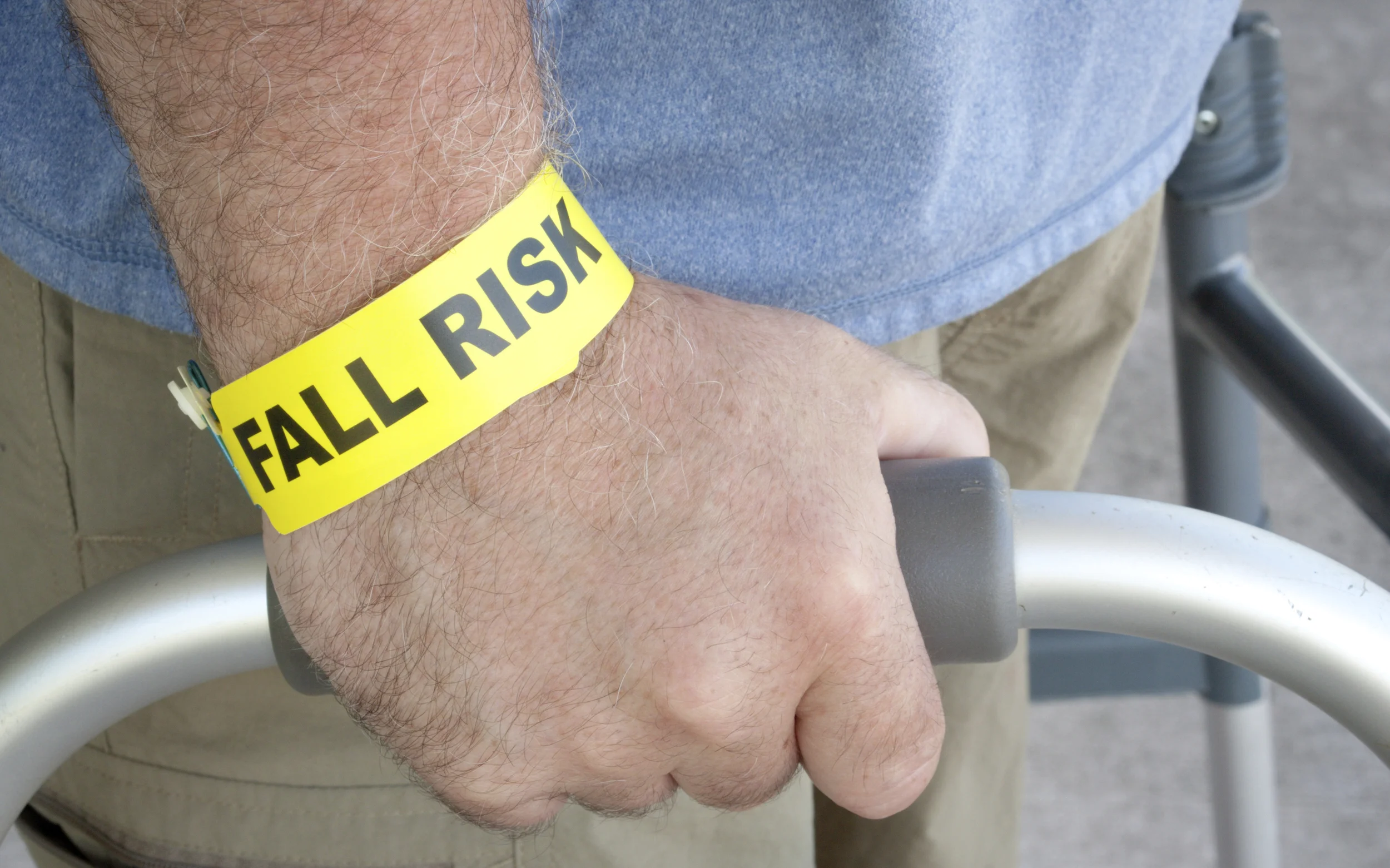
If you’ve had a fall in your advanced years, you know how much damage a fall can do and how much it can disrupt your life. Gone are the days when we bounce back like a toddler who has taken a tumble. For seniors and the elderly, falls can have life-altering consequences. In fact, according to the National Council on Aging, falls are the leading cause of fatal and non-fatal injuries for older Americans.
How to Prevent Falls for Seniors and the Elderly
If you’ve had a fall in your advanced years, you know how much damage a fall can do and how much it can disrupt your life. Gone are the days when we bounce back like a toddler who has taken a tumble. For seniors and the elderly, falls can have life-altering consequences. In fact, according to the National Council on Aging, falls are the leading cause of fatal and non-fatal injuries for older Americans.
The good news is that falls are not an inevitable part of life. By making a few practical lifestyle adjustments, you can decrease your risk of falling without even limiting your activities and social engagements. Take a look below at our tips for how to prevent falls for seniors and the elderly.
Tip #1: Keep your vision sharp
Impaired eyesight, poor vision, and age-related conditions can weaken depth perception, visual acuity, and peripheral vision, all of which can lead to falls inside and outside the home. It’s important to have your eyes checked by a doctor every year and to adjust lens prescriptions as needed. Additionally, inside your home, you may want to apply contrasting color strips to your steps to help with decreased depth perception.
Tip #2: Review your medications
Some medications may cause dizziness or drowsiness or other side effects that make falls more likely. Talk to your doctor about the medications and supplements you take. You may need to change or wean off of some prescriptions in order to reduce side effects that affect your balance.
Tip #3: Stay active
Exercise, such as walking, yoga, and swimming, can help improve your balance, coordination, strength, and flexibility. A physical therapist can also provide you with an exercise program that does the same. The stronger, more coordinated, and more flexible you are, the lower your risk of falling.
Tip #4: Make lighting a priority
No matter how good your eyes are, and no matter how strong your muscles, if you’re navigating through poorly lit areas of your home, you’re going to be more likely to misstep or trip over something. Keeping your home well lit will go a long way toward preventing falls. Place nightlights in the bedroom, bathroom, and hallways.
Tip #5: Hazard-proof your home
Remove small throw rugs and anything cluttering the walkways. This includes boxes, papers, electrical cords, and other items that may cause you to trip. Store your clothing and other daily necessities in easy-to-reach places. Clean up all spills right away. Install handrails or repair faulty rails in stairways. Use non-slip mats in bathtubs and showers.
Tip #6: Wear the right shoes
Although your slippers may be cozy and comfortable, it’s best to wear shoes inside your home to help prevent slipping and falling. High-heels or slick-soled shoes should also be avoided. Opt instead for sturdy, well made shoes that fit properly and have traction on the soles.
Tip #7: Use assistive devices
Support rails in the bathroom, raised toilet seats, shower chairs, walkers, canes, hand rails along staircases, and any number of assistive devices can help you maintain your independence and stay safe at the same time. Talk to your doctor about which options may be best for you.
Short Term Nursing Care
We’re here for you. At Bella Vista Health Center in San Diego, we provide skilled nursing care in a safe environment where you’ll find the support you need to live your best life. The way we see it, asking for help when you need it is one of the bravest things a person can do. And our staff is here, happy to help, whenever you’re ready.
If you’d like to come by and visit us in Lemon Grove, we’d welcome you any time. Just give us a call or drop by. We know you’ll love what you find here.
Can Yoga Benefit the Elderly?
Yoga can be a very gentle way of cultivating health and wellbeing. Through the regular practice of different techniques, including postures and movement, breath awareness, and breathing exercises, yoga can benefit people of all ages, shapes, and athletic abilities.

Can Yoga Benefit the Elderly?
Yoga. The very word may inspire exhaustion, calling to mind lithe young people twisting their bodies in uncomfortable-looking shapes that make the rest of us cringe.
But yoga can be a very gentle way of cultivating health and well-being. Through the regular practice of different techniques, including postures and movement, breath awareness, and breathing exercises, yoga can benefit people of all ages, shapes, and athletic abilities.
At Bella Vista Health Center, we provide weekly gentle yoga classes for our residents. We employ skilled and compassionate yoga practitioners to lead the classes in our yoga and meditation center.
So…to answer the question above, we offer a resounding, “Yes!” Yoga provides wonderful benefits for the health and well-being of people of all ages. Here are some ways yoga can benefit the elderly.
Yoga provides low-impact exercise
Exercise is an important component of a healthy lifestyle no matter how old you are. But in our later years, high-impact exercises such as running or weight lifting are too hard on our bodies. Yoga is a great way to get the benefits of exercise safely and gently.
Yoga can increase range of motion
As we get older, our range of motion often declines due to stiffness of limbs and joints. This can lead to falls, injuries, and difficulties with daily tasks. The gentle stretches of yoga helps to keep us flexible and limber, increasing our range of motion as well as our quality of life.
Yoga can prevent and slow bone density loss
One in three women over 50 experience osteoporotic fractures. The weight-bearing activity of yoga helps to slow bone thinning, and can both prevent and treat osteoporosis, especially in postmenopausal women.
Yoga relieves stress and anxiety
Yoga is not just great for the body; it’s also great for the mind. Practicing yoga daily lowers your heart rate and blood pressure, eases your breathing, and induces your body’s relaxation response. These conditions relieve stress and anxiety, keeping you centered and energized, and balancing out your moods.
Yoga protects your joints
Joint stiffness is a common sign of aging, and it can inhibit our ability to perform daily tasks such as brushing our teeth and getting dressed. Yoga can help keep joints lubricated and regular practice can be a beneficial part of managing arthritic conditions.
Yoga builds strength and balance
Falls are the leading cause of injury among older adults. Yoga helps build strength and improve balance, both of which can help prevent falls.
The health and well-being of our residents is important to us
At Bella Vista Health Center in Lemon Grove, we believe in a whole-being approach to the health of our residents. While we provide top-notch skilled nursing care, we also offer additional activities and services meant to address the mental, physical, and emotional needs of our patients. Yoga is a favorite activity for many of our residents. And with all those benefits listed above, it’s easy to see why!

Tips on How to Adjust When Moving into a Nursing Facility
Transitioning into life in a nursing facility can be challenging. It often includes feelings of loss, such as the loss of a familiar home environment, loss of status, and loss independence and control. But once the resident is settled and adjusted, a nursing facility can dramatically improve the quality of life.

Tips on How to Adjust When Moving into a Nursing Facility
Transitioning into life in a nursing facility can be challenging. It often includes feelings of loss, such as the loss of a familiar home environment, loss of status, and loss independence and control. But once the resident is settled and adjusted, a nursing facility can dramatically improve the quality of life.
At Bella Vista Health Center, some of the benefits our residents receive include safety and security, medical nutrition therapy, regular social interaction, an accessible support network of care providers, and activities and special programs that uplift spirits and keep residents engaged.
Some residents adjust quickly. Others require more time to get comfortable and settle in to new routines. Here are some tips for helping your loved one adjust to life in a nursing facility.
Bring items from home
Although the room in the nursing facility may not be spacious enough for large items, you can bring small items to decorate it and make the environment more home-like and comfortable. Pictures and picture albums are a source of great comfort for many residents of nursing facilities. They can also be wonderful conversation starters between your loved one and staff members or other residents. Special bedding or blankets are also great items to bring.
Visit often
It’s important to remind your loved one that moving to a nursing home does not mean the loss of family and friends. When you visit often, and encourage the same from other friends and family members, it will help him understand that he is not isolated and that the important relationships can remain intact through the change.
Listen with love
During the transition, your loved one may express complaints, opinions, and questions about the new arrangements. The best you can do is to listen lovingly and offer understanding. It’s important that you don’t try to talk your loved one out of feeling the way she does. Allow her to express herself and do your best to offer empathy and compassion.
Look on the bright side
If your loved one gets stuck in a loop of complaints or fears about wanting to go back home or leave the facility, you can help by redirecting him to some of the positives of the experience. Take him for a walk around the facility and encourage interaction with staff and other residents. Point out the pictures on the walls or the flowers growing on the grounds. Your influence can help your loved one see the benefits of life in the nursing facility.
Separate your feelings from his
When you place a loved one in a nursing facility, you may be filled with feelings of sadness, guilt, or fear. If you’re not careful, these feelings can influence the experience your loved one has. He may pick up on your fears and become agitated. It’s important that you find an outlet where you can express your feelings, such as a support group or a mental health professional, so that when you visit the nursing facility, you can help your loved one look on the bright side.
Stay involved and informed
Get to know the staff and other residents at the nursing facility. Familiarize yourself with the routines, and stay abreast of the calendar of activities. The more involved you are, the less anxious you’ll feel, and the more you can help assuage your loved one’s anxieties. Additionally, you’ll get to know the families of other residents, and they’ll get to know you. This familiarity will help give you a sense of security for your loved one’s well-being even when you can’t be there.
We support our residents and their families, too.
At Bella Vista Health Center in Lemon Grove, we see family members as part of the team. You know your loved ones better than anyone, and your advocacy and encouragement means everything to the residents. We support the involvement of our residents’ families, and we provide local transportation services for those who need them.
If you have questions about our services and facilities or want to schedule a tour, please call or drop by. We look forward to serving you and your loved ones in any way we can.
8 Ways Physical Therapy Can Help You
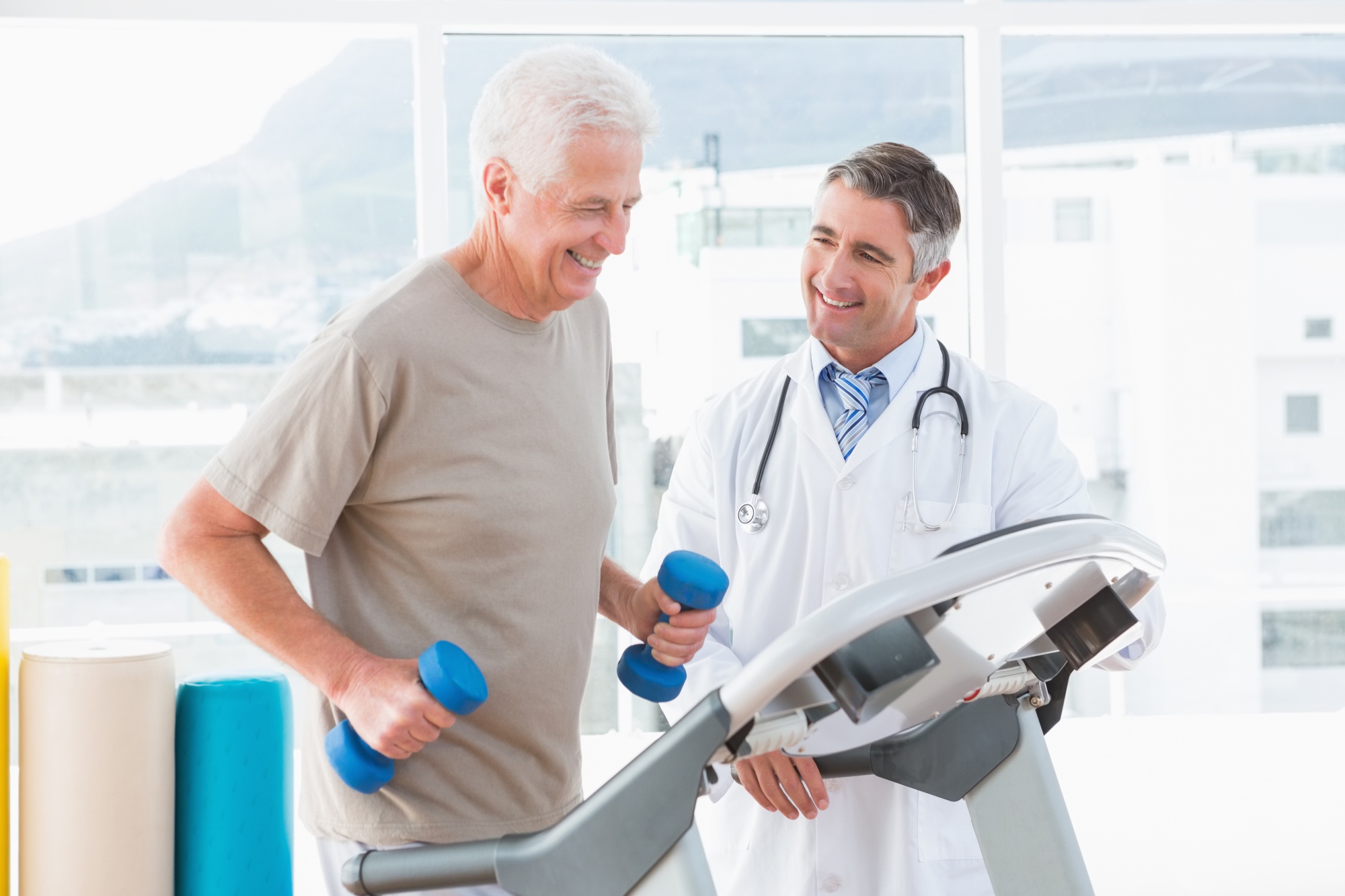
Physical therapy is one of the most underrated treatments out there. It’s amazing how quick we are to reach for prescription drugs, surgery, and all kinds of other fixes when physical therapy can make such a difference in our lives. It may be hard to believe, but in the hands of a skilled therapist, good old-fashioned body mechanics is extremely beneficial in helping us recover from injuries, prevent falls, improve our mobility, reduce our pain, and so on.

8 Ways Physical Therapy Can Help You
Physical therapy is one of the most underrated treatments out there. It’s amazing how quick we are to reach for prescription drugs, surgery, and all kinds of other fixes when physical therapy can make such a difference in our lives. It may be hard to believe, but in the hands of a skilled therapist, good old-fashioned body mechanics is extremely beneficial in helping us recover from injuries, prevent falls, improve our mobility, reduce our pain, and so on.
One common myth that people believe about physical therapy is that it’s only for those who have suffered injuries and accidents. And while it’s true that it has proven advantageous in those situations, physical therapy is effective in so many other situations as well. Here are 8 ways physical therapy can help you.
Reduce your pain
A physical therapist can provide treatments that include strength and flexibility exercises, manual therapy, posture awareness, and body mechanics instruction that address the underlying causes of your pain.
Improve your mobility
As you age, your joints often become less flexible. This leads to stiffness and tenderness and makes it more difficult to accomplish daily tasks. Physical therapy is a great solution for increasing flexibility and mobility, and keeping your joints moving to their fullest capacity.
Improve your balance
Balance and coordination become increasingly important as your bones lose their density with age. Falls can have a devastating impact on your quality of life. Balance exercises provided by a physical therapist can help keep you on our feet.
Recover from injuries
After an injury, it can be tempting to stay in bed or on the couch, but in many cases, immobility can actually slow your recovery. On the other hand, it’s inadvisable and potentially dangerous to just get up and resume your normal routine following an injury. A physical therapist will assess your injury and provide exercises, stretches, and instructions that will help you recover faster while preventing risk of further injury.
Prevent injuries
Strong muscles support your bones and joints, which helps prevent mobility problems and gives you more stability. Your physical therapist can provide you with gentle exercises to strengthen your muscles. Stronger muscles and improved balance will ultimately lower your risk of injury.
Recover from stroke
Recovering from a stroke can take time. And during that time, a loss of balance can make walking more difficult and put you at risk for injury from a fall. Working with a physical therapist can shorten your recovery time and help you regain your mobility and stability faster. Exercises may include a combination of low-impact strength training, balance and gait exercises, and flexibility/range of motion exercises.
Avoid surgery
In some cases, physical therapy has proven as effective as surgery for treating certain injuries. One study found that in the treatment of non-traumatic rotator cuff tears, physical therapy produced results equal to arthroscopic surgery and open surgical repair. Depending on the severity of your injury or condition, physical therapy may be a feasible alternative to surgery.
Manage age-related issues
Physical therapy can’t make your arthritis, osteoporosis, or other age-related issues go away. But your physical therapist can help you manage the symptoms and regain your independence and control. Physical therapy may reduce your pain, restore your range of motion, and increase your endurance. Your physical therapist can also develop a plan of weight-bearing exercises to slow down the deterioration of the bones in your legs, hips, and spine. In many cases, the work you do in physical therapy can even rebuild bone density.
You’ll love our physical therapists
At Bella Vista Health Center in Lemon Grove, our residents receive top quality care that allows them to live their life. We see physical therapy as a wonderful tool, and we employ the most skilled, compassionate physical therapists who do their best to make a difference in the lives of our patients every single day.
Come see us, take a tour, and meet our physical therapists. We’re pretty sure you’ll love what you find here.

The Health Benefits of Interacting with Animals
You know you love your pet. And you know it feels good to be greeted at the door with a wagging tail or a happy purr. But did you know that your pet actually provides you with measurable health benefits? It’s true. Studies have proven numerous health benefits of interacting with animals. Here are a few:

The Health Benefits of Interacting with Animals
You know you love your pet. And you know it feels good to be greeted at the door with a wagging tail or a happy purr. But did you know that your pet actually provides you with measurable health benefits? It’s true. Studies have proven numerous health benefits of interacting with animals. Here are a few:
Pets provide positive mental energy
Playing or snuggling with a pet raises your serotonin and dopamine levels. These naturally occurring chemicals in your body help your mind stay calm and keep depression at bay. In other words, there’s a scientific reason for those feel-good feelings you get when you cuddle up with Mr. Whiskers.
Pets help protect your heart
Heart-related studies have shown that pet owners have decreased blood pressure, cholesterol, and triglyceride levels. These conditions help minimize the risk of future heart attacks. Pets provide an advantage even for those with heart problems. One study found that of 421 adults who suffered heart attacks, dog owners were significantly more likely to be alive a year later than those who did not own dogs.
Pets boost your fitness
Dog owners walk more than non-owners. According to one study, dog owners walk an average of 5 hours per week, while non-owners walk 2.75 hours per week.
Another study found that people who walk with dogs actually improve their fitness more than those who walk with other people.
Pets relieve stress
Cuddling and petting with a pet slows the heart rate and drops the blood pressure of both human and animal. It also causes a surge of oxytocin (also known as “the cuddle hormone”), which is linked to emotional bonding. All this lovey-dovey-ness decreases the stress hormone, cortisol. It’s no wonder you feel so relaxed when you have Fluffykins purring in your lap.
Pets help you stay socially engaged
People who have more social relationships tend to live longer and show less mental and physical decline than those who keep to themselves. Social interaction with pets counts. Additionally, your dog is a social magnet. Studies have also shown that dog walking leads to more conversations and keep you socially connected. That makes us wonder who gets the most out of visits to the dog park – your pet or you?
We love pets, too!
At Bella Vista Health Center, we understand the healing role animals play in the lives of many of our patients. When you come to stay with us, you don’t have to say goodbye to your loveable furball. We welcome visits from pets on approval. If you would like to arrange one-time or regular visits from your pet, talk to our staff. But if you don’t have a pet, don’t worry. You can still receive the health benefits of interacting with animals during our regularly scheduled companion pet visits from the San Diego Humane Society and Love on a Leash.

12 of the Healthiest Foods You Need to be Eating
We all want to be healthy. Some of us may not know how to get there, but ultimately, everyone wants to feel good. One of the best ways to get healthy is to eat healthy foods. There are so many nutrient-rich foods out there we couldn’t possibly list them all (well, we could, but we’d be at it for a long time). The following list is a good place to start. We’re pretty sure that once you realize how good it feels to get healthy, you’ll want more of it.

12 of the Healthiest Foods You Need to be Eating
We all want to be healthy. Some of us may not know how to get there, but ultimately, everyone wants to feel good. One of the best ways to get healthy is to eat healthy foods. There are so many nutrient-rich foods out there we couldn’t possibly list them all (well, we could, but we’d be at it for a long time). The following list is a good place to start. We’re pretty sure that once you realize how good it feels to get healthy, you’ll want more of it.
Give your body a boost with these 12 healthy foods.
#1 Blueberries
These popular berries have one of the highest anti-oxidant capacities among all fruits, vegetables, spices and seasonings. They’ll pack a punch on behalf of your nervous system, brain health, and memory. Eat them raw to maximize their flavor and nutritional benefits.
#2 Walnuts
The high levels of vitamin E found in walnuts can help protect your cardiovascular health. They also provide anti-oxidant and anti-inflammatory benefits. Walnuts are one of two foods that contain more Omega-3 fatty acids per serving than salmon (the other is flaxseed).
#3 Almonds
Almonds help lower LDL-cholesterol levels and reduce the risk of heart disease. The magnesium they contain can also help improve the flow of blood, oxygen and nutrients through the body. Almonds are a great snack to protect against high blood pressure.
#4 Salmon
You’ve probably heard that salmon contains Omega-3 fatty acids that are great for your overall cell and brain function, but it also contains bioactive peptides that aid in insulin effectiveness, support for joint cartilage, and inflammation in the digestive tract. Look for wild salmon. It will have fewer toxins than farmed Atlantic salmon.
#5 Basil
The flavonoids found in basil protect cell structures from radiation and oxygen-based damage. And its volatile oils have proven effective in restricting bacteria growth. Basil also provides anti-inflammatory benefits.
#6 Kale
This dark leafy green can help lower cholesterol levels, reduce the risk of five different cancers (bladder, breast, colon, ovary, prostate), support the body’s detoxification system, and reduce inflammation.
#7 Avocados
The monounsaturated fats, antioxidant nutrients, and anti-inflammatory components of avocados put them near the top of any list of superfoods. They also provide cardiovascular support and help with blood sugar control, insulin regulation, and satiety and weight management.
#8 Spinach
The health value of spinach ranks it among the world’s healthiest foods. Its phytonutrients provide anti-inflammatory and anti-cancer benefits. The flavonoids it contains deliver antioxidant benefits, and the vitamin K helps maintain bone health.
#9 Quinoa
Quinoa is one of the few grains that contain significant amounts of protein and health-supportive fats. The phytonutrient benefits and antioxidant flavonoids give it an overall nutrient richness that you won’t find in most grains.
#10 Chicken breasts
Organic, pasture-raised, skinless chicken breasts provide broad nutrient support with less fat than dark meat and more antioxidant benefits than non-organic, non-pastured chicken meat. Chicken is an excellent source of protein and vitamin B3.
#11 Peanut butter/Almond butter
Both of these nut butters are rich in heart-healthy fats. And while they also both contain fiber, vitamin E (known for antioxidant properties), and minerals like potassium and calcium, almond butter edges out peanut butter in these health benefits. When shopping for nut butters, look for “all natural” on the label and an ingredients list that reads: “nuts, salt.”
#12 Mushrooms
Mushrooms help lower risk of breast cancer and prostate cancer, reduce cholesterol levels, and strengthen the immune system. They also aid in the absorption of iron and the reduction of blood pressure.
We take health and nutrition seriously
At Bella Vista Health Center in Lemon Grove, we make it our business to ensure that our patients and residents get what they need to live their healthiest lives possible. We prepare our food lovingly and according each individual’s dietary needs because we understand the impact nutrition has on health.
If you need a place to recover and rehabilitate, Bella Vista is here for you. In additional to nutritious meals, we can provide occupational therapy, physical therapy, speech therapy, wound care, Bi-PAP/C-PAP therapy, and more. Our staff is highly skilled and compassionate, and we’ll take great care of you while you heal.
Call to schedule a visit.
6 Safe and Easy Exercises for Seniors
Exercise isn’t just about getting fit and trim to look good in a bathing suit. For seniors, it’s about staying healthy and safe, and maintaining strength and coordination.

6 Safe and Easy Exercises for Seniors
Exercise isn’t just about getting fit and trim to look good in a bathing suit. For seniors, it’s about staying healthy and safe, and maintaining strength and coordination.
New York City dance- and fitness-expert Celeste Carlucci started a fall-prevention and strength-building program called Move Strong to help seniors optimize their fitness levels and stay safe while performing everyday activities. She created the following 6 safe and easy exercises to help seniors age gracefully.
Keep in mind that each individual is different and if you have any concerns at all, please consult your doctor before performing these exercises.
Exercise #1: Stepping over the suitcase
Stand with feet together, hands on hips. Lift one foot up, knee high, and step to the side as though over a large suitcase. Go slowly to maintain balance. Repeat 10 times and then switch to the other foot.
Benefit: improves strength, balance, and coordination
Exercise #2: Windshield Wiper
Sit tall with your buttocks at the edge of a chair. Engage your abdominal muscles. Start with your legs together and your hands on the outside of your knees. Open your knees and legs to the side, providing resistance with your hands. Then, once your legs are in the open position, move your hands to the inside of your knees. Pull your knees and legs together, again providing resistance with your hands. Repeat 10 times.
Benefit: improves leg-strength
Exercise #3: Reach down and reach high
Put one foot behind the other, and reach down to pick up something from the floor. It might help to use something real (any lightweight small item you can easily grip in your hand will do), but you can also use an imaginary item. Be sure to bend your knees as you pick up the item from the floor. Then, reach high to “put it away,” as though in a high cabinet. Be sure you keep one foot in front and one behind to help maintain a strong stance and keep your balance. Repeat 10 times.
Benefit: improves coordination
Exercise #4: Pump the Gas
Sit tall at the edge of the chair. Point and flex your feet 5 to 10 times. Do this before you get up from the chair or the bed anytime you’ve been sitting or lying down for a long time. It will help prevent dizziness and fainting.
Benefit: improves circulation
Exercise #5: Side leg lifts
Stand behind a chair, and hold on to the back of it. Stand tall, and put all of your weight on your left foot. Keep your left hip nice and strong as you lift your right leg out to the side. Repeat 10 times. Then switch legs and do the same on the other side.
Benefit: improves leg strength
Exercise #6: Bicep Curls
This one can be done sitting in a chair or standing. Keep your back straight, and stand or sit tall. Holding a lightweight dumbbell in each hand, start with your arms hanging at your sides, palms facing forward. Bend both arms at the elbow and keep your palms facing upward as you lift the weights toward your shoulders. Then slowly lower them back down to your sides. Repeat this 10 times. Over time, you may want to increase the weight of your dumbbells.
Benefit: improves arm strength
Want more? Carlucci’s Move Strong YouTube channel has some fun videos, doctor testimonials, and exercise how-to’s.
We love our seniors!
At Bella Vista Health Center, we provide whole-person care for all of our residents. This means we make it a point to address their nutritional and exercise needs as well as their medical needs. We offer activities to help keep our residents active, in good spirits, and in their best health.
If you are looking for skilled nursing care for yourself or a loved one, we invite you to come visit our 5-star facility in Lemon Grove and see what we have to offer. Bring a pair of sneakers, though, because if you catch us exercising, we might ask you to join us!

What You Should Know About Your Medications
As we get older, we’re often faced with more health conditions that need to be treated with medication on a regular basis. The more medications we take, the more difficult it can be to keep track of everything. But it’s important to learn as much as we can about each medication we take in order to avoid problems that might arise.

What You Should Know About Your Medications
As we get older, we’re often faced with more health conditions that need to be treated with medication on a regular basis. The more medications we take, the more difficult it can be to keep track of everything. But it’s important to learn as much as we can about each medication we take in order to avoid problems that might arise.
Whether you’re taking care of your own medication or helping a loved one with theirs, it’s easier to keep track of if you carry a notebook specifically for notes on the medication. Use it to record the following information about all medications. It will come in handy when talking with health care providers as well.
What is the medication for?
Ask your doctor to tell you specifically what you’re taking each medication for. Don’t just rely on the Internet for this because some medications are prescribed for different reasons. Find out from your doctor exactly why the medication has been prescribed for you. You can use this information to share with other providers.
How should the medication be taken?
It’s important to know exactly how to take your medications and when. When the doctor prescribes a medication, you must take it exactly as prescribed. Doing otherwise could lead to failed results, unexpected side effects, and other potential problems. There may be times when your doctor needs to increase or decrease dosage, but this is not a decision you should make on your own unless your doctor has instructed you to do so.
What to expect from the medication?
Some medications are meant to work immediately to relieve symptoms. Other medications need time to build up in the system before they can be effective. Your medication may actually cure your condition and not just the symptoms. You want to know what to expect from your medication (and when) so you can have an idea of whether or not it’s working and alert your doctor if you aren’t seeing the expected results.
Will a generic version suffice?
Generic versions of most medications provide the same benefits at a lower cost. Your doctor should be able to tell you if there is a generic version and whether or not it will do the job.
Who is the manufacturer?
Most manufacturers have educational materials for their products. This is a good resource to learn more information about what you’re taking.
How to store the medication?
Some medications come with special storage instructions. For instance, your medication may need to be kept in the refrigerator to keep from deteriorating before you’ve finished it. The kitchen cabinet or other dark, dry space may be just fine for most of your medications, but it’s important to ask so you know for sure.
What to do about a missed dose?
Sometimes, when you miss a dose, it’s appropriate to take it as soon as possible and then resume your normal schedule. Other times, you’ll want to wait and just double up at the next dose. But you need to know the specific missed-dose rules for each medication because the rules will be different for each one. For instance, doubling up could prove dangerous with the wrong medication.
Common side effects?
If you know what the common side effects are for the mediation you’re taking, you’ll be able to help your doctors assess how your body is responding. Most side effects are mild and will go away on their own. But other side effects can create more problems and become bothersome enough that it might be better to change to a different medication if possible.
What interacts with the medication?
Ask about interactions with medical conditions, other medications, and food and alcohol. Some foods can affect how the medication is absorbed. Interactions with other medications could make the medication stronger or weaker. Interactions with alcohol could make you feel slow and lethargic. When you’re armed with information about the interactions, you’ll be better equipped to avoid problems with your medication.
How to dispose of unused portions?
Responsible disposal of unused or expired medications helps keep children, pets, and the environment safe. Follow instructions for each medication separately. Some may be ok to flush down the toilet or sink while others are not. If you do not have specific instructions for disposing of your medications, your doctor should be able to help you find the information you need.
Ask for help if you need it.
There may come a time when your list of medications becomes too long to handle on your own. If you’re caretaking for a loved one, and you don’t know if they’re caught up on their medications, it can be scary. Either way, if handling the medication gets to be too much, it may be time to consider moving your loved one to a skilled nursing facility.
Here at Bella Vista Health Center in Lemon Grove, we understand the transition can be difficult, and we welcome you to come visit our 5-star facility to see what great care we take of our residents. We have health care providers on site all hours of the day, and we will help make sure that your loved one maintains a complete medication schedule as prescribed by the doctor. We’re highly skilled, deeply compassionate, and we’re here when you’re ready.

7 Items to Bring with You to a Nursing Facility
Moving into a nursing facility is a major life change. If you stop and think about the number of things a person gives up when she moves into a nursing facility, you might be astounded. Suddenly, she’s eating from an unfamiliar set of dishes, sitting on unfamiliar chairs, and sleeping in a room with an unfamiliar layout.

7 Items to Bring with You to a Nursing Facility
Moving into a nursing facility is a major life change. If you stop and think about the number of things a person gives up when she moves into a nursing facility, you might be astounded. Suddenly, she’s eating from an unfamiliar set of dishes, sitting on unfamiliar chairs, and sleeping in a room with an unfamiliar layout.
One of the best ways to create a sense of comfort and familiarity in a nursing facility is to personalize your loved one’s room. Although there’s a limited amount of space, small treasured items and everyday supplies can go a long way toward making the room cozy and comfortable.
Of course, when you visit your loved one in a nursing home, the most important thing you’re providing is your presence. But every now and again, if you want to bring something with you, the extra touch will help your loved one feel comfortable and at home even after you’ve left.
Photos and photo albums
Family photo albums that contain pictures of past and present make a great gift for someone living in a nursing facility. Include pictures of the resident’s early life, midlife, and late life as well as pictures of children, grandchildren and other family members. Be sure to leave a few blank pages at the back so you can add new pictures later. Photos to hang on the wall make great gifts, too.
Souvenirs
Your loved one has many special memories, and you can help access them by bringing souvenirs and mementos during your visit to the nursing facility. Did your grandmother honeymoon in Paris? A postcard of the Eiffel Tower would be a wonderful item to bring when you visit her. Ask her to tell you about her honeymoon. You can also bring souvenirs from your own travels. Bring her a set of Minnie Mouse ears and talk to her about your visit to Disneyland.
Radio tuned to a favorite station
Music has a special power to inspire memories and fond feelings. It also has the power to soothe and calm. Bring a radio tuned to your uncle’s favorite station when you visit him in the nursing facility. Ask him if he wants to dance. Let the music bring joy to his room. Be sure to put his name on the radio, and ask the staff to help him operate it daily if need be.
Calendar
A wall calendar makes a great gift to bring to a nursing facility because your loved one will be able to use it every day. Be sure the calendar has vibrant pictures that will add cheer to the wall and is large enough to see the dates clearly. Point to special dates on the calendar and talk to your loved one about them. Write down the date of your next visit, the date of your daughter’s piano recital, and the date of a special event at the nursing facility. Each time you visit, you can talk about what day it is today as well as any upcoming events that your loved one might look forward to.
Special afghan or quilt
A bed is a very personal space, and the more personal the bed looks, the more comfortable and homey the room will feel. If your mom has a favorite afghan or quilt from home, spreading it on her bed or folding it at the foot will add a personal touch. A new comforter, blanket, or bed cover can also add a feeling of special newness to the room. Choose something that brightens or cheers up the space.
Something new to wear
As nursing facility residents become less mobile their days become more repetitious, and even the smallest change can have a wonderful impact. A new sweater, new slippers, or a new hat can add a touch of joy to your loved one’s day. It’s also true that in a nursing facility, special events take on more weight. Getting ready for something special is part of the fun. When you bring something new for your loved one to wear, it can help him enjoy the experience of preparing for the event the way he used to when he lived on his own.
Personal grooming supplies
Think about all the time a person spends grooming in their lifetime. Although some of us like to experiment with new products and supplies, most people find their favorites and stick with them for many years. Favorite brushes, favorite toothpaste brands, favorite lipstick colors, favorite lotions. See if you can find everyday grooming supplies your loved one has long favored. Bring them with you on your visit to the nursing facility, and ask the staff to help your loved one use them regularly.
We want your loved one to feel at home
At Bella Vista Health Center in Lemon Grove, we love our residents, and we do everything we can to help them feel at home with us. This is, after all, their home. We encourage families to visit often and bring special items to share with their loved ones. It makes the residents happy, yes, but also, the more special memories you inspire in your loved one, the more wonderful life stories we get to hear!
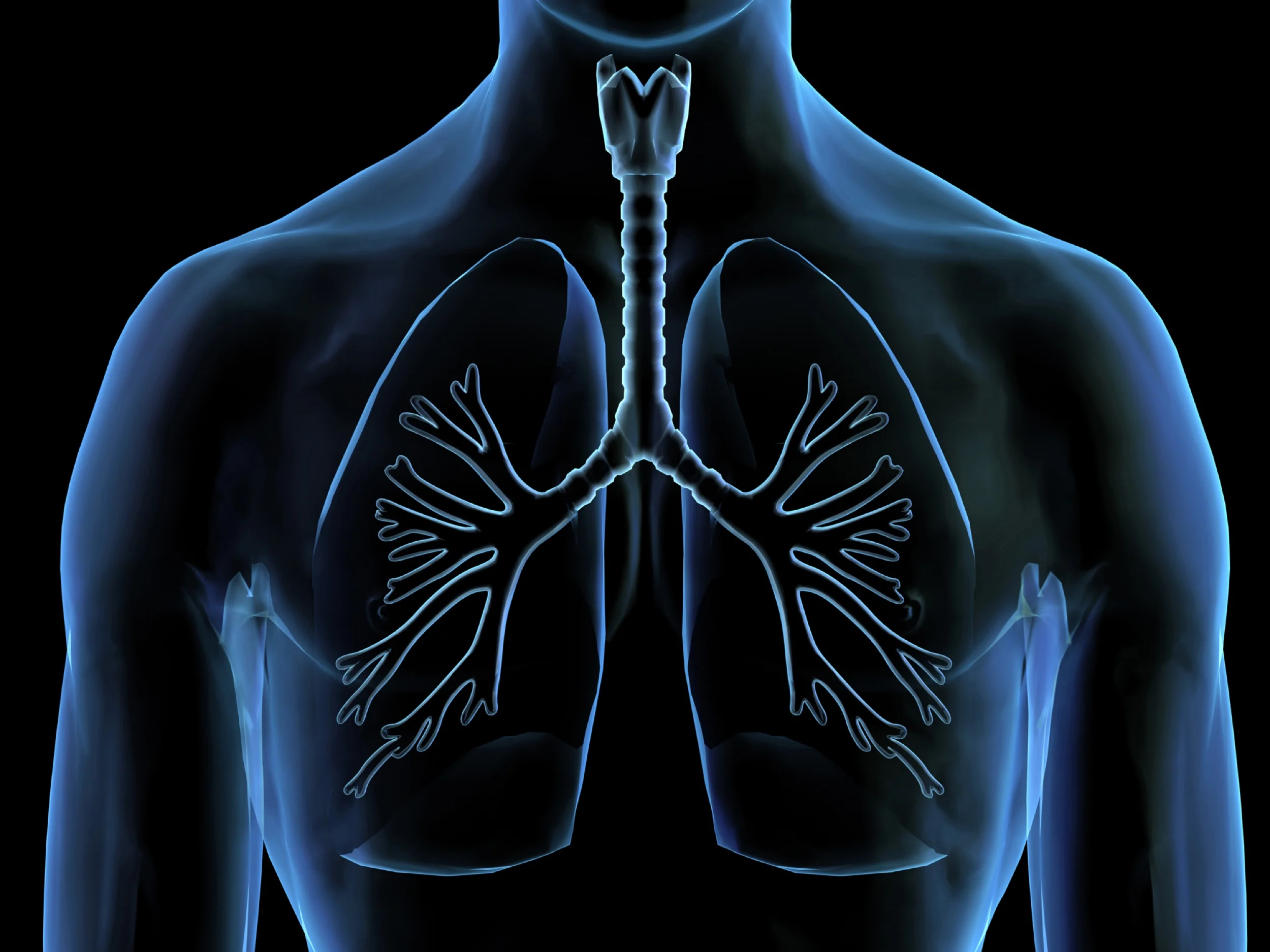
How Does Pulmonary Rehabilitation Help with Chronic Lung Disease?
Chronic lung disease makes everyday living a challenge. For people with emphysema, chronic bronchitis, or COPD (chronic obstructive pulmonary disease), life can be both frustrating and depressing for a couple of different reasons:

How Does Pulmonary Rehabilitation Help with Chronic Lung Disease?
Chronic lung disease makes everyday living a challenge. For people with emphysema, chronic bronchitis, or COPD (chronic obstructive pulmonary disease), life can be both frustrating and depressing for a couple of different reasons:
- They have a difficult time doing the things that bring them pleasure
- They live with a constant fear of becoming short-of-breath
But pulmonary rehabilitation programs can make life better.
Pulmonary rehabilitation helps build physical fitness and provide strategies for living a fulfilling life with chronic lung disease. A thorough pulmonary rehabilitation program consists of exercise, breathing techniques, education, nutritional counseling, and emotional/psychological support.
Here’s how it works:
Exercise
Pulmonary rehabilitation programs will include upper- and lower-body exercises, such as walking, stair climbing, and lifting. Many of these exercises will focus on endurance, but strength training is also beneficial. Exercise supports pulmonary rehabilitation by:
- Improving function of heart and lungs
- Strengthening muscles used for breathing
- Helping to maintain physical fitness
Breathing techniques
Breathing training will teach tips and strategies, such as “pursed lips breathing” and “diaphragmatic breathing” to help the patient get the air needed without working so hard to breathe. Some breathing exercises (such as blowing through a tube against resistance) may also be a part of the program. Breathing techniques support pulmonary rehabilitation by:
- Improving the exchange of oxygen and carbon dioxide
- Slowing the breathing down
- Conserving energy
- Increasing the amount of time the patient can perform an activity
- Training the diaphragm to take over more of the work of breathing
Education
The team of health care providers leading the pulmonary rehabilitation program will use printed material, videos, classes, and/or one-on-one conversations to pass on important information. Teaching sessions for education in a pulmonary rehabilitation program will focus mainly on:
- Understanding the medication
- Understanding the treatment plan
- Self-management at home
Nutritional counseling
The shortness of breath caused by chronic lung diseases can lead to decreased appetite and fatigue, which tend to interfere with proper nutrition and weight management. Nutritional counseling supports pulmonary rehabilitation by:
- Offering practical suggestions for healthy nutrition and food prep
- Providing individualized diet plans for weight management
Psychological support
Anxiety and depression are common symptoms in those with chronic lung diseases. And what’s worse is that these symptoms increase the shortness of breath that causes them. Mood problems can also interfere with relationships. Psychological support in pulmonary rehabilitation helps by:
- Providing techniques for managing stress
- Offering coping techniques to the family and the patient
- Reducing negative mood symptoms
- Increasing hope and optimism
Looking for pulmonary rehabilitation? We can help.
At Bella Vista Health Center, our pulmonary rehabilitation program has helped many San Diegans and Southern Californians live a better, more fulfilling life with chronic lung disease. Our practitioners and providers work as a team to ensure that each patient receives the quality, individualized care they need.
Want more information? Give us a call or stop by our 5-star facility in Lemon Grove to learn more about our pulmonary rehabilitation program.