

Bella Vista Health Center Blog

Is Socialization Important in Nursing Facilities?
We all know the importance of socialization in children, but rarely do we hear anything about the importance of continued socialization in the elderly. Often, when people are looking into nursing facilities for a loved one, it doesn’t even cross their mind to ask about activities that will provide opportunities for social engagement.

Is Socialization Important in Nursing Facilities?
We all know the importance of socialization in children, but rarely do we hear anything about the importance of continued socialization in the elderly. Often, when people are looking into nursing facilities for a loved one, it doesn’t even cross their mind to ask about activities that will provide opportunities for social engagement.
But they should.
Socialization has positive impacts on our emotional, mental, and physical health, no matter how old we are.
At Bella Vista Health Center, not only are we aware of the research that proves the importance of social connection, but we’ve also seen the difference it makes firsthand.
So, you ask if socialization is important in nursing facilities? You bet it is. Here are 5 major benefits:
Improved quality of life
Imagine having all the wealth in the world and no one to share it with. It would be a sad existence. That’s because the true joys of life exist within our relationships with each other. Every moment of laughter and social connection in our life adds to the quality of our experience. And the more true joys we can experience with others, the better our quality of life.
Increased purpose and belonging
The longer we live, the more loss we experience. Many elderly have lived through the deaths of their parents, their siblings, close friends, and even their children. This can lead to deep depression and sadness, which is only exacerbated by isolation. Social engagement reminds us that although we have lost loved ones, we can still experience a sense of purpose and belonging with others.
Increased fulfillment
When we help others, and when they help us, we affirm each other. And as we affirm each other, our bonds grow. This affirmation and bonding creates a deep sense of fulfillment. This experience can be created through something as simple as taking a class, learning a new skill, or volunteering. A healthy sense of interdependence feeds our spirits and adds to the quality of our lives.
Reduced stress
One of the best antidotes for stress and anxiety is social support. Research has shown that people who have an effective network of family and friends are able to come through stressful ordeals more easily than those who don’t. In addition, social isolation and loneliness can create or exacerbate anxiety-inducing hopelessness, worry, and fear. But engaging with others helps free our minds from the stress. We can reduce our stress and anxiety by spending time talking, bowling, singing, playing Bingo with others – or any number of social interactions.
Improved health
In one study, a group of researchers followed 6000 men and women ages 25 to 74 for 20 years and found that emotional vitality reduced the risk of coronary heart disease. Another study of 7000 adults found that participants with fewer social ties (friends, relatives, marriage, organization/church membership) were twice as likely to die over the 9-year follow-up period. In other words, social activities aren’t just a fun idea, they’re also good medicine!
Want more information?
If you’re interested in how we provide opportunities for socialization at Bella Vista Health Center, we welcome you to come visit our facility in Lemon Grove. On any given day, you’ll find our residents engaged in knitting clubs, yoga classes, Bingo – all kinds of activities. We also have movie night, special performances, and visits from animals at the Humane Society. At Bella Vista, we understand the importance of social interaction, and we do everything we can to maintain a high quality of life for all our residents.
Call or come in for a visit. We know you’ll like what you find here.
How to Help the Process of Healthy Aging
As we get older, change becomes harder to imagine. We tend to get in the “all is said and done” mindset, especially when it comes to making healthy lifestyle changes.

How to Help the Process of Healthy Aging
As we get older, change becomes harder to imagine. We tend to get in the “all is said and done” mindset, especially when it comes to making healthy lifestyle changes.
But at Bella Vista Health Center, we believe strongly in a different mindset, the one that tells us, “It’s never too late.”
The way we see it, it doesn’t matter if you were never athletic, a vegetarian, or interested in the outdoors. What does matter is that you make a decision to live and age as healthy as you can. Small changes can have really big impacts.
Healthy aging starts right here, right now, wherever you are.
Get moving
Staying physically active with regular exercise can help you prevent chronic disease, control your weight, lower your blood pressure, and boost your mood. No need to spend hours a day at the gym. You can get excellent benefits from daily walks at a moderate pace. If you’ve led a fairly sedentary life until now, start slow and just do what you can. If you walk just to the end of the block and back every day, it won’t be long before you start wanting to go further. And when that happens, go for it.
Stretch it out
When you’re not active, your muscles shorten and stiffen, decreasing your flexibility and range of motion. This makes it more difficult to get active. Light stretching on a daily basis improves your flexibility and can relieve the discomfort of chronic conditions. And if you take a yoga class, you’ll improve your strength and balance as well. Plus, all that optimism from the social environment can also have a positive impact on your health.
Maintain a healthy weight
There’s a reason diet and exercise go hand in hand: Our bodies were made to move, and healthy eating helps our bodies work smoothly and efficiently. Even though it may be difficult at first to make major changes in your eating habits, once you start incorporating more fruits and vegetables into your diet, it won’t be long until you wonder how it was you ever lived without your carrots and apples for lunch. Maintaining a healthy weight lowers blood pressure, risk of cardiovascular disease, and risk of cancer. If you’re unsure of what your optimal weight is, talk to your doctor.
Practice prevention
Visit your doctor regularly. Get your yearly check-up. Get your flu shots. Get screened for breast, cervical, and colorectal cancers. Preventative screenings and immunizations can help you stay healthy and allow you to address any medical concerns that do arise while they’re still at a treatable stage.
Embrace optimism
Social engagement by way of family, classes, church, or community centers can help you stay optimistic as you age. That may not sound like such an important matter, but research has shown that a positive outlook may help you live longer and avoid developing chronic conditions.
Lend a helping hand
Volunteering can actually help you meet some of the other objectives of healthy aging. It can help you stay physically active, and if you’re outdoors, in parks or nature reserves, you get the added benefits of vitamin D and fresh air. Volunteering can also combat depression by keeping you in social contact with others. Doing for others and for your community can strengthen your self-confidence, give you a sense of purpose, and take your mind off your worries. Talk about a recipe for optimism!
We support healthy aging
At Bella Vista Health Center in Lemon Grove, we provide quality, compassionate care that promotes healthy aging. All of the residents in our skilled nursing facility receive nutritious meals, opportunities for exercise, yoga, meditation, social activities, and many other services that help support them through the aging process.
While skilled nursing care is an important part of what we provide at Bella Vista, there’s so much to what we do. Optimism, nurturing, and good old-fashioned love – it’s just who we are.
Come in and see for yourself.

8 Ways Daily Walks Improve Your Health
Think you can’t improve your health with less than a million hours a week at the gym? Guess again. Short-quick walks or longer moderately paced walks can have huge impacts on your health, especially if you do it daily. Take a look at these 8 reasons to get out there and walk every day.

8 Ways Daily Walks Improve Your Health
Think you can’t improve your health with less than a million hours a week at the gym? Guess again. Short-quick walks or longer moderately paced walks can have huge impacts on your health, especially if you do it daily. Take a look at these 8 reasons to get out there and walk every day.
Walking reduces body fat
A daily, moderate-paced walk has a ton of benefits, including weight management (when combined with a healthy diet), but science has also proven that picking up the pace a few times a week can help you shed more fat. Researchers found that women who did three fast-paced walks per week lost more fat than those who strolled at a moderate pace five times per week – even though they burned the same number of calories.
Walking lowers blood pressure
Not in the mood to move quickly? No problem. Moderate intensity walking is just as effective as jogging at lowering the risk of high blood pressure. And it doesn’t matter if you do your 30 minutes of walking all at once or in three 10-minute strolls spread throughout the day. Whichever way you choose to get your walks in, you’ll still lower your risk of high blood pressure.
Walking reduces anxiety and improves mood
Research on depression, anxiety, and exercise shows that walking releases ‘feel-good’ chemicals in the brain; increases your body temperature, which may have calming effects; and reduces immune system chemicals that can worsen depression. Walking outdoors in nature will also give you a dose of mood-boosting vitamin D.
Walking boosts immune function
A moderately paced 30- to 45-minute walk increases the amount of immune system cells in the body. Those immunity boosters remain elevated for hours after exercise and have a cumulative effect in protecting against illness over time.
Walking helps work out the kinks (mentally and physically)
Walking gives you time to think, to plan, and to come up with creative ideas for…anything. You may not set out to create a solution to the mess in your hall closet, but just getting out there and giving yourself space to think can result in all kinds of “aha moments.” Walking also helps reduce physical pain from arthritis and improves mobility loss for patients with peripheral artery disease (PAD), a condition that causes pain and fatigue from clogged arteries in the legs.
Walking protects against dementia
The 2014 World Alzheimer’s Report identifies regular exercise as one of the ways to fight the onset and advancement of Alzheimer’s disease. Researchers have also found that walking at least six miles a week can decrease brain shrinkage. Plus, the improved cerebral blood flow you get from walking helps stave off dementia – maybe even more than doing crossword puzzles.
Walking prevents and slows osteoarthritis
The gentle, weight-bearing exercise of walking helps prevent both osteoporosis and osteoarthritis. Walking helps maintain healthy cartilage and keeps the muscles around the joints strong, which helps protect the joints and staves off additional damage done by arthritis.
Walking reduces cancer risk
Researchers followed nearly 80,000 women for 11 years. None had been diagnosed with breast cancer at the start of the study. The women who got two-and-a-half hours of moderate aerobic exercise (or one hour and fifteen minutes of vigorous aerobic exercise) per week were 42% less likely to die of breast cancer during the study as those who exercised less. Another study found that men who walked briskly for three hours per week in the early stages of prostate cancer were 60 percent less likely to need a second round of treatment for their cancer.
Need more than just medical attention?
At Bella Vista Health Center in Lemon Grove, we understand how lifestyle affects the healing and rehabilitation process. Exercise is an important part of whole-person wellness. This is why the patients in our care receive the medical attention they need as well as exercise, healthy nutrition, social activities, and anything else we can provide that supports their general well-being.
If you or a loved one is in need of a new home or a safe place to recover or rehabilitate, we welcome you to visit our five-star facility so you can experience our warm and nurturing environment firsthand.
Give us a call. We look forward to hearing from you.

10 Notable Nutrients You May Be Missing
All of your life, you’ve heard about the “four food groups,” and you’ve probably also seen your fair share of nutrition pyramids. Most likely, you’re following the general rules for healthy eating, along with a holiday binge period here or there. But even when you’re doing your best to eat right and live well, are you really getting all of the nutrition you need?

10 Notable Nutrients You May Be Missing
All of your life, you’ve heard about the “four food groups,” and you’ve probably also seen your fair share of nutrition pyramids. Most likely, you’re following the general rules for healthy eating, along with a holiday binge period here or there. But even when you’re doing your best to eat right and live well, are you really getting all of the nutrition you need?
Our bodies change as we get older, not only in how they look and feel, but in also in how they function and absorb nutrients. For instance, your body may not absorb Vitamin D through sunlight with the same efficiency at age 70 that it did at age 10. Similarly, the stomach acid that’s required to absorb Vitamin B12 from food begins to decline in most people around age 50. So, following general recommended daily intake (RDI) numbers may not be sufficient anymore.
It’s important to talk to your doctor or a nutritionist about what your body needs, but the following list of 10 notable nutrients you might be missing is a good place to start. We’ve made it really simple by listing exactly what each nutrient does in your body (why you need it) as well as good food sources for each nutrient (where to get it). Remember, before you start taking any kind of supplement, discuss it with your doctor first.
Vitamin D
Why you need it:
Protects you against illness and infection
Helps your body absorb calcium
Helps maintain bone density
Helps prevent osteoporosis
Helps reduce chronic pain
How to get it:
Foods fortified with Vitamin D, such as cereal, juice, milk, and yogurt
Salmon, tuna, mackerel, beef liver, cheese, and eggs
Sunlight
Vitamin D supplements
Calcium
Why you need it:
Helps maintain strong bones
Decreases risk of brittle bones and fractures
Helps the blood to clot
Helps the nerves to send messages
Helps the muscles to contract
How to get it:
Cheese, milk, figs
Yogurt and ice cream
Kale and broccoli
Omega-3 Fats
Why you need it:
Helps prevent irregular heartbeats
Reduces plaque build-up in the arteries
Inhibits inflammation
Keeps blood sugar levels in check
Reduces symptoms of rheumatoid arthritis
Slows the progression of age-related macular degeneration
Reduces risk of Alzheimer’s disease
Helps keeps the brain sharp
How to get it:
Salmon, tuna, sardines, and mackerel
Soybeans and walnuts
Flaxseed and canola oil
Fiber
Why you need it:
Promotes healthy digestion
Helps slow the body’s breakdown of carbs and the absorption of sugar
Lowers risk of heart disease
Lowers risk of stroke
How to get it:
Whole grains
Nuts
Beans
Fruits and vegetables
Fiber supplements
Vitamin B-12
Why you need it:
Helps create red blood cells
Helps maintain healthy nerve system
Lowers risk for dementia
How to get it:
Fish, meat, and poultry
Eggs
Milk and milk products
B12 supplements
Protein
Why you need it:
Helps build muscle mass
Helps the body absorb calcium
Helps stimulate bone density
How to get it:
Meat, poultry, and fish
Eggs and dairy
Soy and beans
Legumes and nuts
Supplemental protein powders or pills
Folate/Folic Acid
Why you need it:
Reduces risk of vascular disease
Increases mental agility
Generates red blood cells and DNA
Decreases risk of anemia
Helps digest protein
Helps regulate the appetite
How to get it:
Liver
Broccoli
Whole grain cereals
Leafy green vegetables
Citrus fruits
Potassium
Why you need it:
Helps keep bones strong
Helps reduce high blood pressure
Helps maintain total body fluid volume
Lowers risk of kidney stones
Reduces risk of stroke
How to get it:
Potatoes and sweet potatoes
Leafy green vegetables
Avocados
Tomatoes
Beans
Bananas
Magnesium
Why you need it:
Supports the immune system
Aids in neuromuscular transmission
Helps regulate body temperature
Helps body absorb calcium
Helps activate Vitamin D in the kidneys
Reduces risk for hypertension
How to get it:
Sunflower and sesame seeds
Almonds and cashews
Spinach and broccoli
Soybeans, black beans, and black-eyed peas
Peanut butter
Brown rice
Oatmeal
Bananas
Cow’s milk
Water
Why you need it:
Replaces fluids lost through perspiration
Aids in digestion
Hydrates the blood and tissues
Lubricates the joints
Regulates temperature
Carries nutrients
Removes toxins and waste materials
Lowers risk of daytime fatigue
May help reduce chronic pain
Increases energy and mood
How to get it:
Water, tea, and milk
Watermelon, oranges, and grapefruit
Tomatoes, cucumbers, lettuce, and celery
You can count on us
At Bella Vista Health Center, we consider nutrition an important aspect of health, rehabilitation, and recovery. We make it a point to serve nutrient-rich meals to our patients and, when necessary, to help them understand the role of nutrition in their health.
If you are seeking a home away from home for yourself or someone you love during a recovery period, or if you are looking into a skilled nursing facility for a loved one, you can trust in the care we provide.
We know we’re not the only option in the community. But we also know the high standard we set in quality care makes us an excellent choice.
The Importance of Sleep for the Recovery Process
We all get busy in our lives, and we don’t like slowing down for anything. When some of us get a cold, we work right through it, taking our stuffy noses to work with us, and maybe even to the gym. If you’ve ever done this, you may have noticed that the cold lingered for much longer than you expected.

The Importance of Sleep for the Recovery Process
We all get busy in our lives, and we don’t like slowing down for anything. When some of us get a cold, we work right through it, taking our stuffy noses to work with us, and maybe even to the gym. If you’ve ever done this, you may have noticed that the cold lingered for much longer than you expected.
Next time you get a cold, try giving yourself a whole day to lie in bed and rest. You might be surprised by how much faster you heal when you allow yourself to get extra sleep when you most need it.
The same is true when recovering from an injury or surgery. Although we may feel like we have to get up and get back to our lives as quickly as possible, doing so might actually hinder our body’s healing process.
Want more information you can pass on to your boss when you need a little extra time to heal? Take a look at some of the ways sleep helps in healing and recovery.
Sleep helps keep your immune system strong
Your immune system relies on sleep to stay healthy. During sleep, you make more white blood cells that attack viruses and bacteria. When you are in the recovery process following an accident or a major surgery, your body is working hard to heal. If you’re not getting enough sleep, your immune system may become compromised and have trouble fighting common infections. And that’s the last thing you need while you’re healing.
Sleep helps replenish your energy
When we hear the word “energy,” we often think about calories, and yes, calories do provide some of the energy we need to function. But the energy we need to heal cannot be replenished with food – it requires sleep. A study was done on college students who had paper cuts. One group was allowed to sleep through the night. The other group was prevented from reaching the deepest level of sleep (phase 4). The paper cuts healed for the group that slept, but not for the group that didn’t get deep sleep.
Sleep supports tissue growth and regeneration
As you sleep, your brain triggers the release of hormones. Stage 3 slow-wave sleep in particular has been associated with increased levels of growth hormone, which aids in tissue repair and regeneration. When you’re in the recovery process, following a surgery, for example, this is especially important.
Sleep helps protect you from other conditions
While you sleep, your blood pressure dips, which gives your heart a rest and lowers your risk of high blood pressure and heart disease. Sleep also levels your hunger hormones. Fatigue often causes people to overeat, and over time, this can increase the risk factor for obesity. Also, the body’s reaction to sleep deprivation resembles insulin resistance, and this could lead to a pre-diabetic state.
Sleep plays an important role in your physical health even when you’re not healing from injury or illness. It becomes doubly important when you are.
How we can help
At Bella Vista Health Center, we can be your home away from home while you’re in the recovery process from an injury or a major surgery. We provide professional, compassionate skilled nursing care as well as physical and occupational therapy and other therapeutic services that can help rehabilitate you back to yourself. Your meals will be provided for you, and your only responsibility will be to heal and get stronger. We’ll do the rest.
Call or come by our facility in Lemon Grove, and let’s talk about how we can be of service to you.
What's the Difference Between Skilled Nursing and Assisted Living Facilities?
Adult children often become decision-makers when it’s time to choose long-term care for their aging parents. It is difficult enough to move a loved one out of their familiar environment, but when you also have to make a choice over the type of facility, it can become overwhelming.

What's the Difference Between Skilled Nursing and Assisted Living Facilities?
Adult children often become decision-makers when it’s time to choose long-term care for their aging parents. It is difficult enough to move a loved one out of their familiar environment, but when you also have to make a choice over the type of facility, it can become overwhelming.
At Bella Vista Health Center in San Diego, we often receive calls from people inquiring about the differences between skilled nursing and assisted living facilities. We understand that the differences can be confusing, given that both provide personal care, meals, housekeeping services, social activities, transportation, and 24-hour supervision. Both also have security and emergency call systems, so what exactly is the difference between them? The chart below highlights some of the main differences.
| Assisted Living | Skilled Nursing |
|---|---|
| Residents require assistance in daily living but do not need constant care. They are able to maintain some independence. | Residents require constant care and have very limited capacities for daily tasks and self-care. |
| RNs and LPNs are accessible and on-call, but are not required to be present at all times. | LPNs are on duty 24 hours a day, 7 days a week. RN's are on duty at least 8 hours a day, 7 days a week. |
| Prohibited to give medical care that the facility is not licensed to give. | Licensed by Medicare and Medicaid to give skilled nursing care. |
| Focus is on healthy social environment and preventing isolation. | Focus is on nursing care, but social activities are also available. |
| Regulated by state Department of Social Services. | Regulated by state Department of Health. |
| Private pay environment - not covered by Medicare/Medicaid. | Medicare covers "medically necessary" short-term rehabilitation services for up to 100 days, and Medicaid covers "medically necessary" long-term nursing care for those eligible. Private pay options also available. |
Make yourself at home
If you’re looking for a skilled nursing facility for your aging parents or other loved ones, we’d love it if you’d stop by for a visit. At Bella Vista Health Center, we pride ourselves on providing a comforting and safe atmosphere for all of our skilled nursing residents. Come in take a look around our five-star facility. We trust you’ll find it welcoming, inviting, and homey. And when you get a chance to meet our compassionate, professional staff, you’ll know you’ve come to the right place.
8 Signs That a Loved One Should No Longer Live Alone
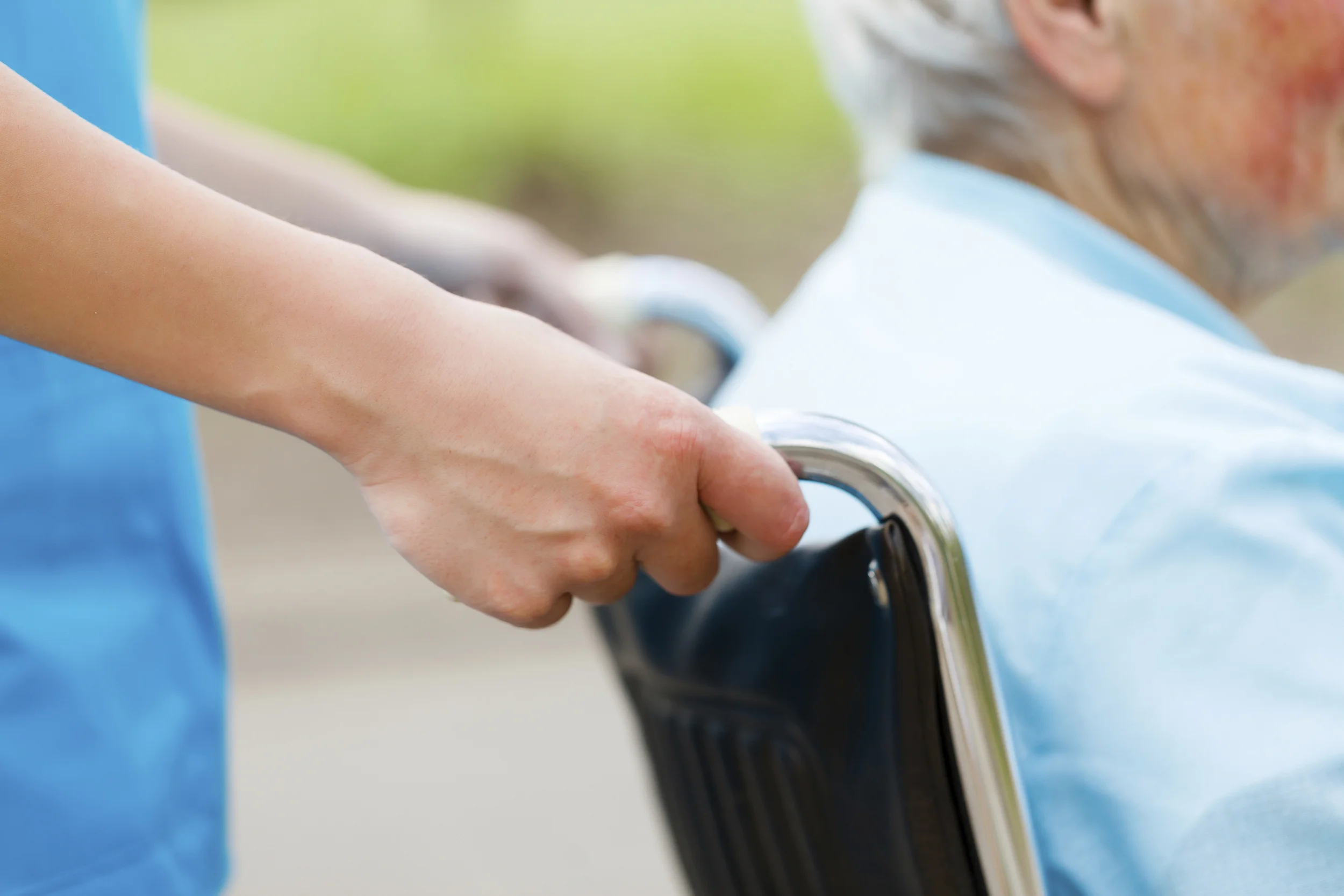
Your mom has always been independent. She insisted on living alone when your father passed away, and you were proud to see how she thrived. But now you’re worried that she needs more help than she realizes, and you’re wondering if maybe it’s time for a change.

8 Signs That a Loved One Should No Longer Live Alone
Your mom has always been independent. She insisted on living alone when your father passed away, and you were proud to see how she thrived. But now you’re worried that she needs more help than she realizes, and you’re wondering if maybe it’s time for a change.
Assisted living facilities can be a great place for elderly people who want to maintain their sense of independence but want to know help is available when needed. Assisted living housing provides personal care support services tailored to the independence level of each person.
But when a loved one takes particular pride in her self-sufficiency, knowing when to intervene can be tricky. Look at the following 10 signs that a loved one should no longer live alone. If more than a few of them sound familiar, it might be time to sit down with your loved one and have a conversation about making a change.
Changes in upkeep
If your parent or loved one has never cared much for keeping house, you don’t need to jump to conclusions just because the bed’s not made. On the other hand, if he or she always kept the kitchen spotless, and now you notice dishes piled up every time you visit, it could be a red flag.
Accidents and close calls
Accidents can be really scary for the elderly, and the scare-factor increases dramatically when the person lives alone. Assess any recent accidents, whether a fall at home or a fender-bender in the neighborhood, and consider not just the damage, but also whether your loved one knew what actions to take. Knowing what to do in an emergency is an important part of living alone.
A worsening chronic health condition
Some medical conditions get worse over time and can hinder self-sufficiency. If it’s Parkinson’s, for example, the shaking will eventually make it difficult for your loved one to perform daily tasks. Symptoms of COPD (coughing, wheezing, shortness of breath) can become severe enough to prevent your loved one from being able to cook, walk, or take care of himself/herself. Keep an eye out for signs that chronic health conditions are worsening.
Missed appointments
We all miss an appointment here and there. We get too busy to make it or we just plain forget. Don’t fault your loved one a single missed hair appointment, but stay alert to recurring absentmindedness and forgetfulness. It may be a sign that it’s time for him or her to live with someone who can help. Forgetfulness can prove especially dangerous when it comes to maintaining a medication schedule.
Messy finances
As with housekeeping, you want to look for change in the area of financial upkeep. No need to worry just because your loved one’s check register isn’t as tidy as yours. But if you notice piles of bills lying unopened, or you see late or past-due notices, you might want to ask about it or look into the matter yourself. Confusion or a lack of concern around bill-paying and other financial matters could be a sign of decreasing self-sufficiency.
Decreased proficiency with important daily tasks
Hygiene. Dressing. Shopping. Laundry. Managing medications. All of these are important tasks for maintaining independence. And while many of them can be addressed by bringing help into the home, in combination with other items on our list, decreased proficiency with these tasks may be a sign that assisted living is a better option for your loved one than living alone.
Signs of forgetfulness around the house
While forgetting to pay a bill or show up to an appointment may be easy to overlook, forgetfulness in the kitchen can be extremely dangerous. Forgetting to turn off a burner can be fatal. Keep an eye out for signs of forgetfulness around the house, such as things placed in bizarre locations (the toothpaste in the kitchen cabinet, the phone in the bathroom drawer). You might want to write them down and keep track of their frequency.
Increased isolation
Active friendships, involvement in hobbies and community events, and time spent pursuing interests are all great signs that a person is thriving and continuing to enjoy life. When a loved one begins to isolate and to hide away, it can have a negative impact on his or her health. Assisted living facilities often organize and provide residents with transportation to activities and events that help keep them socially engaged.
We’re here for you and your loved one
At Bella Vista Health Center, we provide the highest standard of care, so you can rest assured that your loved one is in good hands. Our staff is skilled, compassionate, and committed to serving the needs of each resident. The on-site services we offer, such as beauty and barber, dental, vision, and podiatry care allow your loved one to safely maintain independence and self-sufficiency, if desired. In cases where more assistance is needed, we’re always available. We know you’ll appreciate seeing your loved one involved in the fun social gatherings and outings we organize. Your involvement is always welcome and encouraged.
At Bella Vista, we know how much your loved one means to you, and we’d be honored if you’d consider us in your search.
Test Your Health at Home
Sometimes life throws difficult situations at us. We might fall and break a leg or get in a car accident. Often, we’ll look back and say, “I didn’t see it coming,” or “It just came out of nowhere,” and we’re usually right.
Testing Your Health at Home
Sometimes life throws difficult situations at us. We might fall and break a leg or get in a car accident. Often, we’ll look back and say, “I didn’t see it coming,” or “It just came out of nowhere,” and we’re usually right.
But some things we can see coming – sometimes early enough to prevent or slow future damage. Take a look at the five tests below. Three of them are early warning tests. The results could help you and your doctor get in front of diseases and slow them down. The last two are fitness tests that can show your risk potential for early death or future disability.
Go ahead and give these tests a try. They could make the difference between, “I didn’t see it coming,” and, “I’m glad I caught it early.”
Alzheimer’s disease
When we think Alzheimer’s, we think memory loss, right? Surprisingly, the sense of smell shows signs of dysfunction before anything else. But a diminished sense of smell is also common in normal aging. Peanut butter, however, is one of the few smells that retains potency even with a normal diminished sense of smell. This has allowed researchers to use peanut butter in smell tests to detect possible early warning signs of Alzheimer’s disease. They measured the distance at which participants could smell the peanut butter in the right nostril versus the left.
Test yourself at home
You’ll need a partner for this one. Ask your partner to stand 12 inches away with an open jar of peanut butter. Close your eyes and hold your left nostril closed. Ask your partner to slowly move the jar closer until you can smell the peanut butter. Repeat the process with your right nostril closed.
Participants with early Alzheimer’s detected the smell at a considerably further distance with their right nostril than they did with their left.
If you cannot smell the peanut butter at the same distance with both nostrils, contact your doctor to discuss and rule out treatable conditions that affect the sense of smell.
Dementia
The inability to recognize or name famous faces in midlife has been associated with an increased risk for a form of dementia known as PPA (primary progressive aphasia). PPA is marked by a loss of tissue in the brain’s language centers, and it shows up as the gradual deterioration of communication with others.
Test yourself at home
Grab an entertainment magazine, a pen, and paper. Thumb through the magazine and name the celebrities you recognize. If you don’t recognize them, move on. (If you don’t know who Taylor Swift is, you can’t be expected to know her name just because you see her picture.) For the ones you do recognize, give yourself 2 points for first and last name, 1 point for first or last name, and 0 points for neither.
PPA patients scored less than 50% on a similar test.
If you struggle with this one, ask your doctor for a cognitive evaluation.
Parkinson’s disease
Just like the memory loss associated with Alzheimer’s, Parkinson’s disease is often associated with tremors. But this chronic degenerative disease of the nervous system has other signs. Studies have found that constipation, trouble sleeping, and loss of smell may be early signs of Parkinson’s disease.
Ask yourself these questions:
- Have you been dealing with constipation for a month or more?
- Are you having problems with smelling pungent foods such as garlic?
- Do you thrash around in bed and kick or punch while sleeping?
Answering yes to any one of the above questions is not indicative of a problem. But if you answered yes to all three, talk to your doctor about the possibility of scheduling physical and neurological exams.
Two fitness tests
It’s generally understood that regular exercise is an important part of staying fit and healthy. The following two fitness tests can help determine whether your current fitness program is enough to help keep you out of trouble. Of course, nothing can guarantee that trouble won’t ever find you, but fitness levels usually make a big difference in recovery, too.
Sit down, stand up
How it works:
Sit on the floor, legs crossed. See if you can stand up using as little assistance as possible. Start with 10 points and subtract 1 point for each instance of support assistance. Support includes putting your hands on the floor, pushing up with your knees, or anything other than using your arms to balance yourself.
Why this test matters:
- Muscle strength, coordination, balance, and flexibility are especially important as you age. They can help to prevent the falls that are especially dangerous in later years.
- The difference of just one point is associated with 21 percent lower mortality.
Open that jar
How it works:
Open a tight jar lid. Pick up a full gallon of milk and carry it across the room. Lift a long-handled pan in one hand.
Why this test matters:
- Low grip strength is associated with disability in later life, postoperative complications, and premature death.
- The ability to squeeze things tightly may be as indicative as blood pressure when it comes to predicting heart disease and stroke.
- The more weight you can hold and the longer you can hold them, the better your overall fitness.
If you have trouble standing up from the table or the couch, or if you find it difficult to open jars or grip and carry items, talk with your doctor about a suitable exercise program that can help improve your overall fitness and coordination levels.
Maybe you need rehabilitation
At Bella Vista Health Centers, we know it can be frustrating to take tests like those above when your results aren’t what you want them to be. Because we help to rehabilitate people every day, we also know how exhilarating it can be to make that journey from frustration to confidence to amazing results.
Our skilled, compassionate staff includes nurses, physical therapists, occupational therapists, and other care providers – all dedicated to rehabilitating our clients back to their personal best.
Contact us or drop by our Lemon Grove location.
Let’s work together to get you to optimum health.

7 Ways to Make the Recovery Process Faster
You’ve just had surgery. Maybe it feels too soon to get back on your feet, or maybe you’re anxious to get up and out of the hospital bed. Regardless of how you feel when you’re discharged, it’s important to remember that how you proceed from here will impact your recovery process. The doctors and nurses have done their jobs, and now it’s up to you to give your body what it needs to heal. Let the following seven steps guide you to a better, faster recovery. And Keep in mind that sometimes slowing down is the quickest way to get there.

7 Ways to Make the Recovery Process Faster
You’ve just had surgery. You probably still feel weakness and some pain. But just as you’re starting to get your bearings after the procedure, you’re discharged from the hospital to free up the bed. Maybe it feels too soon to get back on your feet, or maybe you’re anxious to get up and out of the hospital bed. Regardless of how you feel when you’re discharged, it’s important to remember that how you proceed from here will impact your recovery process. The doctors and nurses have done their jobs, and now it’s up to you to give your body what it needs to heal.
Let the following seven steps guide you to a better, faster recovery. And Keep in mind that sometimes slowing down is the quickest way to get there.
Follow Doctor Recommendations and Instructions
Your doctors know what they’re doing, and it’s important that you follow their post-op instructions. Even if you feel strong enough to lift something heavier than they said you should be lifting in the weeks following your operation – don’t. You don’t want to risk a tear or an infection that could prolong your recovery time.
Move around
Similarly, even though it may be painful to move much after your surgery, if your doctor says to get up and walk, do what you can. Moving around helps your blood flow, which in turn helps your wounds heal. It also builds up strength in your muscles. Although it may feel uncomfortable, it can make a big difference in how fast you recover.
Ask for help
One thing that often prolongs the recovery process is trying to do too much too soon. This is especially true for those who are responsible for households, children, or others who need them. While it’s noble to want to care for others, pushing yourself beyond your limits will actually extend your time needed to recover. So ask for help with daily tasks if necessary. Ask for help with the children. For some of us, asking for help is difficult, but think of it this way: Allowing yourself time to recover is the fastest way to get back to your duties.
Eat healthy
When we’re in pain, it’s sometimes comforting to reach for those foods we know we shouldn’t have. But your body needs nutrients to help it through the healing process. Sugary foods (like that jelly donut that sounds so enticing) can lead to increased fatigue, which will do nothing to provide your body with the energy needed to recover. The following healthy foods will give your body what it needs:
- Chicken (the protein is essential to wound-healing and muscle repair)
- Fish and eggs (protein, yes, but also vitamin B-12 and iron, which aid in the formation of new blood cells)
- Yogurt and granola (the fiber and probiotics boost the immune system and keep your digestive system healthy)
- Fruits (because vitamin C is all around great for you).
Pay attention to your pain levels
In the recovery process, it’s vital to understand the difference between discomfort and serious pain. Recovery from surgery is going to be uncomfortable at times, especially as you start to move around and work on gaining strength. But it’s also important to notice and report on pains that feel like they’re getting worse with time. They could point to tears, infections, or other issues that need to be addressed.
Stop smoking
The chemicals found in cigarette smoke change the way your body handles oxygen. Hemoglobin can’t carry as much oxygen when it’s exposed to cigarette smoke. Smoking also makes your blood thicker and your tiny blood vessels narrower. So your tissues that need healing don’t get the oxygen they need. Smoking goes against your body’s recovery efforts.
Seek quality care
Sometimes you need more than just household help as you heal. Let us be of assistance. At Bella Vista Health Center, we’re dedicated to helping our patients recover, recuperate, and rehabilitate. If you need short- or long-term care while you recover, we can provide you with a nurturing environment and a high-level of skilled, compassionate care that will help see you through the healing process.
Give us a call or stop by our Lemon Grove location. We’re here whenever you’re ready.
Why it's Important to Visit Loved Ones in a Nursing Facility
In June 2015, a filmmaker named Evan Briggs began a crowd-funding campaign for her documentary, Present Perfect, a film that “explores the experience of growing up and growing old in America.” Briggs spent a full school year filming at a preschool housed inside a retirement home. The footage of the interactions between the children and the elderly is both touching and powerful.

Why It's Important to Visit Loved Ones in a Nursing Facility
In June 2015, a filmmaker named Evan Briggs began a crowd-funding campaign for her documentary, Present Perfect, a film that “explores the experience of growing up and growing old in America.” Briggs spent a full school year filming at a preschool housed inside a retirement home. The footage of the interactions between the children and the elderly is both touching and powerful.
At Bella Vista Health Center, we deeply appreciate the filmmaker for the work she’s doing to emphasize the importance of our relationship with the elderly. Clearly, many other people feel the same way: The film’s trailer inspired nearly 2000 people to donate over $100,000 to help Briggs see the project through to the end.
You can see the trailer here: http://www.presentperfectfilm.com/
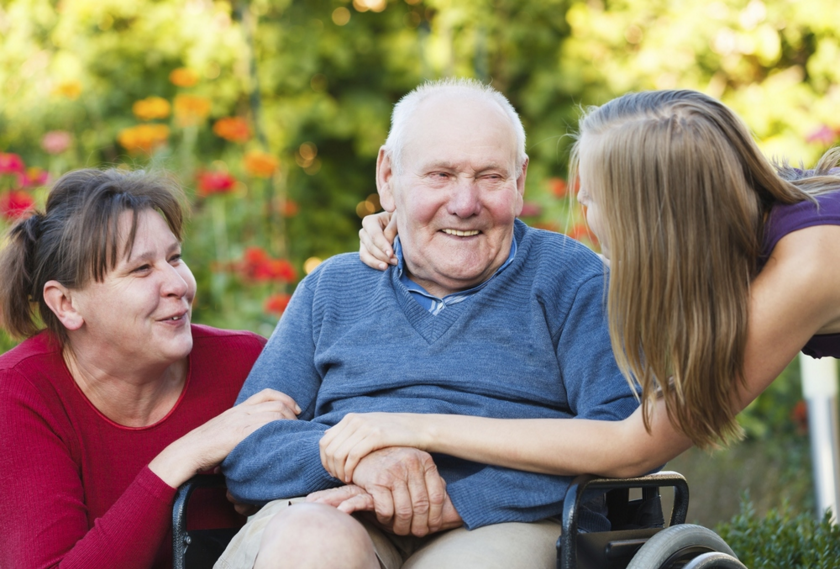
As a nursing care facility, we get to see the impact that family visits have on residents every single day. Those whose families visit them regularly are in much better spirits and tend to seek more social interaction with other residents than those who don’t have visitors. But what’s equally true, and what Briggs’ film also shows, is that the relationship is mutually beneficial.
In other words, your loved one will get a lot out of your visits, and you’ll get a lot out of it, too.
How your visits helps your loved one
- It brightens his day. Your affection and the time you spend visiting reminds your loved one how much you cherish him. Everyone wants to feel cherished.
- It keeps her socially connected. If you plan your visit around social activities happening in the facility, it can help your loved one get to know other residents. And your presence at the Bingo game can also spread love to those who don’t get visitors.
- It gives him something to look forward to. Regularly scheduled visits from family marked on a calendar can serve as a bright spot in your loved one’s week. Just knowing you’re coming in two days can fill him with the joy of anticipation.
- It creates positive memories she can hold dearly. The impact of your visit has a ripple affect. We hear residents talking about last Thursday’s visit from the grandkids on the following Tuesday and beyond.
How your visits help you
- You can stay abreast on her health. The more often you visit, the more you’ll notice subtle changes in attitude, eating habits, and her overall health. This information can help you advocate for her.
- You get the comfort of knowing he is cared for. When you visit your loved one regularly, you get to know the facility’s staff. They get to know you, too. That relationship with the people who care for your loved one can help you sleep well at night.
- You might hear some great stories. You may think you know how wild Aunt Elizabeth was in her youth. Wait ‘til you hear the story about that time she…
- It helps your children to become more worldly and compassionate. Although children may seem nervous their first time at a nursing facility, they’ll warm up when they see how comfortable you are. Regular visits to nursing care facilities (not just one-offs) teach children to interact with people who are different from them. Children also love to help, and a nursing facility is a great place for them to have opportunities to do so. It also introduces your children to the rewarding aspect of cheering someone else up.
We’re lucky.
At Bella Vista Health Center in Lemon Grove, we consider ourselves fortunate to be able to spend so much time with our elderly residents. So many of them are thoughtful, funny, intelligent, wonderfully ornery, joyful, and inspiring. It is our pleasure to serve them.
Are you looking for a residential care facility for a loved one? The caring and compassionate environment at Bella Vista makes it the kind of place you’ll love to visit on a regular basis. Come and see us. We look forward to meeting you and your loved one.