

Bella Vista Health Center Blog


4 steps to recovering from orthopedic surgery
If you have an illness or injury that requires orthopedic surgery, you might assume your aftercare consists only of rest and relaxation. While that might be the case for the first day or so, participating in physical therapy as soon as possible is the best way to restore mobility, strength, and range of motion after your surgery.
If you have an illness or injury that requires orthopedic surgery, you might assume your aftercare consists only of rest and relaxation. While that might be the case for the first day or so, participating in physical therapy as soon as possible is the best way to restore mobility, strength, and range of motion after your surgery.
Whether you’re facing a complete joint replacement or minimally invasive arthroscopic procedure, a physical therapist can assist your recovery after orthopedic surgery through a customized rehabilitation program. After assessing your range of motion and function of the injury site, your physical therapist will craft a plan based on your abilities and goals and guide you through the four primary steps toward rehabilitation:
Step 1: Restoring motion
It’s important to restore motion as soon as possible in order to avoid reinjury or permanent loss of full motion. Rehabilitation is not an easy process, and restoring motion to an area that has been severely weakened by injury or surgery can be challenging and painful. Physical therapists will start the rehabilitation process with gentle assisted exercises such as moving the limb and stretching the soft tissues to relieve tension. Therapists can also employ certain treatments to help with discomfort and pain, such as hot and cold packs, electrical stimulation, and therapeutic ultrasound.
Step 2: Increasing active range of motion
Your active range of motion refers to how far you are able to move your joint. Muscle strength and flexibility are key components to your range of motion, and to help restore it in full, you will need active range of motion exercises. Active range of motion exercises are largely performed by the patient with little assistance from the therapist, and they’re important in order to keep muscles supple and functioning while increasing joint flexibility.
After you meet with your surgeon for a follow-up visit, you might be ready for assisted and active range of motion exercises. Depending on your specific condition, those might include:
Flexibility exercises: static stretching, contracting muscles, using resistance bands
Balance exercises: knee lifts, back kicks, side stepping, stairs, using a balance board
Proprioception exercises: leg presses, squats, lateral movements, exercises with eyes closed to improve sensory collaboration
Cardiorespiratory exercises: aerobics, using a stationary bike, walking, jogging
Exercises for vertigo and dizziness: Epley Maneuver, head tilts, half-somersaults
Some active range of motion exercises might be assigned to you to continue at home in between therapy appointments.
Step 3: Improving strength
Once you have restored your range of motion, you can concentrate on improving your strength around the affected area. Specific exercises may include progressive resistance exercise and lumbar/core strength exercise, and therapy often involves specialized equipment including resistance bands, foam rollers, therapy balls, balance and wobble boards, free weights, and treadmills.
Step 4: Restoring optimal movement
With improved strength and range of motion, the last step in your orthopedic surgery recovery is to restore your optimal movement so you can effectively and efficiently perform daily tasks at home. This fine-tuning of your range of motion and strength might involve occupational therapy, which helps your joints and muscles relearn how to perform simple tasks such as eating, bathing, grooming, housework, and walking up stairs. However, this last step is not necessarily the end of your recovery journey. Some of the exercises learned in physical therapy should be continued at home to keep your body strong and reduce the risk of reinjury.
Benefits of recovering in a skilled nursing facility
Many factors determine how long you will need rehabilitative care following orthopedic surgery, including the severity of your injury and how dedicated you are to completing the therapeutic program. One factor that can make the rehab process smoother and more comfortable is to spend your recovery period at a 5-Star skilled nursing facility. Some of the benefits of staying in a skilled nursing facility for the duration of your rehabilitation include:
Access to a full medical staff 24 hours a day
No need to travel
Comfortable accommodations in quality residential facility
Nutritious meals that can accommodate specific dietary needs
Amenities including concierge services, local transportation, salon and barber services, entertainment, games, and social functions
Focus on overall wellness, not solely physical therapy
Looking for a skilled nursing facility for post-surgery rehab? Call Bella Vista today.
At Bella Vista Health Center, our compassionate team of therapists and medical professionals will customize a treatment plan to meet your individual post-surgery needs while you recover in comfort. Give us a call at (619) 399-7920 to schedule a tour.




Benefits of working in a skilled nursing facility
The healthcare industry is booming. The US Bureau of Labor Statistics projected 1.26 million healthcare job openings per year for 2016 to 2026. And because the number of people over 65 is growing rapidly (from 43 million in 2012 to 84 million by 2050, according to the US Census Bureau), we can continue to expect an abundance of employment opportunities in skilled nursing facilities.
The healthcare industry is booming. The US Bureau of Labor Statistics projected 1.26 million healthcare job openings per year for 2016 to 2026. And because the number of people over 65 is growing rapidly (from 43 million in 2012 to 84 million by 2050, according to the US Census Bureau), we can continue to expect an abundance of employment opportunities in skilled nursing facilities.
Whether you're just setting out and looking for a meaningful career, or you're already well established in the healthcare industry and looking for a change of pace, you may want to consider working in a skilled nursing facility. Here are some of the benefits:
Close bonds with patients
The inpatient population in a skilled nursing facility doesn't turn over as rapidly as in hospitals, which means you get to spend more time with your patients and foster relationships with them and their families. Spending birthdays, holidays, and other celebrations with your patients will deepen your bond with them, which in turn allows you to provide a superior standard of care, as you're able to anticipate their needs.
Healthcare as a team effort
Working as a team can make stressful days more manageable, and collaborative care is known to produce the best results for patients. In a skilled nursing facility, nurses are just one part of the total care package?you'll have the opportunity to work with a wide range of professionals including LPNs, physical, occupational, and speech therapists, dieticians, pharmacists, social workers, and case managers.
Sharpened pharmacology skills
Dispensing medications on a long-term basis provides unique insights, such as troublesome side effects, drug interactions, and dosing errors that might not be as obvious with high patient turnover. And when those insights are shared collaboratively with your colleagues, you might even learn something new that could save a life in the future.
Improved time management skills
Because patients at skilled nursing facilities are assumed to be more medically stable compared to hospital patients, there is usually a higher patient to nurse ratio. That means there's never a dull moment, but it's also an opportunity to hone your time management skills by balancing treatments, check-ups, paperwork, family updates, and more.
Variety of experiences
Skilled nursing facilities are basically a generalized internal medicine unit, with employees encountering a wide variety of diagnoses and treatments every day. Not only does such variety increase your knowledge, experience, and skills, but it also ensures that it's never dull working in a skilled nursing facility.
Join the Bella Vista Health Center team
If you love caring for people and you're looking for a position that offers variety, collaboration, and close bonds with your patients, skilled nursing facility employment might be right for you. At Bella Vista Health Center, we offer short- and long-term rehabilitative care. Our staff is compassionate, highly skilled, and dedicated to the comfort and care of our patient population. If you're interested in joining our team, give us a call at (619) 399-7920 or visit our Careers page to find out more about our current job opportunities.

What are the Benefits of Stroke Rehabilitation Therapy?
Stroke is one of the leading causes of long-term adult disability. Nearly 800,000 Americans suffer from strokes each year. Early recovery and rehabilitation can significantly increase the likelihood of successful recovery from a stroke.
Stroke is one of the leading causes of long-term adult disability. Nearly 800,000 Americans suffer from strokes each year. Early recovery and rehabilitation can significantly increase the likelihood of successful recovery from a stroke. Stroke rehabilitation involves a goal-oriented treatment plan designed to help patients regain lost functioning and restore independence. While each stroke survivor will have a different rehabilitation plan, many include a customized combination of physical, occupational, and speech therapies. Take a look below at some of the main benefits of stroke rehabilitation.
Restores mobility
After a stroke, patients can experience drastic changes in mobility, including weakness or paralysis on one side of the body, stiff or tight muscles, dizziness and other balance problems, and difficulties with planning or coordination, resulting in clumsy or slow movements. Changes in sensation, such as numbness or hypersensitivity, are also common, along with swelling, fatigue, and pain.
Stroke rehabilitation helps patients regain abilities that were lost or impaired by stroke, through specifically prescribed movement and exercises, electrical stimulation, or support from temporary braces. Stroke rehabilitation can also help patients learn how to adapt to permanent disability and use assistive devices such as wheelchairs and walkers.
Maximizes independence in the activities of daily living
Weakness, paralysis, and muscle changes often affect the arms and hands of stroke patients, making it difficult to perform the finer motor functions necessary for eating, dressing, and personal hygiene, the hallmarks of independent living.
As part of the rehabilitative process, stroke patients may practice movement for everyday tasks, with repetition as the key to restored function. Other patients may play video games to help improve coordination. Low-level electrical stimulation can also be used to help strengthen weak muscles. The goal of stroke rehabilitation is help patients regain lost abilities and maximize independence. Sometimes this means learning alternative ways to ways to accomplish daily tasks.
Strengthens communication and cognitive skills
Speech and communication abilities are often damaged after a stroke, due to weakness or paralysis of the muscles in and around the mouth, lips, tongue, and vocal chords. A stroke can also affect both muscle coordination and cognitive abilities such as memory, thinking, and judgment, which means patients not only find difficulty with speaking, reading, and writing, but also with understanding others when they speak or gesture.
A comprehensive, customized speech therapy program can help patients communicate more easily. This may include practice with talking and listening, or using gestures or aids to get a message across. Speech therapy also helps with muscle strength and coordination to improve the speed, rhythm, and accuracy of a patient’s speech.
Supports mental health
It’s common for patients to get discouraged, depressed, or anxious about their progress and limitations following a stroke. Stroke rehabilitation programs sometimes include counseling as part of the overall therapy program, along with support groups and family education, which can help families care for loved ones recovering from a stroke.
Emotional and personality changes are common after a stroke, including exaggerated reactions, emotions out of context, irritability or aggression, and even uninhibited or impulsive behavior. Cognitive behavioral therapy can help, along with with behavioral management training and medication.
Stroke sufferers have a better chance to live a rewarding and meaningful life when they have access to a variety of physical and psychological support.
Stroke rehabilitation at Bella Vista Health Center in San Diego
Stroke rehab can mean the difference between regaining daily independence and remaining severely impaired, so if you or a loved one has recently suffered a stroke, call Bella Vista Health Center in San Diego. The compassionate medical professionals at our five-star skilled nursing facility will develop a customized treatment plan to help you or your loved one achieve greater independence and improved quality of life. To find out more about the programs available, give us a call at (619) 399-7920.

What Is Pulmonary Rehabilitation?
Chronic lung disease can turn simple tasks of daily living into a struggle. Walking, climbing stairs, performing household chores, and even sleeping are often hindered by shortness of breath. Left untreated, chronic lung disease can have a severe impact on your mental health, as well; according to a study by the National Institutes of Health, up to 55% of patients with chronic obstructive pulmonary disease (COPD) develop mental health disorders related to their lung condition.
Chronic lung disease can turn simple tasks of daily living into a struggle. Walking, climbing stairs, performing household chores, and even sleeping are often hindered by shortness of breath. Left untreated, chronic lung disease can have a severe impact on your mental health, as well; according to a study by the National Institutes of Health, up to 55% of patients with chronic obstructive pulmonary disease (COPD) develop mental health disorders related to their lung condition.
To improve your breathing – and your quality of life – your doctor may recommend pulmonary rehabilitation. Pulmonary rehabilitation is a program of education, exercise, and ongoing support designed to help you manage your breathing problems, improve your lung function, and increase your stamina so you can get back to living a full, satisfying life.
Who needs pulmonary rehabilitation?
Anyone with chronic, ongoing lung disease can benefit from pulmonary rehabilitation. This means people with COPD, including emphysema and chronic bronchitis, as well as those with cystic fibrosis or interstitial lung diseases, such as sarcoidosis. People undergoing lung surgery may also use pulmonary rehabilitation to prepare for and recover from the procedure. Whether you’re struggling with the onset of a lung condition or you’re in the more advanced stages, pulmonary rehab can help you breathe easier.
What does pulmonary rehabilitation entail?
Before a course of treatment can begin, your doctor will evaluate your current lung function through a series of breathing tests, as well as a comprehensive physical exam. Once your baseline has been established, a team of healthcare providers will work together to develop a treatment plan that’s customized to your needs.
Pulmonary rehabilitation program plans vary from person to person, but most include the following:
Breathing techniques
Through breathing exercises and one-on-one training, you’ll learn strategies for breathing efficiently and increasing the strength of your breathing muscles.
Exercise sessions
While shortness of breath can impact your ability to exercise, your pulmonary rehabilitation team works with you to gradually build your endurance.
Oxygen administration
Some patients benefit from oxygen therapy during pulmonary rehabilitation. If this is part of your treatment plan, your healthcare providers will help dose you with oxygen and teach you how to make the most of it.
Education
An important part of pulmonary rehabilitation is learning how to manage your illness so you can remain healthy and avoid situations that exacerbate your symptoms. Topics of educational sessions often include nutrition, medication management, and trigger identification.
Counseling
Because of the high correlation between chronic lung disease and mental health disorders, psychological counseling and emotional support groups are built into most pulmonary rehabilitation programs.
What are the benefits of pulmonary rehabilitation?
The most obvious benefit of pulmonary rehabilitation is the improved ability to breathe. Pulmonary rehab helps minimize shortness of breath and increase the oxygen flowing through your body, so you can be participate in—and enjoy—more activities of daily living.
You’ll also likely experience:
Increased exercise stamina
More energy
Reduced symptoms of anxiety or depression
Greater independence
Fewer hospitalizations
Better overall quality of life
Where is pulmonary rehabilitation administered?
Pulmonary rehabilitation is generally offered as an outpatient service in hospitals or clinics, or as an inpatient program in a skilled nursing facility. The rehab team consists of a variety of healthcare professionals, such as doctors, nurses, respiratory therapists, nutritionists, psychologists, and physical therapists, all working together to ensure you get the most out of your treatment.
Bella Vista Health Center offers pulmonary rehabilitation in San Diego
If you’re searching for a reputable, caring pulmonary rehabilitation team, Bella Vista Health Center is here to help. Our five-star skilled nursing facility offers fully customized rehab programs to residents with the goal of getting them back to living happy, healthy, independent lives.
Whether you’re struggling with a chronic condition or an acute illness, Bella Vista can help you breathe better. Call us at (619) 399-7920 for more information about our pulmonary rehabilitation program.

Interesting Facts And Statistics About Strokes
Strokes usually happen “out of the blue,” and when they do, the first few moments are critical. Successful recovery from a stroke often hinges on how quickly the patient can get to a hospital and start receiving treatment.
Strokes usually happen “out of the blue,” and when they do, the first few moments are critical. Successful recovery from a stroke often hinges on how quickly the patient can get to a hospital and start receiving treatment. The more you know about stroke, the more equipped you are to act fast and potentially save a life—or even to prevent a stroke from happening. To help you understand the risks associated with stroke, the warning signs and symptoms, and how to decrease the likelihood of developing a stroke, here are a few essential facts compiled from the American Heart Association and the Centers for Disease Control and Prevention.
Stroke is the fifth leading cause of death in the United States.
Every 40 seconds, someone in the United States has a stroke, and every four minutes, someone dies of a stroke. That adds up to about 795,000 people who have a stroke in this country each year, of which 140,000 end in death.
People of all ages are affected by stroke.
There’s a widespread misconception that stroke only affects the elderly, but the truth is, stroke can happen to anyone, of any age, at any time. Though the risk of having a stroke does increase after the age of 55, nearly a quarter of all stroke-related deaths occur in people under the age of 65.
There’s more than one kind of stroke.
In general, there are three different kinds of stroke:
Transient ischemic attack
Also known as TIA, doctors refer to these as ministrokes. TIAs are caused by temporary blockages to the brain, and although the symptoms may pass quickly, they should be taken seriously, as they’re often warning signs of larger strokes to come.
Ischemic stroke
About 87% of all strokes are ischemic, meaning a blood clot is blocking blood flow to the brain. The blood clot can form in a different part of your body and travel to the brain; these are known as embolic strokes. Thrombotic strokes are when the blood clot forms in a blood vessel in the brain itself.
Hemorrhagic stroke
When a blood vessel in your brain bursts, this is known as a hemorrhagic stroke. When this happens, blood spills into the surrounding tissues, creating swelling and pressure that causes brain damage.
Family history of stroke increases your risk of having one.
If your parent, grandparent, or sibling had a stroke before the age of 65, you may be at a higher risk of having a stroke as well. Other risk factors for stroke include high blood pressure, diabetes, high blood cholesterol, heart disease, and obesity. By abstaining from smoking, getting at least 30 minutes of daily exercise, and eating a diet low in saturated fats, cholesterol, and sodium, you may be able to decrease your overall stroke risk.
Warning signs and symptoms of stroke come on rapidly.
The most common signs of stroke have a sudden onset, including:
Numbness or weakness of the face, arm, or leg, especially on one side of the body
Confusion
Difficulty speaking or comprehending speech
Difficulty seeing in one or both eyes
Trouble walking or maintaining balance
Severe headache
If someone you know exhibits any of these symptoms, it’s crucial to call 911 immediately so they can get the help they need as soon as possible.
Stroke recovery is a lifelong process.
Stroke is a leading cause of long-term disability in the United States, with the initial recovery period often taking weeks, months, or even years. A formal rehabilitation program can jumpstart your healing and help you relearn the critical skills you may have lost. By getting intense, comprehensive care early on, you increase your chances of making a full recovery and returning to a functional, independent life.
Stroke Rehabilitation at Bella Vista Health Center in San Diego
At Bella Vista Health Center, we offer inpatient stroke rehabilitation to help patients regain their independence following a stroke. Our highly skilled and compassionate team of healthcare professionals works with stroke patients in daily, individualized therapy sessions designed to help them recover as many functions as possible. Through stroke speech therapy, occupational therapy, and physical therapy, we aim to help each individual maximize their health, independence, and quality of life.
For more information on our stroke rehabilitation program, call us at (619) 399-7920.
Related articles:
How to Improve Speech After a Stroke
10 Stroke Rehabilitation Exercises

Skilled Nursing Care For Veterans
Veterans of the United States military have spent their lives protecting and serving our nation. It’s important to honor their service by making sure they receive the highest quality care available. For veterans with significant health issues requiring round-the-clock medical supervision, the best choice may be a skilled nursing facility.
Veterans of the United States military have spent their lives protecting and serving our nation. It’s important to honor their service by making sure they receive the highest quality care available. For veterans with significant health issues requiring round-the-clock medical supervision, the best choice may be a skilled nursing facility.
Why veterans might need a skilled nursing facility
Skilled nursing facilities are residential treatment centers that provide specialized care by licensed nurses and other medical professionals in a warm, friendly environment. Whether recovering from a short-term illness or injury, or managing a long-term health condition, there are many benefits to receiving skilled nursing care. Some of the services offered to residents of skilled nursing facilities include:
Rehabilitation
For veterans recuperating from illness, injury, or surgery, skilled nursing facilities offer a restful and supportive place to recover, with on-site support from physical therapists, occupational therapists, and speech therapists who work together to help the patient get back to living independently.
Wound care
Veterans healing from surgery or afflicted with a persistent wound benefit from daily wound care and a range of skilled nursing services that help facilitate the healing process.
Medication management
In a nursing facility, nurses and doctors oversee patient medication schedules to ensure each individual is taking the adequate dosage at all the right times, adjusting as necessary to prioritize recovery, comfort, and wellbeing.
24/7 Supervision
Every patient in a skilled nursing facility receives round-the-clock monitoring of their vital signs, and medical professionals are always available and prepared to help in an emergency or other unexpected situations.
Meals and social activities
Skilled nursing facilities strive to create a welcoming, comfortable atmosphere, serving nutritious and delicious foods and organizing group activities to keep all patients active and engaged.
Skilled nursing care for veterans: you’ve got options
While veterans often qualify for care in a VA skilled nursing home, you likely have other options for skilled nursing care. Many private nursing homes accept a wide range of insurance plans, including Medicaid for those on a limited income. Seniors who need residential care can often take advantage of Medicare coverage, under certain circumstances. And veterans requiring short-term rehab or long-term stays in a skilled nursing facility may also be able to subsidize the costs using a pension benefit called Aid and Attendance.
Aid and Attendance Benefit for Veterans
The VA offers the Aid and Attendance benefit to help older veterans and their surviving spouses pay for skilled nursing care, whether in your own home or in a private-pay facility. Under this benefit, veterans may be eligible for up to $1,794 per month, while their spouses can qualify for up to $1,153 per month. Exact amounts depend on your income and the cost of the nursing care you’re looking to receive.
To qualify for Aid and Attendance, you must meet the following eligibility criteria:
65 years of age or older, or totally disabled
90 days of active duty service, with at least one day during an eligible period of war. Eligible wars include World War II, the Korean conflict, the Vietnam era, or the Persian Gulf War
Require assistance with at least two activities of daily living, such as bathing, eating, or dressing
Must not have been dishonorably discharged
For surviving spouses to qualify, they must have been married to the veteran at the time of their death.
Bella Vista Health Center offers skilled nursing for veterans
As a United States veteran, you cared for our country; now it’s time to let your country care for you. At Bella Vista Health Center, we provide nursing for veterans who need medical care and assistance with day-to-day living in a warm, welcoming, and caring environment. We’re proud to maintain a consistent 5-star rating for excellence in patient care, as determined by the Centers for Medicare and Medicaid Services. With support for both short-term rehabilitation and long-term medical treatment, we’re honored to care for this country’s former service members.
Call us at (619) 399-7920 for more information on our skilled nursing facility in San Diego.

Can Pneumonia Go Away Without Treatment?
Pneumonia is an inflammatory lung infection that causes high fevers, coughing, and shortness of breath. It’s a fairly common condition, but it can also be extremely serious; according to the Centers for Disease Control and Prevention,
Pneumonia is an inflammatory lung infection that causes high fevers, coughing, and shortness of breath. It’s a fairly common condition, but it can also be extremely serious; according to the Centers for Disease Control and Prevention, about one million Americans are hospitalized for pneumonia each year. And of those, the condition proves fatal for approximately 50,000.
It’s important to note that not all pneumonia infections are the same. While some cases of pneumonia require medical intervention, others may go away on their own. Understanding the different causes of pneumonia and how each is most effectively treated will go a long way toward preventing complications and facilitating recovery.
Different types of pneumonia
There are three main types of pneumonia:
Bacterial pneumonia
Bacterial pneumonia can develop on its own or can follow a bout with a cold or flu. While it can strike anyone, at any age, the people at the highest risk of developing bacterial pneumonia are those with weakened immune systems, such as people recovering from surgery or another illness. The most common type of bacterial pneumonia is pneumococcal pneumonia, caused by Streptococcus bacteria.
Viral pneumonia
When a respiratory virus attacks the lungs, this can develop into viral pneumonia. Many cases of viral pneumonia are not serious, but complications can occur when bacteria invade the lungs, compounding the infection. It’s most severe in patients with pre-existing heart or lung conditions.
Mycoplasma pneumonia
Also known as “atypical pneumonia” or “walking pneumonia,” this is the mildest form of the condition. Many people don’t even know they have it, but in some cases, it can be severe and extremely long lasting. Walking pneumonia can affect all age groups, but older adults are the most at-risk of experiencing complications.
Other pneumonia causes include fungus or chemical inhalation, but those are more rare.
Pneumonia treatment options
Treatment for pneumonia depends on the type of pneumonia you’re suffering from, the symptoms you’re experiencing, and any other co-occurring medical conditions you may have. If your case of pneumonia is mild, you may be able to manage your symptoms with at-home treatment. Staying hydrated, getting plenty of rest, and controlling discomfort with acetaminophen or non-steroidal anti-inflammatory drugs (NSAIDs), such as ibuprofen or aspirin, can help you feel better while your body works to clear the infection.
However, if you believe you have pneumonia, you should always see your doctor. Even people with mild cases of pneumonia may need a prescription for antibiotics to fully recover. A doctor can run the appropriate diagnostics to determine whether you need special medication and give you advice on how best to treat your condition.
Complications of pneumonia
Some people, such as older adults or those with compromised immune systems, are at a higher risk of developing complications from pneumonia. Potential complications of pneumonia include:
Respiratory failure, including acute respiratory distress syndrome
Sepsis, a widespread inflammatory condition that can lead to organ failure
Lung abscesses, which occasionally require surgery
Pleural effusion, in which fluid accumulates around the lungs
At-risk patients can reduce the chances of developing complications by treating their pneumonia as early as possible and convalescing in a restful and relaxing environment.
Bella Vista Health Center offers pneumonia treatment in San Diego
At Bella Vista Health Center in San Diego, we can provide you with the support you need to fully focus on your pneumonia recovery. Our pneumonia treatment program includes respiratory therapy and medication management to ease coughs, reduce pain, and make it easier for you to breathe again. By allowing our caring, competent staff to prepare your meals and monitor your progress, you can spend your time resting and allowing your body the time it needs to heal.
For more information on the pneumonia treatment options available at Bella Vista Health Center, call us at (619) 399-7920.

Benefits Of Pulmonary Rehabilitation
If you’re suffering from the effects of poor lung function, pulmonary rehabilitation can help improve your quality of life.

Living with a chronic lung condition, such as chronic obstructive pulmonary disease (COPD), can make simple, everyday tasks seem daunting.
Climbing stairs may leave you breathless and wheezing, short walks can induce fatigue, and persistent coughs and respiratory infections take their toll on both your physical and mental health.
But if you’re suffering from the effects of poor lung function, pulmonary rehabilitation can help improve your quality of life. Pulmonary rehab is a formal program designed to increase your strength, build your stamina, and boost your lung capacity.
During the program, a team of experts, including doctors, nurses, respiratory therapists, and nutritionists, will craft a customized plan to address your health concerns and guide you through exercises and therapies that will allow you to live a more comfortable and independent life.
Completing a pulmonary rehabilitation program can help you:
Breathe easier
The first and most obvious benefit of pulmonary rehab is improved breathing ability. While a rehab program cannot recover your lung function, you will learn to manage your symptoms through medications and breathing techniques, increasing your oxygen levels and relieving your discomfort.
Many people who engage in pulmonary rehabilitation programs report a decrease in wheezing and shortness of breath.
Build endurance
One of the most important aspects of any pulmonary rehab program is exercise. Strength training combined with light cardio can encourage your heart and lungs to work more efficiently.
You’ll learn modifications to exercises to make them more accessible, which can help you establish a routine that you’ll continue after the program is complete.
Develop healthy eating habits
A healthy diet is crucial to sustaining your strength and wellbeing. To that end, a pulmonary rehab center will usually employ nutritionists or dieticians to counsel you on planning meals, avoiding unhealthy foods, and maintaining a proper weight.
Manage your mental health
According to the American Lung Association, people with chronic lung disease have a higher chance of developing mental health conditions, such as anxiety and depression. By improving your breathing, pulmonary rehab can relieve some of the emotional stress related to chronic lung conditions.
Additionally, most programs offer mental health counseling to those patients in need.
Gain valuable knowledge
In pulmonary rehab, you’ll participate in educational sessions about your condition, your body, and your medications.
You’ll learn how to identify symptoms, deal with flare-ups, and when to call for help. If you’re a smoker, you’ll also receive information on how to quit.
Avoid hospital stays
According to a study published by the International Journal of COPD, patients who completed a successful pulmonary rehabilitation program experienced a 54% reduction in the number of days they spent in the hospital, when compared to the previous year.
When patients continued to apply the strategies learned in the program, including maintaining a regular exercise routine, they were able to reduce their overall health care costs and stay out of the hospital.
Stay connected
Suffering from a chronic lung condition that restricts your activity can lead to loneliness and isolation.
Attending a program at a pulmonary rehab center puts you in touch with other people who can offer emotional and social support – not just your expert care providers, but also other patients who understand what you’re going through.
Pulmonary rehabilitation at Bella Vista Health Center in San Diego
At Bella Vista Health Center, we offer pulmonary rehabilitation and respiratory therapy programs to support individuals with a variety of breathing difficulties – from chronic lung diseases, such as COPD or asthma, to acute conditions, such as bronchitis or pneumonia.
If you’re struggling with your lung function, the top-notch staff at our five-star skilled nursing facility can develop a customized treatment plan to help you achieve greater independence and improve your quality of life.
To find out more about the programs available at our pulmonary rehab center, call us at (619) 644-1000.


Signs Your Loved One May Be Having A Stroke
A stroke cuts off blood supply to the brain, either through a blockage or a burst blood vessel. Without a blood supply, your brain cells can die. That’s why it’s extremely important to get immediate treatment.
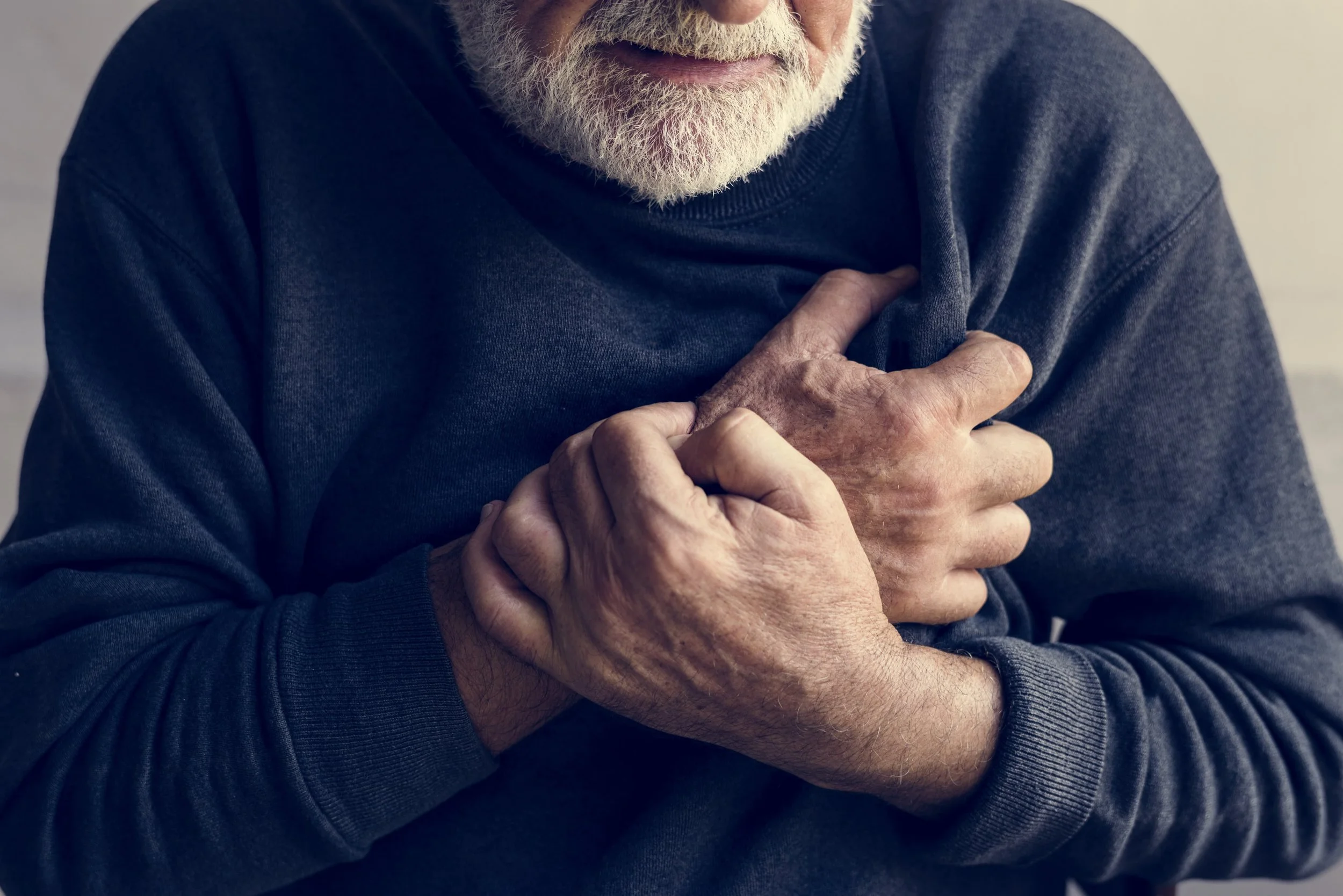
When someone you love is having a stroke, every second counts. According to the Centers for Disease Control and Prevention, stroke is the fifth leading cause of death in the United States.
Over four million Americans who’ve survived a stroke are living with a subsequent disability – and 30% of those affected are permanently disabled.
However, when a stroke is treated quickly, the risk of death, disability, and severe brain damage is greatly reduced.
Familiarize yourself with the signs and symptoms of a stroke, and you may be able to save the life of someone you love.
Signs of a stroke
The National Institute of Neurological Disorders and Stroke has identified these five major signs of a stroke, all of which come on suddenly and unexpectedly:
1. Sudden numbness or weakness
This will generally affect the face, arm, or leg, and will often impact one side more than the other.
2. Sudden confusion
This includes difficulty speaking, trouble understanding what others are saying, or an inability to form a cohesive thought.
3. Sudden trouble seeing
Vision can be affected in one or both eyes.
4. Sudden difficulty walking
Dizziness, loss of balance, or lack of coordination can make it hard to walk.
5. Sudden severe headache
Pain will come on quickly and without a known cause.
What to do if someone is having a stroke
A stroke cuts off blood supply to the brain, either through a blockage or a burst blood vessel. Without a blood supply, your brain cells can die. That’s why it’s extremely important to get immediate treatment.
If you suspect your loved one is having a stroke, you must act quickly. Use the FAST acronym to help you remember what to do:
F: Face. Ask them to smile. Does one side of their face droop?
A: Arms. Ask them to raise both of their arms. Does one arm begin to drift downward?
S: Speech. Ask them to repeat a simple sentence. Do they slur or say the wrong thing?
T: Time. If the answer to any of the questions above is “Yes,” you must act quickly and call 911 right away. Also, note the time that the first symptoms began to occur. The medical team will need to know this information to determine the best course of treatment.
Stroke therapy can help prevent long-term disabilities
For stroke survivors, a comprehensive rehabilitation program is the key to regaining independence - and the sooner stroke rehab begins, the better the chances are for a successful recovery. Treatment plans vary based on individual patient needs, but generally include:
Physical therapy
Exercises and balance training help stroke patients regain motor skills, coordination, and strength.
Occupational therapy
By focusing on the patient’s abilities, therapists identify new ways of performing everyday tasks, encouraging independence and self-care.
Speech therapy
Patients who have speech problems will relearn communication skills, and if necessary, how to swallow again.
Stroke rehabilitation begins at Bella Vista Health Center in San Diego
With a coveted five-star rating, Bella Vista Health Center is one of the best stroke rehabilitation centers in San Diego.
We offer customized treatment plans with daily therapy from our experienced physical, occupational, and speech therapists, while coordinating care from in-house doctors and nursing staff.
Our goal is to help each of our patients regain their strength and live as independently as possible.
If your loved one has suffered a stroke, call us at (619) 644-1000 to find out more about our stroke rehab program.


Choosing The Right Stroke Rehab Facility
The goal of stroke rehabilitation is to help patients get back to living full, self-sufficient lives.

Your brain controls so much of what you do, how you act, and who you are. Every thought you have and every movement you make originates in your brain cells. That’s why strokes can be so devastating: when blood flow is cut off to a section of your brain, the affected brain cells die, and the thoughts, actions, and movements controlled by those brain cells are lost.
However, it’s possible to rebuild your strength, relearn your skills, and regain your independence after a stroke with the help of a reputable stroke rehabilitation program. Choosing an inpatient stroke rehab facility can be overwhelming, but to ensure a thorough recovery, it’s crucial to spend some time researching programs to find the one that’s right for you.
What is a stroke rehabilitation program?
The goal of stroke rehabilitation is to help patients get back to living full, self-sufficient lives. This requires a team of health experts coordinating care across a range of disciplines, with doctors and therapists communicating frequently to ensure the best possible treatment plan. Through directed, repetitive practice, as well as the use of assistive devices and modified routines, patients gradually achieve independence, all under careful medical supervision.
Factors to consider when choosing a stroke rehab facility
Stroke rehabilitation is an ongoing process that’s different for every patient. Depending on the type and severity of stroke you’ve experienced, a rehab program could last as little as two weeks, or it could involve working with specialists for months, or even years. It’s important to keep your specific circumstances and condition in mind when choosing a stroke rehab facility.
Here are some of the most important factors to consider when making your choice:
Available services
Most stroke rehabilitation facilities will offer a wide array of therapeutic services, and daily therapy sessions will be included with any program. At a minimum, the facility should offer onsite stroke rehabilitation exercises through physical therapy, occupational therapy, and speech therapy. Mental health and social services are also important aspects of recovery, as well as skilled nursing care and round-the-clock medical supervision. Before choosing a rehab facility, check to make sure they provide comprehensive, individualized treatment plans.
Staff members
An effective stroke rehabilitation team consists of experienced and highly skilled staff members, such as:
Doctors, including physiatrists and neurologists
Nurses
Physical therapists
Occupational therapists
Speech language pathologists
Psychiatrists
Dieticians
Generally, facilities will also have a case manager for each patient, to coordinate their services and help them plan for aftercare.
Certification
The Center for Medicare and Medicaid Services (CMS) maintains a rating system for skilled nursing facilities and stroke rehabilitation centers. The rating is determined by health inspection reports, staffing ratios, and other quality measures regarding how well the facility meets patients’ needs. When researching stroke rehab facilities, check their CMS ratings; a five-star nursing facility is considered to be extremely high quality.
Payment options
The expenses associated with stroke rehabilitation can add up quickly. Not all services will be covered by all insurance plans, and treatments are often limited by time constraints. Medicare, for example, will usually only cover up to 90 days in an inpatient stroke rehab facility. Investigate insurance options and payment plans for all prospective facilities to make sure you can afford the associated costs.
Bella Vista Health Center offers stroke rehab in San Diego
The period following a stroke is a critical time, and getting the right rehabilitative care is crucial to long-term health and independence. If you’re looking for high-quality stroke rehab in San Diego, Bella Vista Health Center is a 5-star skilled nursing facility with a dedicated stroke rehabilitation program. Our caring and competent doctors, nurses, and therapists work together to help each patient achieve their goals of getting healthy and achieving independence.
Call us at (619) 644-1000 for more information about our program.