

Bella Vista Health Center Blog


How To Support Someone In Skilled Nursing
After an illness, injury, or surgical procedure, a patient may be referred to a skilled nursing facility for a period of focused recovery and rehabilitation.

After an illness, injury, or surgical procedure, a patient may be referred to a skilled nursing facility for a period of focused recovery and rehabilitation. At skilled nursing facilities, a team of experienced doctors, nurses, and therapists provide round-the-clock medical care. But to promote healing, it’s important to address the patient’s mental, spiritual, and emotional health, as well.
Friends and family play a significant role during the recovery process. If you have a loved one staying in a skilled nursing care facility, your support can help improve their spirits, which will in turn improve their chances for long-term health and happiness. Here are a few tips on how you can show support for someone in skilled nursing.
Visit regularly.
Spending time with your loved one while they’re in a residential care center is probably the most effective way to show your support. All skilled nursing facilities have designated visiting hours for friends and family. Schedule your visits ahead of time so your loved one will have something to look forward to. When you show up, remain positive and encouraging, and remind them of how important they are to you.
Take advantage of technology.
Unfortunately, between hectic schedules and long distances, it’s not always possible to make in-person visits. But you can still conduct regular “virtual” visits, via Skype, FaceTime, or Google Hangouts. While it’s not quite the same as being able to hold your loved one’s hand, you can still maintain communication and keep them connected to the world outside the skilled nursing facility.
Share a meal.
Communal eating is an essential daily ritual, and an important way to build relationships and establish a sense of normalcy. Consider joining your loved one for a midweek dinner or a Sunday brunch. Most skilled nursing facilities offer delicious and nutritious dining options, but depending on your loved one’s dietary restrictions, you may also be able to bring one of their favorite dishes from home.
Encourage socializing.
Maintaining social connections is crucial to mental health. Feelings of isolation and loneliness can lead to stress, depression, and reduced immunity, all of which impede the recovery process. That’s why many skilled nursing facilities offer a variety of amenities and activities, including group outings, fitness classes, creative pursuits, games, and celebrations. Review the schedule of events with your loved one and encourage them to participate. If possible, attend some of the activities yourself.
Create familiar surroundings.
While skilled nursing facilities provide a nurturing and compassionate environment, the unfamiliarity may be upsetting at first. To help make your loved one feel more comfortable, try bringing in items to remind them of their home. Photos of family members or special trinkets strategically placed around their room can provide reassurance, and a favorite pillow or blanket can make their bed a more restful place to be.
Listen.
The transition to a skilled nursing facility is sometimes stressful. Your loved one may experience fear, anger, or frustration, especially in the beginning. It’s important to listen to their grievances without judgment. Provide an empathetic ear and let them know you’re there for them during this stressful period of their lives. Sometimes, just knowing someone who cares is listening will provide comfort and alleviate concern.
Bella Vista Health Center provides skilled nursing care in San Diego
If your loved one is in need of skilled nursing care, you’ve come to the right place. Bella Vista Health Center provides a caring and compassionate environment and top-notch medical care. We take a holistic approach to healing and customize treatment plans to address the specific needs of each patient. With a variety of rehabilitative programs, special amenities, and a full schedule of activities, your loved one will have a comfortable, therapeutic, and enjoyable stay at Bella Vista.
Call us at (619) 644-1000 to schedule a tour of our 5-star skilled nursing facility.





Skilled Nursing Facility vs. Inpatient Rehab
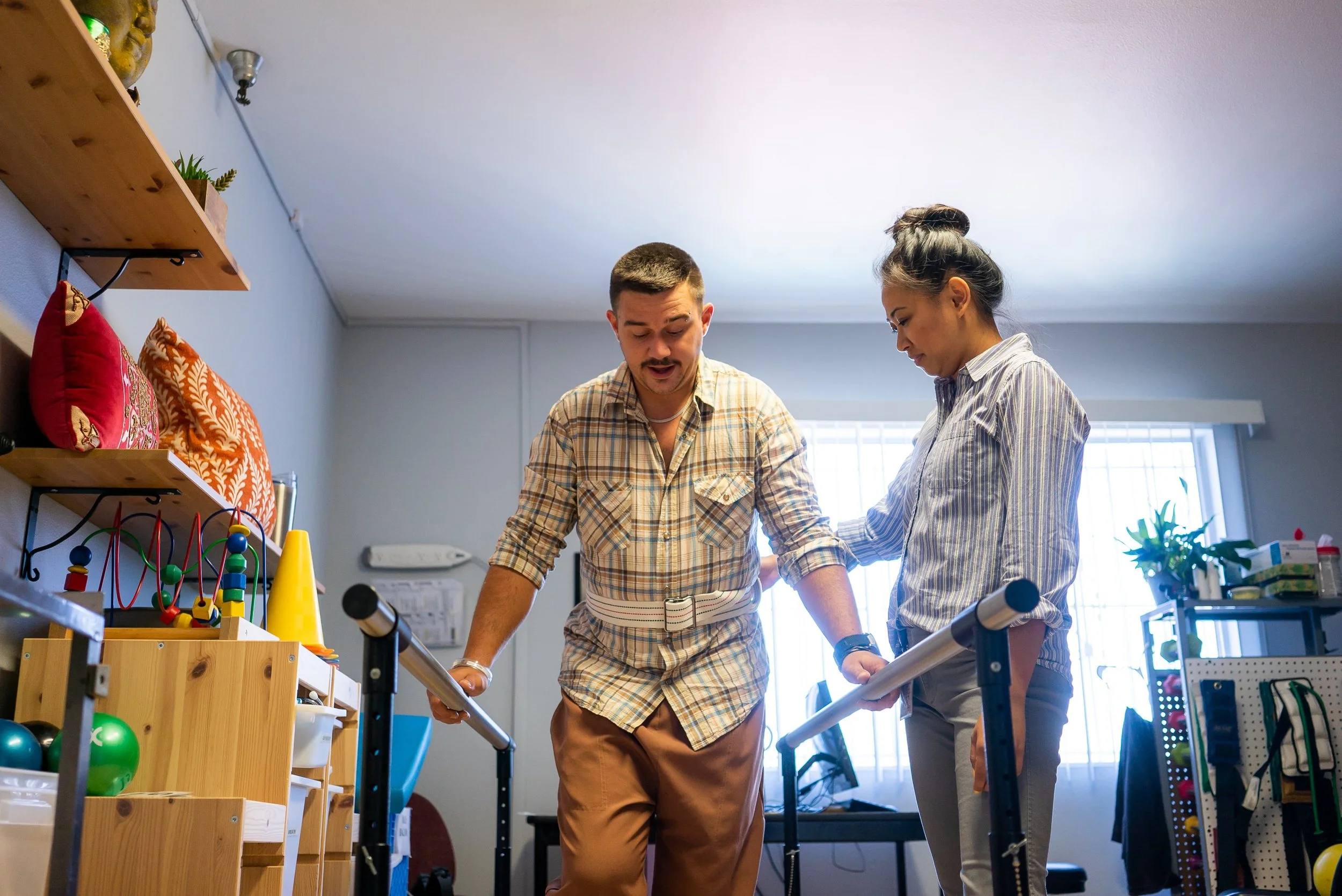
It’s easy to see why people get confused when comparing IRFs and SNFs. Both inpatient rehab facilities and skilled nursing facilities focus on rehabilitative and recuperative care.
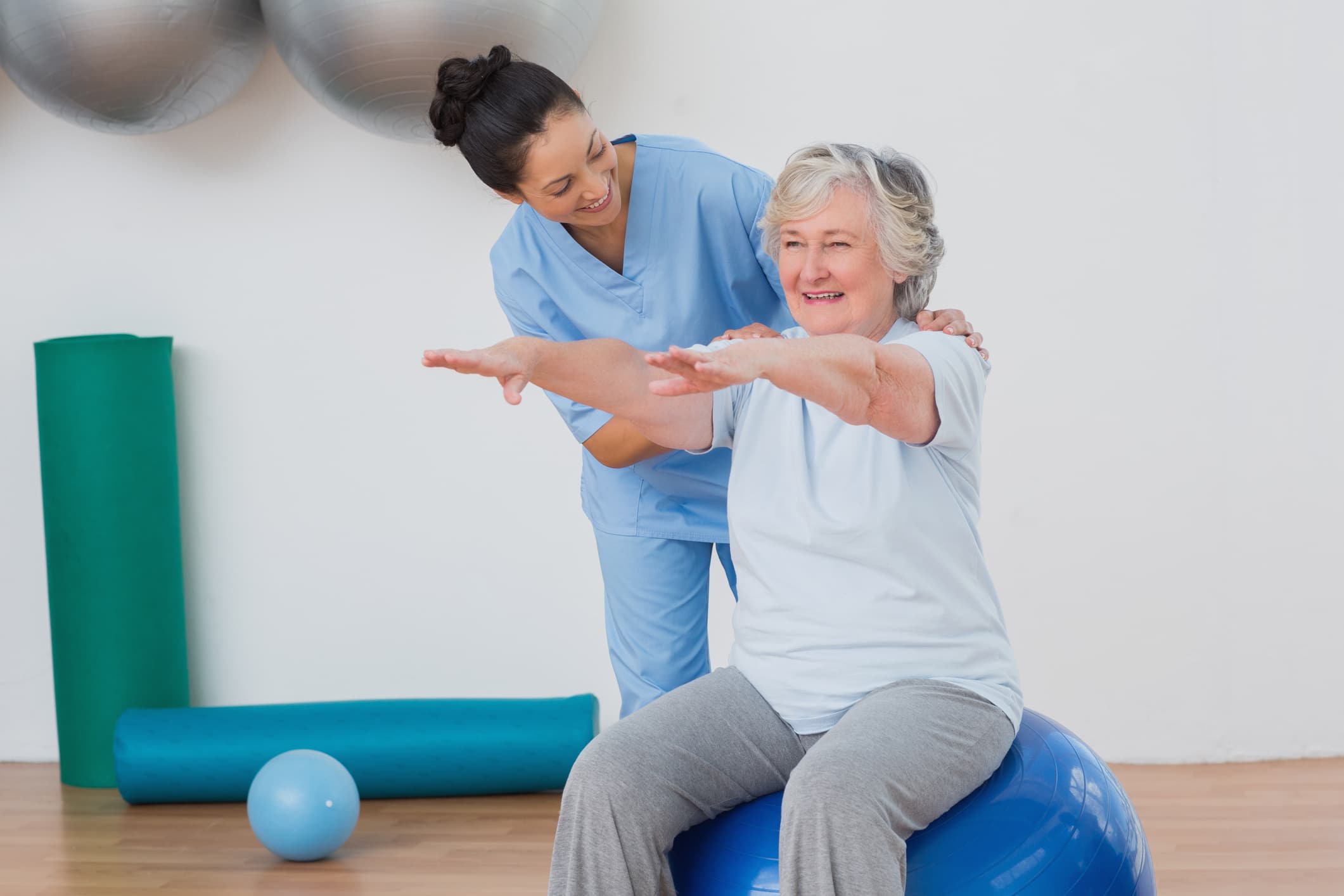
When a person suffers from a stroke, a traumatic injury, or a debilitating disease, a high-quality rehabilitation program makes all the difference when it comes to restoring function and helping the patient achieve optimal health. But choosing a rehabilitation facility can be daunting and confusing. In order to determine the best option for the patient, it’s important to understand what each type of facility offers. Below, we provide some information on the similarities and differences between inpatient rehab facilities (IRF) and skilled nursing facilities (SNF).
Skilled Nursing Facility vs. Inpatient Rehabilitation
It’s easy to see why people get confused when comparing IRFs and SNFs. Both inpatient rehab facilities and skilled nursing facilities focus on rehabilitative and recuperative care with the goal of helping patients to restore maximum function and regain their independence. Both types of facilities offer:
Rehabilitation nursing
Rehabilitation therapies (physical, occupational, and speech)
Audiology
Prosthetics
Orthotics
Social and psychological services
Although both IRFs and SNFs offer a team approach to care, they differ mainly in the intensity of their programs and therapeutic services. The easiest way to think of it is in terms of acute care versus subacute care. An inpatient rehab facility offers acute care for those who need a higher level of rehabilitation following traumatic injuries and surgeries such as amputations. Patients in need of an IRF receive daily rehabilitative therapies, for at least three hours a day up to six days a week.
Skilled nursing facilities, on the other hand, offer subacute rehabilitation, which are similar but less intensive than the therapies provided at an IRF. For example, a patient at an SNF may only meet with their occupational or respiratory therapist three times a week for an hour or so per session. A patient at an IRF will sometimes move to a skilled nursing facility once they no longer require the acute care offered at the IRF but are still not ready to return home.
Does Medicare coverage differ at an inpatient rehab vs a skilled nursing facility?
Medicare coverage does differ between the two facilities. Although it’s important to discuss the details of each person’s coverage individually, there are some general rules that may apply:
Typically, Medicare pays for 90 days per stretch in an inpatient rehab facility, with the first 60 fully covered.
An IRF requires no pre-qualifying hospital stay for Medicare coverage.
In a skilled nursing facility, Medicare pays for 100 days per stretch, with the first 20 days fully paid for under certain conditions.
An SNF requires a 3-day pre-qualifying hospital stay for Medicare coverage.
There are other criteria and requirements for Medicare coverage, and it’s important for each individual to discuss the particulars of their case with their insurance provider or a Medicare service representative.
Bella Vista provides subacute rehabilitation in San Diego
For patients who have transitioned out of the hospital or other acute rehab facilities but are not yet ready to return home, Bella Vista offers a comfortable, therapeutic environment and a wide range of subacute rehab services. Each patient at Bella Vista receives high-quality care from a team of providers dedicated to helping them reach optimal levels of independence in the shortest time possible. For more information on our programs and services, give us a call at 619-644-1000 or stop by and see us in Lemon Grove today.


Facts about Skilled Nursing Facilities
In addition to providing follow-up care for patients leaving the hospital, skilled nursing facilities also provide long-term care for patients with ongoing medical conditions that require round-the-clock care. Here are some facts about skilled nursing facilities:

Years ago, people who were hospitalized were typically only discharged after they fully recovered, but policies and practices have changed. Now, while some hospital patients go directly home to recuperate, others require a more involved recovery program. In these cases, patients are transferred to skilled nursing facilities.
In addition to providing follow-up care for patients leaving the hospital, skilled nursing facilities also provide long-term care for patients with ongoing medical conditions that require round-the-clock care. This is where some confusion arises about skilled nursing facilities particularly in comparison to nursing homes and assisted living facilities. To help set the record straight, here are some facts about skilled nursing facilities:
What is skilled nursing care?
Skilled nursing care is a high level of medical care provided by trained professionals, including doctors, registered nurses, and physical, speech, and occupational therapists. These services are available for short-term rehabilitation from an illness or injury, or long-term for patients who need frequent medical and custodial care. Skilled nursing care addresses:
General wound care: cleaning wounds and administering antibiotics for infection
Acute medical conditions: medical care for illnesses, infections, or injuries that threatens the patient’s health
General rehabilitation: speech therapy, physical therapy, and occupational therapy and other services to help patients recover after an extended illness or operation
Custodial care: helping patients with needs like bathing, dressing and eating.
Stroke recovery: rehabilitation therapy to help patients regain motor skills and speech functions
Parkinson’s disease care: specific care required for advanced Parkinson’s cases
Terminal illness care: services for people living with terminal illness and requiring custodial care and medical care
Who needs skilled nursing care?
Patients might need short-term skilled nursing care if they don’t have enough help at home to recover after hospitalization, or if they have surgical wounds that require frequent attention. Short-term skilled nursing care is also ideal for patients who need physical, occupational, or speech therapy following surgery or an illness. Long-term skilled nursing care is needed when residents have chronic medical conditions that need constant monitoring and treatment.
What is the difference between skilled nursing facilities and nursing homes?
Nursing homes are long-term care facilities for people, usually senior citizens, who need round-the-clock supervision, but the care provided is more custodial in nature than medical. Some of the daily activities or services provided include helping patients in and out of bed, bathing, dressing, using the bathroom, eating, and minor medical care such as help with medications. Their range of care is limited.
Skilled nursing facilities provide care by medical doctors, registered nurses, and licensed therapists. They also offer pharmaceutical, laboratory, and radiology services. Skilled nursing facilities provide a full spectrum of services for those in need of both short- and long-term care.
What is the difference between skilled nursing facilities and assisted living facilities?
Assisted living facilities usually have a nurse or other medical professional on staff, but the facilities are geared toward senior citizens who are able to maintain independence and care for themselves, with limited medical assistance.
Skilled nursing facilities, on the other hand, are equipped to provide services for those who maintain a high level of independence as well as those who need a higher level of care. Skilled nursing facilities also provide both short- and long-term medical care for patients recovering from injuries or illnesses, whereas assisted living facilities focus mainly on assistance with daily activities.
What amenities are offered at skilled nursing facilities?
One common myth about skilled nursing facilities is that they provide medical care and little else in the way of amenities. But this is just not true. Many skilled nursing facilities operate with the clear understanding that recovery works best when short- and long-term care serves the mind, body and spirit. At Bella Vista Health Center, we offer a variety of fun activities such as live music and group outings, plus yoga and meditation, salon services, and free concierge service for our residents. We also help residents with social services, dental and vision services, and discharge planning if needed.
Let us care for you
If you are seeking a skilled nursing facility in San Diego, you’ve come to the right place. At Bella Vista Health Center, we’re dedicated to creating a warm, welcome environment in our newly remodeled 5-star facility where all our patients feel comfortable and cared for. Our recovery programs are customized to each individual patient, and we do everything we can to ensure the highest possible quality of life for everyone who comes through our doors. To learn more about our services or schedule a tour, call us today at (619) 644-1000 or fill out our form fill.