
Bella Vista Health Center Blog

Tips For Reverse Shoulder Replacement Rehab
Like any joint replacement surgery, rehabilitation is a key to the success of the reverse shoulder replacement. Learn more here.

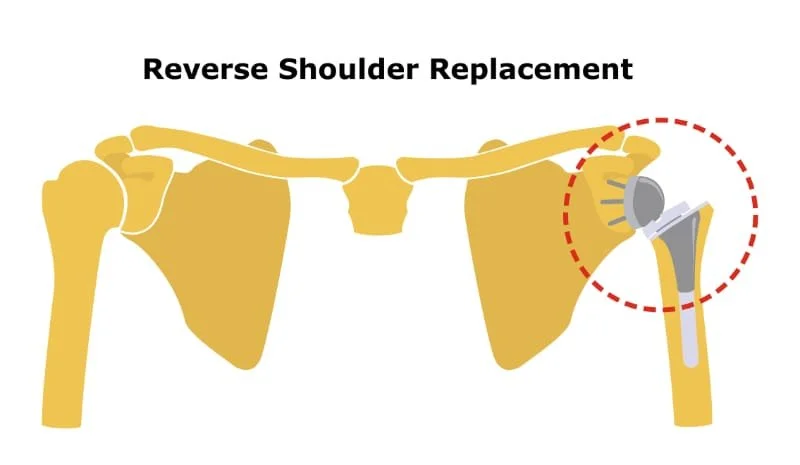
Total shoulder replacement surgery helps to reduce pain and restore function and range of motion for people who suffer from painful shoulder arthritis. The surgery has a high success rate, but it doesn’t provide sufficient relief for those who have developed “cuff tear arthropathy,” a degenerative arthritis of the shoulder resulting from a large rotator cuff tear. A conventional shoulder replacement is designed to work only if the rotator cuff tendons are intact, but for individuals with cuff tear arthropathy, those muscles no longer function properly. A reverse shoulder replacement is a better option for those with cuff tear arthropathy because it relies on the deltoid muscle instead of the rotator cuff to power the arm. Like any joint replacement surgery, rehabilitation is a key to the success of the reverse shoulder replacement.
Rehabilitation for reverse shoulder replacement
Rehabilitation for reverse shoulder replacement should begin immediately after surgery. Ice or heat therapy can help manage pain swelling, and manual joint range-of-motion techniques done by the physical therapist can help stimulate circulation and promote healing. A sling must be worn to minimize the movement of your healing arm while providing support.
The goal of rehabilitation during the first 6 weeks following shoulder replacement surgery is to protect the surgical wound, minimize pain, reduce swelling, maintain active range of motion in the elbow hand and wrist, and gradually increase passive range of motion in the shoulder.
Exercises during the early postoperative period may include:
Elbow bends
Hand squeezes
Pendulums - Hold onto a chair, table or bed. Bend forward and let your arm hang loosely toward the ground. Shift your hips gently side to side so the arm swings like an elephant’s trunk.
The next phase of rehabilitation, weeks 6-12, typically involves continued management of pain and swelling as well as stretching and strengthening exercises to gently increase range of motion and restore strength to the muscles around the shoulder joint.
Exercises during this phase may include:
Shoulder flexion - Lie on your back. Hold a stick in both hands. Raise your arms up and overhead. In the earlier weeks, your physical therapist may instruct you to use your healthy arm to raise your operated arm up and overhead.
Scap retraction - With your spine in a neutral position, squeeze your shoulder blades together without allowing your shoulders to shrug upward.
Back towel stretch - Grasp a towel in both hands. Put the operated hand behind your back and use the healthy arm to gently pull the operated arm upward.
Around the 3-month mark, your treatment plan should include strengthening exercises to help you progress to your specific goals, whether that means gardening, swimming, golfing, or holding your grandchildren.
Tips for reverse shoulder replacement rehabilitation recovery
Achieving complete recovery after a shoulder replacement surgery can take 6 months to a year, but by following these tips, you can help speed the process along and get back to doing the things you love—pain free!
Take time to rest and recover
Sleep carefully
Wear your sling as instructed by your surgeon and physical therapist
Start rehab as soon as possible
Follow your rehabilitation plan carefully
Stay consistent with your exercises
A successful recovery also depends on the quality of your rehabilitation team and the consistency of your communication with them. The more you put into your reverse shoulder replacement rehabilitation, the more you’ll get out of it.
Joint replacement rehabilitation in San Diego
If you or someone you love has undergone shoulder replacement surgery, or if you’re planning ahead for a future joint replacement surgery, Bella Vista Health Center is here to provide a safe transition from hospital to home. Our total joint replacement therapy rehab program provides customized treatment plans designed to empower each patient and rehabilitate them back to their personal best. For more information on our rehabilitation programs, or to schedule a tour of our 5-Star Skilled Nursing Facility in Lemon Grove, give us a call at (619) 644-1000 today.


Rehab After Surgery: Why You Need It To Recover
The goal of rehab after surgery is to get you back on your feet, so you can continue living a healthy and independent life.
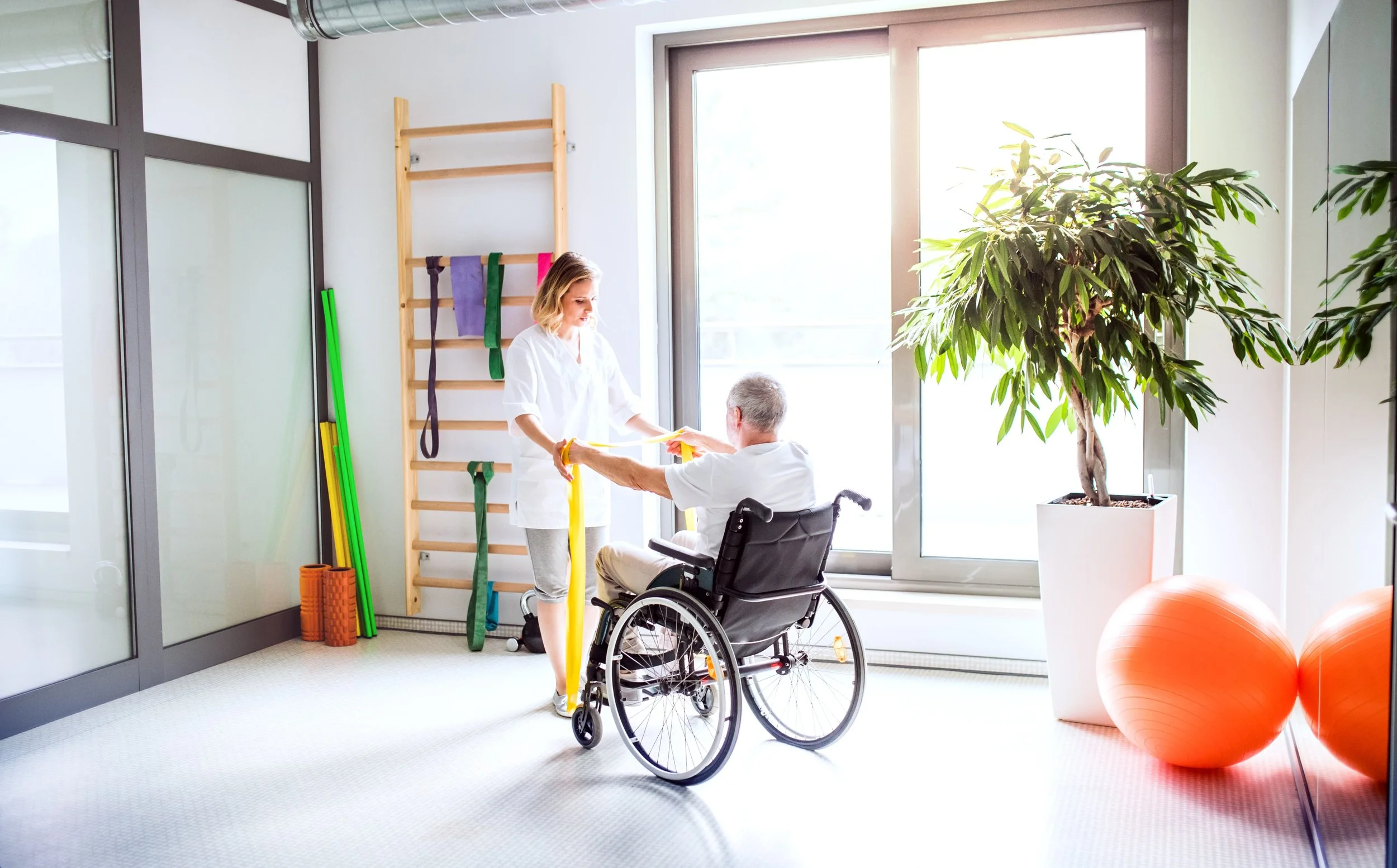
When you’re discharged from the hospital after surgery, you may be eager to go home right away and resume business as usual. Unfortunately, it’s not always that simple.
To get back to your normal, everyday life, you may need to take part in a rehabilitation program involving a variety of therapies, exercises, and medications. And though you may be tempted to skip it, doing so could cause injury, illness, or unnecessary pain.
The Goal of Post-Surgery Rehab
The success of a surgery depends largely upon how well you take care of yourself during your recovery period – and this is especially true for older adults. It can be easy to overexert yourself, or to experience atrophy from remaining inactive.
Post Rehab is about striking the balance between rest and exertion so you can regain your strength while simultaneously allowing your body to heal. The goal of rehab after surgery is to get you back on your feet, so you can continue living a healthy and independent life.
Types of Rehab
Depending on the type of surgery you’ve had, you may require a combination of different types of rehabilitative services. Some of the most common after-surgery rehab programs include:
Physical therapy
After a knee replacement surgery or hip replacement surgery, you’ll need to build up the strength in the muscles surrounding your joint. Through rehab exercises after surgery, mobility training, and therapeutic treatment, a physical therapist can help improve your range of motion and ease pain and swelling.
Occupational therapy
You may find it difficult to perform certain tasks after surgery, such as walking, climbing the stairs, caring for pets, or doing housework. With occupational therapy, you can learn to modify your environment and activities to comfortably return to your everyday life.
Speech therapy
Surgery of the head or neck can significantly impact your ability to communicate. Intensive speech and language therapy sessions can help to resolve issues with speech, cognition, voice, and swallowing.
Pulmonary rehabilitation
For patients who’ve undergone lung surgery, pulmonary rehabilitation is often necessary to recover lung function and improve breathing. With the help of respiratory therapists, you can learn breathing strategies and exercise modifications to build endurance and increase oxygen levels in your blood.
Benefits of Short-Term Rehab After Surgery
One of the biggest mistakes you can make after surgery is to push yourself too far, too fast. To ensure a complete recovery in a safe and supportive environment, many older adults choose to pursue treatment in after surgery rehab centers.
There are many advantages to staying in a residential health center during your post-surgery period, such as:
Decreased risk of injury
Staying in a comfortable and nurturing environment with a full staff of health and wellness providers enables you to take it easy, while others take care of your needs. Without worrying about the minutiae of daily living, you’re less likely to push yourself beyond your limits, thereby reducing your risk of injury, and potentially speeding up your recovery.
Round-the-clock care
After surgery, you may experience pain or infection, or may need someone to tend to your wounds. In short-term rehab, registered nurses are available to monitor symptoms, administer medication, and address your health concerns, 24 hours a day.
Emotional support
Undergoing a major surgery can be both mentally and emotionally draining. After-surgery rehab centers employ psychiatrists and counselors who can help you work through this difficult time.
Meal preparation
Without proper food and fluids, your body won’t have the fuel it needs to heal. At a residential rehab center, delicious food is prepared in conjunction with a registered dietician to ensure you’re staying adequately hydrated and eating a nutritious diet.
Bella Vista Health offers post-surgery rehab
If you or a loved one is scheduled to undergo surgery in San Diego, consider spending your recovery period at Bella Vista Health Center. As a 5-star skilled nursing facility, we offer both long-term and short-term rehabilitative services, and our team will customize a treatment plan to meet your specific post-surgery needs.
Call us at (619) 644-1000 and let us help ease your transition from hospital to home and optimize your wellness so you can get back to doing the things you love.