

Bella Vista Health Center Blog


Recovering from Pneumonia | What to Expect
Pneumonia recovery can be a difficult time, and we’re dedicated to providing high quality medical care in a supportive and healing environment so you can heal and return home in good health. learn more here about recovering from pneumonia and what to expect.
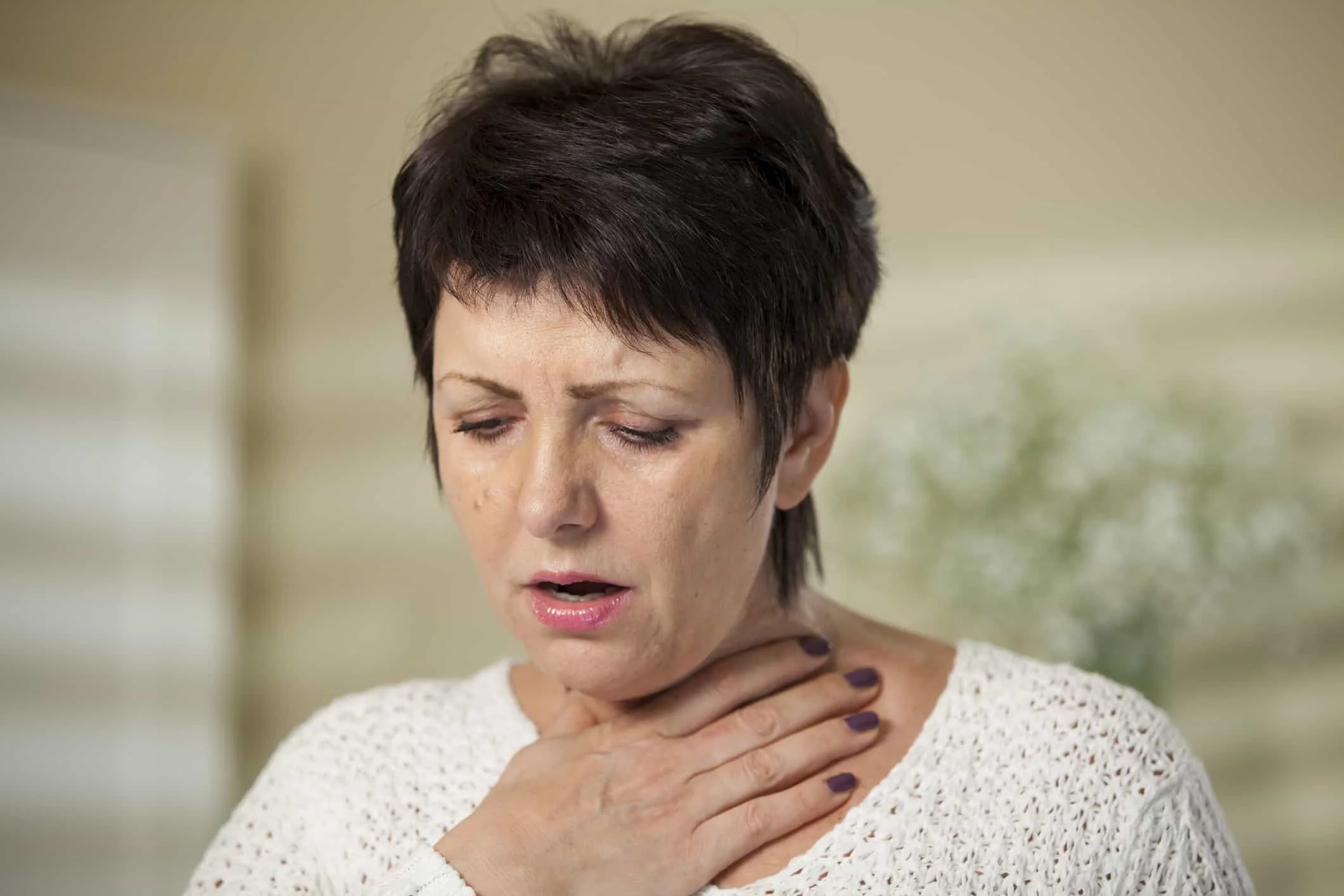
Pneumonia Occupational Therapy at Bella Vista Health Center
Many people recovering from pneumonia continue to feel exhaustion and general fatigue for weeks afterward, which affects their ability to perform simple tasks and live independently at home. Occupational therapy places a unique and immediate focus on a patient’s functional and social needs, decreasing the likelihood of hospital readmission.
As part of the overall rehabilitation process, patients recovering from pneumonia receive occupational therapy to help them perform daily tasks such as:
Bathing
Dressing
Grooming
Dental hygiene
Eating
Using the restroom
Opening medication containers
Occupational therapists are equipped to assess cognition and physical ability to determine whether sufficient progress has been made for the patient to return to full independence, or if they require additional rehabilitation or nursing care. Therapists will also consider concurrent disabilities that require assistive devices, if necessary, and incorporate the devices in therapy modules.
How long does it take for lungs to heal from pneumonia?
The severity and recovery time for pneumonia is different for everyone, but it can take anywhere from one week to six months. Pneumonia takes a toll on the immune system, and the longer it sticks around, the higher the risk of complications with pre-existing conditions—and the development of new ones. As your body’s immune system works hard to fight the infection in the lungs, it diverts energy away from other conditions, further complicating the recovery process. People in good health tend to recover from pneumonia more quickly than those with medical underlying medical conditions.
Do you ever fully recover from pneumonia?
Most people do recover fully, but even when pneumonia treatment is successful, it can result in long-term consequences. As people age, their immune systems weaken, leaving them more vulnerable to lung-related conditions that can develop into pneumonia. In older adults, long-term consequences of pneumonia may include cognitive decline, cardiovascular disease, and decreases in kidney function. Additionally, older adults are more likely to have chronic conditions that put them at risk for malnutrition, which can hinder the recovery process. Proper nutrition is an important part of recovering from any injury or illness, including pneumonia. The quality of care an individual receives while recovering from pneumonia can have a significant impact on their recovery.
How to regain strength after pneumonia
Pneumonia weakens both the immune system and the structures of the respiratory system, often making recovery a long, slow process. In most cases, with ample rest and proper nutrition, the immune system will recover in its own time, and strength will return to the body. In order to help this process along and restore strength after pneumonia, it’s important to:
Take it easy
Nap often
Drink plenty of water
Take all prescribed medications, including the full cycle of antibiotics
Avoid cough suppressants (allow yourself to cough it out)
Eat healthy, immune-boosting foods:
Citrus fruits for high doses of vitamin C
Leafy green vegetables to fight inflammation
Apples to reduce lung function decline
Beets for the nitrates that relax blood vessels and optimize oxygen intake
Green tea for antioxidant and inflammatory properties
Lean proteins to promote healthy red blood cell production
Pumpkin for the healthy levels of beta-carotene and alpha-carotene, which are associated with greater lung function
Practice breathing exercises
Pursed-lip breathing
Belly breathing
Check with your doctor before resuming an exercise routine
Participate in a pulmonary rehabilitation or respiratory therapy program if needed
Pulmonary rehabilitation and respiratory therapy are highly effective for recovering lung function after pneumonia.
Rehabilitation After Pneumonia
Doctors typically recommend that patients get plenty of rest when recovering from pneumonia, but too much rest can lead to a decline in mobility and difficulty performing daily tasks. According to studies, early rehabilitation after pneumonia is associated with improved clinical outcomes, especially for geriatric patients.
In addition to occupational therapy, pulmonary rehabilitation and respiratory therapy helps patients achieve and maintain high levels of independence and functionality. Pulmonary rehabilitation involves a range of therapies aimed at:
Building strength and endurance
Reducing shortness of breath
Learning modifications for exercise
Optimizing nutritional health
Supporting mental health
Pulmonary rehabilitation after pneumonia often includes some combination of exercise training, breathing techniques, and other therapies and strategies to help ease breathing difficulties and improve functioning.
A skilled nursing facility offers safety and comfort
If you’ve been hospitalized from pneumonia, it’s important to understand that release from the hospital only means you’re no longer in critical condition; it does not mean you have recovered. In fact, as mentioned above, it could be weeks or even months before you regain your strength and feel like yourself again. Transitioning into a skilled nursing facility between the hospital and home ensures that you get the care you need while you recover in a safe, nurturing environment.
Pneumonia recovery at Bella Vista
At Bella Vista Health Center in Lemon Grove, we know that pneumonia recovery can be a difficult time, and we’re dedicated to providing high quality medical care in a supportive and healing environment so you can heal and return home in good health.
Our respiratory therapists, physicians, nurses, and other team members will work together to create a comprehensive treatment plan designed to help you regain your strength, breathe more easily, and achieve optimal wellness. In addition to 24/7 skilled nursing care by the compassionate staff at our 5-star facility, you’ll also receive nutritional meals that support your body’s healing process.
Give us a call at (619) 644-1000, and let’s start working together to help you achieve full recovery from pneumonia today.


How Is Pneumonia Diagnosed And Treated?
For older adults, pneumonia is particularly perilous; people over the age of 65 are at a higher risk of contracting pneumonia than the general population, and they’re also more likely to die from it.

Pneumonia is a serious illness – and it’s also frighteningly common. According to the American Thoracic Society, about one million adults are hospitalized for pneumonia in the United States every year, and about 50,000 of them die from the disease. For older adults, pneumonia is particularly perilous; people over the age of 65 are at a higher risk of contracting pneumonia than the general population, and they’re also more likely to die from it.
The good news is, recovering from pneumonia at any age is possible with a successful treatment plan – and the earlier you get a diagnosis, the earlier your treatment can begin.
Recognizing the symptoms of pneumonia
The symptoms of pneumonia often mimic other less serious illnesses. If you have body aches, high fever, fatigue, or a hacking cough, it could be bronchitis or the flu. Pneumonia, however, has a few distinct symptoms, such as:
Sharp chest pains
Profuse sweating
Shaking chills
Shortness of breath
Mental confusion, particularly in older adults
Pneumonia can often come on slowly, and as a complication from other illnesses like the flu. If you experience any of the above symptoms, it’s important to see a doctor for a formal diagnosis, especially if you’re over 65.
Obtaining a pneumonia diagnosis
If your doctor suspects you have pneumonia, you’ll be asked to undergo a series of tests to ensure a correct diagnosis. Some exams you might be subjected to are:
Blood tests
These check your white blood cell count and potentially identify the type of organism causing your pneumonia.
Chest x-rays
These help your doctor pinpoint the exact location and severity of the infection.
Pulse oximetry
A small clip attaches to your finger to measure the amount of oxygen in your bloodstream.
CT scan
If the chest x-ray doesn’t give enough information, a CT scan may be used to get a closer look.
Pleural fluid culture
A fluid sample is extracted from the space between your lungs and chest cavity, then analyzed to help identify the source of the infection.
Treating pneumonia
Once you’ve obtained a formal diagnosis, then pneumonia treatment can begin. According to the American Lung Association, there are over 30 different causes of pneumonia, so your exact treatment plan will depend on the type of pneumonia you have. Some of the most common types of pneumonia are:
Bacterial pneumonia
Antibiotics often improve symptoms quickly for bacterial pneumonia patients.
Viral pneumonia
Sometimes, doctors will prescribe antiviral medications, but usually, it’s necessary to let the virus run its course.
Fungal pneumonia
Common in people with weakened immune systems, fungal pneumonia is treated with antifungal drugs, administered either orally or intravenously.
During pneumonia treatment recovery, other medications are administered to relieve chest pain and coughs, and if necessary, supplemental oxygen is provided. Perhaps the most important element of pneumonia recovery, though, is rest. To give your body a chance to heal, stay off your feet, stay hydrated, and get plenty of sleep.
Potential complications of pneumonia
Without proper treatment, your pneumonia could linger, relapse, or possibly turn into something worse, such as:
Respiratory failure
When your body is unable to deliver oxygen to your blood or remove carbon dioxide from it, this is considered respiratory failure, which may require the use of a ventilator.
Sepsis
Sepsis is the body’s response to infection, causing widespread inflammation and, potentially, organ failure.
Lung abscess
Pneumonia infection can cause pockets in the lungs to fill up with pus, requiring surgery to drain them.
The best way to avoid complications from pneumonia is to seek treatment and follow all instructions given by your provider.
Pneumonia treatment recovery at Bella Vista Health Center San Diego
If you’ve been diagnosed with pneumonia, Bella Vista Health Center offers a safe, restful, and restorative environment for your treatment and recovery period. Our skilled nursing facility is staffed with knowledgeable and compassionate medical professionals who will provide you with a comprehensive treatment plan. With round-the-clock access to respiratory therapists, doctors, and nurses, staying at Bella Vista allows you the time and space you need to fully rest and focus on your pneumonia recovery.
Call (619) 644-1000 and let us care for you.