

Bella Vista Health Center Blog


What Happens When You Have Pneumonia?
As we advance in age, we become vulnerable to health challenges that didn’t concern us in our younger years.

As we advance in age, we become vulnerable to health challenges that didn’t concern us in our younger years. Alzheimer’s disease, cancer, and heart disease are all major health issues that disproportionately affect people over 65. Seniors are also vulnerable to respiratory illnesses that increase their risk of contracting pneumonia. To make matters worse, pneumonia-associated deaths are the 4th leading cause of death in elderly people. Fortunately, pneumonia is treatable, and the sooner treatment is sought, the higher the chance of a full recovery.
What is pneumonia?
Pneumonia is a lung infection most commonly caused by bacteria, fungi, or viruses. Anyone can get it, but the very young, the elderly, and those with chronic lung conditions have the highest risk. Other risk factors include smoking, a recent respiratory infection (cold or flu), recent surgery or trauma, and a weakened immune system. The symptoms of pneumonia vary depending on whether it is bacterial or viral, but some common symptoms include:
- Cough (often with mucous)
- Fever
- Chest pain
- Loss of appetite
- Fatigue
- Confusion (particularly in the elderly)
- Profuse sweating
- Breathlessness
- Headache
- Muscle pain
- Bluish color to lips or nail beds
Recovery from pneumonia is generally 1 to 3 weeks, but it can be life threatening, so it’s crucial to seek a diagnosis and pneumonia treatment from a doctor as soon as possible. Through physical examination, chest X-ray, blood work, CT scans, and other tests, your doctor will be able to help determine what kind of pneumonia you have and get you started on treatment right away.
What happens when you have pneumonia?
Once a doctor has diagnosed pneumonia, the goal is to cure the infection. In many cases, this can be done at home with proper rest, plenty of fluids, antibiotics, and medication to fight the fever, such as aspirin or ibuprofen. But because pneumonia can also cause serious complications, hospitalization is sometimes necessary in order to monitor high-risk patients and those with severe symptoms. Patients hospitalized for pneumonia typically receive fluids and antibiotics intravenously, and may get oxygen therapy or other respiratory treatments. The hospital staff also monitors vital signs to help ensure that the patient is responding to treatments and progressing in recovery.
How a skilled nursing facility can help with pneumonia recovery
Unfortunately, discharge from the hospital does not mean complete recovery from pneumonia. Most people continue recovering at home following a hospital stay. But for seniors and those with chronic lung conditions or an otherwise weakened immune system, the threat of serious complications remains until complete recovery is achieved. High-risk patients who transition to a skilled nursing facility that offers pulmonary rehabilitation and respiratory therapy increase their chance of a full return to wellness.
At Bella Vista Health Center, our respiratory therapists are dedicated to providing support to patients with pneumonia as well as those with chronic lung diseases and those recovering from lung surgery. Our 5-star skilled nursing facility in Lemon Grove also offers 24/7 care and monitoring by licensed medical professionals including doctors, nurse practitioners, and psychiatrists. All of our patients and residents receive nutritious meals, opportunities for group activities, and a range of other amenities to help them rehabilitate and recover in comfort.
If you or a loved one needs some extra support during the pneumonia recovery process, please don’t hesitate to contact us today.

10 Most Common Health Concerns for Seniors
People are living longer and in better health than ever. Along with a longer average lifespan comes a unique set of health concerns specific to seniors.
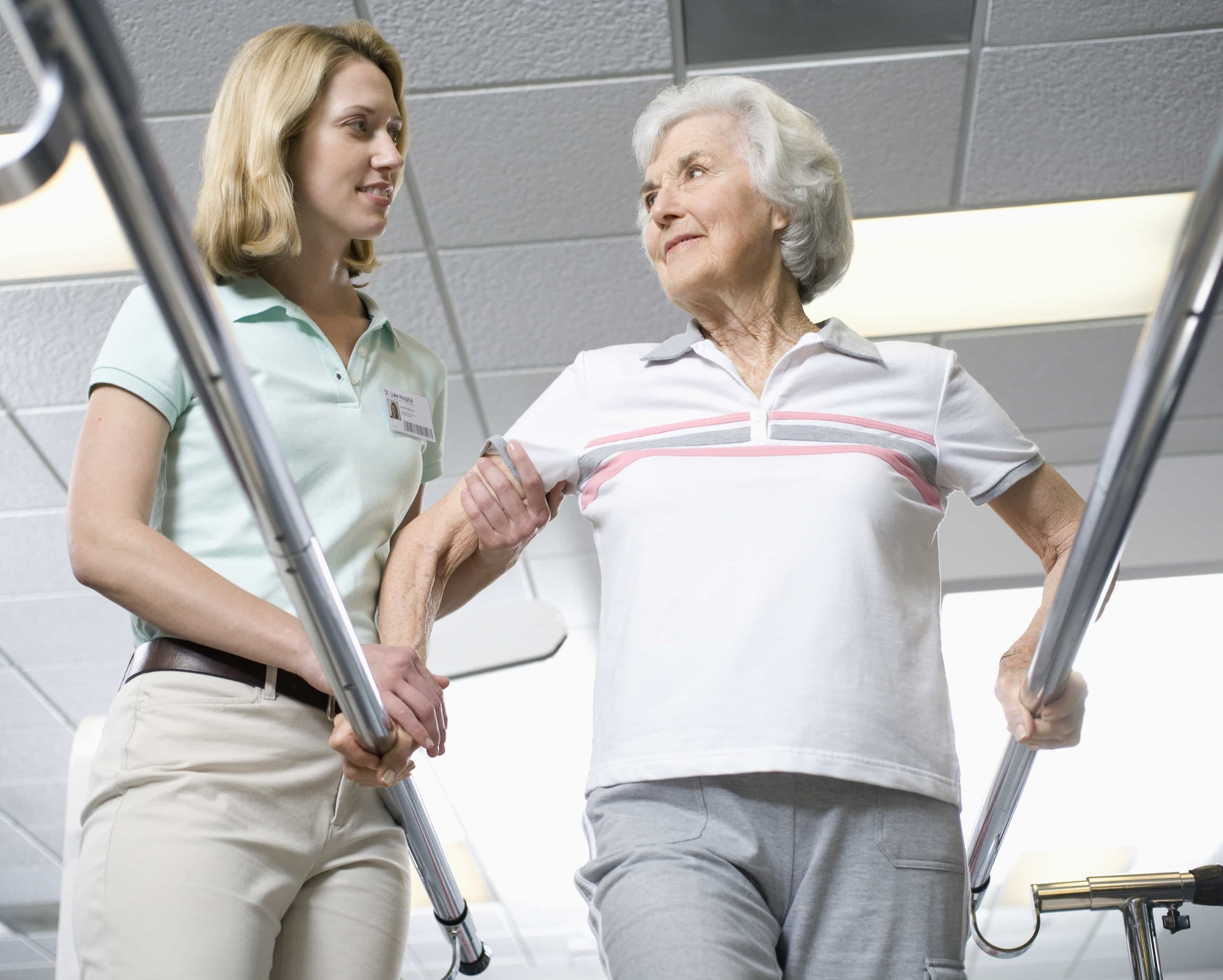
Americans are living longer and in better health than ever before. In fact, the number of people age 65 and older has increased tenfold over the last century. Along with a longer average lifespan (85.5 for women and 83 for men) comes a unique set of health concerns specific to seniors.
While people of all ages can benefit from healthy lifestyle choices, it’s especially important for those 65 and older to eat a balanced diet, engage in physical activity, quit smoking, and maintain a healthy weight. After all, the goal isn’t only to live the longest life possible – you want to enjoy the quality of your golden years, too.
To do this, it’s important to be aware of common health concerns that pose a greater risk as you age and work with your healthcare team to manage them.
1. Arthritis
An estimated 49.7 percent of adults over 65 suffer from arthritis, which causes pain and stiffness in the joints. The symptoms of arthritis discourage many seniors from being active – an important part of staying healthy as you age. Work with your doctor to develop a personalized plan of gentle activities to manage pain and reap the benefits of exercise.
2. Heart disease
Heart disease is a chronic condition that develops in 37 percent of men and 26 percent of women 65 and older. Risk factors including high blood pressure and high cholesterol increase the chance of a stroke or heart attack. Eating a healthy diet and exercising regularly can prevent heart disease and improve your health across the board.
3. Influenza and pneumonia
Around the age of 65, your immune system begins to weaken, putting you at risk for common illnesses like the flu and pneumonia. You can protect yourself from these afflictions by eating healthy, exercising, and getting the influenza vaccination every year. Talk to your doctor about receiving a vaccine for pneumonia and how often you should get one.
4. Cognitive health issues
Roughly one in five Americans over 60 suffers from a neurological disorder, and about 11 percent of people over 65 have Alzheimer’s disease. You can prevent the symptoms of Alzheimer’s and other forms of dementia through nurturing the six pillars of brain health: regular exercise, social engagement, healthy diet, mental stimulation, quality sleep, and stress management.
5. Diabetes
According to the American Diabetes Association, one in four people over the age of 60 has diabetes. As you get older, the challenges associated with the disease get a bit more difficult to manage, but your healthcare team can help. Be sure to stay on top of your annual wellness visits for blood tests, and follow recommended lifestyle changes to improve your long-term health.
6. Osteoporosis
Your bones grow more slowly as you age, making them more susceptible to breaking. Roughly 25 percent of men and 50 percent of women over the age of 50 will suffer a bone fracture related to osteoporosis in his or her lifetime. You can reduce your risk for osteoporosis and bone fractures by eating a diet rich in calcium and vitamin D, maintaining an active lifestyle, and quitting smoking.
7. Falls
According to the National Council on Aging, falls are the leading cause of both fatal and non-fatal injuries in seniors. In fact, one in four Americans 65 and older falls each year. After a fall, it’s important not only to receive treatment for any injuries, but also to participate in a physical therapy program that focuses on balance re-training, like the one at Bella Vista Health Center.
8. Respiratory illness
Asthma, chronic obstructive pulmonary disease (COPD), and emphysema are among the leading causes of death in older Americans. These diseases can compromise your immune system, making you susceptible infections like pneumonia. A pulmonary rehabilitation program that offers breathing strategies and emotional support can increase the quality of life for seniors with a respiratory illness.
9. Obesity
27 percent of adults aged 65 and older have a BMI of 30 or higher. It’s widely known that obesity contributes to a number of diseases, including heart disease, diabetes, and certain cancers. Obesity can also affect cognition, especially as a person ages. Seniors should watch for weight gain and talk to their doctors about establishing a program of healthy eating and exercise to lose excess weight.
10. Eyesight issues
Just as age impacts your bone density and immune system, getting older also affects your vision. While eyesight issues are often due to the natural aging process, a variety of chronic health conditions can make the problem worse, including diabetes and high blood pressure. If you experience blurry or cloudy vision, spots or floaters, or a narrowed field of vision, schedule an appointment with your optometrist.
Senior rehabilitation and health center in San Diego
According to the Centers for Disease Control and Prevention, more than 40 percent of seniors over the age of 65 say their health is very good or excellent. At Bella Vista Health Center, our goal is for you to be among them. Whether you’re recovering from an injury or are learning to manage the symptoms of a chronic condition, we strive to provide a comfortable and supportive environment where you can rehabilitate back to your personal best.
Call us today to learn more about our 5-star skilled nursing facility and senior rehabilitation center at (619) 644-1000.




Common Infections in Older Adults and How to Prevent Them
Have you ever noticed that in times of flu vaccine shortages, the inventory is reserved for infants, the elderly, and pregnant women? That’s because these are populations for whom the consequences of developing the flu are more severe.

Common Infections in Older Adults and How to Prevent Them
Have you ever noticed that in times of flu vaccine shortages, the inventory is reserved for infants, the elderly, and pregnant women? That’s because these are populations for whom the consequences of developing the flu are more severe.
For the elderly, many infections can lead to complications that don’t usually arise in younger adults. You’ve probably heard the phrase, “Knowing is half the battle,” right? Well, in the case of infection prevention, it certainly rings true. Education is the first step in protecting our loved ones from infection. Take a look below at some of the common infections in older adults – and how to prevent them.
Urinary Tract Infection
A urinary tract infection occurs when bacteria in the bladder or kidney multiplies in the urine. Along with uncomfortable symptoms, such as the frequent need to urinate and pain or burning with urination, an untreated urinary tract infection can also lead to hallucinations, dizziness, falling, kidney infection, kidney failure, or even sepsis. Because the uncomfortable symptoms that allow for early detection sometimes don’t show up in the elderly, prevention is that much more important.
How to prevent it:
Be sure your loved one drinks 2 to 4 quarts of fluid every day. Cranberry juice or cranberry tablets (unless you have a family history of kidney stones) also help. Cotton underwear should be worn and changed daily.
Skin Infection
Our skin is the first line of defense against bacterial invasion. Our epidermis even has a resident microflora to add to our protection. Aging, however, alters those defense mechanisms, making our skin more vulnerable to infections. The likelihood of developing herpes zoster (shingles), pressure ulcers, cellulitis, and bacterial foot infections can increase with age.
How to prevent it:
Have your loved one vaccinated for herpes zoster. Be sure to help them practice good hygiene and frequent hand washing.
Influenza
Older adults are prone to severe complications from influenza, due in part to weakened immunity and co-existing chronic diseases. Most people recover within a week, but it may take much longer for older adults. During this time, they are also at higher risk for developing pneumonia.
How to prevent it:
Seasonal flu shots are a great preventative measure. Help your loved one stay away from people who are sick and practice good hygiene to avoid catching or spreading the flu.
Bacterial Pneumonia
Pneumonia is one of the leading causes of hospitalization among the elderly. More than 60% of people ages 65 and older are admitted to hospitals because of pneumonia. Severe symptoms include cough, severe chest pain, labored breathing, fatigue, nausea, vomiting, and more.
How to prevent it:
Have your loved one vaccinated against bacterial pneumococcal pneumonia. Annual flu shots a great defense against the flu, which can lead to pneumonia. If necessary, help your loved one quit smoking and eat well to keep a healthy immune system.
Gastrointestinal Infection
Gastrointestinal infections can be viral, bacterial, or parasitic. They cause inflammation of the gastrointestinal tract, as well as diarrhea, vomiting, and abdominal pain. One of the main dangers of gastrointestinal infections is dehydration. Some gastrointestinal infections resolve after a few days, but left untreated, some can lead to kidney failure, peptic ulcers, and even death.
How to prevent it:
Proper hand washing and cleanliness around food prep areas are both important for reducing the risk of infection.
Your can trust us with the health of your loved one
At Bella Vista Health Center in Lemon Grove, we take the health of our residents seriously. Our staff is highly skilled and trained in the prevention of infection as well as the detection of early signs of illness. We care so deeply about your loved ones that they become our loved ones, too, and we’ll do everything we can to keep them safe and healthy.
For more information about our skilled nursing care, rehabilitation programs, or any of our other services, give us a call or drop by any time. We look forward to hearing from you.