

Bella Vista Health Center Blog


What Are The Signs Of Needing A Hip Replacement?
Hip replacement surgery can significantly reduce pain & improve quality of life, but how do you know if you need one? See these 5 signs.

Osteoarthritis, rheumatoid arthritis, and bone loss can all result in hip pain that won’t go away. Chronic hip pain makes it difficult to move around and enjoy the activities of daily life. If you’ve tried a number of different pain reduction strategies and therapies but still haven’t found sufficient relief, your doctor may recommend hip replacement surgery. A hip replacement can significantly reduce pain and improve quality of life, but how do you know if you need one? These 5 signs may indicate that you need a hip replacement:
1. Chronic hip pain
Recurrent hip pain or constant hip pain that’s severe enough to require medication and interfere with your ability to walk, sleep, or stand or sit comfortably may be a sign of joint damage that can only be resolved with a hip replacement.
2. Difficulty with routine tasks
If hip pain or a limited range of motion is making it difficult to perform routine activities such as standing up from a chair, tying your shoes, or other activities that require bending, walking or lifting your leg, you may need a hip replacement to eliminate the pain and stiffness and restore hip function.
3. You’ve tried everything else
Before recommending hip replacement surgery, most doctors will refer you to less invasive treatments such as anti-inflammatory medications, physical therapy, and steroid injections. In many cases, these interventions help minimize pain, but when they no longer work to provide relief, surgery may be indicated.
4. Hip pain is affecting your mood
Living with constant pain is stressful and can take a toll on your mental and emotional wellbeing. Maintaining high levels of stress hormones can cause a whole host of additional problems, including fatigue, difficulty concentrating, decreased appetite, and mood changes, ultimately leading to anxiety and depression. If persistent hip pain is affecting your mood, self-esteem, or enjoyment of life, hip replacement surgery may bring welcome relief.
5. Unwanted side effects from pain medication
Some people are able to control their hip pain with medications, but when those medications come with unwanted side effects, it puts the individual in the difficult position of choosing between the two. If your hip pain medications are causing you digestive problems, headaches, drowsiness, loss of appetite or other uncomfortable side effects, hip replacement surgery may be a better solution.
Hip replacement surgery can provide wonderful and much-needed relief from hip pain. But it does require significant recovery time. Not everyone is ready to return home after they’ve been discharged from the hospital following hip replacement surgery. If you live alone or for any other reason need daily assistance after hip replacement, Bella Vista is here for you.
Looking for hip replacement rehab? Visit Bella Vista today
At Bella Vista Health Center, we offer inpatient rehabilitation in our 5-star skilled nursing facility, providing a safe transition between hospital and home. Every patient receives a customized rehab therapy plan designed to help them recover quickly and return to all their favorite activities as soon as possible. For more information on hip replacement rehab, give us a call at (619) 644-1000 today.


How Long Does A Hip Replacement Last?
While hip replacement is a major surgery that involves significant recovery time, the results are long-lasting and well worth it. Exactly how long-lasting?
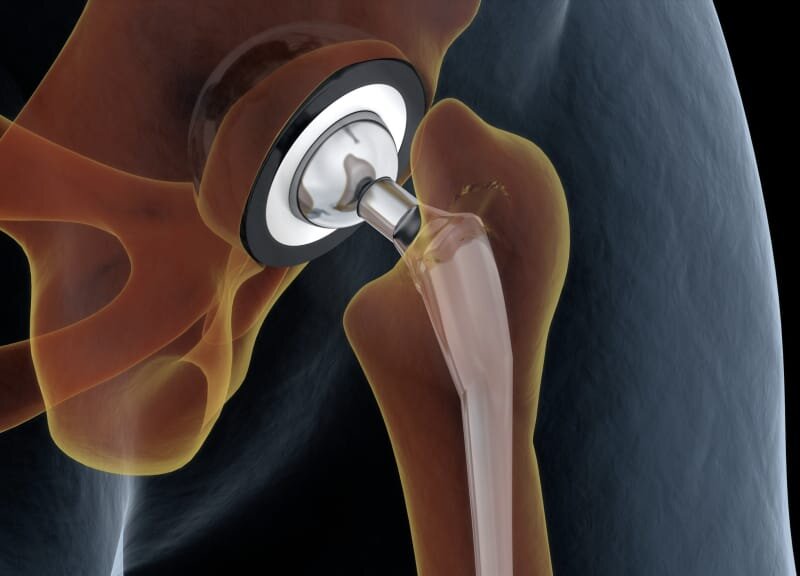
Hip replacement surgery is one of the most successful orthopedic surgeries, as evidenced by the high patient satisfaction rate. Replacing damaged bone and cartilage with prosthetics restores a person’s ability to participate in daily activities pain-free. While hip replacement is a major surgery that involves significant recovery time, the results are long-lasting and well worth it. Exactly how long-lasting? Read on for more information about hip replacement surgery and how long it lasts.
What is arthritis of the hips?
Hip arthritis refers to damage of the hip joints. While there are many different types of arthritis, osteoarthritis is the most common. It can damage any joint, but is most often found in the hands, knees, hips, and spine. Osteoarthritis of the hips occurs when the joint surface cartilage is worn away, resulting in a rough joint surface and a grating sensation inside the joint. The main culprits of osteoarthritis are genetics, age, weight, and lifestyle (such as sports or profession). Hip arthritis causes pain and stiffness in the hips and decreases range of motion, making it difficult to walk, exercise, or participate in the activities of daily living.
There are a number of non-surgical options for minimizing the symptoms of hip arthritis. These include lifestyle modifications, weight loss, physical therapy, walking supports, and medications. But in severe cases, a hip replacement is often a more effective and longer-lasting solution.
What is a hip replacement?
Hip replacement surgery is a procedure that involves removing damaged or diseased bone and cartilage from the hip joint and replacing them with prosthetic components made of some plastic, metal, and ceramic. Hip replacement is major surgery, and is typically only recommended when the patient experiences:
Hip pain that limits their daily activities
Limited mobility in the hips
Hip pain even when resting and not moving the joint
Continued pain and discomfort even after trying other methods of pain management
Hip replacement surgery has a high success rate and a high patient satisfaction rate. The procedure doesn’t just relieve pain, it restores a person’s quality of life by allowing them to maintain a healthy, active lifestyle and participate in activities they enjoy.
How long does a hip replacement last?
We hate to break it to you, but a hip replacement does not last forever. It may feel like it, though, as today’s prosthetic hips do last quite a long time— 20 years or more. Just like with natural hips, the prosthetic hips are susceptible to wear and tear from everyday use. The better care you take of your body, however, the longer your hip replacement should last. There are a few key things you can do to maximize the longevity of your new hip:
Maintain a healthy diet and exercise routine
Avoid high-impact activities
Maintain a healthy weight
Work with your doctors and physical therapists to manage your arthritis and stay as healthy as possible for as long as possible
One of the keys to a successful hip replacement is a strong rehabilitation program. The sooner you get started with physical therapy after your surgery, the better equipped you’ll be to live a healthy, active lifestyle and maximize the longevity of your new hip.
Physical therapy after hip replacement surgery at Bella Vista Health Center
At Bella Vista Health Center in Lemon Grove, we offer short-term rehabilitation for people who have been discharged from the hospital following surgery but are not yet ready to return home to full independence. Our hip replacement rehab programs are customized to help each patient recover quickly and return to all their favorite daily activities as soon as possible.
For more information about post-hip-replacement rehabilitation or any of our other services, please give us a call at (619) 644-1000 or visit our 5-star skilled nursing facility in Lemon Grove today.

What NOT to Do After Hip Replacement Surgery
In order to maximize these benefits, there are some precautions you’ll need to take. Read on for more information about what not to do after hip replacement surgery.

The benefits of hip replacement surgery are numerous. Most patients say the pain-relief alone is worth it, and the improved mobility and hip function dramatically improve a person’s quality of life by restoring independence and the ability to participate in pleasurable activities. Studies show that more than 80% of hip replacements last at least 15 years, and more than 70% last at least 20 years, making it a great option for the long-term improvement of problems with severe arthritis in the hips.
But in order to maximize these benefits, avoid dislocation and injury, and get the most out of your hip replacement surgery, there are some precautions you’ll need to take. Read on for more information about what not to do after hip replacement surgery.
What not to do after hip replacement surgery
Whether you’ve just had hip replacement surgery or you’re planning to in the near future, you’ll probably want to know what your life will be like afterward. Life after hip replacement surgery is different for everyone, depending on the type of hip replacement, your overall health, your lifestyle, and other factors. Your surgeon will give you a list of precautions, instructions, and information about what exercises and activities to avoid after your hip replacement surgery, but we’ve listed some of the most common precautions below.
Keep in mind that the restrictions listed below may apply to the time period immediately following your surgery, the 6-12 weeks after, 4 months to a year after, or permanently. The particulars of each will depend on the incision location, the type of hip surgery, and the type of hip prosthetic used. It’s important to remember that your doctor and physical therapist are there to help you heal and maximize your quality of life. Following their instructions will give you your best chance of a quick and lasting recovery.
Some common things to avoid after hip replacement surgery include:
Don’t resist getting up and moving around
Don’t resist getting up and moving around as instructed by your surgeon or physical therapist in the days immediately following your surgery. Although it may feel too early, doing so will help prevent blood clots and help encourage the healing process.
Don’t bend at the waist more than 90 degrees
This includes bending down to tie your shoes, sitting in a low chair, or any other activity that requires bending at the waist. These activities increase the chances of dislocating the new hip.
Don’t lift your knees up past your hips
Just as bending over too far at the waist can dislocate the hip from its socket, the same is true for lifting your knees in a way that raises them higher than your hip.
Don’t cross your legs
Depending on the type of hip replacement surgery you’ve had, crossing your legs (particularly crossing the operated leg over the non-operated leg) might be restricted only in the few days or weeks after your surgery, or for much longer. This action, too, can result in a dislocated hip joint.
Don’t twist or pivot at the hip
As a general rule, try to keep your chest and hips pointing in the same direction as much as possible.
Don’t rotate your feet too far inward or outward
Try to keep your toes and feet pointing in the same direction as your hips as well. This is important whether you’re walking, standing, sitting, or lying down.
Don’t drive until you’re cleared by your doctor
Driving after hip replacement is different for everyone. Some people are able to drive within a couple of weeks of their hip replacement surgery, and others need more time to heal and drive safely. Before you drive, it’s important to discuss it with your doctor so that you know you’re safe on the road and that doing so won’t disrupt your healing process.
Don’t rush the healing process
Although you may be eager to get back to independent living, the last thing you want is to risk re-injuring yourself. If you do not feel ready to tackle the tasks of daily living when you’re discharged from the hospital, you have the option of recovering in a skilled nursing facility. There, you’ll receive the rehabilitative care you need to heal and recover at your own pace.
Rehabilitation after hip surgery at Bella Vista Health Center
At Bella Vista, we’re dedicated to helping residents recover and rehabilitate from illness, injury, or surgery in the safe, nurturing environment of our 5-Star skilled nursing facility. We’ll work closely with your doctor and other members of your healthcare team to create a customized care plan designed to help you regain strength (taking into account which exercises to avoid after hip replacement surgery) and learn to adapt to any permanent restrictions or lifetime precautions.
At Bella Vista, we’re committed to your recovery, and we’ll help keep you comfortable every step of the way. Give us a call today at (619) 644-1000 if you have any questions.

How To Recover From A Hip Fracture
With proper care and attention, hip fracture recovery is possible. Here are a few important guidelines to help you get back on your feet after a fall.

A hip fracture is a serious injury – and, among senior citizens, it’s also very common. According to the cdc, over 300,000 older americans are hospitalized for hip fractures each year, and over 95% of those fractures are caused by a bad fall. Diminished bone density caused by aging, coupled with poor balance and weak muscle tone, leave seniors vulnerable to these potentially life-threatening breaks.
With proper care and attention, though, hip fracture recovery is possible. Here are a few important guidelines to help you get back on your feet after a fall.
Go to physical therapy
Perhaps the most important thing you can do to encourage healing after a hip fracture is to participate in a regimen of physical therapy. A licensed physical therapist will engage you in activities aimed to increase your range of motion and flexibility, and eventually get you walking unassisted. Additionally, the physical therapist will give you hip fracture exercises to perform independently to help you get the most out of the program. Whether it’s inpatient, outpatient, or home-based, your doctor will know what kind of therapeutic care is best for you.
Listen to your body
It’s important to remain active, but pain is a sign that your body needs rest. If you’re feeling intense discomfort or irritation, stop what you’re doing and take it easy. Elevate your feet to relieve swelling, and ice the affected area for 10 to 20 minutes at a time. Also, make sure to get plenty of sleep. By allowing your body the chance to rest and rejuvenate, you’ll help speed up the healing process.
Eat a healthy diet
Nutrition has a significant impact on our health, including how well we can recover from hip fractures and other injuries. To promote fast and effective recovery, it’s important to eat a balanced diet rich in fruits, vegetables, and lean sources of protein. Limiting your fat and sugar intake will also improve your health, and vitamin supplements can fill in the nutritional gaps.
Take medication as prescribed
In all aspects of hip fracture recovery, it’s crucial to follow your doctor’s orders. This includes taking all your prescribed medications, exactly as you’ve been instructed. Taking them can mean the difference between life and death, comfort and pain. If you’re experiencing any side effects from your medications, speak to your doctor immediately.
Stay connected with loved ones
Understandably, you value your independence, but after suffering a hip fracture, it’s important to reach out for help when you need it. Ask friends and family members to assist you with daily chores and wound care until you get back on your feet. Overexertion will only delay your recovery, and possibly cause another injury.
Practice accident prevention
To avoid falling again, you should eliminate any potential dangers in your home and set yourself up for safety. Install ramps and handles where necessary, such as near staircases or in bathtubs. Clear away tripping hazards, such as throw rugs or electrical cords. Your physical therapy regimen will also help to improve your balance, coordination, and strength to help keep you on your feet.
Bella vista health center offers hip fracture rehab in san diego
Recovering from a hip fracture takes time, patience, and the help of skilled medical professionals. At bella vista, we offer short-term hip fracture rehab to help you get moving again. Our highly trained staff of nurses, physicians, and therapists provide 24-hour support in a caring and comfortable environment. We strive to give each patient an individualized rehabilitation experience, with the goal of quickly returning to independent living.
For more information on our hip fracture recovery program, call us today at (619) 644-1000.