

Bella Vista Health Center Blog


Link Between Proper Hydration and Dementia for Seniors
Studies show a link between dehydration and cognitive decline, and seniors are especially vulnerable to both. Read on for more information.
Maintaining proper hydration is one of the keystone habits of healthy living. Hydration is important not just for our bodies, but for our brains as well. This is true for people of all ages, but some members of our society are at particular risk of dehydration as well as the negative health impacts it has on the body and brain. Studies show a link between dehydration and cognitive decline, and seniors are especially vulnerable to both. Read on for more information.
What is dehydration?
Dehydration is defined as insufficient fluid in the body. Every person is different, from their body weight to their activity level to the climate they live in, so the exact amount of water needed daily will vary from one individual to the next. In general, however, drinking 8 cups of water daily should be sufficient for an average sized person with a moderate activity level who lives in a mild climate. Water aids the body in a thousand different ways, including: cushions the joints; flushes out bacteria; regulates body temperature; and transports oxygen, vitamins, and minerals to the brain. Dehydration has a negative impact on all bodily systems.
What is cognitive decline?
Cognitive decline refers to a reduction in one or more cognitive abilities across the lifespan of an adult. Cognitive functions include memory, attention, communication, judgment, learning, and logic and reasoning. Age-related cognitive decline is subtle and typically affects attention and processing speed. Mild cognitive impairment refers to cognitive decline that’s more advanced than expected, but the individual is still able to maintain their daily life. Dementia refers to cognitive decline that disrupts a person’s ability to carry out everyday tasks.
Seniors, dehydration, and cognitive decline
As mentioned above, studies show clear links between seniors, dehydration, and cognitive decline. If you’re looking for a solid argument to convince your loved one to maintain a healthy diet and exercise routine, drink plenty of water, and engage in brain-healthy activities, these 4 should do the trick.
#1. Seniors are vulnerable to cognitive decline
The longer a person lives, the more likely they are to accumulate factors that put them at risk for cognitive decline. In addition to their age, these factors may include:
Medication side-effects
Hormone imbalances
Metabolic imbalances
Vitamin deficiencies
Infection
Brain damage
Neurodegenerative condition
Toxins
Of course, no single factor on this list is always directly linked to an decrease in cognitive decline, but each one increases the risk.
#2. Seniors are at risk of dehydration
The aging process changes not just the way we look, but in the way our bodies function as well. Some of these changes have a direct impact on our hydration levels. For example, muscle tissue holds significantly more water than fat cells, so as you lose muscle mass in advanced age, you have less water stored in your body. This puts you at greater risk of dehydration. In addition to changes in body composition, other factors that put seniors at greater risk of dehydration include:
Diminished thirst signal
Diminished kidney function
Consumption of alcohol and caffeine
Medications
Fortunately, many of these risk factors can be easily addressed with a consistent water consumption schedule.
#3. Dehydration increases the risk of cognitive decline
Just like all the other systems in our body, our brains need water to function properly. Studies have shown that the strain of dehydration causes a decline in performance on complex cognitive tasks, particularly those involving attention, executive function, and motor coordination. Dehydration can cause:
Poor concentration
Increased reaction times
Short-term memory problems
Agitation
Low mood
You can help support your loved one’s brain health by supporting their hydration.
#4. Cognitive decline can increase the risk of dehydration
Our brain serves us in a variety of different ways, many that go unnoticed until an important function is disrupted. Not only does hydration affect our brains, but our brains can affect our hydration levels as well. When cognitive decline occurs, the chances of dehydration increase because the individual may:
Forget to drink
Be unable to communicate their thirst
Have difficulty with the mechanics of drinking (turning on the faucet, filling the glass, etc)
Forget the steps for quenching thirst
Not recognize that they are thirsty
Dehydration is not the root cause of dementia, but in some cases, rehydration can restore functioning lost due to dehydration. If your loved one is having trouble eating and hydrating properly, maintaining healthy habits, or otherwise taking care of themselves, they may be a good fit for our Dementia Care Center in San Diego.
Dementia Occupational Therapy in San Diego at Bella Vista Health Center
At Bella Vista Health Center, our dementia occupational therapists work with clients who suffer from dementia and other types of memory loss. The goal of the Occupational Therapy program here at our 5-Star skilled nursing facility is to address the challenges that interfere with a patient’s ability to perform daily tasks and provide a treatment plan to overcome them. Our entire staff is committed to helping each patient reach their therapeutic goals and maximize their independence. For more information on Bella Vista Health Center’s skilled nursing facility or Occupational Therapy program, please contact us at (619) 644-1000.


What’s a Good Gift for Someone with Dementia?
Gift-giving can sometimes be tricky if you have a loved one who lives with dementia or Alzheimer’s disease. Start here with these 8 great gift ideas for someone with dementia.
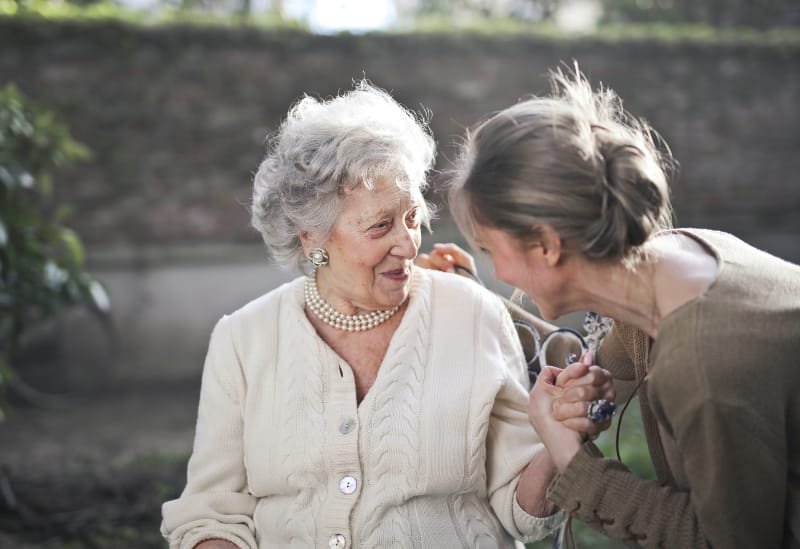
Gift-giving can sometimes be tricky if you have a loved one who lives with dementia or Alzheimer’s disease. But there is an abundance of gifts out there for you to choose from. There are gifts to help make life easier. Gifts to indulge to inspire. Gifts to help unwind. And so many more. Start here with these 8 great gift ideas for someone with dementia.
#1. Alexa
Setting your loved one up with Alexa in the home can be a wonderful gift. They can use voice activation to ask for the date and time, play music or the news, or look up any kind of information. Alexa can be very helpful to Alzheimer’s and dementia patients.
#2. Special pajamas or robes
Opt for comfortable, soft fabrics in their favorite color. Elastic or velcro may be a good choice, as more complex fasteners can become difficult as dementia or Alzeheimer’s disease progress.
#3. Memory photo phone
This corded telephone has 10 buttons and space for pictures next to each so your loved one can push a single button and know exactly who they’re calling. This is a good option for older people who are not tech savvy and may have trouble dialing.
#4. Coloring books
Creativity helps improve brain function. Choosing colors and deciding where to put the colors requires sustained creativity, which makes it a great brain-boosting activity. Coloring also improves concentration and releases mood-enhancing endorphins, making it a great option for people with dementia—and everyone else, too.
#5. Photo book
Creating a photo book of your loved one’s life, loves, and travels is a wonderfully personal gift that they’ll enjoy every time they open it. Having pictures of family and friends around can be especially helpful to people with dementia and Alzheimers. And these days, it’s easy to scan and digitize photos so you can make a bound book that looks professional.
#6. Bird feeder
Nature is always fun to observe. Give your senior a bird feeder and hang it outside a window where they can watch the birds come and go.
#7. Perfume or cologne
Scent carries so much memory. If you know the cologne your father wore to his wedding or the perfume your mother wore when she the danced nights away at Studio 54, the gift of nostalgia may release a flood of wonderful memories and stories.
#8. Treats and goodies
As we age, our taste buds decrease significantly. Some types of foods begin to taste bland, but our sweet taste buds tend to remain active. If your loved one has a favorite type of cookie or a special treat they’ve mentioned when recounting stories of their travels, it could be a wonderful gift to enjoy in the moment.
Dementia Care Center in San Diego at Bella Vista Health Center
If your loved one needs dementia care, we can help. At Bella Vista, our in-house occupational therapists are highly skilled and compassionate providers who create customized treatment plans designed to help people living with dementia maximize their strengths and adapt to the changes they’re experiencing. For more information on our Dementia Care Program, please give us a call at (619) 399-7920 today.