
Bella Vista Health Center Blog


Benefits of Interdisciplinary Teams in Healthcare
The collaborative approach interdisciplinary healthcare teams provide has proven to be most effective for senior care. Here are some of the benefits.

We’ve all heard the phrase, “No man is an island.” It’s a good reminder that we’re not alone and that we need each other to thrive. Unfortunately, many people do feel alone when it comes to coordinating complex healthcare issues. Seniors, in particular, often have multiple health conditions, each of which can involve various symptoms, a couple of doctors or therapists, and an array of treatments, medications, lab tests, lab results, and a million other details that the patient not only has to keep track of but also has to relay from one practitioner to another. The stress and overwhelm can make it difficult to focus on recovery or wellness. But if the healthcare professionals on the patient’s care team work together collaboratively and communicate effectively, it not only relieves some of the patient’s burden but it also improves their treatment outcomes. And improved care is the primary benefit of interdisciplinary teams in healthcare.
What is an interdisciplinary team in healthcare?
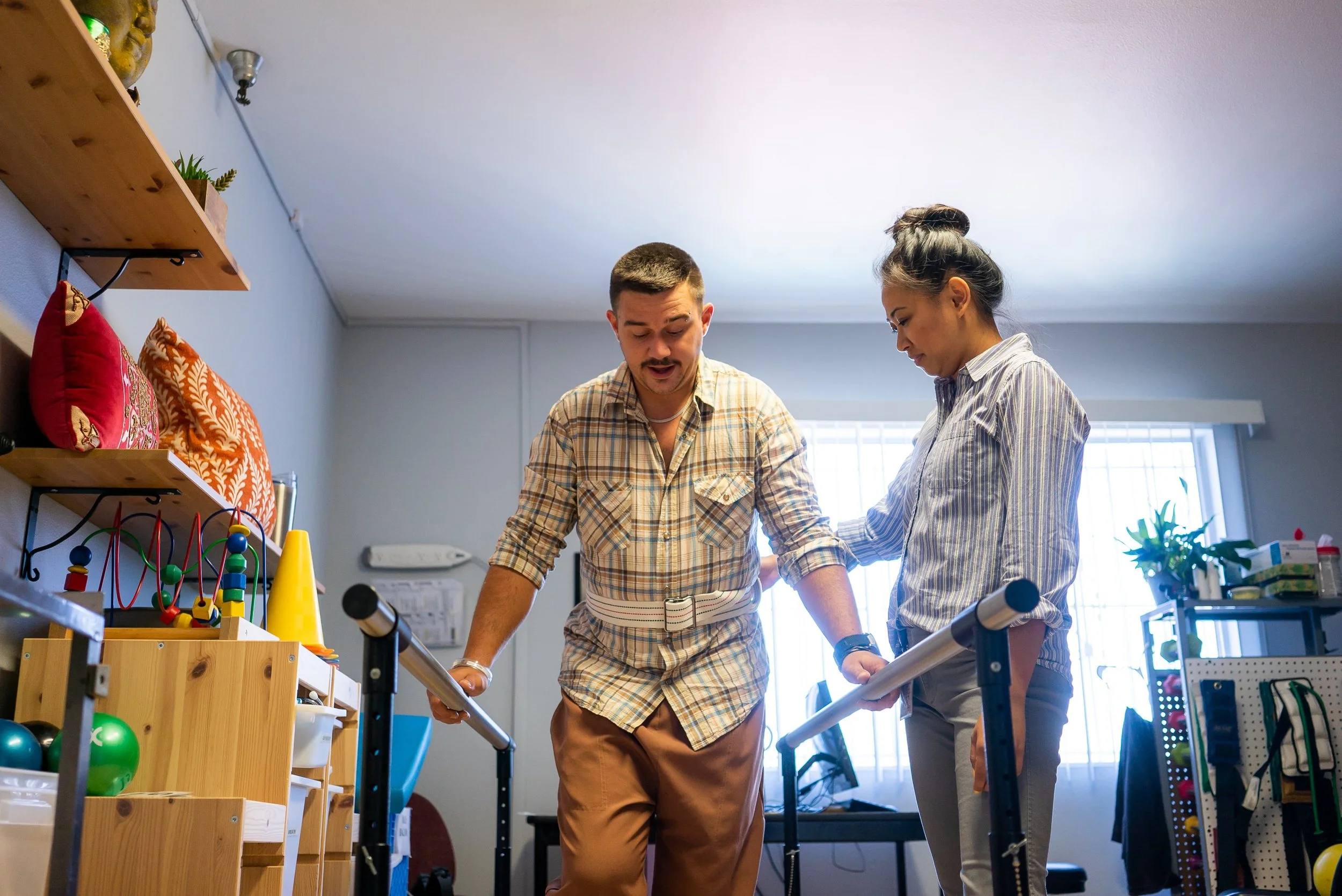
An interdisciplinary team is a group of professionals all working collaboratively toward a common goal. In healthcare, specifically, the team involves health professionals working together to treat a patient’s injury or condition, which increases the likelihood of successful treatment outcomes. The members of an interdisciplinary team in healthcare are determined by the needs of the patient and their particular condition. The team can be comprised of just a few practitioners or a larger group represented by many different disciplines, including any combination of the following:
Primary care physician
Nurse practitioner
Physician assistant
Nursing partner
Specialists
Pulmonologist
Cardiologist
Oncologist
Neurologist
Orthopedist
Other specialists
Physical therapist
Occupational therapist
Dietician
Home caregiver
Psychologist
Psychiatrist
Social worker
There are a countless number of healthcare professionals that can work as part of an interdisciplinary team, but one thing they all must have in common is the willingness to work collaboratively with other practitioners toward the optimum health and wellbeing of the patient.
The benefits of an interdisciplinary team in healthcare
Collaborative care is particularly beneficial for older people, who tend to have many medical, functional, and psychosocial challenges that need to be addressed simultaneously. The collaborative approach interdisciplinary healthcare teams provide has proven to be most effective for senior care. Here are some of the main benefits of an interdisciplinary team in healthcare.
Better care
Each medical professional has a different perspective, depending on their particular discipline, and each can provide valuable insight that the other practitioners may not have considered. When everyone works together, communicating efficiently and sharing information in real-time, the interdisciplinary team can create a comprehensive treatment plan based on a holistic view of the patient. This leads to better quality care and improved outcomes.
Reduced medical errors
Most seniors work with multiple practitioners to manage various health conditions. If each practitioner works independently, it increases the likelihood of miscommunication and risks to patient safety. This may include duplicate assessments or even adverse drug interactions. A reduction in medical errors is one of the most important benefits of interdisciplinary teams in healthcare.
Faster treatment
Effective and efficient communication within an interdisciplinary healthcare team reduces the wait time that often stalls treatment and causes patient frustration. When referrals, test results, and other information moves efficiently through the lines of communication, patients can receive their treatment more quickly, before their condition has a chance to worsen.
Reduce length of stay
Studies have shown that by reducing the inefficiencies, redundancies, and medical errors, hospitals that use an interdisciplinary model are able to improve surgical start times, prevent delays, and reduce the average length of patient stays. With improved care, patients recover sooner.
Better quality of life
Improved communication, collaboration, and patient care results in a higher quality of life for patients—and a higher rate of job satisfaction for practitioners. For example, when an occupational therapist is able to create a treatment plan based on information gathered from other members of the interdisciplinary care team, they’re equipped with a broader sense of confidence to pass on to the patient. And when patients feel confident in their providers, they’re more likely to participate in their care. In the end, interdisciplinary teams provide numerous benefits for patients as well as their healthcare professionals.
Get collaborative care at Bella Vista Health Center
If you or a loved one is looking for an interdisciplinary healthcare team in San Diego, Bella Vista Health is here for you. Our team of doctors, nurses, physical therapists, occupational therapists, dieticians, and other specialists work collaboratively to provide the highest quality treatment customized for each patient. We prioritize communication not only among practitioners but also with patients and family members, who we consider part of the care team. For more information about our 5-Star Skilled Nursing Facility, give us a call at (619) 644-1000 or come visit us in Lemon Grove today.


How Do You Recover From Caregiver Fatigue?
Because the responsibilities involved with caregiving tend to increase with time, burnout can feel neverending. Here's how to recover from caregiver fatigue.

Caring for a loved one as they get older can be a rewarding job. But depending on the scope of their needs and the scope of the other responsibilities in your life, caregiving can also be stressful. The emotional exhaustion combined with the often physical demands of caregiving as well as grief about the lost past and anxiety about the unknown future, often lead to caregiver fatigue, also known as caregiver burnout. It’s common and can have a negative impact on both the caregiver and their loved one, but recovery is also possible. Here’s how.
How to recover from caregiver burnout / caregiver fatigue
Caregiver burnout feels like an endless cycle of stress. This can cause symptoms similar to those associated with depression, including social withdrawal, a loss of interests in once-enjoyable activities, and changes in weight, appetite, and sleep patterns. And because the responsibilities involved with caregiving for an aging loved one tend to increase with time, the burnout can feel neverending. But it is possible to recover from caregiver fatigue.
It’s important to note that recovering from caregiver fatigue involves quite a bit of focusing on the needs of the caregiver, which can seem counterintuitive and may even cause feelings of guilt. It can be helpful to remember that a fatigued caregiver cannot provide the quality of care that a healthy caregiver can. Taking care of yourself and tending to your own needs isn’t selfish—it’s necessary for the good of you and those you care for.
Connect with friends and family
Many caregivers find that between their own job, their children, and their aging parents, there isn’t much room left in the schedule for a social life. But this can lead to feelings of isolation and even symptoms of depression. Try scheduling regular downtime with friends or other people whose company you enjoy. Arrange for someone else to take over caregiving responsibilities during this time so you can really let go and enjoy yourself.
Practice self-care
When caring for others, it can sometimes feel like there’s always more you can do to help keep them healthy, comfortable, and happy, especially if they are limited in what they can do for themselves. While the desire to do all you can for another person certainly is a great quality to have if you’re a caregiver, it can also lead to depletion and burnout if you don’t also take the time to care for yourself. At the very least, you should be sure to give yourself:
Sufficient sleep
Nutritious foods
Daily exercise
Plenty of hydration
If you experience caregiver burnout, check for depletion in these areas first. You may be surprised by what a difference any one of them can make in how you feel.
Meditate
The demands of caregiving can be emotionally exhausting and stress-inducing, and they can also wreak havoc on your health and wellbeing. Meditation has calming effects on many of the body’s physiological systems. It has been shown to decrease symptoms of anxiety, boost mood, and stimulate feelings of wellbeing. Additionally, meditation can provide a sense of clarity that makes it easier to navigate the immediate challenges of caregiving.
Set realistic expectations
There are only so many hours in a day, and one individual can only do so much. Your basic self-care is a really good way to measure the outside boundaries of your limits. If your caregiving responsibilities consistently push your yoga class off the calendar or limit your self-care time to a mere three-minute shower every morning, then it may be time to make adjustments. Asking for help doesn’t come easily for everyone, but it could be the best thing you do for everyone involved. One of the keys to recovering from caregiver burnout is to do everything you can to avoid it moving forward. Setting realistic expectations of yourself is an important step.
There’s no shame in asking for help if you need it. None of us are doing this alone. Whether it’s a family member, a home healthcare service, a skilled nursing facility, or a support group for caregivers, the help you seek will get you one step closer to living a healthy, balanced life and giving your loved one the quality time they deserve.
Occupational Therapy for Dementia in Lemon Grove | Bella Vista Health Center
Caring for a loved one with dementia has its own particular set of challenges. Occupational therapists are trained to work with dementia patients to address the challenges that interfere with their ability to perform the tasks of daily living. The therapist creates a treatment plan designed to help overcome those challenges, providing exercises aimed at improving function and maintaining healthy habits and routines. The occupational therapy program for dementia at Bella Vista helps to maximize patient independence and improve their quality of life. Our therapists also provide caregivers with education tips, tools, and strategies for maintaining a safe, calm, environment that will help make their job easier—and more rewarding.
For more information on our services or to schedule a tour of our 5-star skilled nursing facility, give us a call at (619) 644-1000 today.