

Bella Vista Health Center Blog


What’s a Good Gift for Someone with Dementia?
Gift-giving can sometimes be tricky if you have a loved one who lives with dementia or Alzheimer’s disease. Start here with these 8 great gift ideas for someone with dementia.
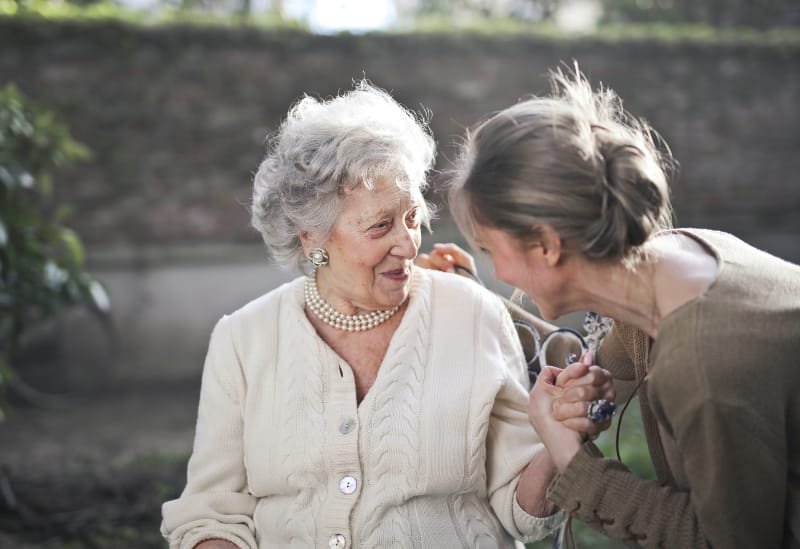
Gift-giving can sometimes be tricky if you have a loved one who lives with dementia or Alzheimer’s disease. But there is an abundance of gifts out there for you to choose from. There are gifts to help make life easier. Gifts to indulge to inspire. Gifts to help unwind. And so many more. Start here with these 8 great gift ideas for someone with dementia.
#1. Alexa
Setting your loved one up with Alexa in the home can be a wonderful gift. They can use voice activation to ask for the date and time, play music or the news, or look up any kind of information. Alexa can be very helpful to Alzheimer’s and dementia patients.
#2. Special pajamas or robes
Opt for comfortable, soft fabrics in their favorite color. Elastic or velcro may be a good choice, as more complex fasteners can become difficult as dementia or Alzeheimer’s disease progress.
#3. Memory photo phone
This corded telephone has 10 buttons and space for pictures next to each so your loved one can push a single button and know exactly who they’re calling. This is a good option for older people who are not tech savvy and may have trouble dialing.
#4. Coloring books
Creativity helps improve brain function. Choosing colors and deciding where to put the colors requires sustained creativity, which makes it a great brain-boosting activity. Coloring also improves concentration and releases mood-enhancing endorphins, making it a great option for people with dementia—and everyone else, too.
#5. Photo book
Creating a photo book of your loved one’s life, loves, and travels is a wonderfully personal gift that they’ll enjoy every time they open it. Having pictures of family and friends around can be especially helpful to people with dementia and Alzheimers. And these days, it’s easy to scan and digitize photos so you can make a bound book that looks professional.
#6. Bird feeder
Nature is always fun to observe. Give your senior a bird feeder and hang it outside a window where they can watch the birds come and go.
#7. Perfume or cologne
Scent carries so much memory. If you know the cologne your father wore to his wedding or the perfume your mother wore when she the danced nights away at Studio 54, the gift of nostalgia may release a flood of wonderful memories and stories.
#8. Treats and goodies
As we age, our taste buds decrease significantly. Some types of foods begin to taste bland, but our sweet taste buds tend to remain active. If your loved one has a favorite type of cookie or a special treat they’ve mentioned when recounting stories of their travels, it could be a wonderful gift to enjoy in the moment.
Dementia Care Center in San Diego at Bella Vista Health Center
If your loved one needs dementia care, we can help. At Bella Vista, our in-house occupational therapists are highly skilled and compassionate providers who create customized treatment plans designed to help people living with dementia maximize their strengths and adapt to the changes they’re experiencing. For more information on our Dementia Care Program, please give us a call at (619) 399-7920 today.


How Can Dementia Patients Reduce Stress?
Living with dementia can exacerbate stress, which adds to the confusion. Take a look at these 7 ways people with dementia can reduce stress.

Stress and anxiety are challenging for everyone, but living with dementia exacerbates the stress, which adds to the confusion associated with dementia, and in turn, increases the stress level even more. If you are living with dementia and find yourself agitated, lashing out, or shutting down, it could be the result of stress. The good news is that there are some simple ways to reduce stress, improve your mood, and maximize your quality of life. Take a look at these 7 ways people with dementia can reduce stress.
1. Identify stress triggers
Once you’ve acknowledged the signs and symptoms of stress, you can begin to identify what causes it. The stress triggers are different for everyone. They could be the 24-hour news cycle, loud restaurants, hunger, or even a specific person in your life. It may take some time to identify the exact triggers of your stress, but once you do, you can take steps to avoid them and thereby decrease your stress level.
2. Create a soothing station
Stress is a part of everyday life. Even when you make steps to avoid major stressors, it’s likely that some stress will crop up from time to time. Whether it’s news, traffic, technology or family conflicts that trigger you, it’s important to have strategies for managing the stress. A soothing station is a place you can go in your home to soothe yourself. It can be a special corner of your bedroom where you can sit in your favorite chair, sip tea, and do crossword puzzles, or a whole room dedicated to painting, as long as it’s a place that’s just for you and that helps you feel relaxed and calm.
3. Daily structure and routine
For people with dementia, daily structure goes a long way toward reducing stress and anxiety. If you eat your meals at regular intervals and go to bed and wake up at the same time every day, you can ensure that you’re getting sufficient food and sleep, both of which will help keep your stress hormones at a healthy level. The routine will also help provide you with a sense of familiarity, control, and independence on a daily basis. Writing down your routine will help you as well as any family members or caregivers who may want to step in and give you a hand.
4. Healthy diet
Maintaining a healthy diet is crucial for brain function and mental wellness. Eating a well-balanced nutritious diet helps the body work efficiently, provides energy and stamina, and may even slow the rate of cognitive decline. Additionally, eating too little or eating a diet high in sugar can raise your cortisol levels, which increases stress.
5. Physical activity
Exercise is one of the best stress reduction strategies there are. It helps to reduce stress hormones and elevate feel-good hormones, resulting in an overall feeling of energy and wellness. Exercise has been proven to help stabilize mood, improve sleep, self-esteem, and enhance cognitive function. It provides the added bonus of helping you sleep better. An exercise program adopted in the early stages of dementia is more likely to be maintained as the condition progresses. Making it part of your regular routine can also help ensure that exercise continues for years to come.
6. Music
The right music can be soothing, relaxing, and de-stressing, but you don’t want to have to go searching for it when you’re feeling stressed. Whether you listen to your music digitally, on a record player, or on a favorite radio station, you can create a playlist, set aside a special stack of records, or program a station ahead of time so your music is there when you feel agitated or out-of-sorts. If you have a special “De-stressor Strategies” list attached to your refrigerator to remind you of the playlist, radio station, or selection of records, you’ll know just where to look when you need some music to help you relax.
7. Simple household tasks
Sometimes, just folding the laundry is the perfect way to give your brain a break from everyday stressors. Folding laundry and other simple household chores like sweeping the floor or dusting the shelves can help to focus your attention without asking your brain to do anything complex. Easy chores can be quite meditative, allowing you some time to de-stress and wind down.
If you or someone you love is struggling with dementia, you may benefit from dementia occupational therapy at Bella Vista Health Center.
Occupational therapy for dementia in San Diego | Bella Vista
The goals of the Occupational Therapy program for dementia at our 5-star skilled nursing facility at Bella Vista is to address the challenges that interfere with a patient’s ability to perform the tasks of daily living and to create a treatment plan designed to help overcome them. When working with dementia patients, our occupational therapists provide exercises aimed at improving function, supporting healthy habits and routines, maintaining strength, and enriching the life of the individual. The tools our therapists provide also include stress-reduction strategies, so you or your loved one can return to a safe, calm, and comfortable independent life as quickly as possible.