
Bella Vista Health Center Blog


Signs Your Loved One May Be Having A Stroke
A stroke cuts off blood supply to the brain, either through a blockage or a burst blood vessel. Without a blood supply, your brain cells can die. That’s why it’s extremely important to get immediate treatment.
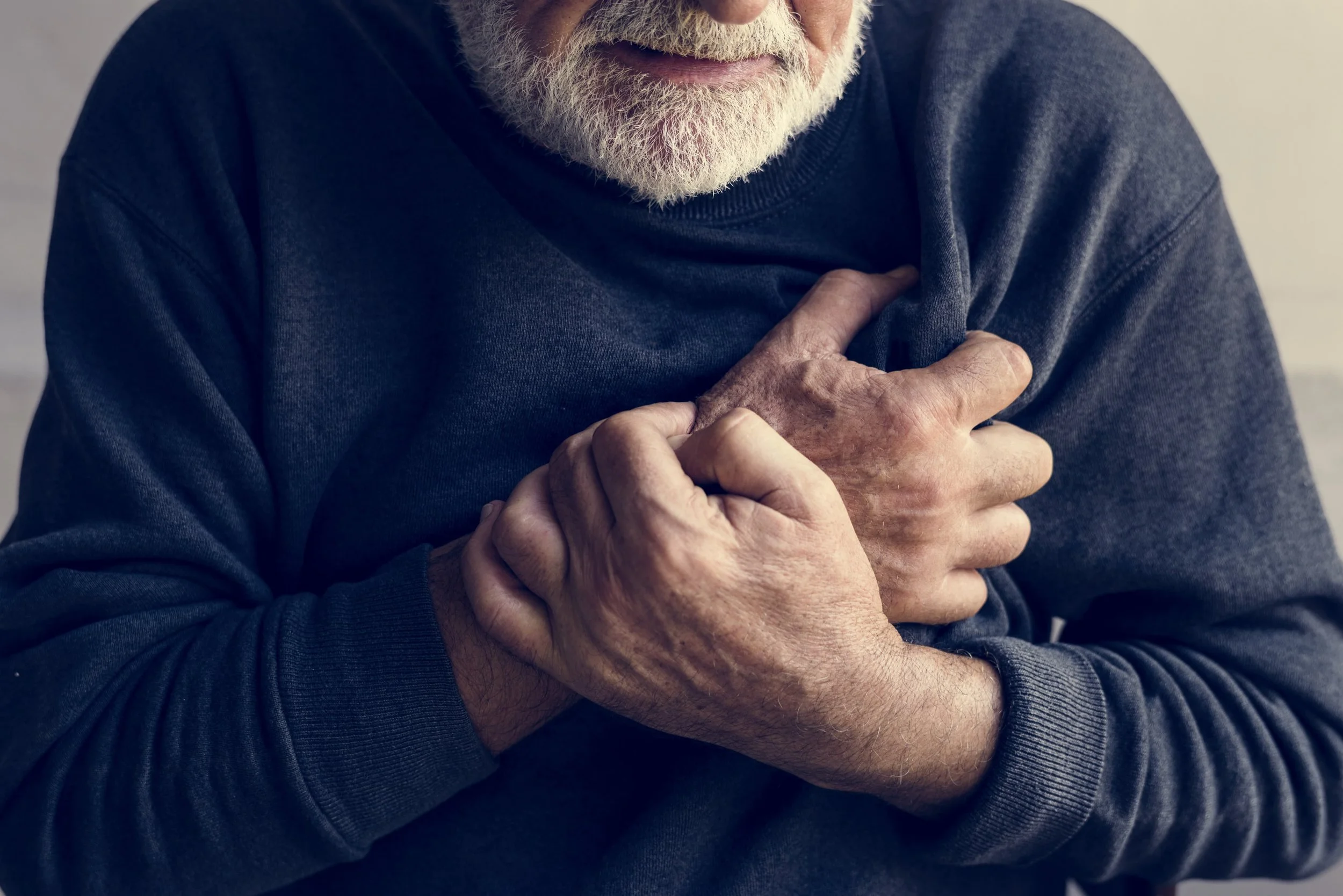
When someone you love is having a stroke, every second counts. According to the Centers for Disease Control and Prevention, stroke is the fifth leading cause of death in the United States.
Over four million Americans who’ve survived a stroke are living with a subsequent disability – and 30% of those affected are permanently disabled.
However, when a stroke is treated quickly, the risk of death, disability, and severe brain damage is greatly reduced.
Familiarize yourself with the signs and symptoms of a stroke, and you may be able to save the life of someone you love.
Signs of a stroke
The National Institute of Neurological Disorders and Stroke has identified these five major signs of a stroke, all of which come on suddenly and unexpectedly:
1. Sudden numbness or weakness
This will generally affect the face, arm, or leg, and will often impact one side more than the other.
2. Sudden confusion
This includes difficulty speaking, trouble understanding what others are saying, or an inability to form a cohesive thought.
3. Sudden trouble seeing
Vision can be affected in one or both eyes.
4. Sudden difficulty walking
Dizziness, loss of balance, or lack of coordination can make it hard to walk.
5. Sudden severe headache
Pain will come on quickly and without a known cause.
What to do if someone is having a stroke
A stroke cuts off blood supply to the brain, either through a blockage or a burst blood vessel. Without a blood supply, your brain cells can die. That’s why it’s extremely important to get immediate treatment.
If you suspect your loved one is having a stroke, you must act quickly. Use the FAST acronym to help you remember what to do:
F: Face. Ask them to smile. Does one side of their face droop?
A: Arms. Ask them to raise both of their arms. Does one arm begin to drift downward?
S: Speech. Ask them to repeat a simple sentence. Do they slur or say the wrong thing?
T: Time. If the answer to any of the questions above is “Yes,” you must act quickly and call 911 right away. Also, note the time that the first symptoms began to occur. The medical team will need to know this information to determine the best course of treatment.
Stroke therapy can help prevent long-term disabilities
For stroke survivors, a comprehensive rehabilitation program is the key to regaining independence - and the sooner stroke rehab begins, the better the chances are for a successful recovery. Treatment plans vary based on individual patient needs, but generally include:
Physical therapy
Exercises and balance training help stroke patients regain motor skills, coordination, and strength.
Occupational therapy
By focusing on the patient’s abilities, therapists identify new ways of performing everyday tasks, encouraging independence and self-care.
Speech therapy
Patients who have speech problems will relearn communication skills, and if necessary, how to swallow again.
Stroke rehabilitation begins at Bella Vista Health Center in San Diego
With a coveted five-star rating, Bella Vista Health Center is one of the best stroke rehabilitation centers in San Diego.
We offer customized treatment plans with daily therapy from our experienced physical, occupational, and speech therapists, while coordinating care from in-house doctors and nursing staff.
Our goal is to help each of our patients regain their strength and live as independently as possible.
If your loved one has suffered a stroke, call us at (619) 644-1000 to find out more about our stroke rehab program.

Choosing The Right Stroke Rehab Facility
The goal of stroke rehabilitation is to help patients get back to living full, self-sufficient lives.

Your brain controls so much of what you do, how you act, and who you are. Every thought you have and every movement you make originates in your brain cells. That’s why strokes can be so devastating: when blood flow is cut off to a section of your brain, the affected brain cells die, and the thoughts, actions, and movements controlled by those brain cells are lost.
However, it’s possible to rebuild your strength, relearn your skills, and regain your independence after a stroke with the help of a reputable stroke rehabilitation program. Choosing an inpatient stroke rehab facility can be overwhelming, but to ensure a thorough recovery, it’s crucial to spend some time researching programs to find the one that’s right for you.
What is a stroke rehabilitation program?
The goal of stroke rehabilitation is to help patients get back to living full, self-sufficient lives. This requires a team of health experts coordinating care across a range of disciplines, with doctors and therapists communicating frequently to ensure the best possible treatment plan. Through directed, repetitive practice, as well as the use of assistive devices and modified routines, patients gradually achieve independence, all under careful medical supervision.
Factors to consider when choosing a stroke rehab facility
Stroke rehabilitation is an ongoing process that’s different for every patient. Depending on the type and severity of stroke you’ve experienced, a rehab program could last as little as two weeks, or it could involve working with specialists for months, or even years. It’s important to keep your specific circumstances and condition in mind when choosing a stroke rehab facility.
Here are some of the most important factors to consider when making your choice:
Available services
Most stroke rehabilitation facilities will offer a wide array of therapeutic services, and daily therapy sessions will be included with any program. At a minimum, the facility should offer onsite stroke rehabilitation exercises through physical therapy, occupational therapy, and speech therapy. Mental health and social services are also important aspects of recovery, as well as skilled nursing care and round-the-clock medical supervision. Before choosing a rehab facility, check to make sure they provide comprehensive, individualized treatment plans.
Staff members
An effective stroke rehabilitation team consists of experienced and highly skilled staff members, such as:
Doctors, including physiatrists and neurologists
Nurses
Physical therapists
Occupational therapists
Speech language pathologists
Psychiatrists
Dieticians
Generally, facilities will also have a case manager for each patient, to coordinate their services and help them plan for aftercare.
Certification
The Center for Medicare and Medicaid Services (CMS) maintains a rating system for skilled nursing facilities and stroke rehabilitation centers. The rating is determined by health inspection reports, staffing ratios, and other quality measures regarding how well the facility meets patients’ needs. When researching stroke rehab facilities, check their CMS ratings; a five-star nursing facility is considered to be extremely high quality.
Payment options
The expenses associated with stroke rehabilitation can add up quickly. Not all services will be covered by all insurance plans, and treatments are often limited by time constraints. Medicare, for example, will usually only cover up to 90 days in an inpatient stroke rehab facility. Investigate insurance options and payment plans for all prospective facilities to make sure you can afford the associated costs.
Bella Vista Health Center offers stroke rehab in San Diego
The period following a stroke is a critical time, and getting the right rehabilitative care is crucial to long-term health and independence. If you’re looking for high-quality stroke rehab in San Diego, Bella Vista Health Center is a 5-star skilled nursing facility with a dedicated stroke rehabilitation program. Our caring and competent doctors, nurses, and therapists work together to help each patient achieve their goals of getting healthy and achieving independence.
Call us at (619) 644-1000 for more information about our program.

How Long Does it Take to Recover From a Stroke?
When someone experiences a stroke, one of the first questions their loved ones ask is how long it will take to recover.

Every 40 seconds, someone in the Unites States suffers a stroke. Approximately 10% of them make a full recovery. Another 25% recover with some impairment, and approximately 40% will have severe impairments that require special care. The best way to increase the likelihood of a maximum recovery from stroke is to start a strong stroke rehabilitation program right away. But it’s also important to remember that recovery won’t happen overnight.
When someone experiences a stroke, one of the first questions their loved ones ask is how long it will take to recover. There is no single answer to this question. Some patients will recover in a few months, and others may take as long as a few years. Stroke recovery depends on where in the brain the stroke took place, how much of the brain was affected, the health of the patient prior to the stroke, how committed the patient is to recovery, and the strength of the patient’s stroke rehabilitation program.
Exercise for stroke recovery
Exercise is an important component of recovering from a stroke. It can help you restore your balance; recover your fine motor skills, coordination, and muscle functions; control your cholesterol levels; fight high blood pressure; and stave off the depression that can creep in after experiencing the trauma of a stroke. In essence, exercise can help improve your overall wellness, and reduce the risk of further stroke.
In the early days following s stroke, the patient may only be able to perform passive exercises, where they use the non-affected side of their body to assist the affected side. Even though this may not feel like the kind of exercise the patient is accustomed to, these stroke exercises help to reconnect mind to muscle and increase the likelihood of regaining muscle function and overcoming paralysis. The types of exercises for stroke rehabilitation include:
Strengthening exercises
Eye exercises
Balance and coordination exercises
Range of motion exercises
Speech exercises
An effective stroke rehabilitation program will include a customized exercise program overseen by a team that may include doctors, physical therapists, occupational therapists, speech therapists, and other care providers.
What to look for in a stroke rehabilitation program
The sooner stroke rehabilitation begins, the higher the likelihood of maximizing recovery. Stroke rehabilitation usually begins with physical therapy sessions at the hospital soon after the stroke, and depending on the severity of the stroke and the needs of the patient, will either continue through home care, at an outpatient facility, or at a stroke rehab center. When looking for a stroke rehabilitation program, there are a number of factors to consider:
How long has the stroke rehab center been in operation?
Does the program offer a range of therapies for stroke patients?
Is there a team approach to patient care?
Is the staff experienced in stroke recovery?
Is medical care available at the stroke rehab center?
Is there a formal system for evaluating the progress of stroke patients?
Patient comfort is also crucial when it comes to stroke rehabilitation. This includes safety and security in a residential setting, comfort with care providers, and additional services that help meet the emotional and physical needs of patients. Visiting facilitates and meeting care providers in person prior to committing to a particular stroke rehab center is an important part of determining whether or not the program will be a good fit.
Stroke rehabilitation at Bella Vista Health Center
At Bella Vista Health Center, we strive to create a comfortable and nurturing atmosphere for all of our patients. Our team of doctors, therapists, and other care providers are compassionate, highly skilled, and committed to helping each patient recover, rehabilitate, and regain the maximum amount of independence possible. If you or a loved one is in need of stroke rehabilitation, pulmonary rehabilitation, physical therapy, occupational therapy, speech therapy, short term rehab, or any of our other services, please come visit our skilled nursing facility in Lemon Grove or give us a call at 619-644-1000 today.

10 Stroke Rehabilitation Exercises
Not only does exercise help to keep a person fit and healthy, thereby reducing the risk of a second stroke, but it also aids in stroke recovery.

Exercise is a key component of stroke rehabilitation. Not only does exercise help to keep a person fit and healthy, thereby reducing the risk of a second stroke, but it also aids in stroke recovery. Stroke rehabilitation exercises strengthen the signals between the brain and the body, resulting in restoration of function and coordination.
It’s crucial to begin exercising early in the rehabilitation process in order have the best chance of repairing damage, regaining movement, and reinforcing the brain-body connection. But because each person is affected differently by stroke, it’s important to work with stroke rehabilitation specialists who can determine which stroke rehab techniques will best meet your particular needs. To get an idea of some simple techniques that stroke rehabilitation specialists might use to help improve balance, coordination, and strength during post-stroke recovery, take a look below.
10 Exercises for stroke rehabilitation
- #1. Hip adduction/abduction - Lie on your back with your legs straight and flat on the ground. Slide one leg out to the side and then bring it back to center.
- #2. Knee extension – Sit in a chair with both legs bent and both feet on the ground. Slowly lift one foot until the leg is straight and then bring it back down slowly. This can be done standing as well, though be sure to hold onto a table or other surface so you can remain balanced while you slowly bend and kick one leg out.
- #3. Ankle rotation – Sit in a chair with both feet on the ground. Lift one foot off the floor just high enough to rotate the foot in a circle. Be sure to rotate in both directions.
- #4. Elbow stretch – Sit or stand with your arms at your sides. Slowly lift both forearms arms to bend your elbows and then slowly straighten them again.
- #5. Wrist rotation – Sit or stand. Lift one arm and rotate the hand slowly a circle. Then rotate it in the other direction.
- #6. Shoulder stabilizer – Lie on your back with your arms at your sides. Raise one arm up to shoulder level so that your hand is pointing to the ceiling. Now lift your shoulder blade off the floor by reaching your hand to the ceiling. Hold and repeat.
- #7. Weight shift and balance control – Start on your hands and knees with your weight distributed evenly. Rock slowly and shift your weight back toward your right leg, then forward to your left hand, over to your right hand, and back toward your left leg.
- #8. Hip and knee control – Lie down on your back with your knees bent and pointed to the ceiling. Slowly slide one heel away from your buttocks until the leg straightens. Then slowly slide the heel back toward the buttocks. The heel should remain in contact with the ground throughout the exercise.
- #9. Hip and pelvis strengthener – Stand facing a table or countertop with both feet flat on the ground. Hold onto the table while you shift your weight to one side, keeping your knee straight. Lift the opposite leg to the side while keeping a straight knee and maintaining a straight forward-facing posture. Slowly return to starting position, and then repeat on the other side.
- #10. Lower leg strength and coordination – Lie down on your side with bent knees stacked on top of each other. While keeping your feet together, lift the upper knee slowly. Hold for a couple of beats and the slowly lower it again.
It’s important to note that the above exercises are meant as general examples only, not as a prescription for someone who has suffered from a stroke. Please contact an educated professional who has been trained in stroke rehab techniques for a customized post-stroke treatment plan.
Inpatient stroke rehabilitation in San Diego
At Bella Vista Health Center in San Diego, our inpatient stroke rehabilitation specialists employ a combination of passive and active exercises, physical therapy, occupational therapy, speech therapy, and other proven therapies and techniques to help support each patient’s unique post-stroke recovery. If you are looking for a skilled nursing facility where you or a loved one can recover in a safe nurturing environment under the care of specialists trained in stroke recovery techniques, please call or drop by and see us in Lemon Grove today.