

Bella Vista Health Center Blog


What Not To Do After Knee Replacement
When the pain subsides, it’s easy to forget you’re still healing. Here are some things you’ll need to remember not to do after knee replacement surgery.
A knee replacement can significantly reduce pain and improve quality of life. But even if you’ve chosen a top-notch surgeon for your procedure, a successful outcome requires your active participation as well. In the days immediately following the surgery, the pain serves as a reminder to take it easy, but when the pain subsides, it’s easy to forget you’re still healing. Even when you’re feeling better, there are some things you’ll need to remember not to do after knee replacement surgery.
What not to do after knee replacement
Recovery from knee replacement is a gradual process. A full recovery can take 6 months to a year or more. In addition to the skin and deeper soft tissues that are cut during surgery, bone and cartilage tissue are cut as well. The healing process takes time, and it’s important not to rush back into intense activity. Although it may seem contradictory, it’s equally as important to start rehabilitation immediately after surgery. Your doctor and physical therapist will give you a list of postoperative do’s and don'ts to help facilitate recovery and avoid injury, and it’s important to follow them closely. In the meantime, here's an idea of the things you’ll want to avoid after knee replacement surgery.
Don’t skip your exercises
Physical therapists are trained in guiding patients safely through the recovery process. Following the knee replacement rehab exercises provided by your therapist will can help keep you moving enough to promote healing, but not so much that you risk injury.
Don’t discard your assistive device too early
If you’re given a walker, crutch, brace, or other assistive device, it’s important to use it as instructed by your doctor until you’re cleared to let it go. Discarding it too early can increase the risk of reinjury of the operated leg as well as compensation injuries in other parts of your body.
Don’t sit on soft or low chairs
Low chairs, soft couches, stools, rocking chairs, and low car seats all require that you put significant stress on your legs when getting up. In the first few months after knee replacement surgery, try to use only upright straight-back chairs and use your walker or cane to hold some of your weight when standing up. Placing a pillow on chairs or in car seats can help make it easier to stand up when you’re ready.
Don’t lift heavy objects
Heavy lifting puts pressure on your joints. It’s best to avoid lifting anything heavier than a coffee cup for several weeks after surgery. If you like to lift weights at the gym, your physical therapist will let you know when it’s safe to do, and can help you find alternatives in the meantime.
Don’t wear flip flops
Flip flops and other unsteady footwear can cause you to slip, twist, or pivot your leg in ways that your newly operated knee cannot handle. In order to decrease your risk of injury, wear sturdy footwear with good grip. Be sure to wear grip socks indoors as well.
Don’t run or jog
Running and jogging place repeated stress on the knee, and are best avoided after knee replacement. If you are serious about a return to running after knee replacement, you’ll need months of intense fitness training to get your muscles strong enough to protect your knee. A physical therapist can help with this, but this kind of rehabilitation goes far beyond what’s typically expected for knee replacement recovery.
Don’t downhill ski
Similar to running, downhill skiing can be very hard on the knees, particularly if you’re new at the sport. Even experienced skiers will need to wait at least three months before hitting the slopes after knee replacement, and during that time, a strong emphasis will need to be placed on rehabilitation. A return to skiing should be gradual and only in ideal, powdery conditions.
Don’t participate in high impact sports
High intensity, high impact sports such as hockey, soccer, football, handball, basketball, and tennis put stress on the knees and increase the risk of injury. It’s best to stick with low-impact sports that minimize pressure on your new knee, including swimming, cycling, golfing, kayaking, or scuba diving.
Don’t hike on uneven trails
While hiking is a great way to enjoy the outdoors and get some exercise, uneven terrain can cause you to trip, twist, pivot, or fall, injuring your operated leg. Wear sturdy hiking shoes, bring your assistive device, and stick to flat trails without too much incline until your physical therapist clears you for more intense hiking conditions.
Don’t forget to eat healthy and get plenty of rest
All your bodily systems work together to help you heal. A healthy diet and sufficient sleep will go a long way toward promoting healing after knee replacement surgery. The more you prioritize your overall health, the sooner you’ll recover and get back to doing the things you love.
Looking for knee replacement rehab? Visit Bella Vista today
Not everyone is ready to return home after they’ve been discharged from the hospital following knee replacement surgery. At Bella Vista Health Center, we offer inpatient rehabilitation in our 5-star skilled nursing facility, providing a safe transition between hospital and home. Every knee replacement patient receives a customized rehabilitation therapy plan designed to help them recover quickly and return to all their favorite activities as soon as possible.
Give us a call at (619) 644-1000 to schedule a tour today.


Will Knee Replacement Get Rid Of Arthritis?
If you suffer from painful arthritis in your knees and you’re considering knee replacement surgery to eliminate the discomfort, here’s what you need to know.

Knee replacement surgery can be extremely beneficial for people with severe arthritis. With a 95% success rate, this common procedure reduces pain and stiffness, allowing for more comfortable movement and a return to an active lifestyle. Knee replacement surgery can positively impact a person’s quality of life, but it’s not a cure-all. If you suffer from painful arthritis in your knees and you’re considering knee replacement surgery to eliminate the discomfort, here’s what you need to know:
What is arthritis?
Arthritis is an umbrella term that refers to joint pain or joint disease. According to the Arthritis Foundation, there are over 100 types of arthritis and related conditions. The most common types of arthritis include:
Osteoarthritis - a degenerative condition caused by wear and tear and the overuse of the joints; often associated with age, joint injury, or obesity
Rheumatoid arthritis - an autoimmune disease that leads to inflammation and severe joint damage
Psoriatic arthritis - an inflammatory condition characterized by uncontrolled inflammation of the joints
Gout - pain and inflammation caused by the buildup of uric acid crystals in a joint; typically involves flare-ups that last anywhere from 3 to 10 days
The Center for Disease Control estimates that 22.7% of adults in the US (54.4 million people) have doctor-diagnosed arthritis. By the year 2040, they estimate that the number will be up to 78.4 million, or 25.9%.
What is a knee replacement?
Osteoarthritis of the knees is one of the most common types of arthritis. Inherited bone structure, repetitive injury (as from sports or a profession, such as floor installer or farm worker), and obesity often result in the breakdown of cartilage in the knee. As the cartilage breaks down, the bone-on-bone scraping results in pain, joint stiffness, limited range of motion and other symptoms that can weaken the muscles and increase the risk of falling. The associated pain and discomfort can also result in symptoms of depression.
Knee replacement surgery is a procedure that involves removing damaged or diseased parts of the knee and replacing them with a prosthesis made of plastic and metal. With proper care, physical therapy, and a healthy lifestyle, the new knee can last 20 years or more. Although high-impact exercises and contact sports are best avoided after a knee replacement, it’s still possible to live an active lifestyle that involves biking, swimming, dancing, hiking, golf, and many other enjoyable activities.
What a knee replacement cannot do
Unfortunately, knee replacement surgery does not cure arthritis. Although it can correct the damage caused by arthritis and relieve the pain associated with the condition, it cannot make the arthritis go away. After knee replacement surgery, it’s still as important as ever to maintain a healthy diet and exercise routine, and work with your doctors and physical therapists to manage your arthritis and stay as healthy as possible for as long as possible.
Benefits of knee replacement surgery
Just because your knee replacement won’t cure your arthritis, don’t let that stop you from considering it seriously if you suffer from damaged and painful knee joints. There are several advantages to getting knee replacement surgery, including:
Pain relief
Better range of motion
Improved mobility
Long-lasting
High success rates
Return to enjoyable activities
Higher quality of life
If you are considering knee replacement surgery, it’s important to remember that physical therapy is crucial. A strong rehabilitation program after your surgery is the key to a successful recovery.
Bella Vista Health Center offers short-term Knee rehab in San Diego
The stronger your rehab program is, the higher the likelihood you’ll have a quick and successful recovery. At Bella Vista, we offer short-term rehabilitation for people who have been discharged from the hospital following surgery but are not yet ready to return home to full independence. Our rehab programs are designed to help residents regain strength, balance, and coordination following knee replacement surgery. Our physical and occupational therapists are highly skilled, experienced, and committed to patient safety and recovery.
For more information about post-knee replacement rehabilitation or any of our other services, please give us a call at (619) 644-1000 or visit our 5-star skilled nursing facility in Lemon Grove today.

Exercises for Recovering After Knee Surgery
An exercise program designed and overseen by a licensed and experienced physical therapist after knee surgery will give you the best chance of a full recovery.
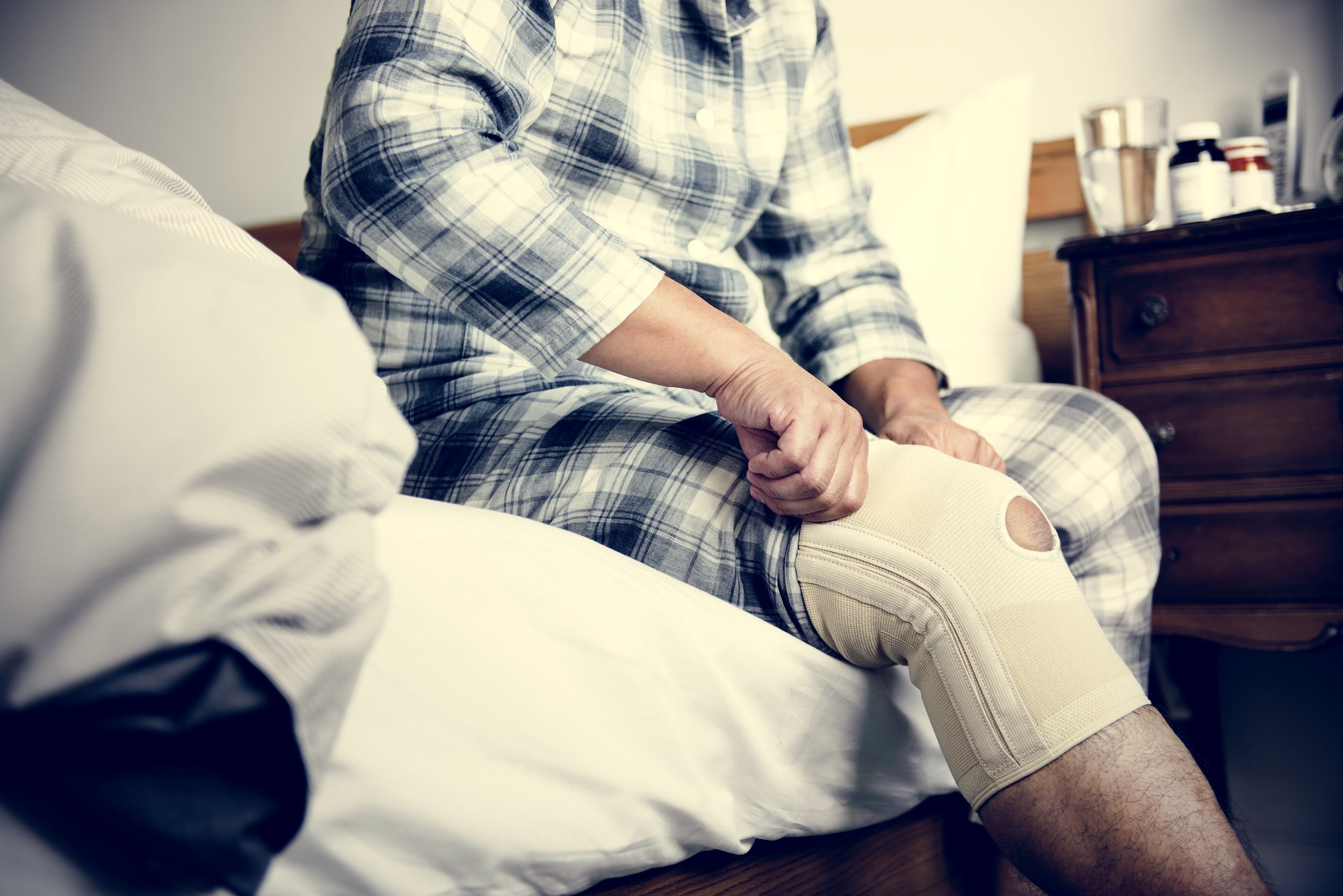
Exercise is an important part of recovery from knee surgery. Although it may be uncomfortable at first, the physical therapy exercises prescribed during your recovery period are the key to stabilizing your leg and regaining strength and mobility so you can get back on your feet and keep doing the things you love to do. An exercise program designed and overseen by a licensed and experienced physical therapist during your post-knee surgery period will give you the best chance of a full recovery.
Curious about the types of exercises a PT might prescribe? Take a look below.
Circulation exercises
Even before you’re back up on your feet, your knee surgery recovery exercise program will begin. Many of these early exercises are designed to help keep the circulation going in your legs and feet, decrease your risk of clotting and keep your muscles engaged. Some of the post-surgery circulation exercises prescribed to you may include: (see also rehab after knee replacement )
Ankle pumps:
Lie on your back with your legs straight. Flex your foot so your toes are reaching back toward your knee. Hold for 5 seconds. Then point your toes away from your knee and hold for 5 seconds. This exercise will help keep the circulation going in your leg and decrease the risk of clotting.
Quad squeezes:
Lie on your back with your legs straight. Tighten your thigh muscles and try to push the back of your knee down into the bed. Hold for 5 seconds and release. Do this 10 times. This will help stimulate the quadriceps, the muscles that support and control your knee.
Glute squeezes:
Lie on your back with your legs straight. Tighten your buttock muscles and squeeze. Hold for 5 seconds. Do this 10 times. Your glutes play an important role in leg stabilization, and this exercise will help keep them in good circulation and strength while you’re recovering from knee surgery.
Strength and mobility exercises
Your physical therapy following knee surgery will also include strength conditioning. Your PT will customize a program of exercises designed to keep your joint supple and to gradually increase the strength in your leg. Many of the exercises can be advanced with increased repetition or added weight. Your strength exercises after knee surgery may include:
Leg raises:
Lie down on your back. Bend your non-surgery knee and straighten your affected knee. Raise your straight leg about 12 inches off the ground. Then lower and relax.
Partial squats:
Stand in front of a chair and hold onto the back of it. Keep your back straight and slowly bend your knees. In the beginning, you may only be able to bend an inch or two, but as you continue to recover your strength and mobility, you will be able to bend further. Your PT will probably recommend that you stop at 90 degrees.
Single leg knee bend:
Stand in front of a chair and hold onto the back. This time, bend your non-surgery knee so the foot comes up off the floor. Then slowly bend your affected knee.
Step-ups:
Use a stair, a footstool, or other type of sturdy platform approximately 6 inches off the ground. Step up slowly with your affected leg. This exercise can be done with forward steps or lateral steps, and the height of the platform can increase as you continue to regain your leg strength.
Looking for help while you recover from knee surgery?
At Bella Vista Health Center in San Diego, we offer a full-service 5-star skilled nursing facility that has everything you need to recover from knee surgery.
From physical therapy and occupational therapy to nutritious meals and concierge services, we offer top-notch skilled nursing care by experienced medical professionals. If you or someone you love is in need of rehabilitative care, stop by and see us in Lemon Grove today. Give us a call at (619) 644-1000 to learn more about recovery options.




6 Things You Should Know About Recovering from Knee Replacement Surgery
If your doctor has recommended knee replacement surgery, you probably have a lot of questions about what to expect for your recovery.
If your doctor has recommended knee replacement surgery, you probably have a lot of questions about what to expect for your recovery. Everyone’s healing process is different, and it could take anywhere from a few months to a year to achieve full recovery from a knee replacement. But still, there are some things that everyone should keep in mind if they plan to undergo the surgery. Take a look below at 6 things you should know about recovering from knee replacement surgery.
#1. You will not recover overnight
Although there are many minor surgeries that you can expect to recover from quickly, knee replacement surgery is not one of them. It is major surgery that requires anesthesia and involves the cutting away of damaged bone and cartilage. The healing process from knee replacement surgery takes time. It’s important that you plan for ample time for rest and follow your doctor’s instructions for lifestyle modifications in order to minimize the risk of injury while you recover.
#2. You will need to prepare your home for your return
When you return home from your knee replacement surgery, it is important that the floor is clear of clutter, area rugs, and power cords. For a few weeks, you will likely be tired and vulnerable to falls. Placing your essential items (medications, phone, television remote, books, crossword puzzles, and tissues) near your bed will help reduce the risk of accident and injury.
#3. Physical therapy is key
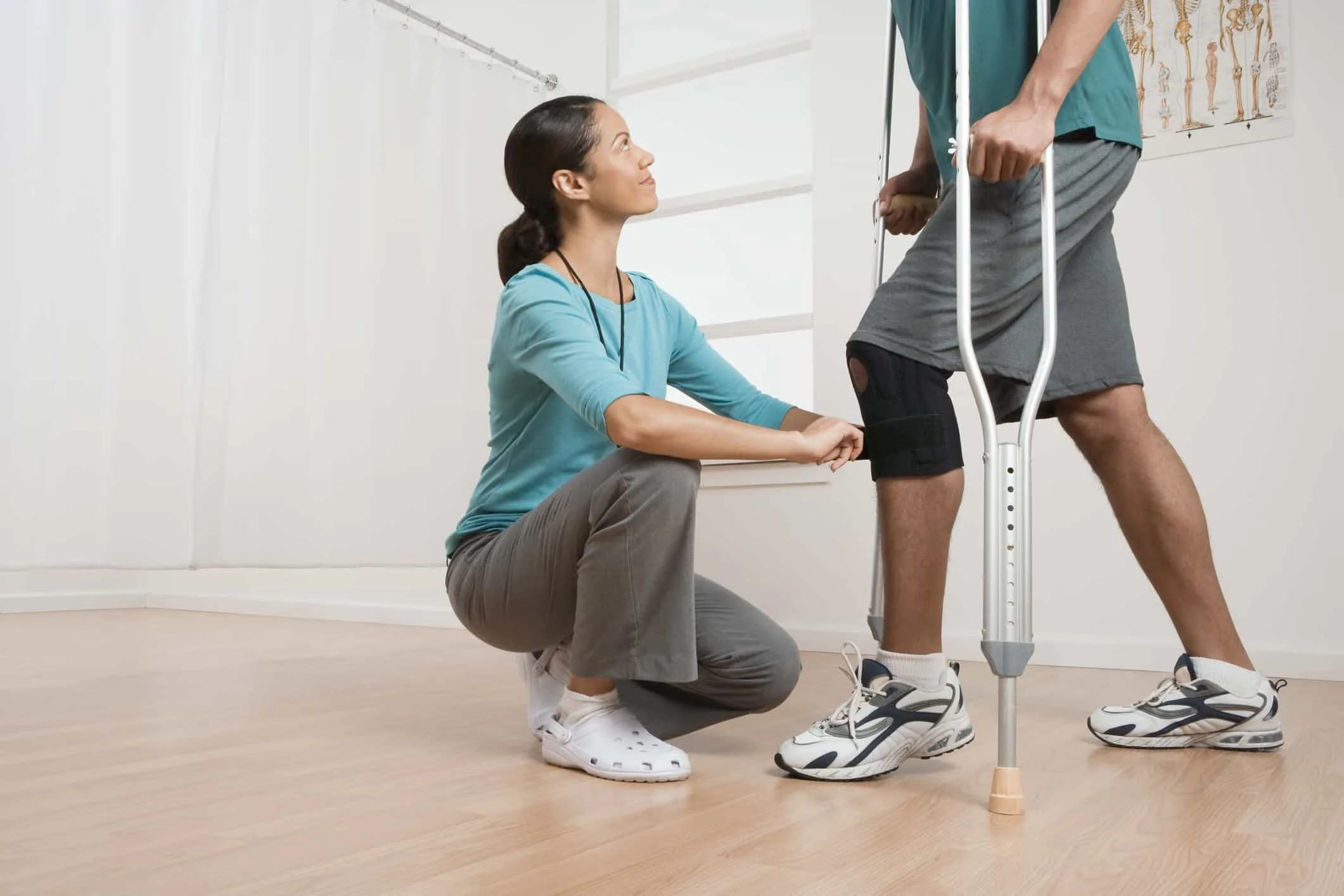
Your physical therapy program will begin with passive exercises shortly after your surgery to help improve your range of motion and prevent circulation problems. Within a day or so, your physical therapist will assist you in transferring in and out of bed and standing with the use of a walker. On your return home, you will be given exercises to perform on your own between physical therapy sessions. It is important that you participate in physical therapy to help you build strength, prevent complications, and achieve full recovery.
#4. “Toughing it out” could backfire
Pain medication is an important part of knee replacement recovery. While you may think you are being strong by not taking your pain medication, doing so could backfire by making it more difficult for you to perform your essential physical therapy exercises. If you are not comfortable with the pain medication you have been prescribed, talk to your doctor about alternatives.
#5. You may need some extra help
After knee replacement surgery, the best thing you can do for yourself (besides following your doctor’s instructions) is to give yourself ample time to rest. This could mean asking your family members to take over your chores for a few weeks so you can focus on healing. Or if you live alone, you may want to consider asking a friend to stay with you or hiring a caretaker to cook, clean, and assist you in getting up and down the stairs if you have them.
#6. A skilled nursing facility might be the quickest, safest way to full recovery
Many patients who undergo knee replacement surgery are not quite ready to return home after their hospital stay. In these cases, a skilled nursing facility provides a safe, therapeutic environment for short-term rehabilitation and a range of services that facilitate a quick recovery. In addition to 24-hour skilled nursing care, knee replacement patients receive physical therapy services, assistance with the tasks of daily living, nutritious meals, and the opportunity to participate in community events and activities. The goal of rehabilitation at a skilled nursing facility is to help get patients back to their personal best so they can return home in the shortest time possible.
At Bella Vista, we’re committed to your full recovery
If you’re looking for a 5-star skilled nursing facility where you can receive quality, compassionate care while you transition from hospital to home, you’ve come to the right place. At Bella Vista Health Center in San Diego, our dedicated staff puts patients and their loved ones first, and our top-notch rehabilitation services will help you recover quickly so you can get back to living your best life. Come see us in Lemon Grove today!